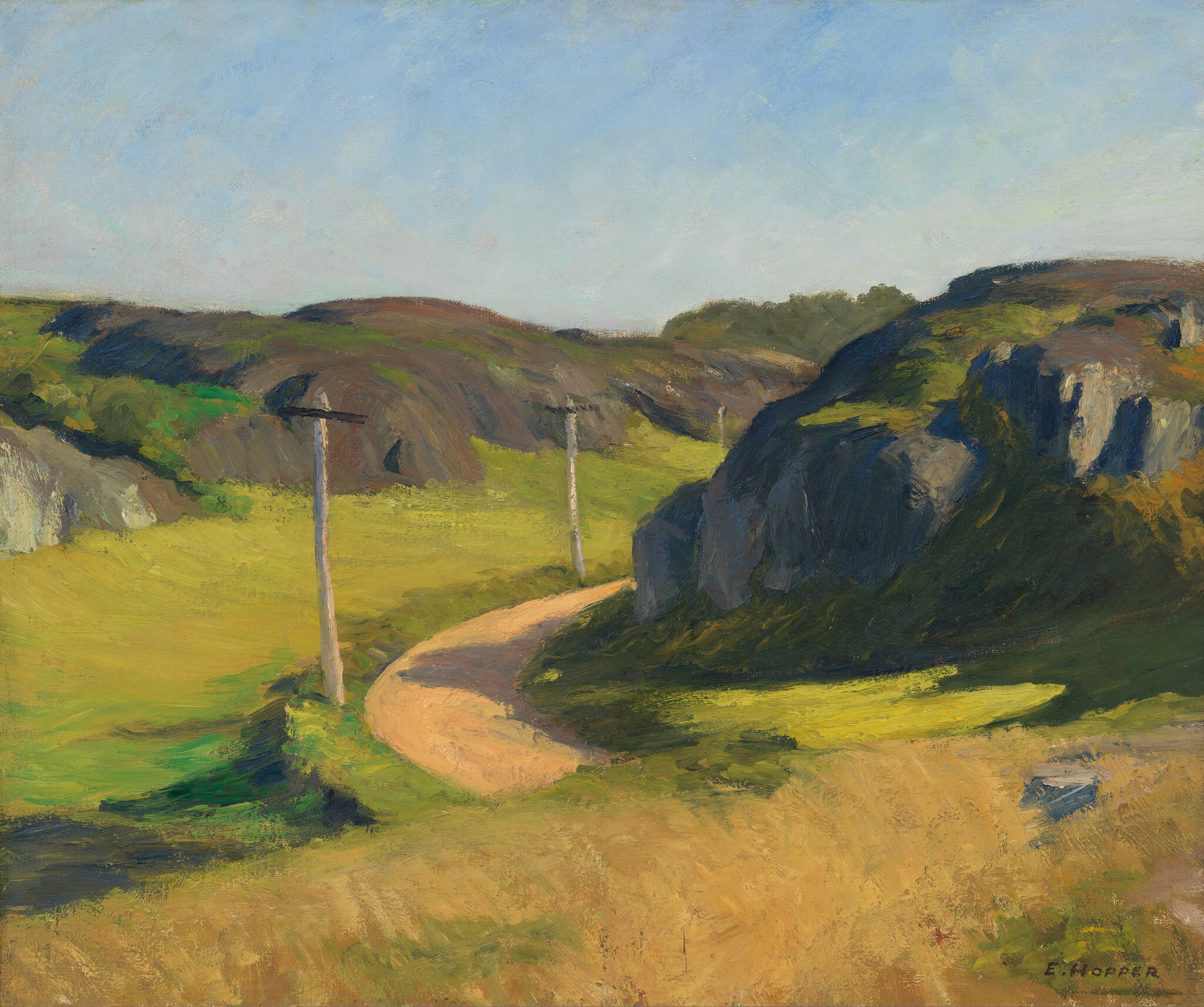
 Edward HopperVerenigde Staten, 1882–1967
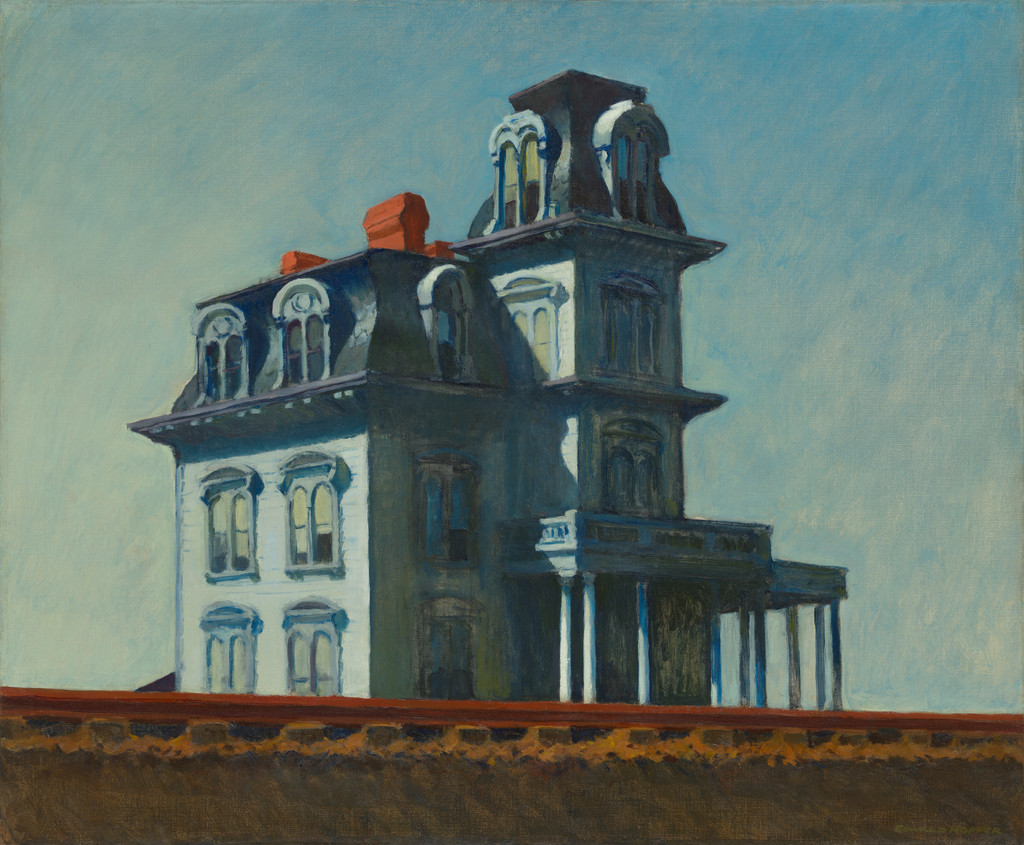
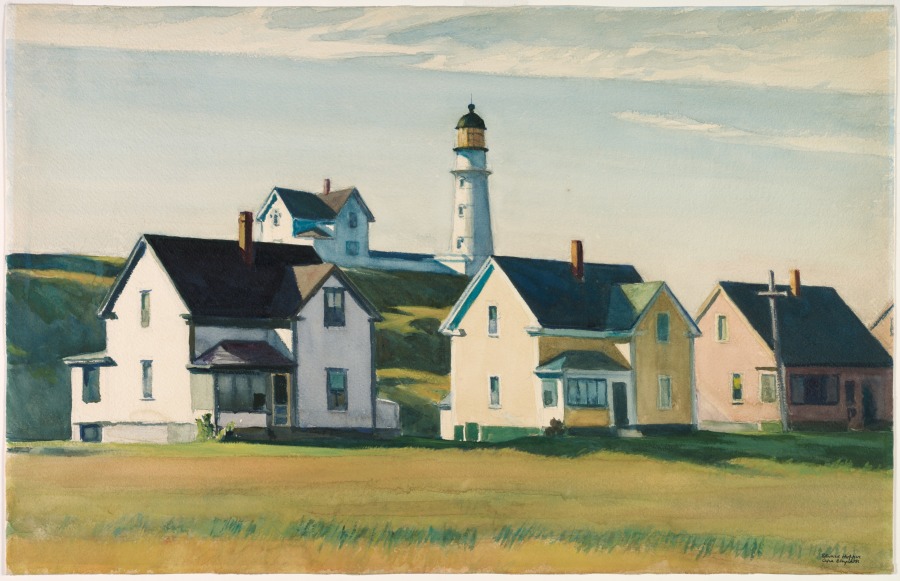
(Road in Maine)
Mag men het zien?
Ontvangt momenteel niet

New York, Verenigde Staten
Het hoort bij de collectie, maar is momenteel niet tentoongesteld.
- Gecontroleerd
- Bron
- Het museum
Gegevens
- Inventarisnummer
- 70.1201
In de catalogus
Bronnen
- Whitney Museum of American Art
- Afbeelding: Whitney Museum of American Art — © the artist or rights holder
Intussen, in het leven van Edward Hopper
Het hele leven1912
Gloucester: his first outdoor paintings in America
Seeking inspiration, Hopper travels to Gloucester, Massachusetts, and makes his first outdoor paintings in America; among them is “Squam Light”, the first of many lighthouse paintings to come.
22 February – 5 March 1912
The Independents exhibition, at Henri's initiative
From 22 February to 5 March 1912 Hopper is included in the exhibition of The Independents, a group of artists, at the initiative of Robert Henri, but makes no sales.
1913
His first sale: “Sailing” at the Armory Show
At the Armory Show in New York Hopper sells his first painting, “Sailing” (1911), painted over an earlier self-portrait, to the businessman Thomas F. Vietor for $250. The thirty-one-year-old hopes his first sale will lead to others in short order, but his career will not catch on for many more years.
1913
His father's death, and the move to 3 Washington Square North
In September 1913 his father, Garret Henry Hopper, a dry-goods merchant who had retired at forty-nine, dies; shortly afterwards Hopper moves to an apartment at 3 Washington Square North in Greenwich Village, Manhattan, where he will live for the rest of his life.
1915–1923
Turning to etching
At an impasse over his oil paintings, in 1915 Hopper turns to etching; by 1923 he has produced most of his approximately 70 etchings, many of them urban scenes of Paris and New York, as well as some posters for the war effort.
1916–1919
Monhegan Island: seascapes
Hopper paints the majority of his pure seascapes of rocks, sea and beach grass on Monhegan Island between 1916 and 1919, mostly in strong light and fair weather.