 Carrière, EugèneFrankrijk, 1849–1906
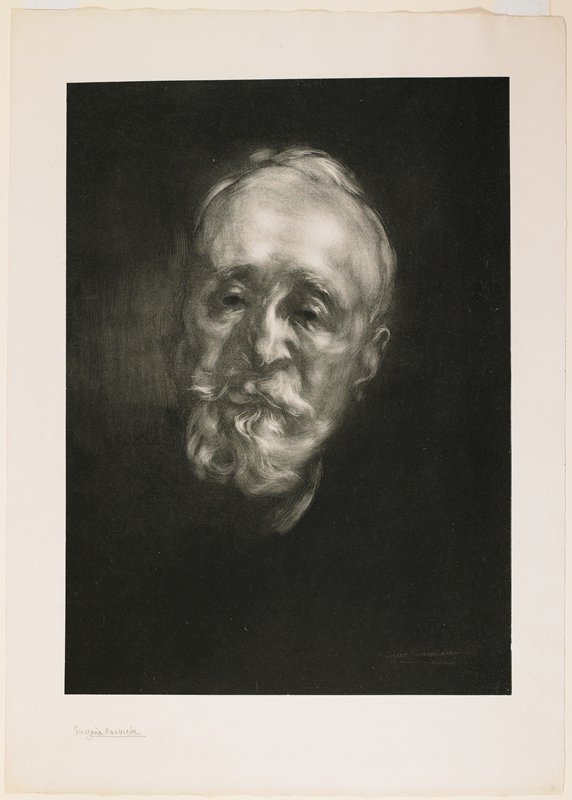
Puvis de Chavannes (Second plate)
Mag men het zien?
Ontvangt momenteel niet

Minneapolis, Verenigde Staten
Het hoort bij de collectie, maar is momenteel niet tentoongesteld.
- Gecontroleerd
- Ongewijzigd sinds
- Bron
- Het museum
Over het werk
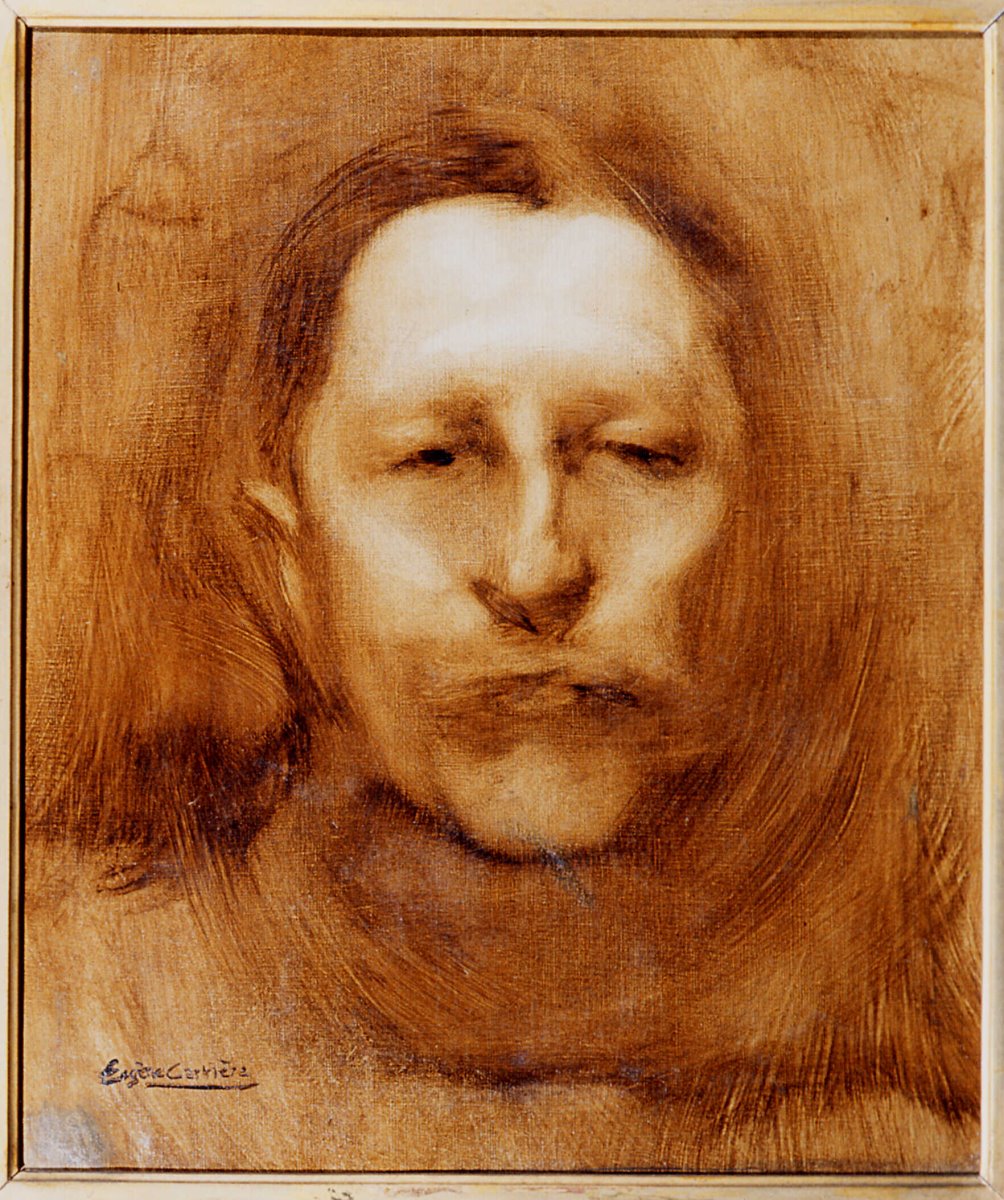
Eugène Carrière did not belong to a particular school or group of artists, however he is often linked with the Symbolists. The dreamlike reverie that pervades his work particularly appealed to Symbolist critics, who described his art as reality having the magic of dreams. The Franco-Prussian War interrupted Carrière's studies with Alexandre Cabanel at the Ecole des Beaux-Arts in 1870, but by 1873 he was working in the lithographic studio of Jules Chéret. Success eluded Carrière for quite some time and it was not until the 1890s that he began to receive awards and critical acclaim for his work. Carrière work was unlike others of his era—he cultivated a technique in which form was dissolved in a mysterious and misty haze. He used a monochromatic palette (some believe he may have been color blind), softened the focus, and enveloped his figures in a thick, dark atmosphere.
Lees meer
He relished the display of the artist's hand, and there is evidence of stroking, wiping, and scratching in the surfaces of his canvases and prints. In Puvis de Chavannes, white scratches into the dark background delineate the contours of the sitter's face and beard. In his graphics, Carrière worked from dark to light, similar to the process of a mezzotint.
Minneapolis Institute of Art
Gegevens
- Inventarisnummer
- 2009.50
In de catalogus
Bronnen
- Minneapolis Institute of Art
- Afbeelding: Minneapolis Institute of Art — public domain