 Philippe de ChampaigneFrankrijk, 1602–1674
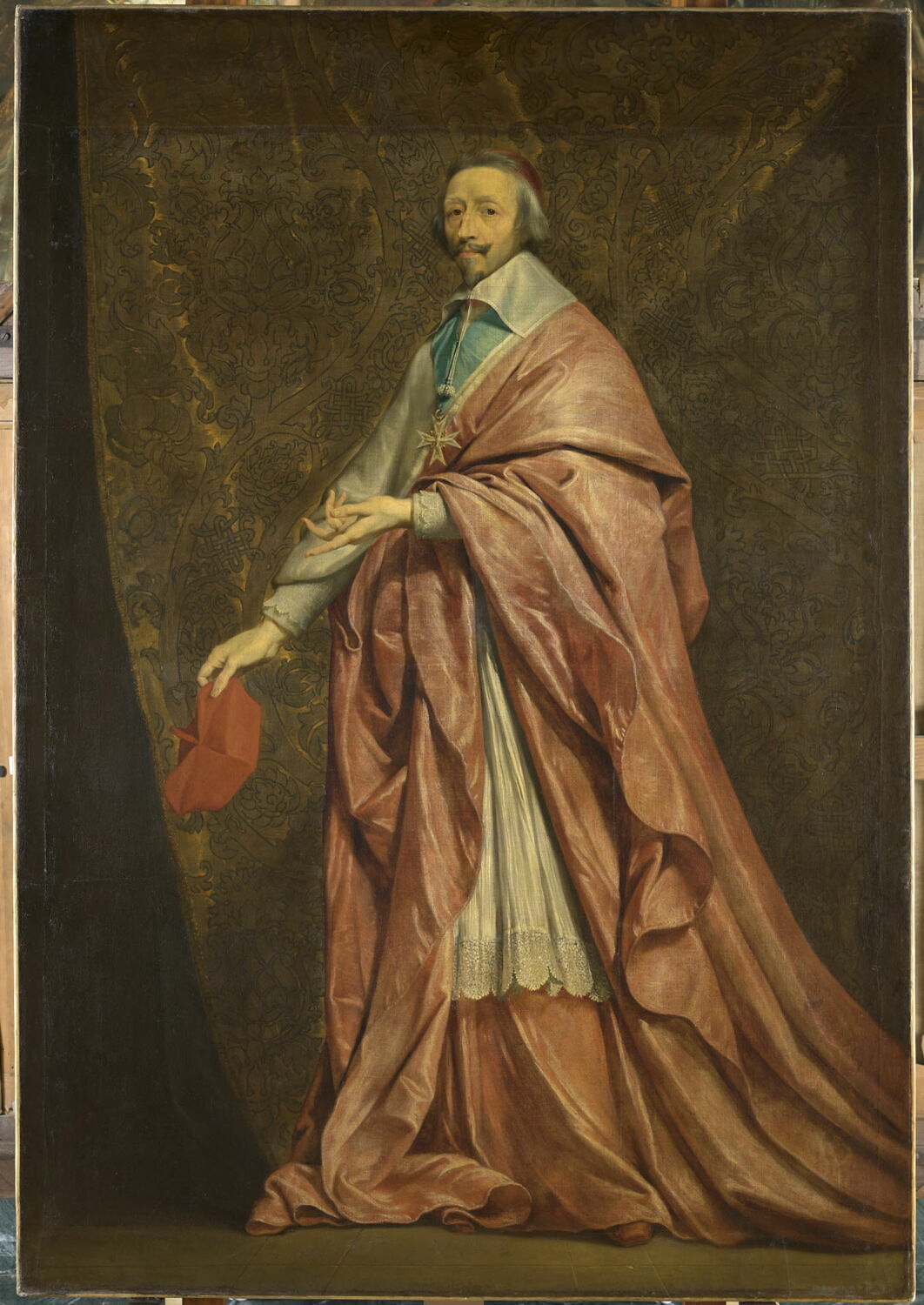
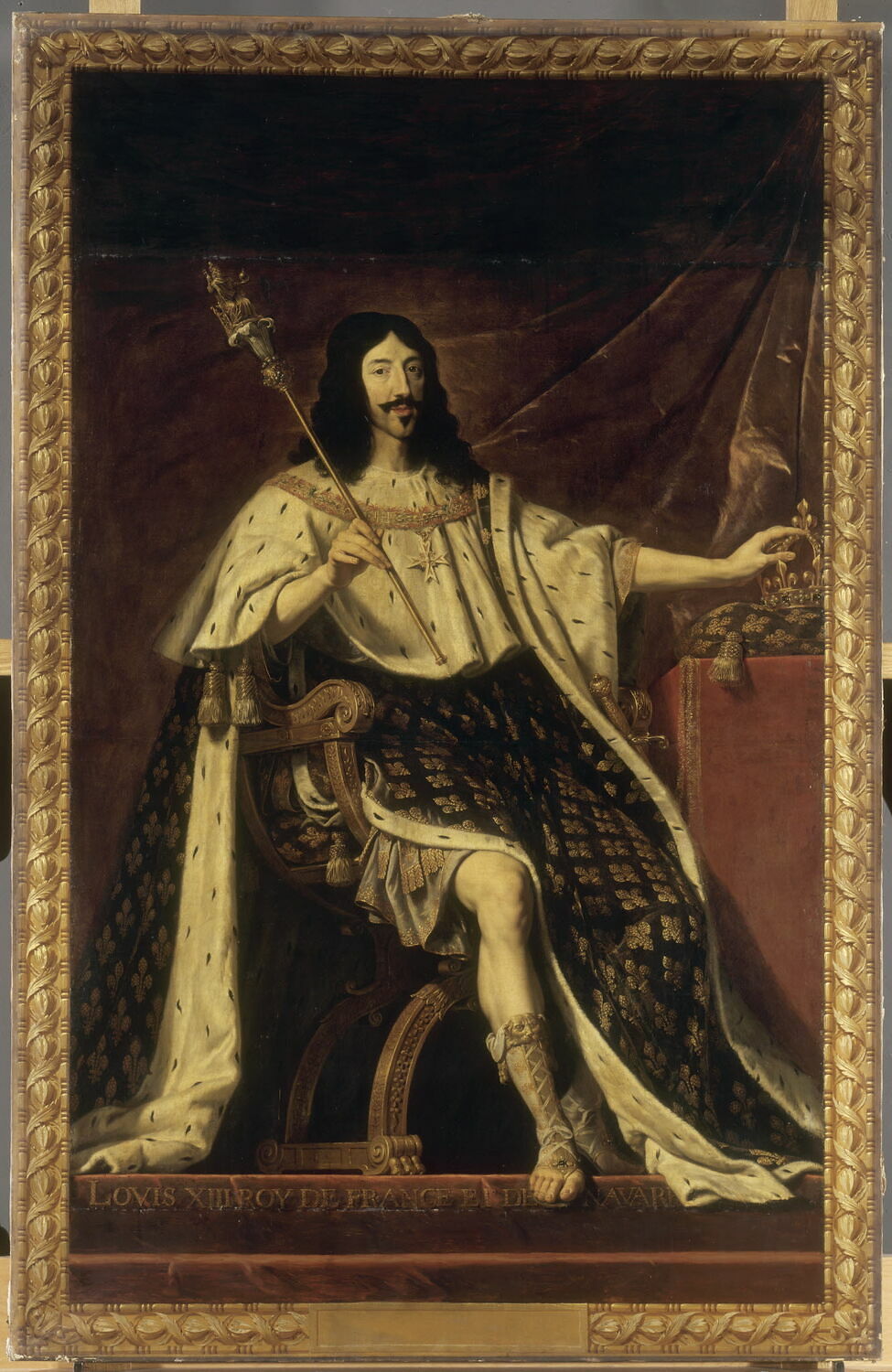
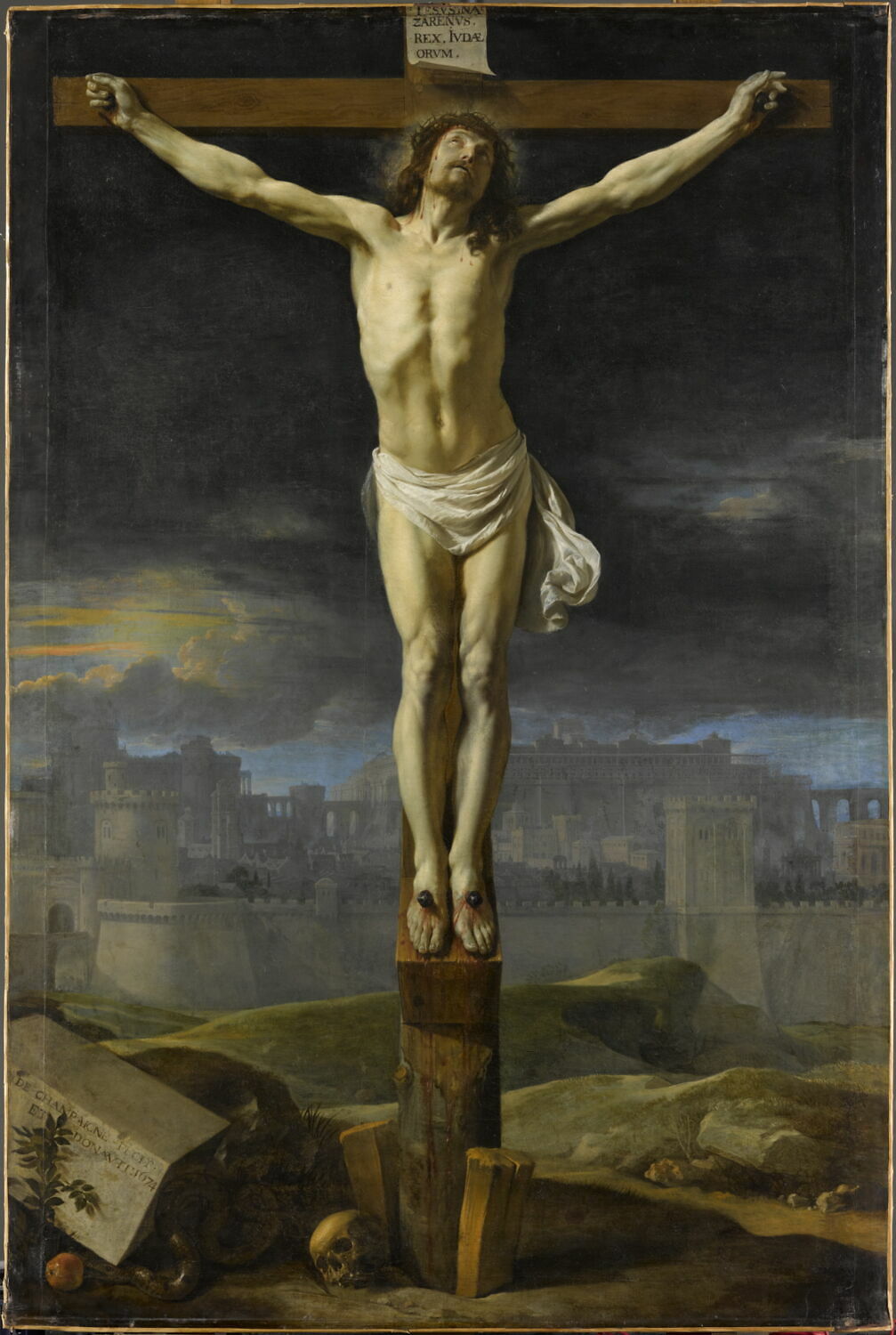
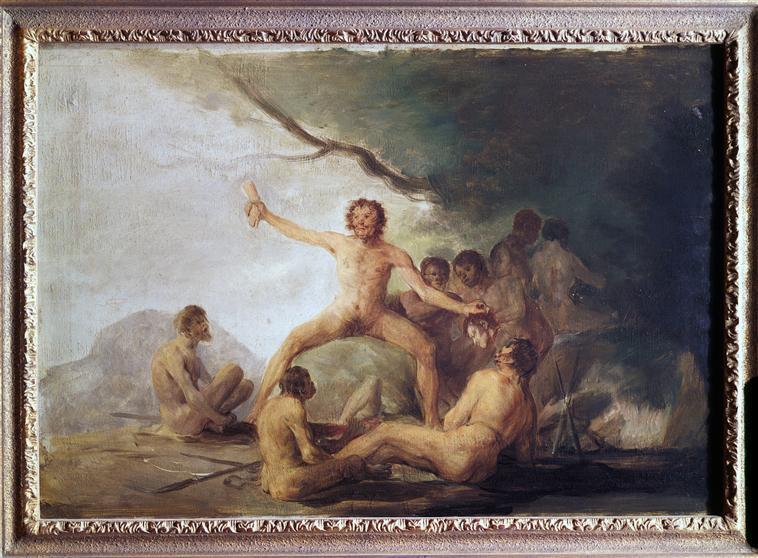
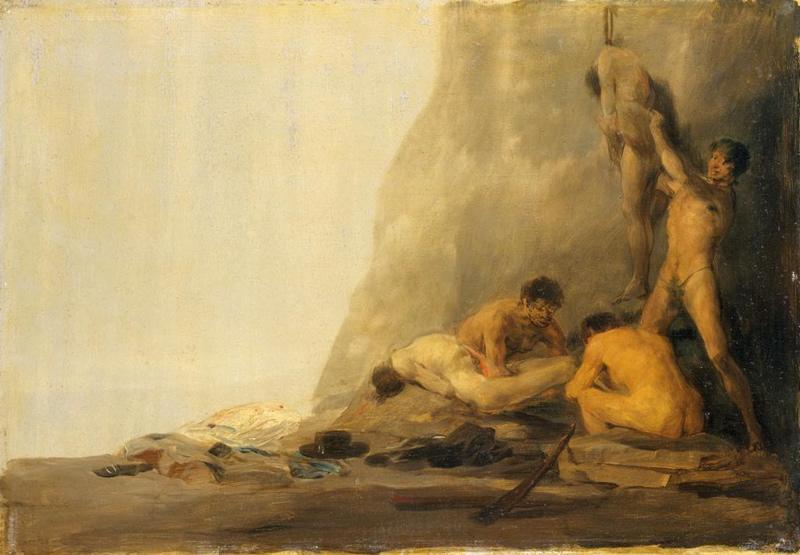
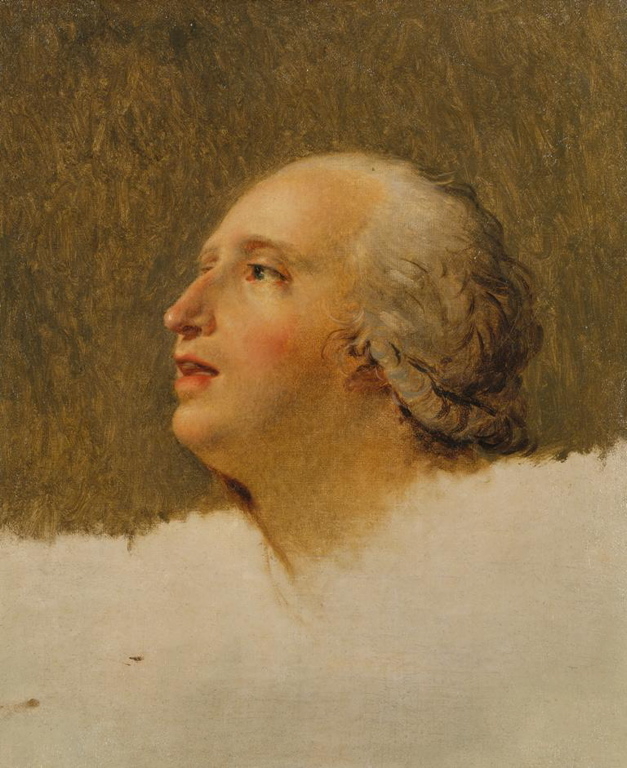
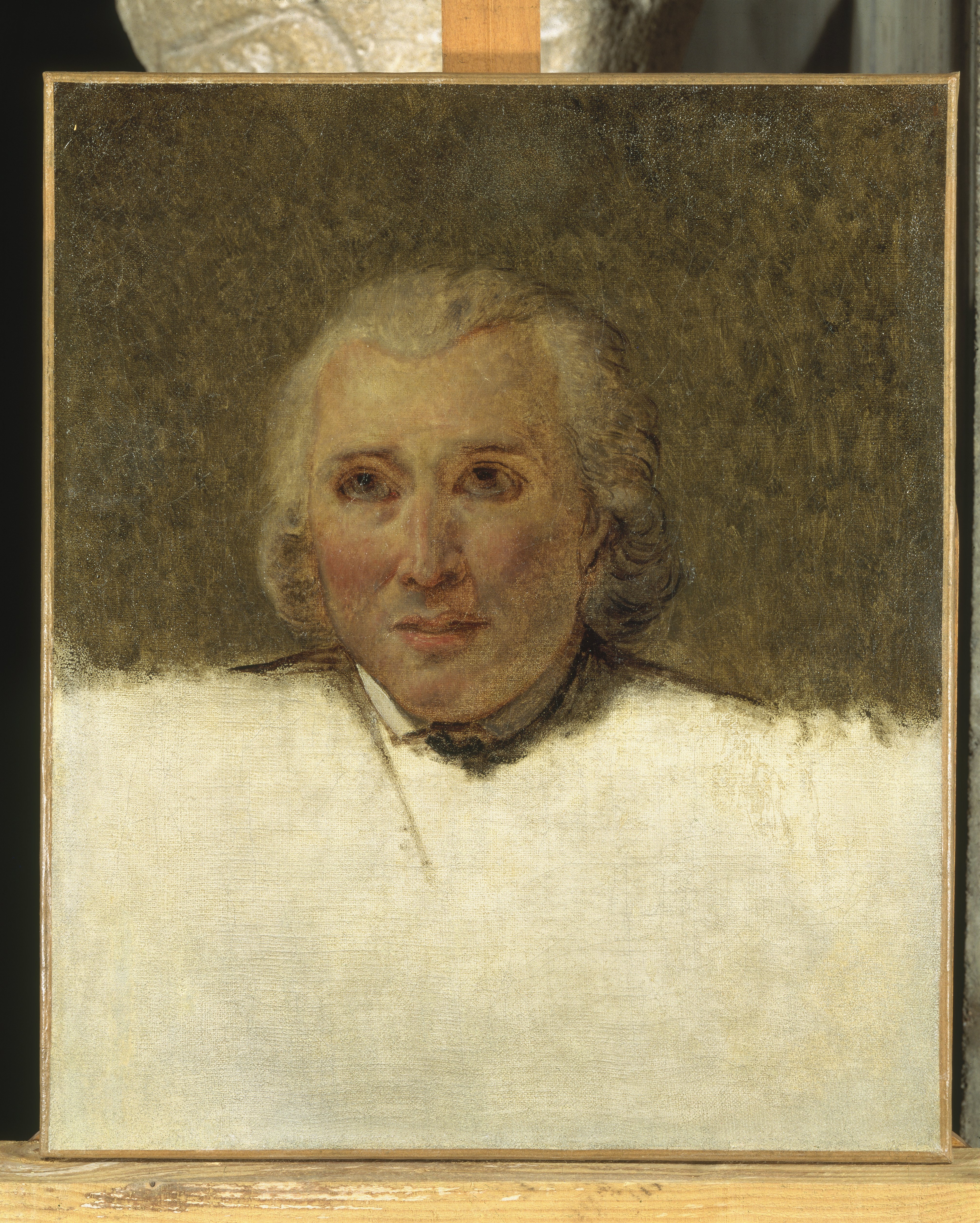
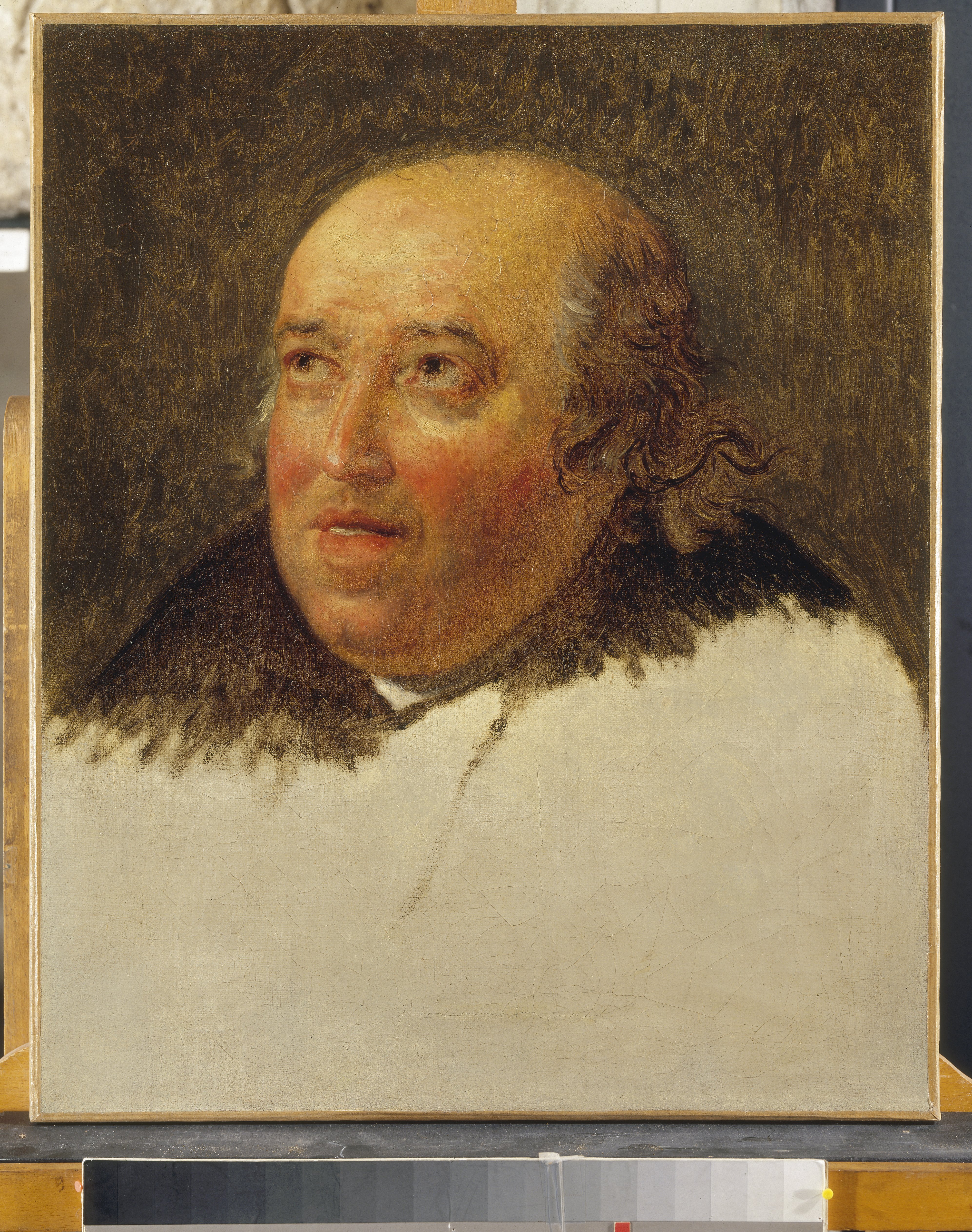
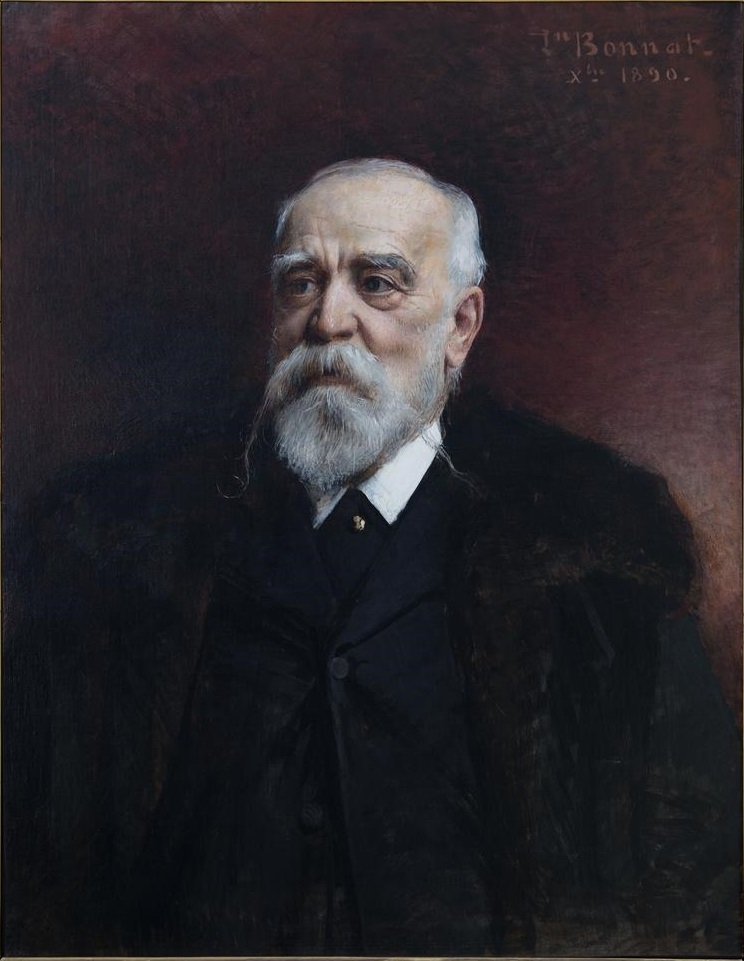
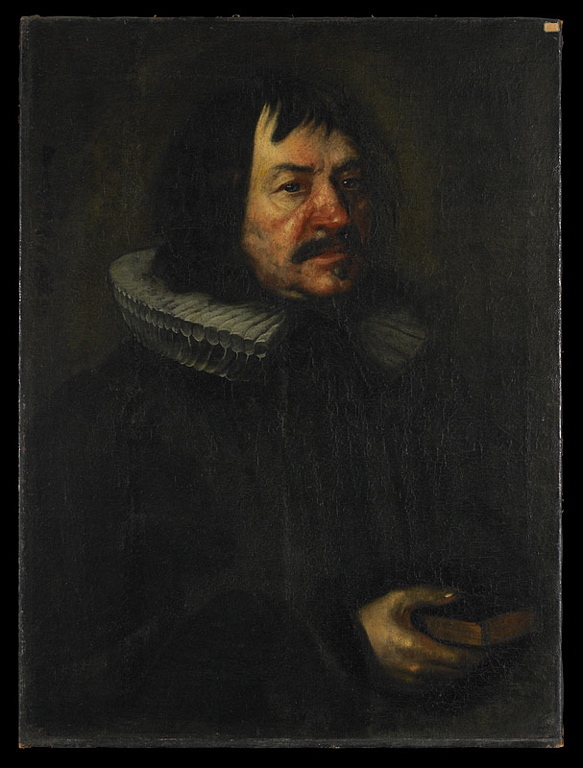
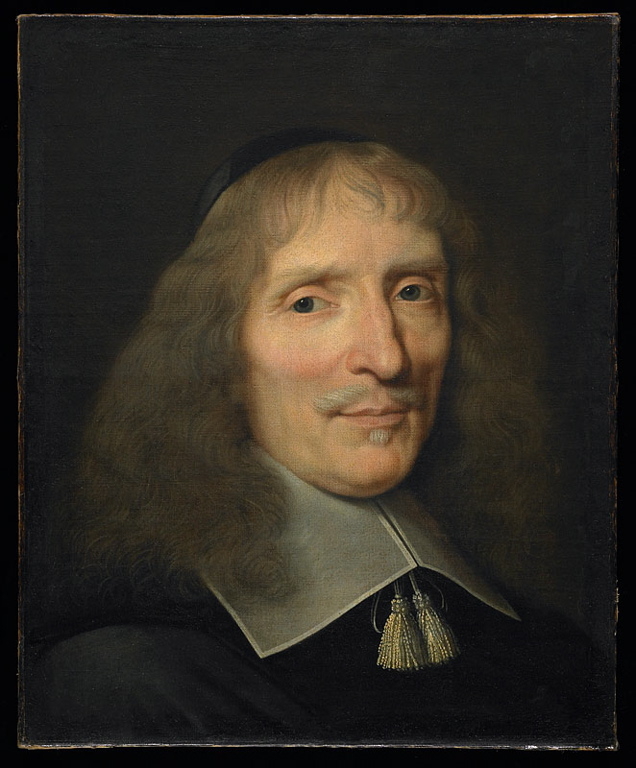
Portrait d'homme
Kan ik het zien?
Onbekend
Waar is „Portrait d'homme” nu? Collectie: Musée des Beaux-Arts et d'Archéologie, Besançon. Onbekend.
Besançon, Frankrijk
De eigenaar is bekend; of het werk nu te zien is, is onbekend.
- Ongewijzigd sinds
- Bron
- Het museum
Gegevens
- Inventarisnummer
- 853.13.1
Wat het toont
In de catalogus
Bronnen
- Musée des Beaux-Arts et d'Archéologie
- Afbeelding: Musée des Beaux-Arts et d'Archéologie — © GUENAT Pierre; Ministère de la Culture (France), base Joconde
In het leven van Philippe de Champaigne
Het hele leven26 mei 1602
Born
1621
Moves to Paris
Having turned down the chance to visit Italy and to join Rubens' studio, Champaigne moved to Paris in 1621, where he worked as an independent master from about 1624.
1628
Marries Nicolas Duchesne's daughter
According to Houbraken, Duchesne resented Champaigne's growing popularity at court, so Champaigne went back to Brussels to live with his brother; only on hearing of Duchesne's death did he return to marry his daughter. Succeeding Duchesne, he became the Queen's Painter with a salary of 1,200 livres.
1640
Comes under the influence of Jansenism
From 1640 onward, in the later part of his life, Champaigne came under the influence of Jansenism.
1648
A founder of the Royal Academy
Champaigne was one of the founding members of the Académie royale de peinture et de sculpture, the premier art institution of Ancien Régime France.
12 augustus 1674
Died