ART WIKI32.963 te zien
KaartCollectieKunstenaarsMuseaTentoonstellingenJournal
Inloggen

ART WIKI

Waar het meesterwerk hangt en wanneer men u toelaat.

Collecties: Art Institute of Chicago, Cleveland Museum of Art, Getty Villa, Harvard Art Museums, Hermitage, Hirshhorn Museum and Sculpture Garden, J. Paul Getty Museum, Louvre, Metropolitan Museum of Art, Minneapolis Institute of Art, Museum of Modern Art, National Gallery of Art, National Museum of Asian Art, National Portrait Gallery, Poesjkinmuseum, Rijksmuseum Amsterdam, Russisch Museum, Smithsonian American Art Museum, Statens Museum for Kunst, Tretjakovgalerij, Victoria and Albert Museum, Whitney Museum of American Art, Staatscatalogus van het Russische museumfonds (274 musea), Europeana (19 musea), Wikidata (6 musea), Paris Musées (12 musea) en Joconde, de museumdatabank van het Franse ministerie van Cultuur (495 musea). De afbeeldingen behoren toe aan hun rechthebbenden.

Rubrieken

  • Kaart
  • Zoeken
  • Collectie
  • Meesterwerken
  • Nu te zien
  • Kunstenaars

Meer

  • Musea & galerieën
  • Tentoonstellingen
  • Journal
  • Waar de gegevens vandaan komen
  • Privacy & cookies
StartpaginaKaartCatalogus
  1. Collectie/
  2. Louvre/
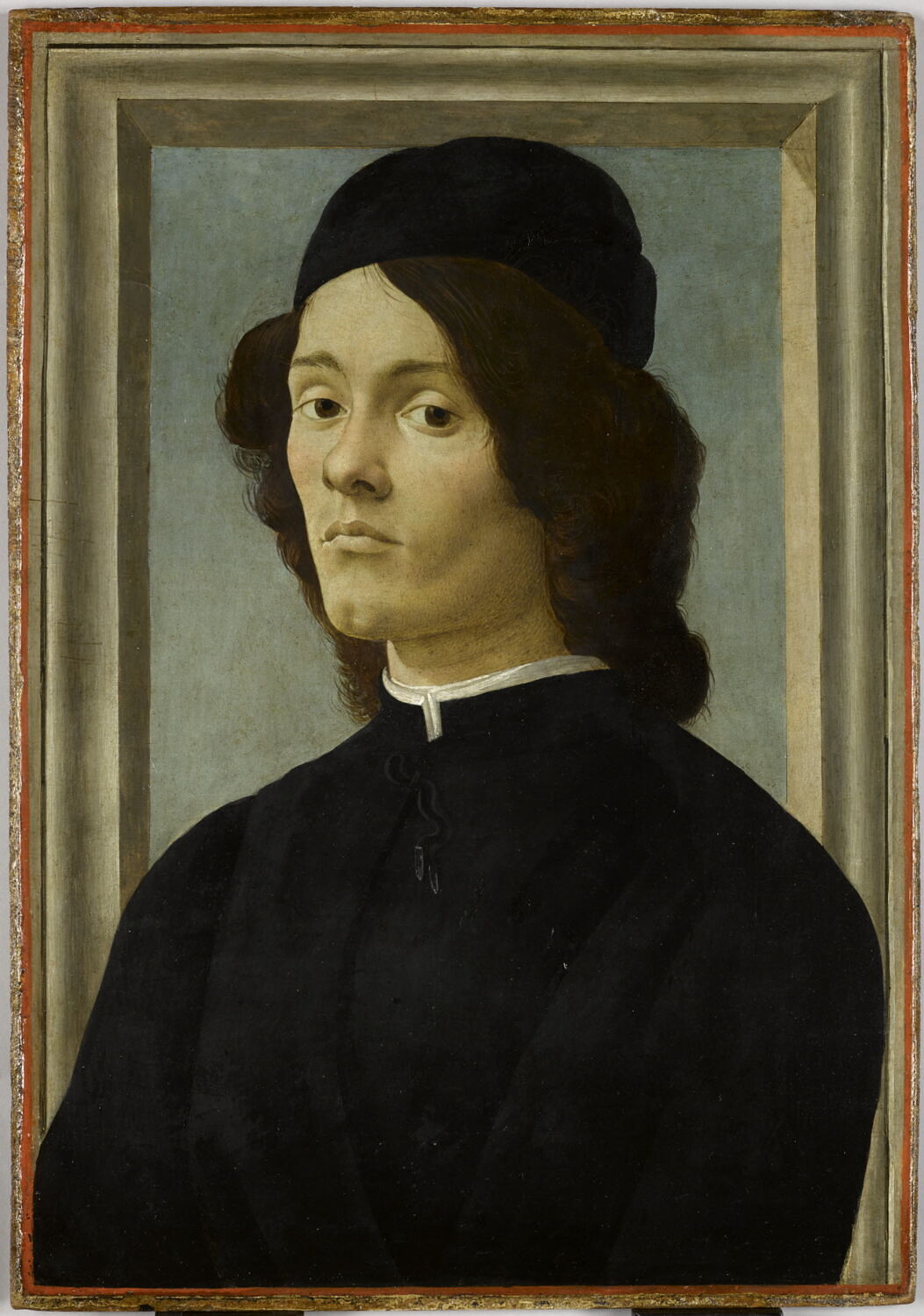
  3. Portrait d'homme
Portrait d'homme, Botticelli, Sandro, 4e quart du XVe siècle (1475 - 1500)
Sandro Botticelli, portretSandro BotticelliItalië, 1445–1510

Portrait d'homme

4e quart du XVe siècle (1475 - 1500) · Peintures

Gegevens

4e quart du XVe siècle (1475 - 1500)
14451510
Inventarisnummer
RF 323

Intussen, in het leven van Sandro Botticelli

Het hele leven
  1. 1474

    Invited to Pisa: the Camposanto frescoes

    At the start of 1474 the authorities of Pisa asked Botticelli to join the frescoing of the Camposanto, a large prestigious project carried out mostly by Benozzo Gozzoli. Payments up to September are recorded but no work survives, and whatever he began seems to have been left unfinished; being approached from outside Florence shows his growing reputation.

  2. 1478–1479

    The Pazzi conspiracy and the fresco of the executions

    After the Pazzi conspiracy of 1478, in which Giuliano de' Medici was assassinated, Botticelli painted for Florence's customs house a large fresco of the hanging of the plot's leaders, a “pittura infamante” with which Florence humiliated traitors. It was his first major fresco commission; the figure of Francesco Salviati, Archbishop of Pisa, was removed in 1479 after protests from the Pope.

  3. 1480s

    Lorenzo's circle: Ficino, Pico, Poliziano

    Botticelli frequented Lorenzo the Magnificent's Platonic Academy, where he met the humanists, poets and philosophers Marsilio Ficino, Pico della Mirandola and Angelo Poliziano; the influence of Neoplatonism shows in his secular paintings.

  4. 1481

    Summoned to Rome: the Sistine Chapel

    In 1481 Pope Sixtus IV summoned Botticelli and other prominent Florentine and Umbrian artists to fresco the walls of the newly completed Sistine Chapel; the Florentine contribution is thought to be part of a peace deal between Lorenzo de' Medici and the papacy. Botticelli painted three of the fourteen large scenes — the Temptations of Christ, the Youth of Moses and the Punishment of the Sons of Corah — and a large share of the imagined portraits of popes.

Meer van Sandro Botticelli

Alle werken

In dezelfde zaal · Salle 708, Aile Denon, Niveau 1, Louvre

Museumpagina
  • 1490–1498

    Savonarola's preaching and Botticelli

    From 1490 Savonarola preached in Florence; according to Vasari, Botticelli became his follower, gave up painting and fell into hardship. Modern historians reject this, and the extent of the preacher's influence remains uncertain — Botticelli's brother Simone was the clearer follower.

  • 1498

    The execution of Savonarola

    In 1498 Savonarola was seized, accused of heresy and sentenced to death; these events shook Botticelli deeply.

  • Mag men het zien?

    Ja, het ontvangt bezoek

    Louvre

    Parijs, Frankrijk

    Zaal708, Aile Denon, Niveau 1

    Publiek tentoongesteld. Wie daarvoor instaat, staat hieronder.

    Gecontroleerd
    12 dagen geleden
    Ongewijzigd sinds
    26 sep 2026
    Bron
    Het museum
    Op de kaartMuseumpagina

    In de catalogus

    SchilderijenTemperaItaliaanse schilderkunstRenaissance15e eeuw

    Bronnen

    • Louvre
    • Afbeelding: Louvre — © 2017 GrandPalaisRmn (musée du Louvre) / Franck Raux
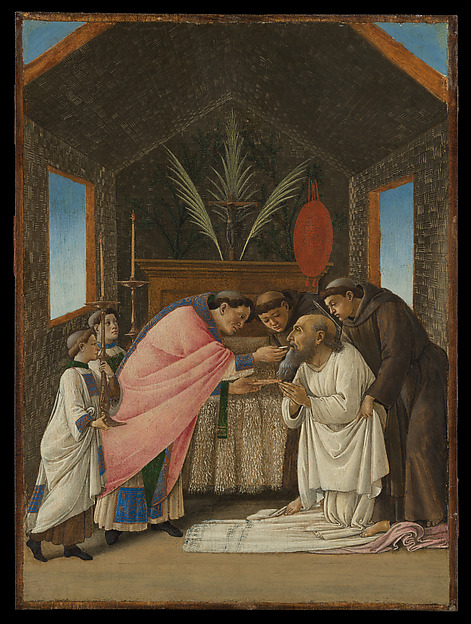
    The Last Communion of Saint Jerome, Botticelli, early 1490s

    The Last Communion of Saint Jerome

    early 1490s · Metropolitan Museum of Art

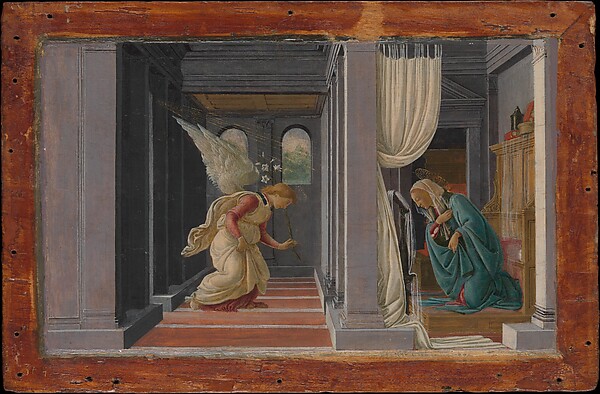
    The Annunciation, Botticelli, ca. 1490

    The Annunciation

    ca. 1490 · Metropolitan Museum of Art

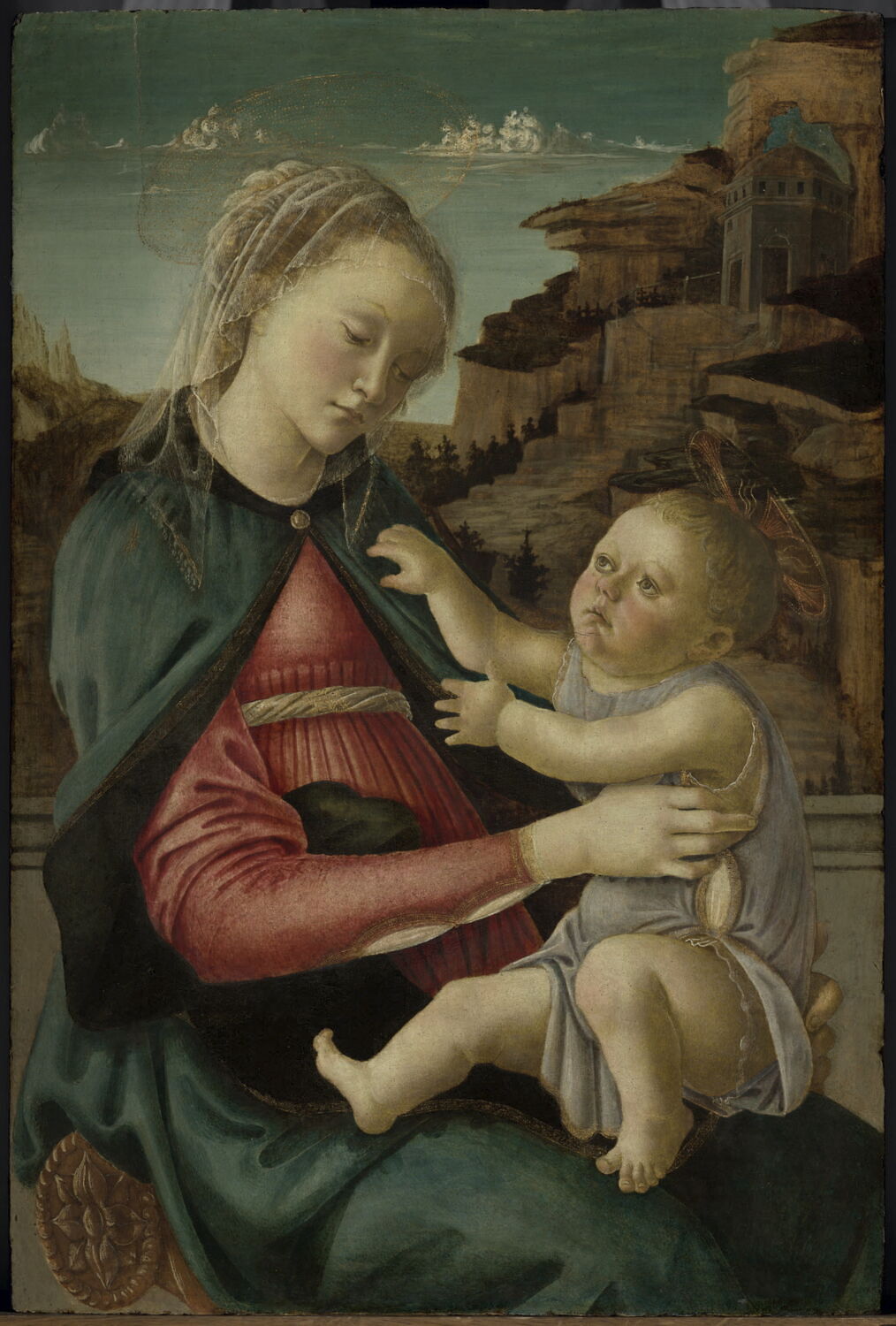
    La Vierge et l'Enfant, dite Madone des Guidi de Faenza, Botticelli, Sandro, 3e quart du XVe siècle (1450 - 1475)

    La Vierge et l'Enfant, dite Madone des Guidi de Faenza

    3e quart du XVe siècle (1450 - 1475) · Louvre

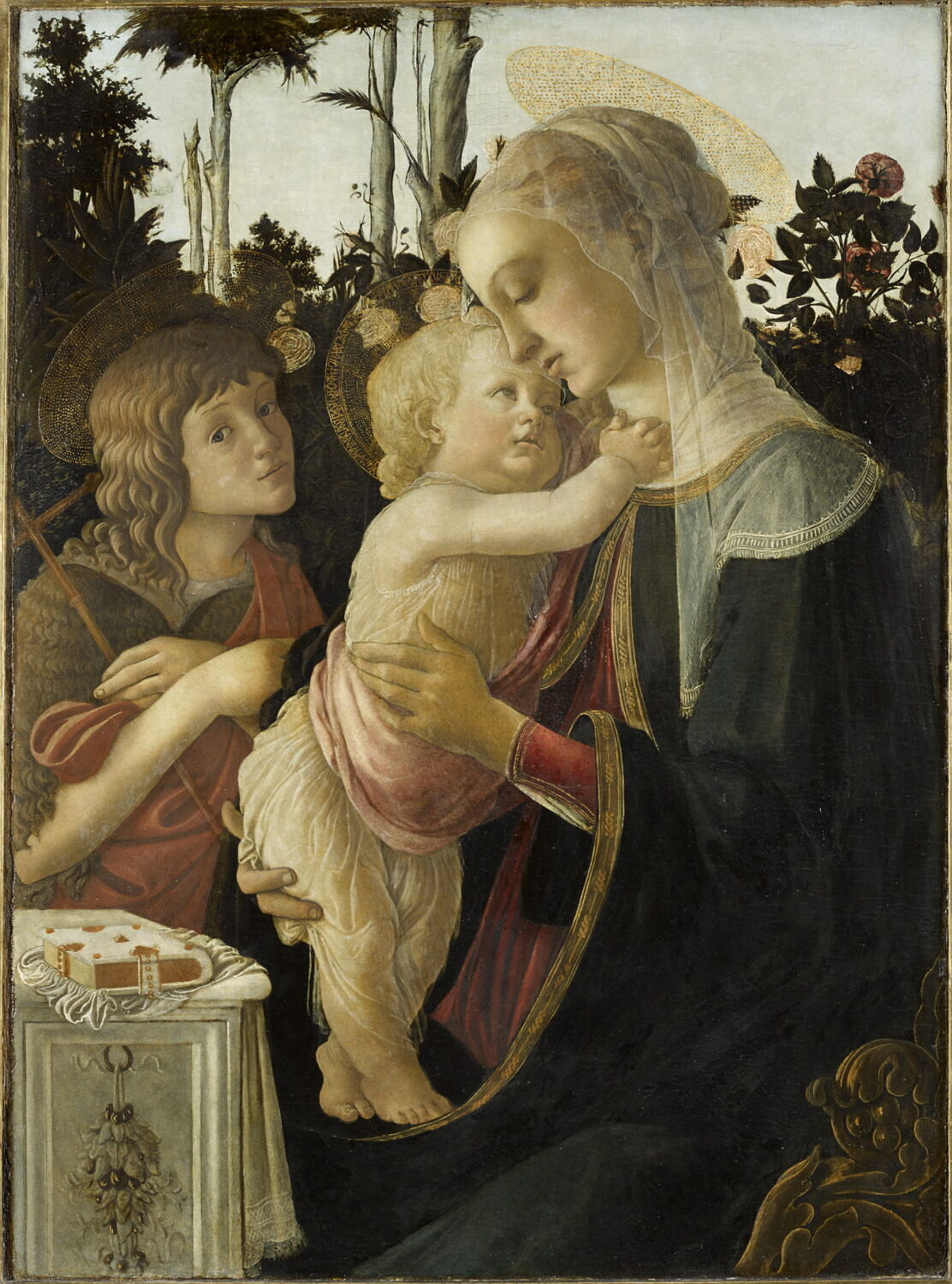
    La Vierge et l'Enfant avec le jeune saint Jean Baptiste, Botticelli, Sandro, 3e quart du XVe siècle (1450 - 1475)

    La Vierge et l'Enfant avec le jeune saint Jean Baptiste

    3e quart du XVe siècle (1450 - 1475) · Louvre

    Madonna and Child, Sandro Botticelli, c. 1470

    Madonna and Child

    c. 1470 · National Gallery of Art

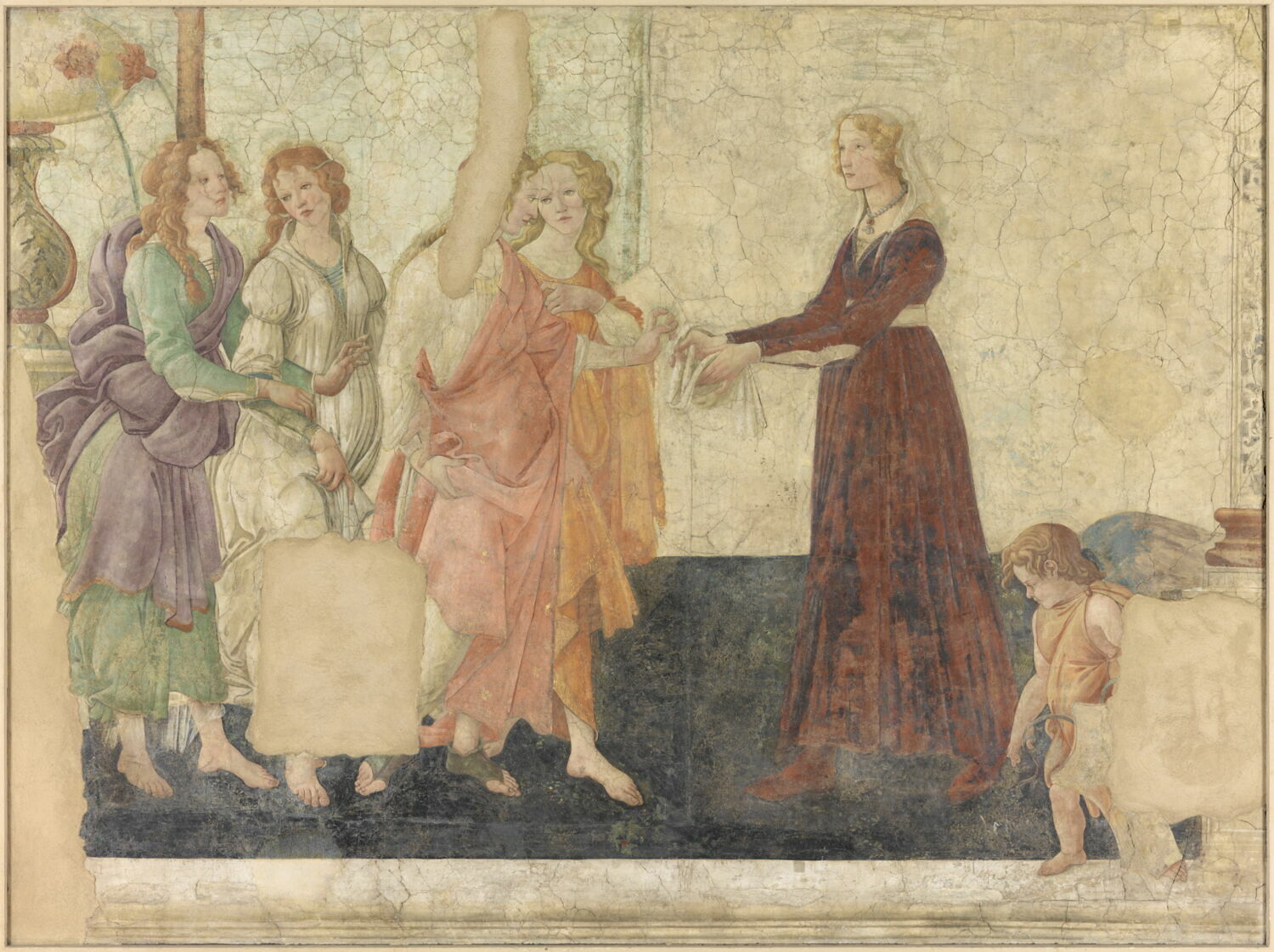
    Vénus et les trois Grâces offrant des présents à une jeune fille, Botticelli, Sandro, 4e quart du XVe siècle (1475 - 1500)

    Vénus et les trois Grâces offrant des présents à une jeune fille

    4e quart du XVe siècle (1475 - 1500) · Louvre

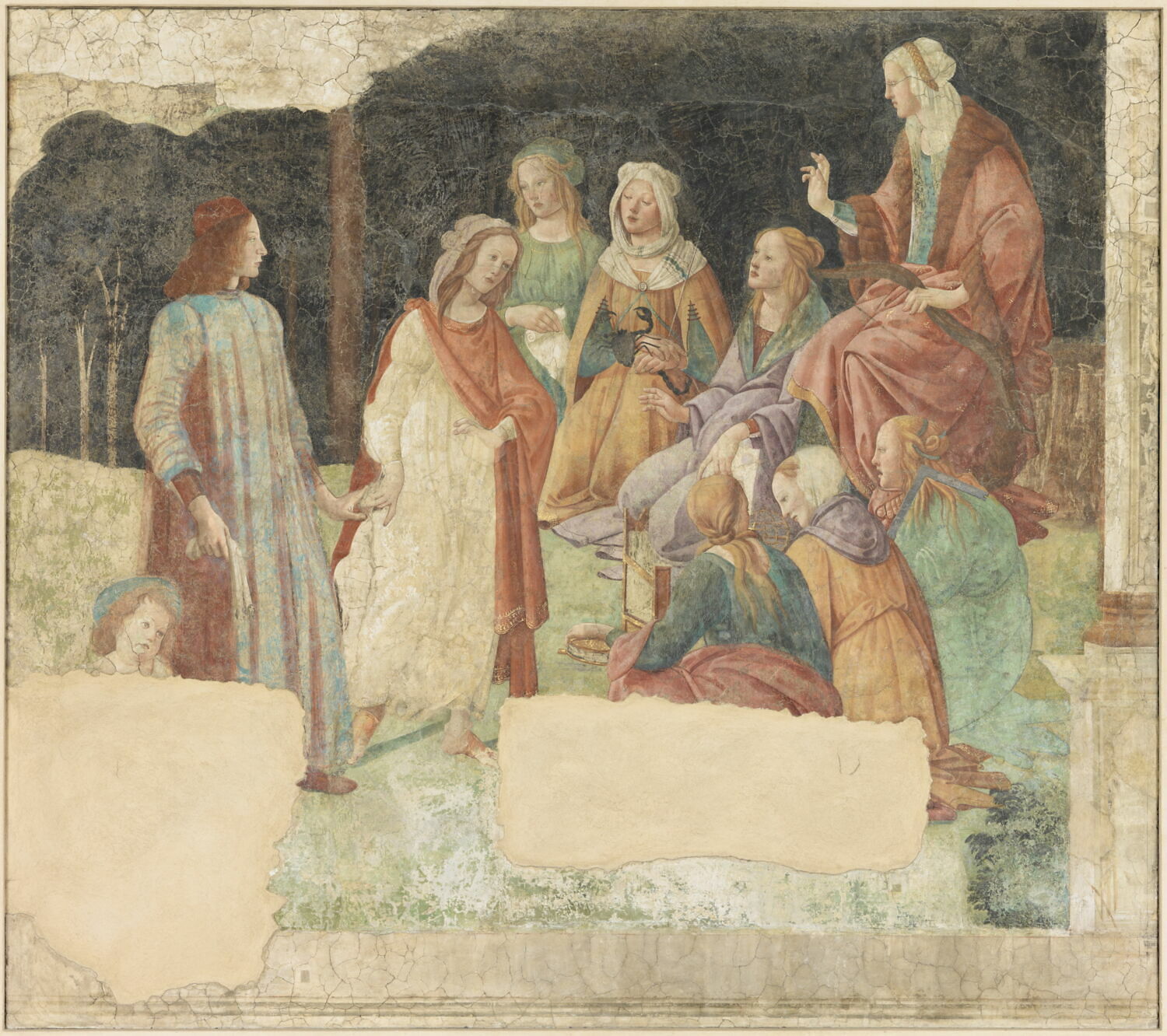
    Un jeune homme présenté par Vénus (?) aux sept Arts Libéraux, Botticelli, Sandro, 4e quart du XVe siècle (1475 - 1500)

    Un jeune homme présenté par Vénus (?) aux sept Arts Libéraux

    4e quart du XVe siècle (1475 - 1500) · Louvre

    Giuliano de' Medici, Sandro Botticelli, c. 1478/1480

    Giuliano de' Medici

    c. 1478/1480 · National Gallery of Art

    La Vierge et l'Enfant, dite Madone des Guidi de Faenza, Botticelli, Sandro, 3e quart du XVe siècle (1450 - 1475)

    Sandro Botticelli

    La Vierge et l'Enfant, dite Madone des Guidi de Faenza, 3e quart du XVe siècle (1450 - 1475)

    La Vierge et l'Enfant avec le jeune saint Jean Baptiste, Botticelli, Sandro, 3e quart du XVe siècle (1450 - 1475)

    Sandro Botticelli

    La Vierge et l'Enfant avec le jeune saint Jean Baptiste, 3e quart du XVe siècle (1450 - 1475)

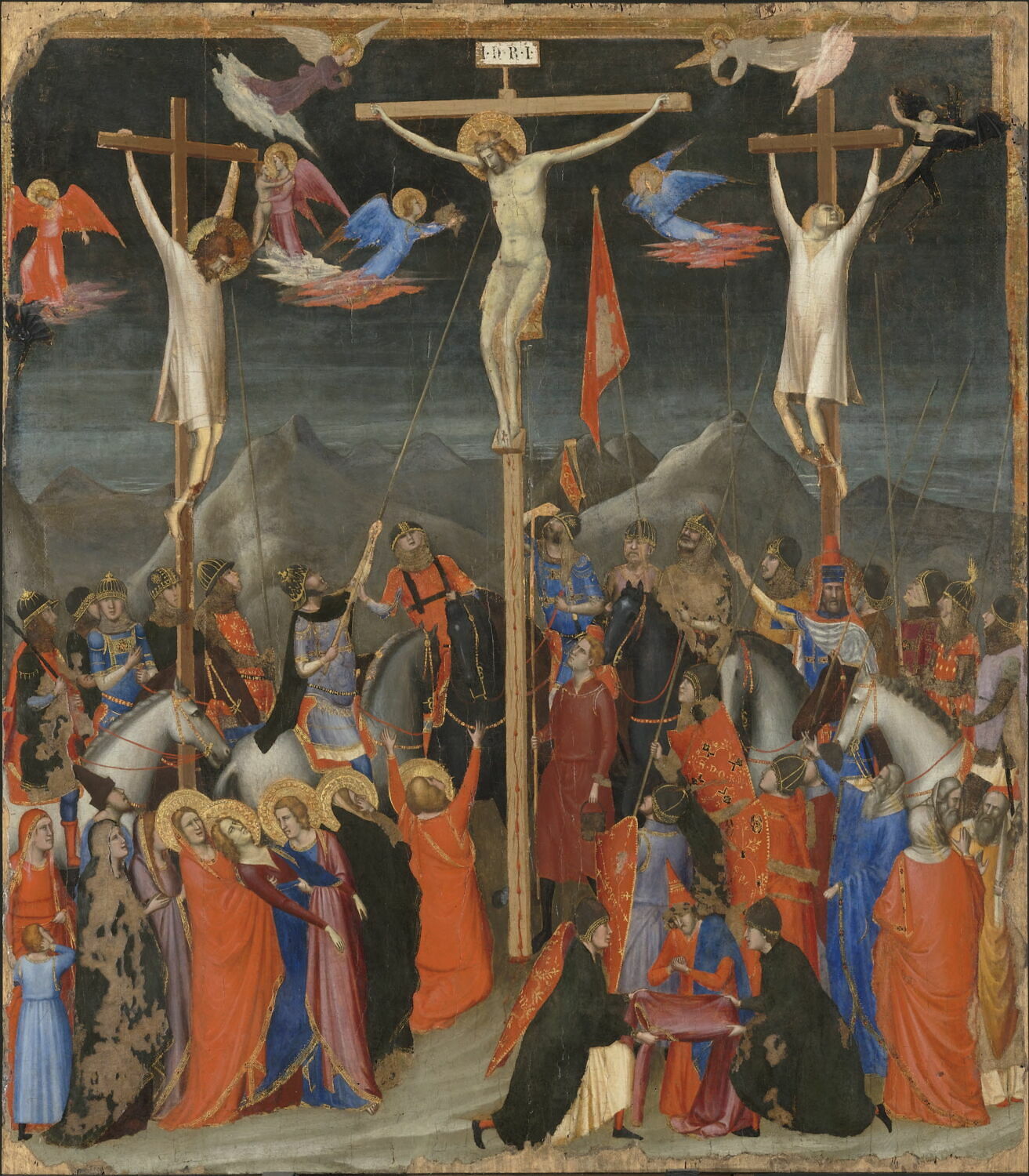
    La Crucifixion, Giotto di Bondone, XIVe siècle (1300 - 1400)

    Giotto

    La Crucifixion, XIVe siècle (1300 - 1400)

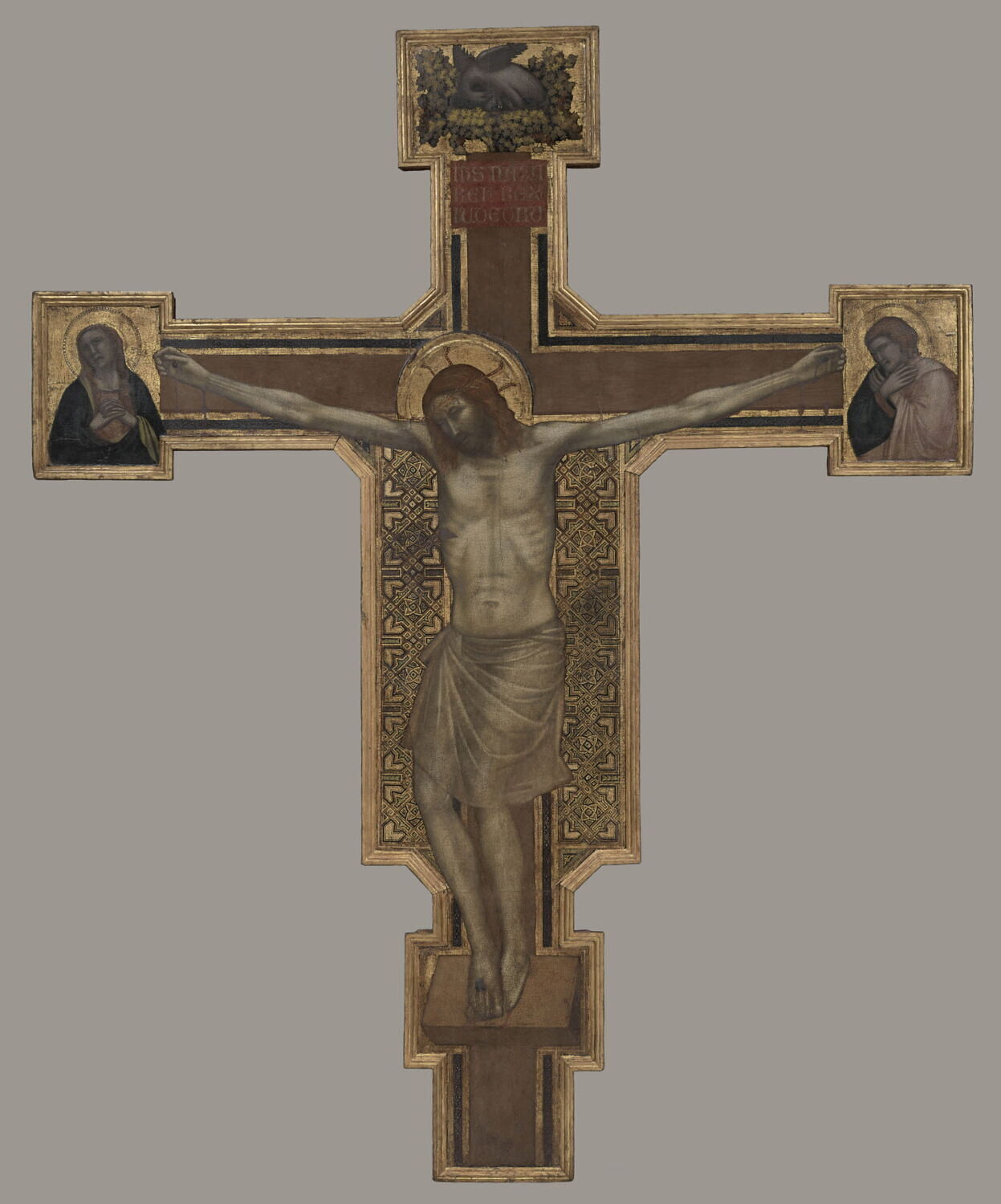
    Croix peinte, Giotto di Bondone, 1e quart du XIVe siècle (1300 - 1325)

    Giotto

    Croix peinte, 1e quart du XIVe siècle (1300 - 1325)

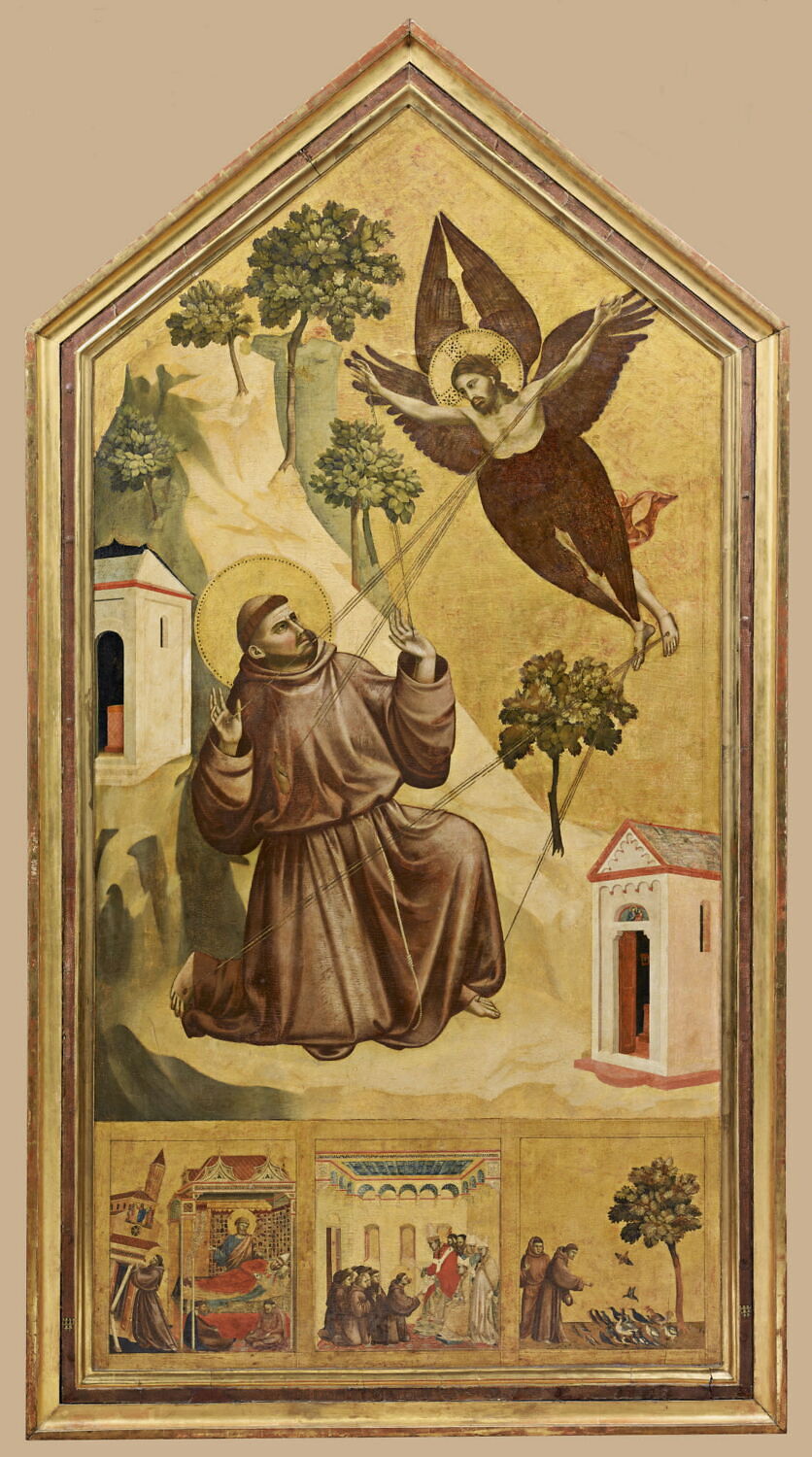
    Saint François d'Assise recevant les stigmates, Giotto di Bondone, 1e quart du XIVe siècle (1300 - 1325)

    Giotto

    Saint François d'Assise recevant les stigmates, 1e quart du XIVe siècle (1300 - 1325)

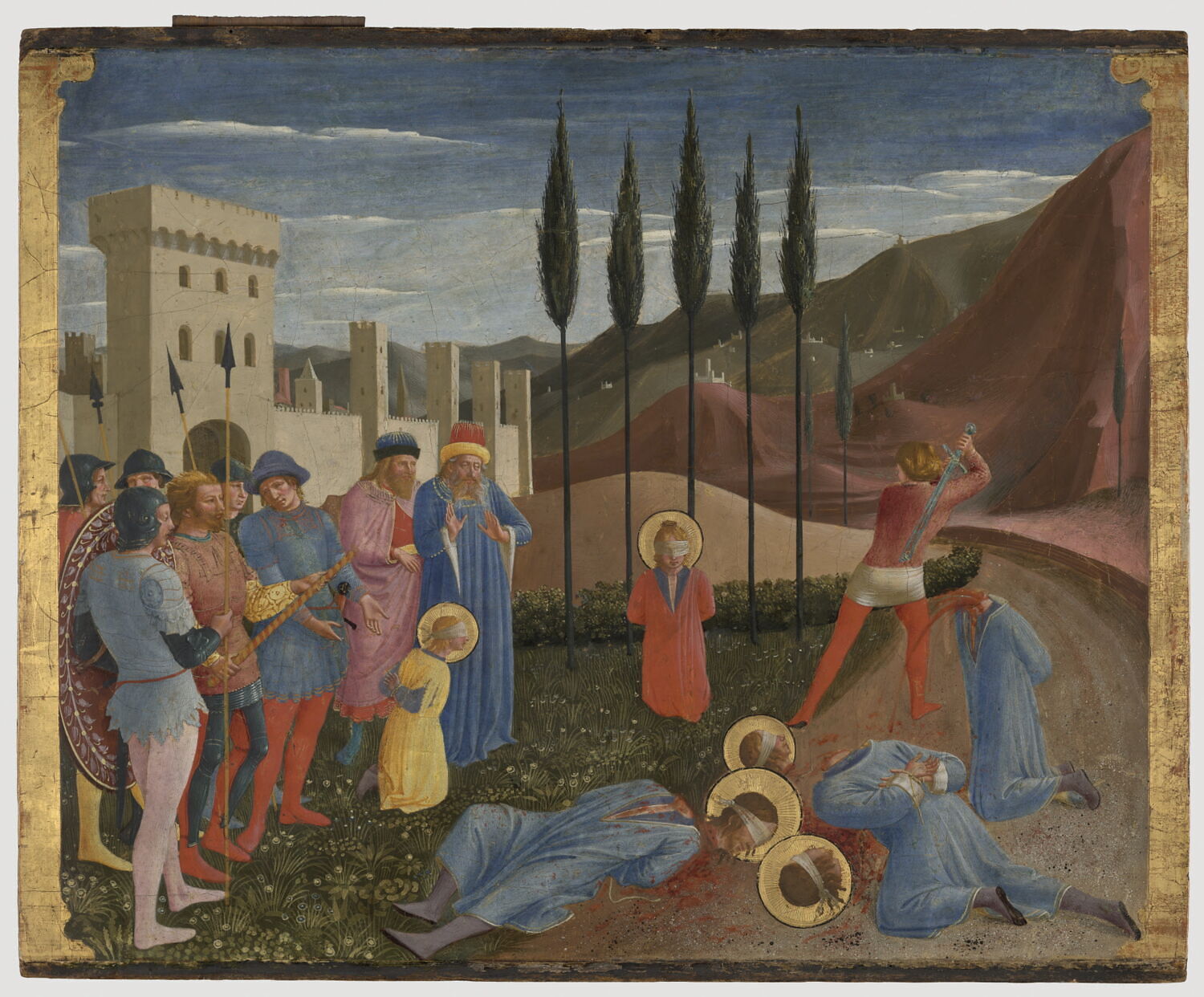
    Le Martyre des saints Cosme et Damien, Fra Angelico, 2e quart du XVe siècle (1425 - 1450)

    Fra Angelico

    Le Martyre des saints Cosme et Damien, 2e quart du XVe siècle (1425 - 1450)

    Le Couronnement de la Vierge, Fra Angelico, 2e quart du XVe siècle (1425 - 1450)

    Fra Angelico

    Le Couronnement de la Vierge, 2e quart du XVe siècle (1425 - 1450)

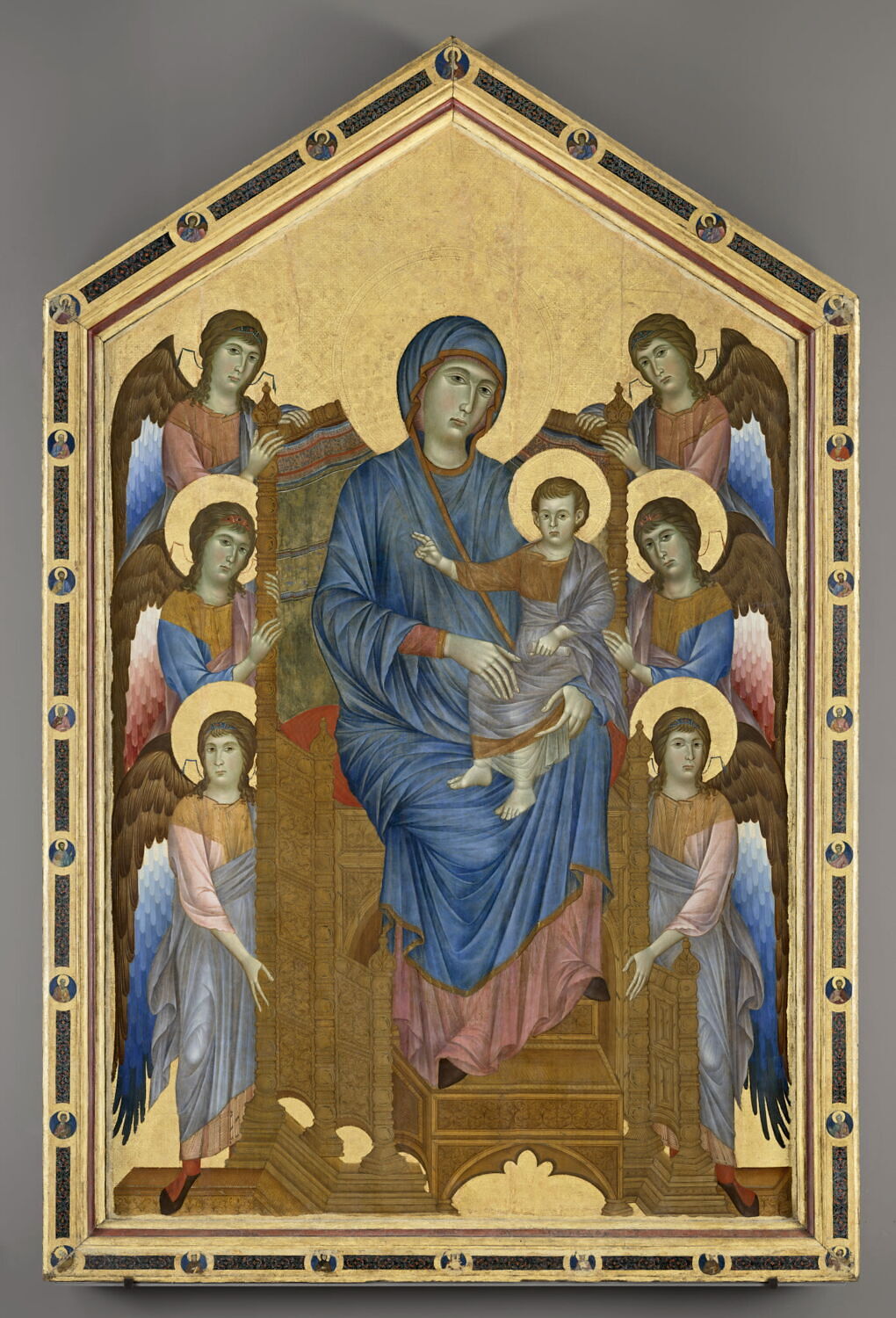
    La Vierge et l'Enfant en majesté entourés de six anges (Maestà), Cimabue, 4e quart du XIIIe siècle (1275 - 1300)

    Cimabue

    La Vierge et l'Enfant en majesté entourés de six anges (Maestà), 4e quart du XIIIe siècle (1275 - 1300)