Eugène DelacroixFrankrijk, 1798–1863
Polonius et Hamlet (Act. II. Sc. II)
Kan ik het zien?
Onbekend
Waar is „Polonius et Hamlet (Act. II. Sc. II)” nu? Collectie: Albertina, Wenen. Onbekend.

Wenen, Oostenrijk
De eigenaar is bekend; of het werk nu te zien is, is onbekend.
- Ongewijzigd sinds
- Bron
- Het museum
Gegevens
In de catalogus
Bronnen
- Albertina
- Afbeelding: Albertina — Public Domain Mark 1.0
In het leven van Eugène Delacroix
Het hele leven1832
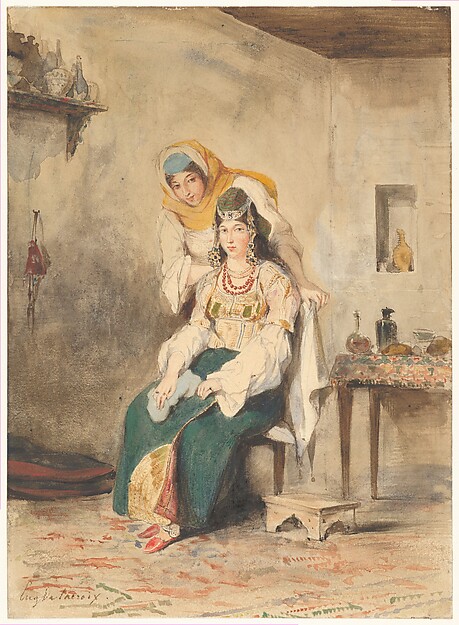
Journey to Spain and North Africa
As part of the diplomatic mission of Charles-Edgar de Mornay, Delacroix traveled to Morocco shortly after the French conquest of Algeria. The journey proved a turning point: he made dozens of sketches, and his impressions of North Africa nourished his art for the rest of his life.
1832
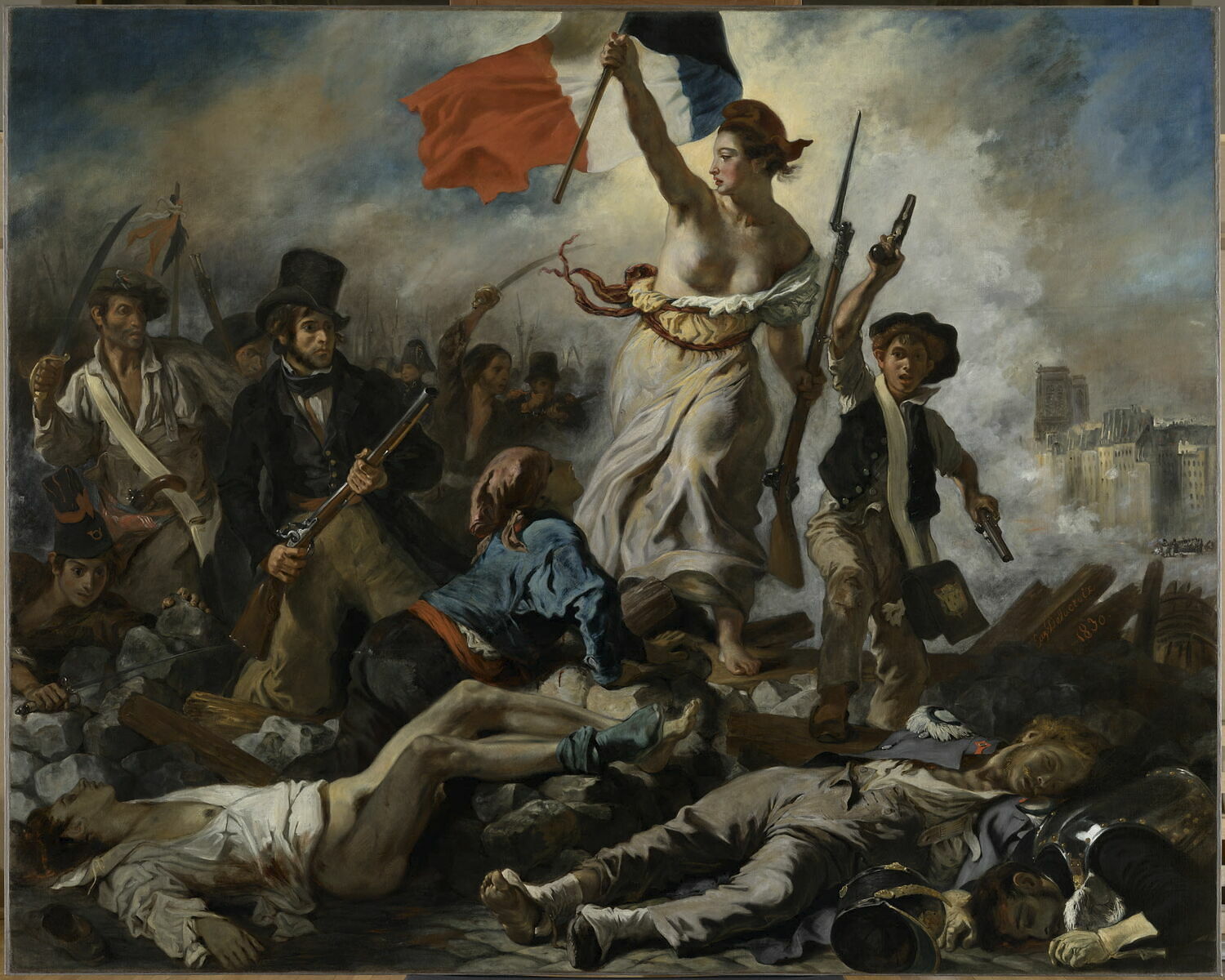
"Liberty" Removed from Public Display
By 1832 officials had deemed the painting's glorification of liberty too provocative and removed it from public display; nevertheless Delacroix continued to receive state commissions.
1833
Beginning of the Friendship with Marie-Élisabeth Blavot-Boulanger
In 1833 Delacroix formed a friendship with the painter Marie-Élisabeth Blavot-Boulanger that lasted the rest of his life.
1833–1837
Decoration of the Salon du Roi in the Palais Bourbon
From 1833 Delacroix received numerous commissions to decorate the public buildings of Paris; the first was his work on the Salon du Roi in the Chamber of Deputies at the Palais Bourbon, completed in 1837.
1835
Serious Throat Illness Discovered
In 1835 Delacroix was found to have a serious throat ailment which, alternately subsiding and flaring up, eventually brought him to his grave.
1838
"Medea" Causes a Sensation at the Salon
Delacroix exhibited Medea About to Kill Her Children — his first major engagement with Greek mythology; the painting caused a sensation at the Salon and was quickly purchased by the state.