 Eadweard MuybridgeEngeland, 1830–1904
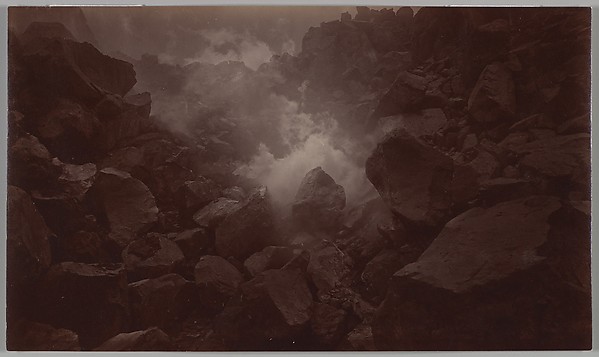
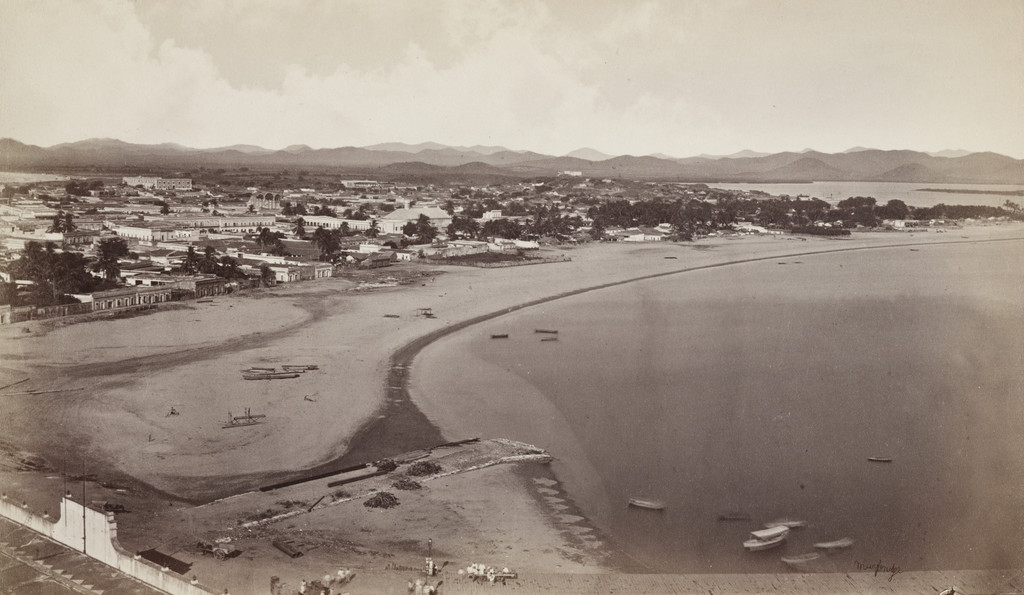
Mazatlan
Mag men het zien?
Ontvangt momenteel niet

New York, Verenigde Staten
Het hoort bij de collectie, maar is momenteel niet tentoongesteld.
- Gecontroleerd
- Bron
- Het museum
Gegevens
- Inventarisnummer
- 182.1964.119
In de catalogus
Bronnen
- Museum of Modern Art
- Afbeelding: Museum of Modern Art — © the artist or rights holder
Intussen, in het leven van Eadweard Muybridge
Het hele leven1867–1873
“Helios’ Flying Studio” and 400 stereographs
Working as “Helios”, he converted a lightweight two-wheel carriage into a portable darkroom and dubbed it “Helios’ Flying Studio”; Helios produced over 400 different stereograph cards, mostly views of San Francisco and its surroundings, bought by tourists, proud citizens and collectors.
1873
The Modoc War: a commission from the US Army
In 1873 the US Army commissioned Muybridge to photograph the “Modoc War” dispute with the Modoc tribe in northern California and Oregon; a number of the photographs were carefully staged and posed for maximum effect, despite the long exposures required.
14 April 1874
A son, Florado Helios, is born
On 14 April 1874 Flora gave birth to a son, Florado Helios Muybridge, whose middle name came from his father’s pseudonym.
17 October 1874
Shoots Harry Larkyns at Calistoga
On 17 October 1874 Muybridge went to Calistoga and shot Larkyns at point-blank range, saying he had a message for him from his wife; Larkyns died that night, and Muybridge was arrested without protest and put in the Napa jail.
February 1875
The murder trial: Muybridge is acquitted
Muybridge was tried for murder in February 1875; Stanford had arranged his defence, and the attorney W. W. Pendegast pleaded insanity because of the head injury of 1860, although the defendant himself indicated that his actions had been deliberate. The jury acquitted him as having committed justifiable homicide, explaining that if the verdict was not in accordance with the law, it was in accordance with the law of human nature.
after February 1875
Central America: nine months of “working exile”
Shortly after his acquittal Muybridge left on a previously planned nine-month photography trip to Central America, now acting as a “working exile”; in Guatemala he advertised his works under the name “Eduardo Santiago Muybridge”. It is believed that shooting aboard a constantly rolling ship helped him develop his ability to take pictures more rapidly.