ART WIKI33.040 te zien
KaartCollectieKunstenaarsMuseaTentoonstellingenJournal
Inloggen

ART WIKI

Waar het meesterwerk hangt en wanneer men u toelaat.

Collecties: Art Institute of Chicago, Cleveland Museum of Art, Getty Villa, Harvard Art Museums, Hermitage, Hirshhorn Museum and Sculpture Garden, J. Paul Getty Museum, Louvre, Metropolitan Museum of Art, Minneapolis Institute of Art, Museum of Modern Art, National Gallery of Art, National Museum of Asian Art, National Portrait Gallery, Poesjkinmuseum, Rijksmuseum Amsterdam, Russisch Museum, Smithsonian American Art Museum, Statens Museum for Kunst, Tretjakovgalerij, Victoria and Albert Museum, Whitney Museum of American Art, Staatscatalogus van het Russische museumfonds (274 musea), Europeana (19 musea), Wikidata (6 musea), Paris Musées (12 musea) en Joconde, de museumdatabank van het Franse ministerie van Cultuur (495 musea). De afbeeldingen behoren toe aan hun rechthebbenden.

Rubrieken

  • Kaart
  • Zoeken
  • Collectie
  • Meesterwerken
  • Nu te zien
  • Kunstenaars

Meer

  • Musea & galerieën
  • Tentoonstellingen
  • Journal
  • Waar de gegevens vandaan komen
  • Privacy & cookies
StartpaginaKaartCatalogus
  1. Collectie/
  2. Museum of Modern Art/
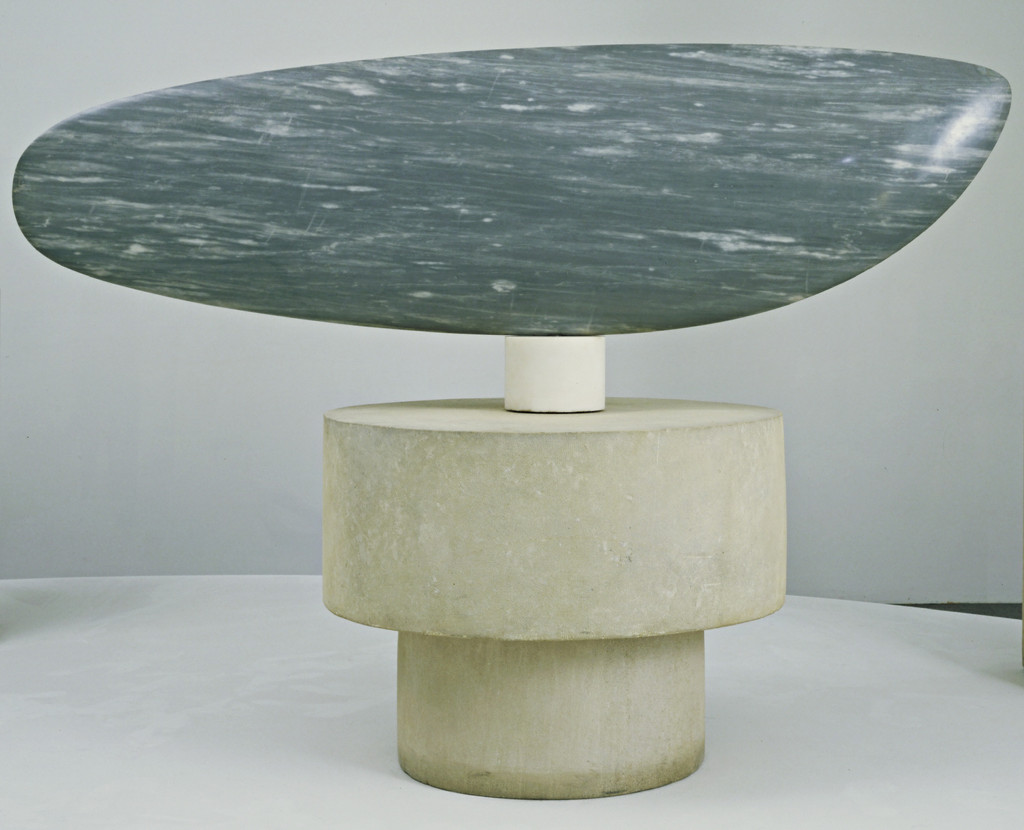
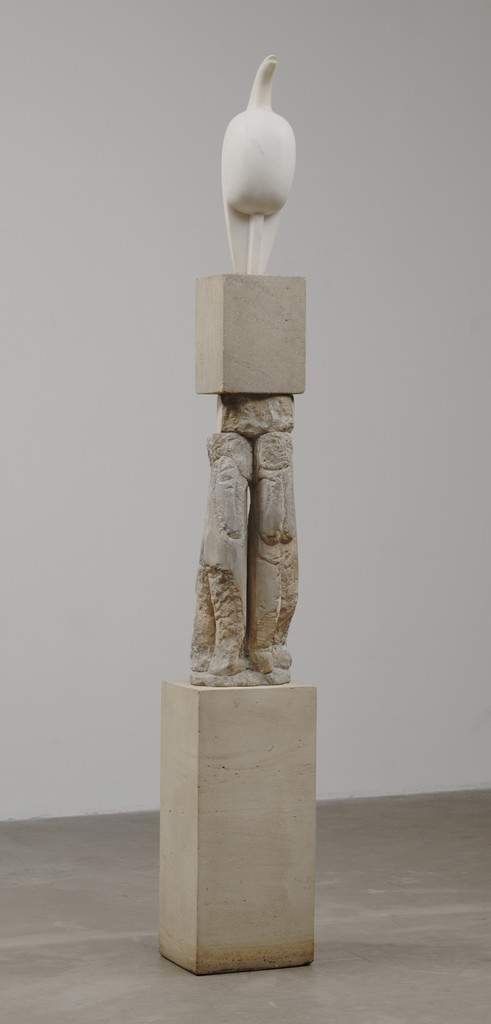
  3. Maiastra
Maiastra, Constantin Brancusi, 1910-12
Constantin Brancusi, portretConstantin BrancusiRoemenië, 1876–1957

Maiastra

1910-12 · Sculpture

Mag men het zien?

Ja, het ontvangt bezoek

Museum of Modern Art

New York, Verenigde Staten

ZaalMoMA, Floor 5, 508

Publiek tentoongesteld. Wie daarvoor instaat, staat hieronder.

Gecontroleerd
16 dagen geleden
Bron
Het museum
Op de kaartMuseumpagina

Gegevens

1910-12
18761957
Inventarisnummer
144.1953.a-d

Intussen, in het leven van Constantin Brancusi

Het hele leven
  1. from 1908

    His Paris circle: Léger, Duchamp, Rousseau, Apollinaire

    From 1908 Brâncuși spends time with artists and writers working in Paris, including Amedeo Modigliani, Fernand Léger, Marcel Duchamp, Henri Rousseau, Guillaume Apollinaire, Alexander Archipenko and Henri Matisse. He also stays in touch with Romanians living in France — George Enescu, Theodor Pallady, Benjamin Fondane, Panait Istrati — speaks Romanian in his studio and welcomes visitors from Romania.

  2. 1909

    Meeting Modigliani

    In 1909 the collector Paul Alexandre introduces Brâncuși to Amedeo Modigliani; the two become friends, and the Italian draws his portrait in black and red pencil that year. From 1909 to 1914 Modigliani works chiefly in sculpture, and his elongated limestone heads, with simplified forms and polished surfaces, are related to Brâncuși’s sculpture.

  3. autumn 1912

    The Grand Palais aviation show with Duchamp and Léger

    In the fall of 1912 Brâncuși visits an aviation exhibition at the Grand Palais with Marcel Duchamp and Fernand Léger; the three stop before an airplane propeller, and its mechanical precision leads them into a conversation about machine-made forms and the direction sculpture might take. In May of that year he had rented a second studio at 47 rue du Montparnasse, across from the first.

  4. 17 February 1913

    The Armory Show in New York: five sculptures

    In December 1912 the Armory Show organisers Arthur Bowen Davies, Walt Kuhn and Walter Pach visit Paris in search of works; the catalogue lists five sculptures by Brâncuși — “The Kiss”, “Sleeping Muse”, “A Muse”, “Mademoiselle Pogany” and “Torso”. The exhibition opens in New York on 17 February 1913 and travels to Chicago and Boston; his compact forms provoke laughter, caricatures and arguments in the press, and “Mademoiselle Pogany” is compared to an egg.

Meer van Constantin Brancusi

Alle werken

In dezelfde zaal · MoMA, Floor 5, 508, Museum of Modern Art

Museumpagina
  • 1914

    The patron John Quinn

    The lawyer and collector John Quinn, a supporter of the Armory Show, buys works from Brâncuși and remains in contact with him until his death in 1924; in 1914 he acquires a version of “Mademoiselle Pogany” from 291.

  • 12 March – 4 April 1914

    His first US solo show at the gallery 291

    Edward Steichen selects the works for Brâncuși’s first solo exhibition in the United States: eight sculptures, including “Măiastra” and “Mademoiselle Pogany”, are shown at 291, the gallery run by Alfred Stieglitz. Agnes and Eugene Meyer pay for their transportation and begin buying works directly from Brâncuși.

  • In de catalogus

    BeeldhouwkunstMarmerModernisme20e eeuw

    Bronnen

    • Museum of Modern Art
    • Afbeelding: Museum of Modern Art — © the artist or rights holder
    Maiastra, Constantin Brâncuși, c. 1911

    Maiastra

    c. 1911 · National Gallery of Art

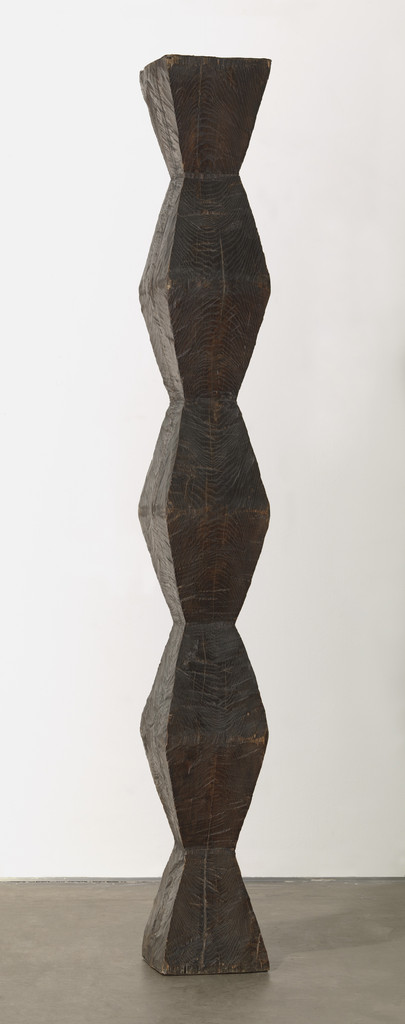
    Endless Column, Constantin Brancusi, version I, 1918

    Endless Column

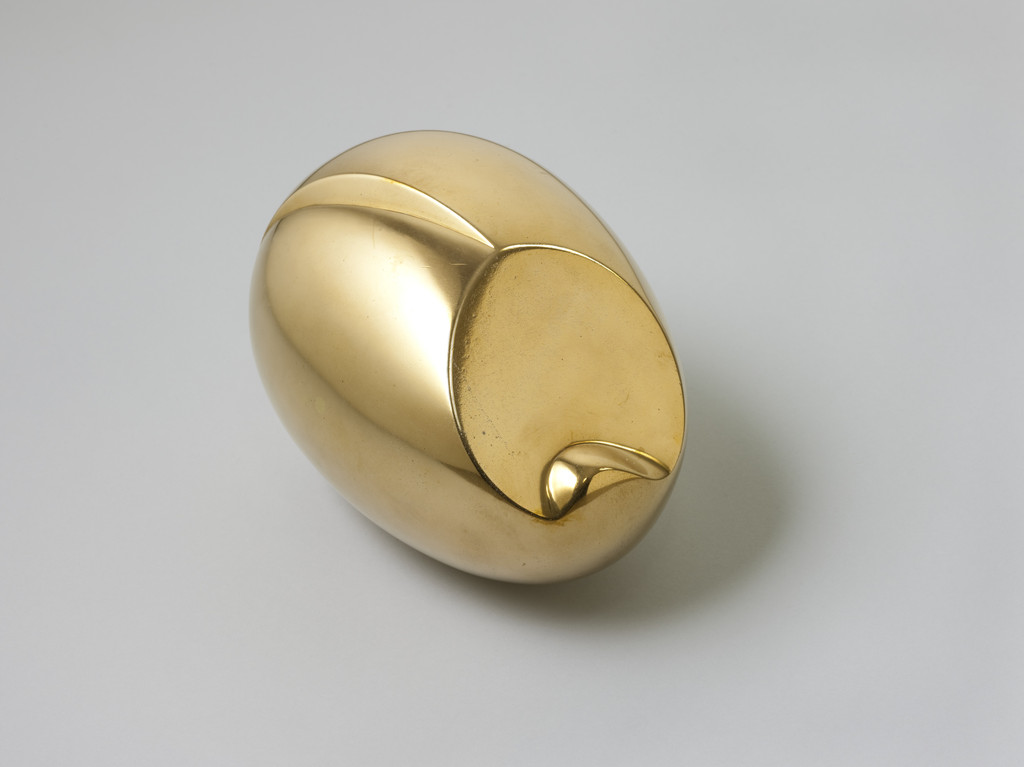
    version I, 1918 · Museum of Modern Art

    The Newborn, Constantin Brancusi, version I, 1920

    The Newborn

    version I, 1920 · Museum of Modern Art

    Socrates, Constantin Brancusi, 1922

    Socrates

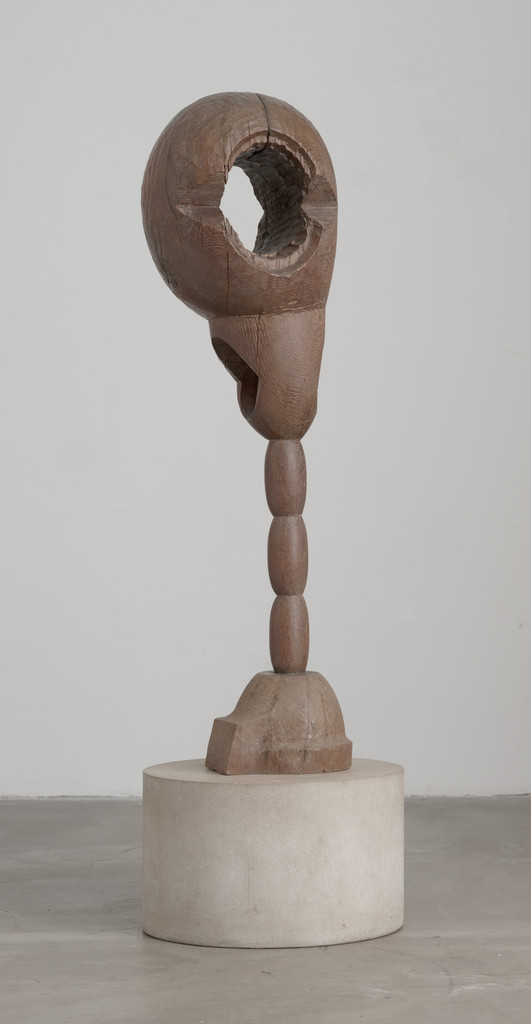
    1922 · Museum of Modern Art

    Bird in Space, Constantin Brâncuși, 1925

    Bird in Space

    1925 · National Gallery of Art

    Bird in Space, Constantin Brâncuși, 1927

    Bird in Space

    1927 · National Gallery of Art

    Bird in Space, Constantin Brancusi, 1928

    Bird in Space

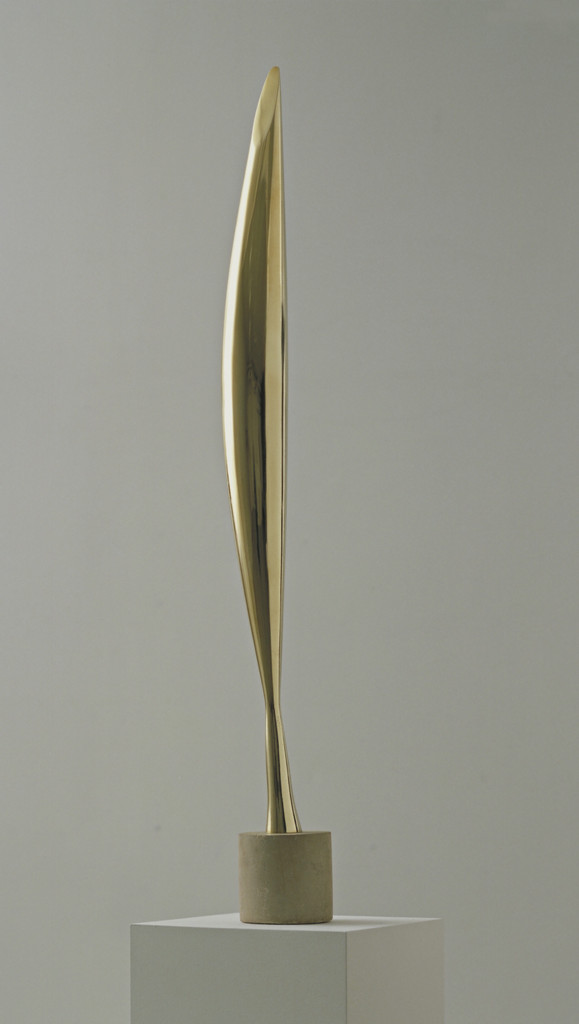
    1928 · Museum of Modern Art

    Young Bird, Constantin Brancusi, Paris 1928

    Young Bird

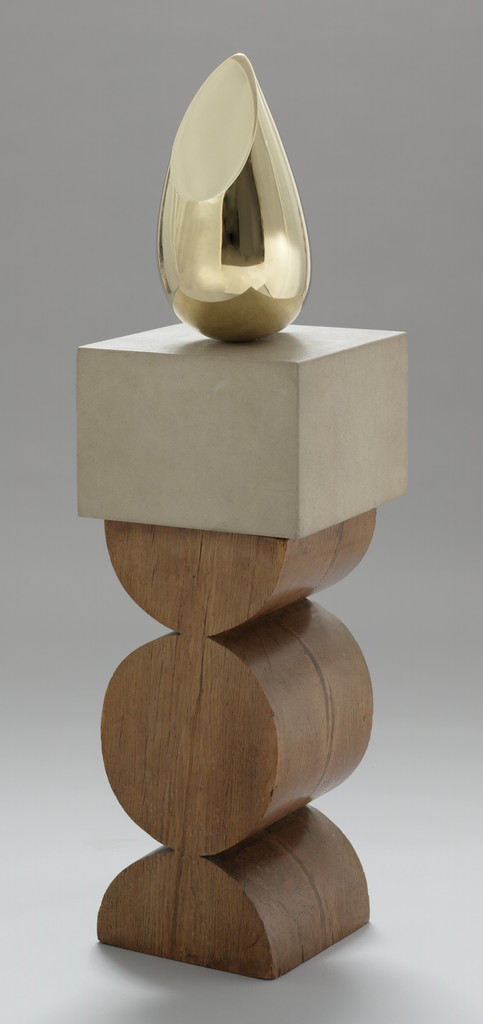
    Paris 1928 · Museum of Modern Art

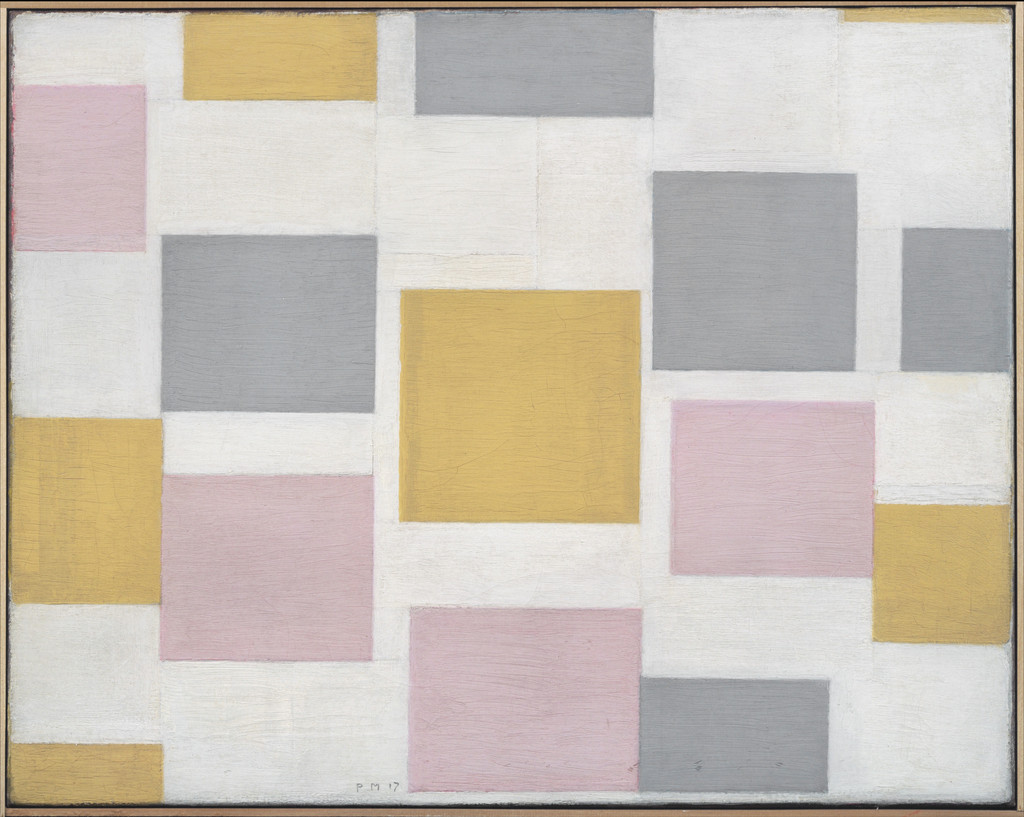
    Composition with Color Planes 5, Piet Mondrian, 1917

    Piet Mondrian

    Composition with Color Planes 5, 1917

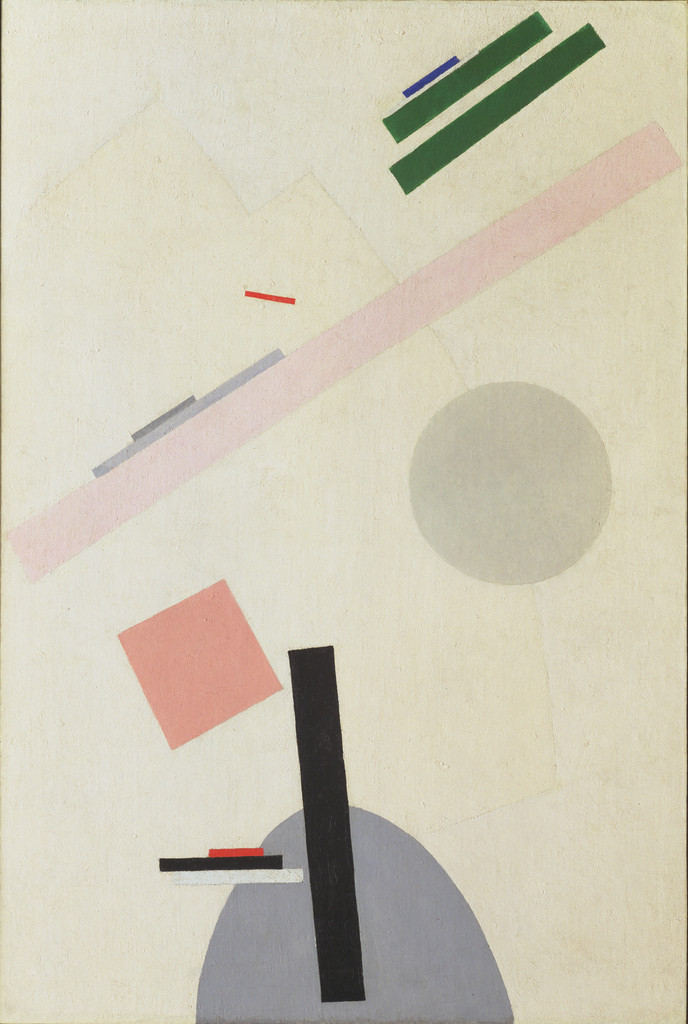
    Suprematist Painting, Kazimir Malevich, 1916-17

    Kazimir Malevich

    Suprematist Painting, 1916-17

    Fish, Constantin Brancusi, Paris 1930

    Constantin Brancusi

    Fish, Paris 1930

    Young Bird, Constantin Brancusi, Paris 1928

    Constantin Brancusi

    Young Bird, Paris 1928

    Bird in Space, Constantin Brancusi, 1928

    Constantin Brancusi

    Bird in Space, 1928

    Socrates, Constantin Brancusi, 1922

    Constantin Brancusi

    Socrates, 1922

    The Newborn, Constantin Brancusi, version I, 1920

    Constantin Brancusi

    The Newborn, version I, 1920

    Endless Column, Constantin Brancusi, version I, 1918

    Constantin Brancusi

    Endless Column, version I, 1918