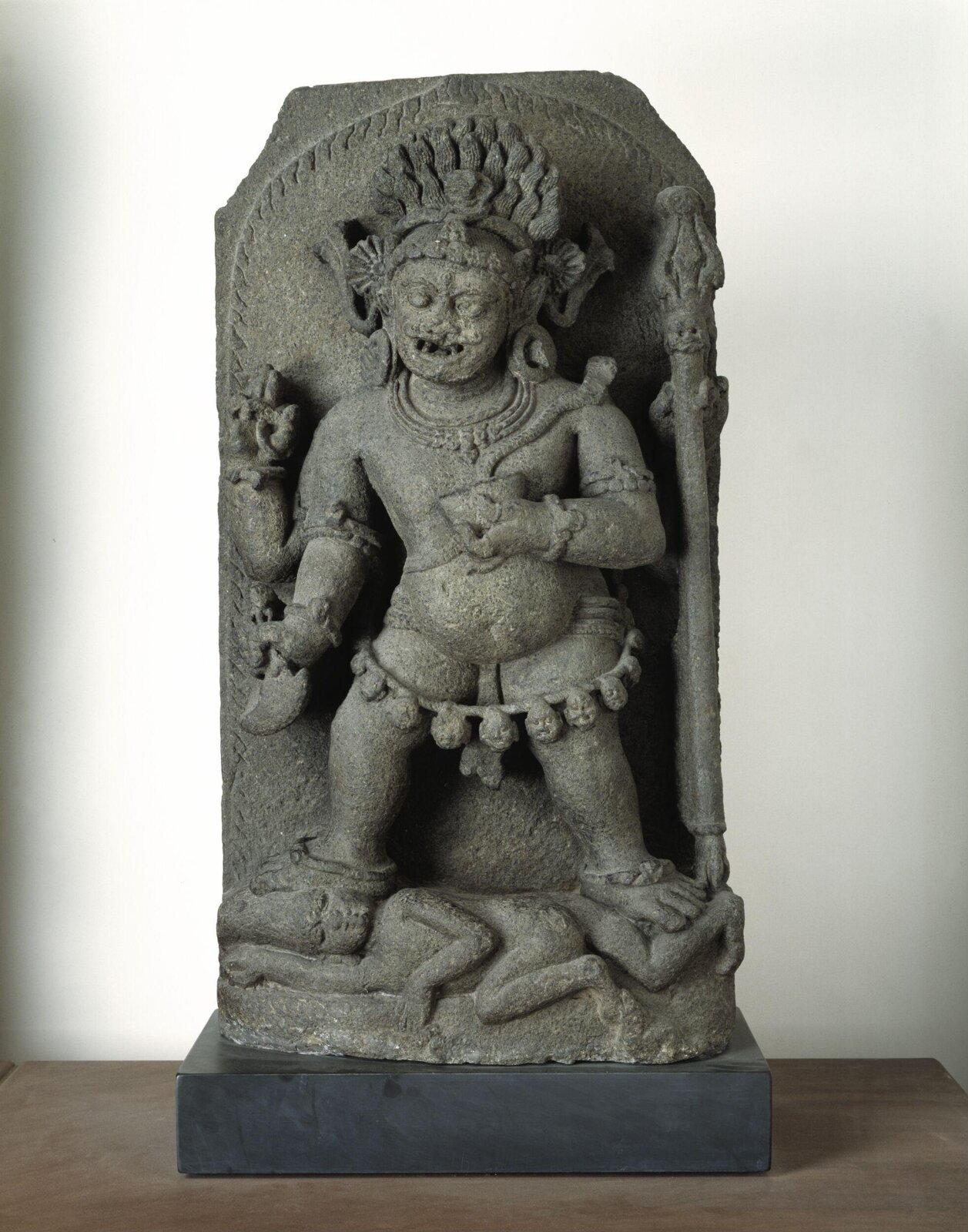
Mahakala
Mag men het zien?
Ja, het ontvangt bezoek

Victoria and Albert Museum
ZaalBuddhism, Room 17, The Robert H. N. Ho Family Foundation Galleries of Buddhist ArtLonden, Verenigd Koninkrijk
Publiek tentoongesteld. Wie daarvoor instaat, staat hieronder.
- Gecontroleerd
- 8 dagen geleden
- Ongewijzigd sinds
- 25 sep 2026
- Bron
- De eigen collectiegegevens van het museum
About the sculpture
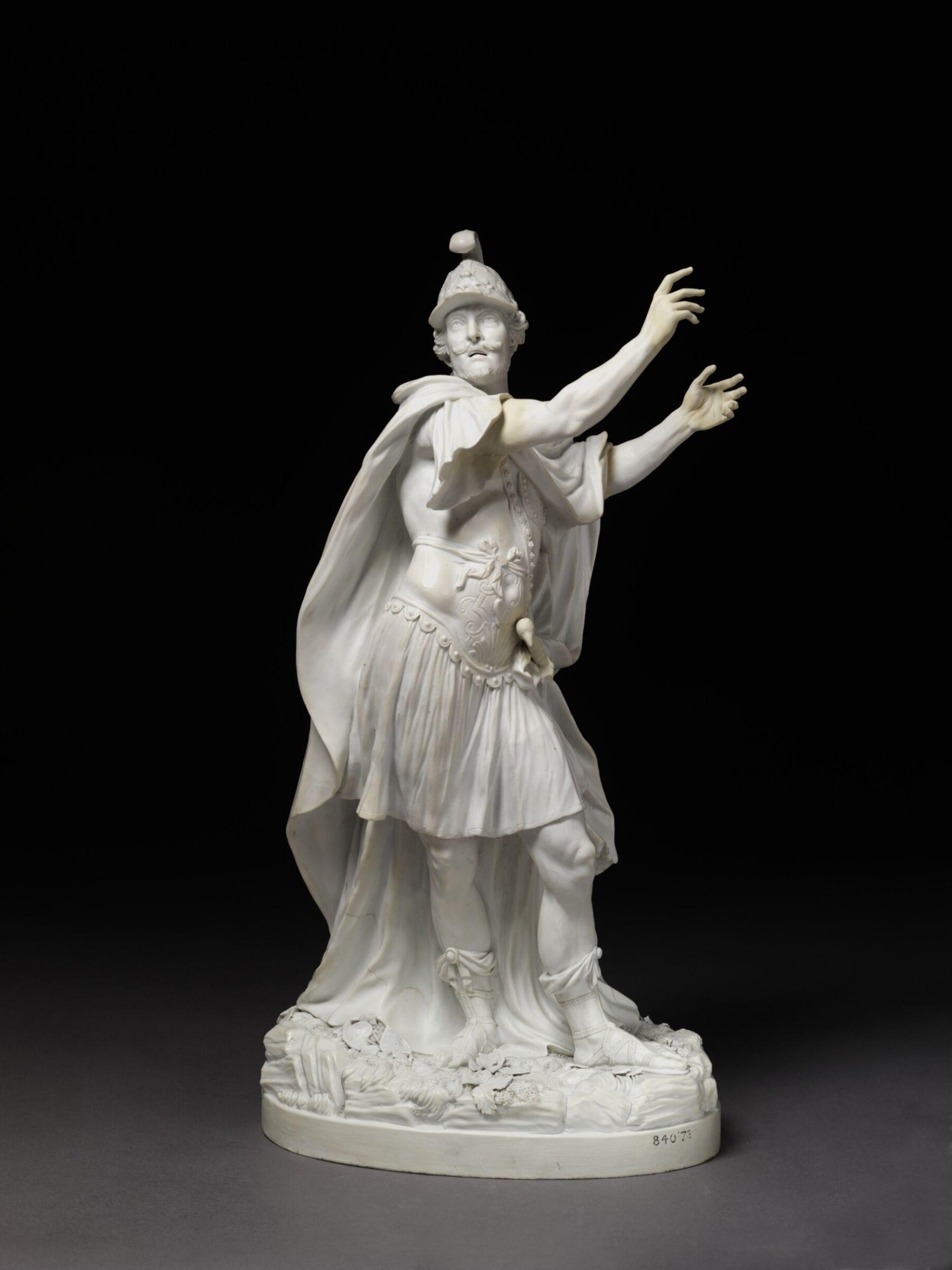
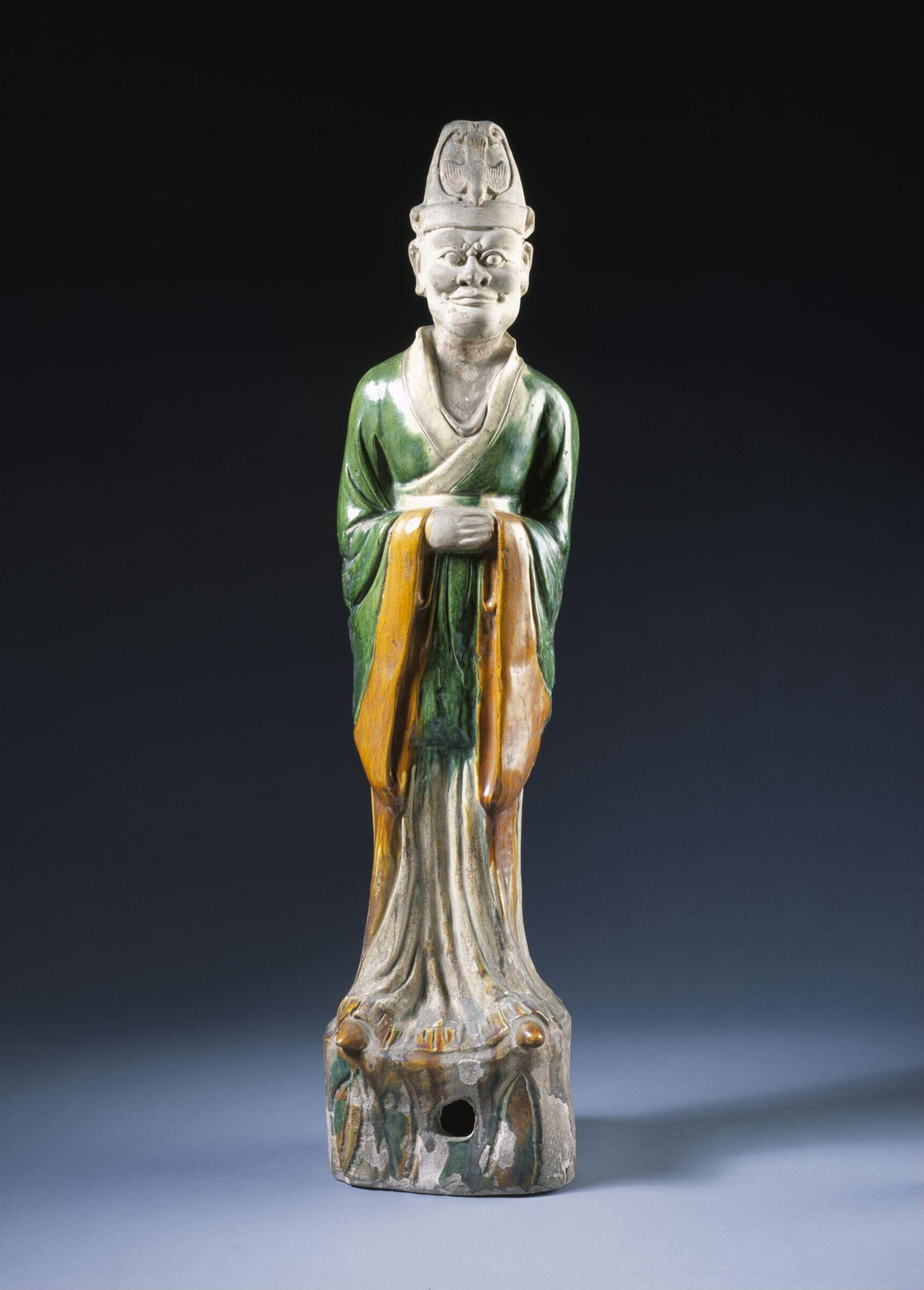
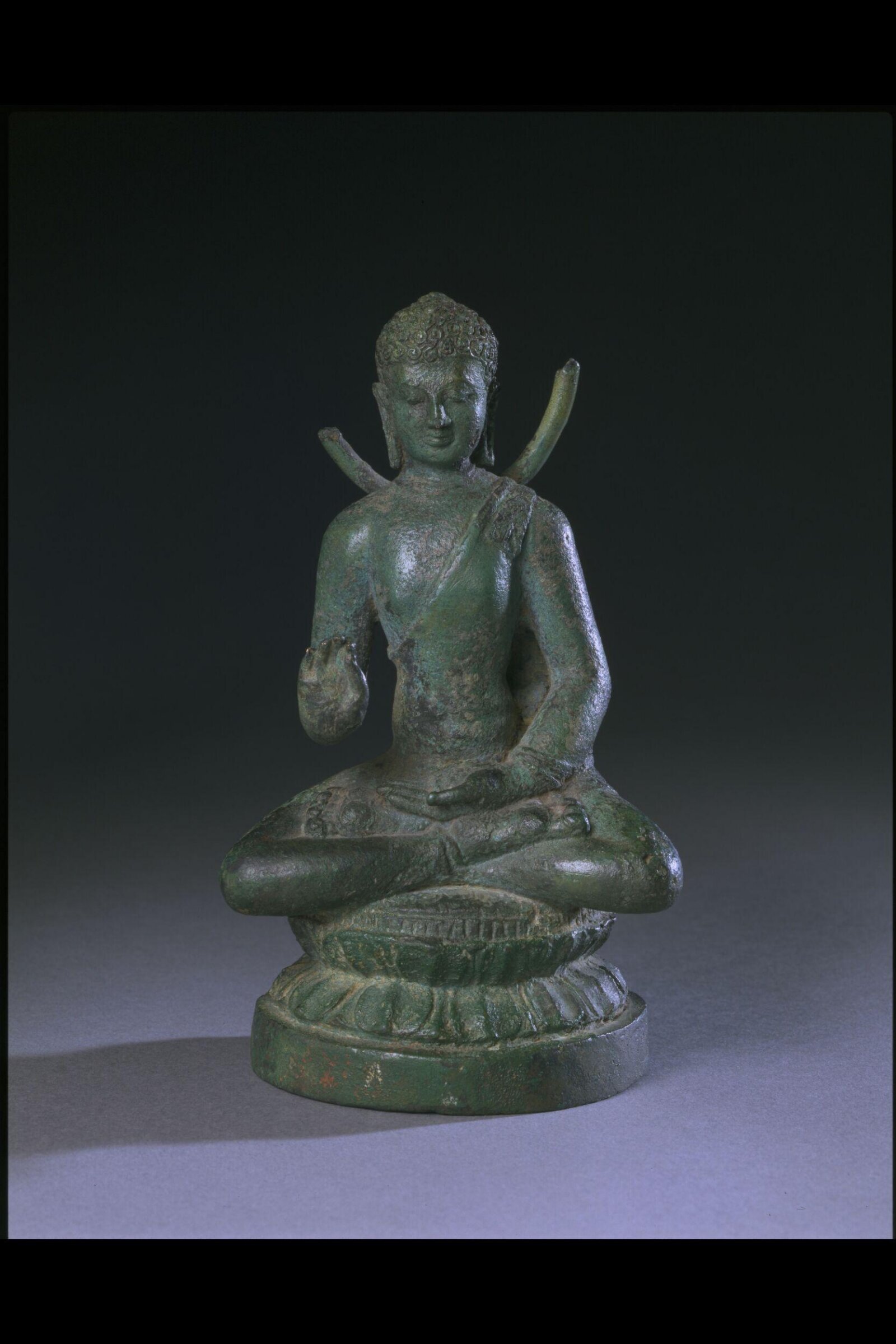
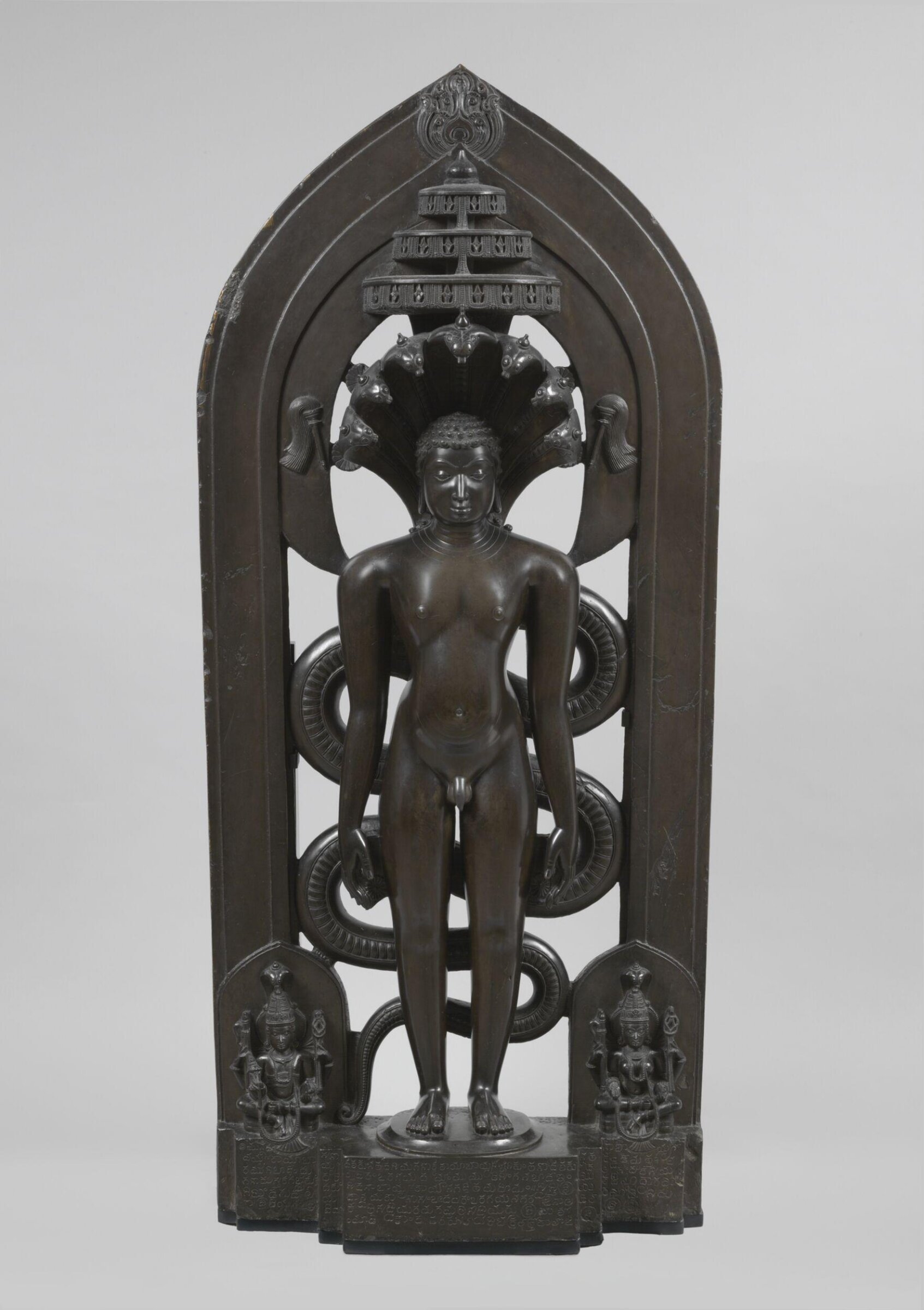
This sculpture depicts the protector Mahakala. He represents a violent and vengeful aspect of the Hindu god Shiva absorbed by Buddhism as a guardian of the faith (‘dharmapala’).
Here Mahakala stands astride the prostrate figure of a corpse. His face radiates his wrathful nature. His wide eyes glare, his gaping mouth reveals fangs, and a garland of severed heads hangs above his knees. His hair is represented as flames, rising horrifically above a snake ornament. Entwined snakes also form his armlets, bracelets, anklets and sacred cord. In his four hands he carries the flesh-cutter (‘karttrka’), skull-cup (‘kapala’), rosary and ‘trisula’ and skull-headed ritual staff (‘khatvanga’). These are the signifiers of his role.
Read on
Tantric Buddhism generated a proliferation of deities, benign and ferocious. Both were conceived as servants of the faith. But it was the wild and angry deities, typically demonic spirits subdued by Buddhism and henceforth willing servants of the faith, who retained their wrathful countenance in order to intimidate non-believers and those hostile to Buddhism.
Victoria and Albert Museum
Gegevens
- Inventarisnummer
- IM.10-1930
What it shows
In de catalogus
Bronnen
- Victoria and Albert Museum: the museum's own open data · opgehaald 8 dagen geleden
- Afbeelding: Victoria and Albert Museum — © Victoria and Albert Museum, London