ART WIKI32.979 te zien
KaartCollectieKunstenaarsMuseaTentoonstellingenJournal
Inloggen

ART WIKI

Waar het meesterwerk hangt en wanneer men u toelaat.

Collecties: Art Institute of Chicago, Cleveland Museum of Art, Getty Villa, Harvard Art Museums, Hermitage, Hirshhorn Museum and Sculpture Garden, J. Paul Getty Museum, Louvre, Metropolitan Museum of Art, Minneapolis Institute of Art, Museum of Modern Art, National Gallery of Art, National Museum of Asian Art, National Portrait Gallery, Poesjkinmuseum, Rijksmuseum Amsterdam, Russisch Museum, Smithsonian American Art Museum, Statens Museum for Kunst, Tretjakovgalerij, Victoria and Albert Museum, Whitney Museum of American Art, Staatscatalogus van het Russische museumfonds (274 musea), Europeana (19 musea), Wikidata (6 musea), Paris Musées (12 musea) en Joconde, de museumdatabank van het Franse ministerie van Cultuur (495 musea). De afbeeldingen behoren toe aan hun rechthebbenden.

Rubrieken

  • Kaart
  • Zoeken
  • Collectie
  • Meesterwerken
  • Nu te zien
  • Kunstenaars

Meer

  • Musea & galerieën
  • Tentoonstellingen
  • Journal
  • Waar de gegevens vandaan komen
  • Privacy & cookies
StartpaginaKaartCatalogus
  1. Collectie/
  2. Louvre/
  3. Linteau d'Imru' al-Qays
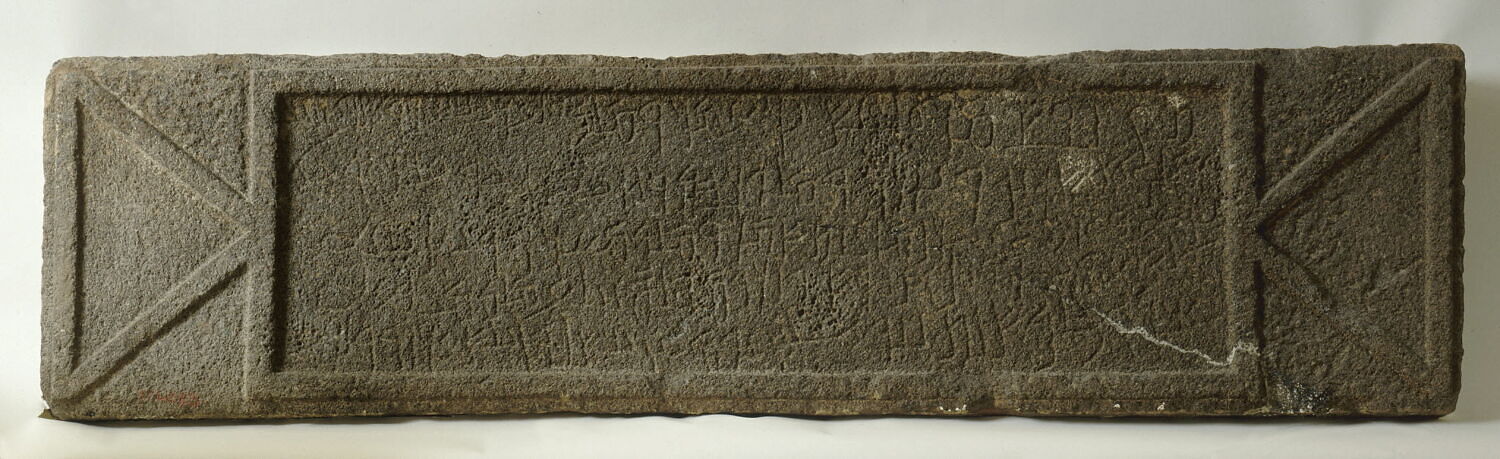
Linteau d'Imru' al-Qays, 1e moitié Ie mill ap. J.-C. (332 ap JC) (daté sur l'oeuvre) et 1e moitié Ie mill ap. J.-C. (328 ap JC) (1 - 500 et 320 - 330)

Linteau d'Imru' al-Qays

1e moitié Ie mill ap. J.-C. (332 ap JC) (daté sur l'oeuvre) et 1e moitié Ie mill ap. J.-C. (328 ap JC) (1 - 500 et 320 - 330) · Antiquités orientales

Over de sculptuur

The Namara inscription (Arabic: نقش النمارة naqš an-Namārah) is a 4th century inscription in the Arabic language, making it one of the earliest. It has also been interpreted as a late version of the Nabataean script in its transition to Arabic script. It has been described by Irfan Shahid as "the most important Arabic inscription of pre-Islamic times" and by Kees Versteegh as "the most famous Arabic inscription". It is also an important source for the relationships between the Romans and the Arabs in that period. It is currently on display at the Louvre Museum in France, with identification number AO 4083. It is known in academic corpora as RES 483.

Wikipedia · CC BY-SA

Gegevens

Inventarisnummer
AO 4083

In dezelfde zaal · Salle 314, Aile Sully, Niveau 0, Louvre

Museumpagina

Mag men het zien?

Ja, het ontvangt bezoek

Louvre

Parijs, Frankrijk

Zaal314, Aile Sully, Niveau 0

Publiek tentoongesteld. Wie daarvoor instaat, staat hieronder.

Gecontroleerd
12 dagen geleden
Ongewijzigd sinds
26 sep 2026
Bron
Het museum
Op de kaartMuseumpagina

In de catalogus

BeeldhouwkunstSteen

Bronnen

  • Louvre
  • Afbeelding: Louvre — © 1990 GrandPalaisRmn (musée du Louvre) / Christian Larrieu
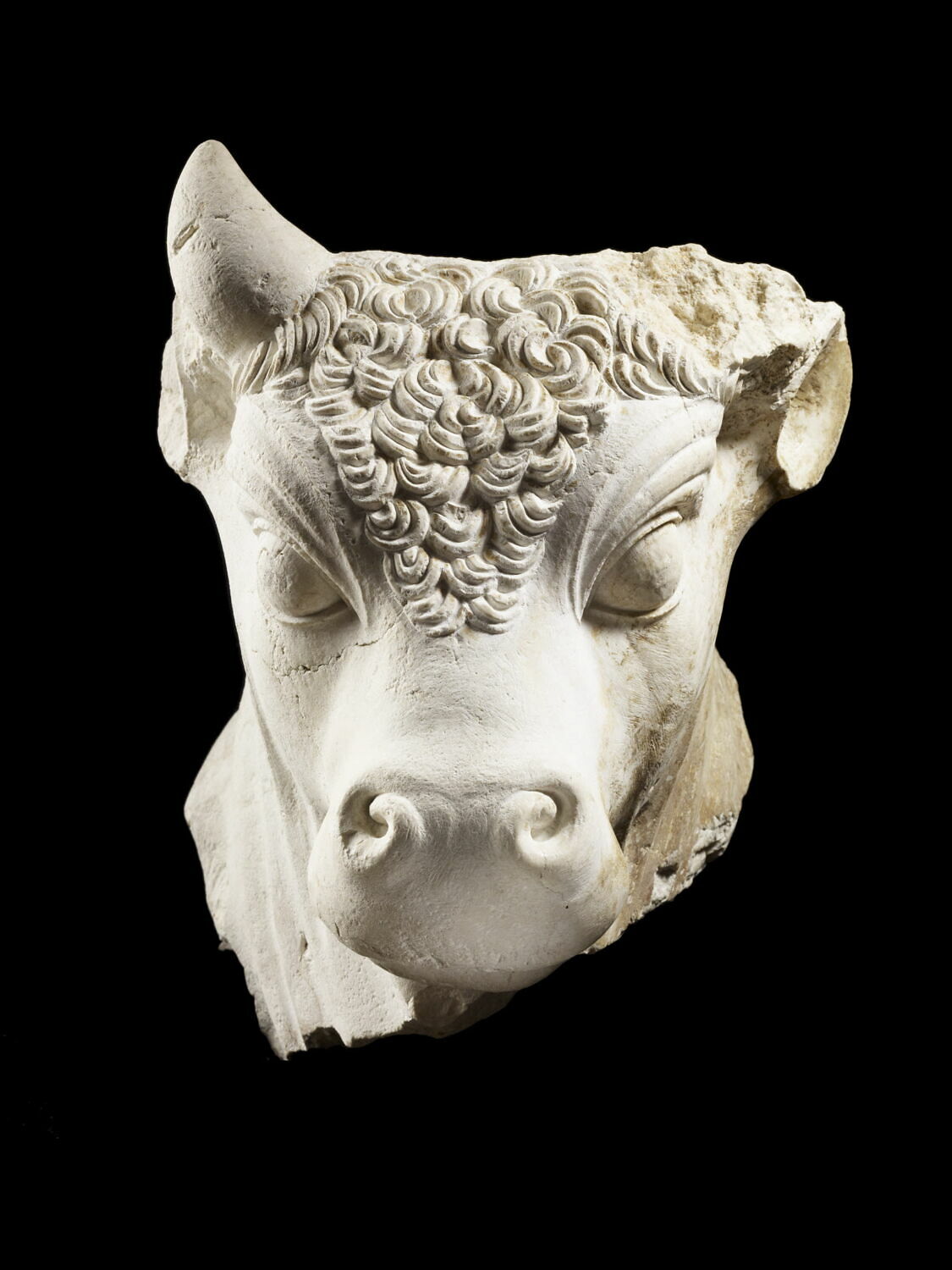
statue, Romain Impérial (Ie s ap JC) (0 - 100)

statue, Romain Impérial (Ie s ap JC) (0 - 100)

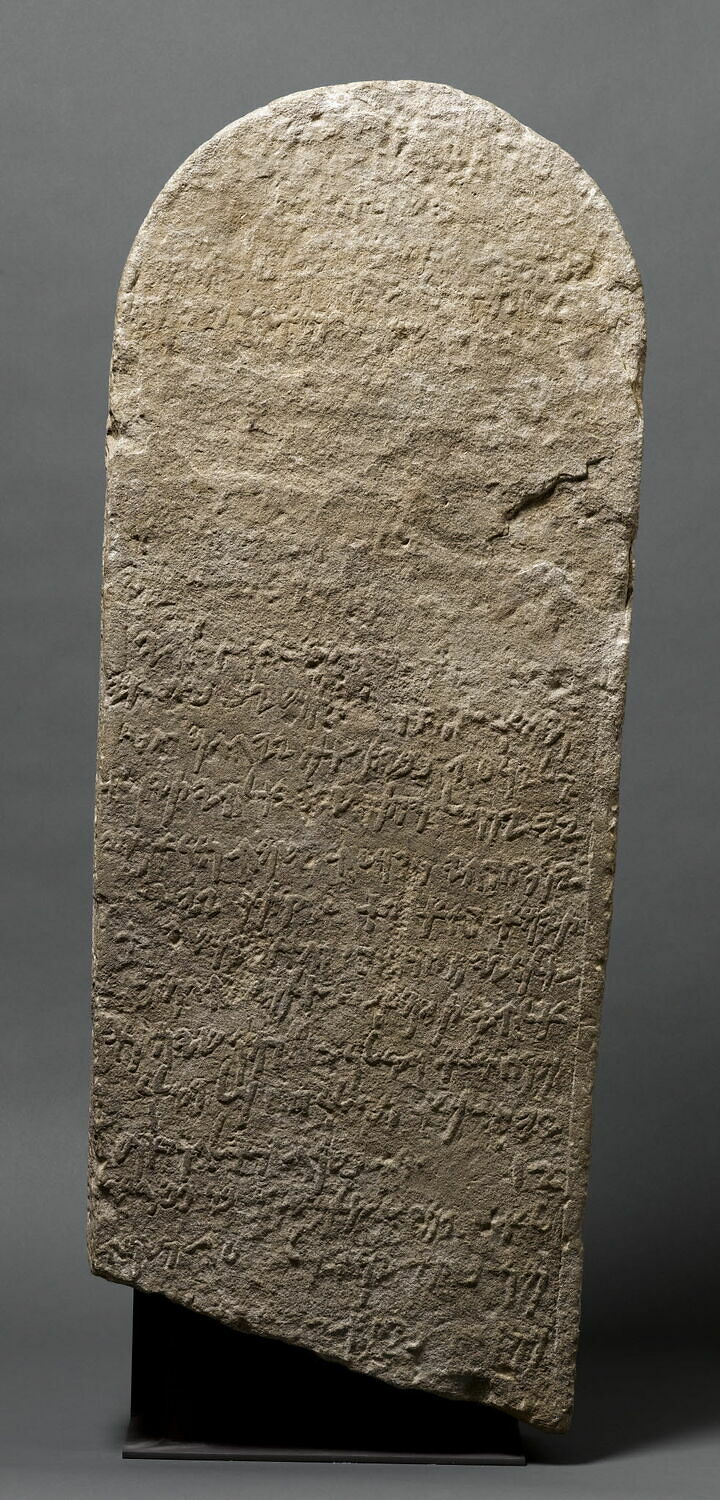
Stèle de Teima, Ve s. av. J.-C. (Naveh 1970 (milieu Ve s)) (bibliographie/travail de référence) (vers -500 - -400)

Stèle de Teima, Ve s. av. J.-C. (Naveh 1970 (milieu Ve s)) (bibliographie/travail de référence) (vers -500 - -400)

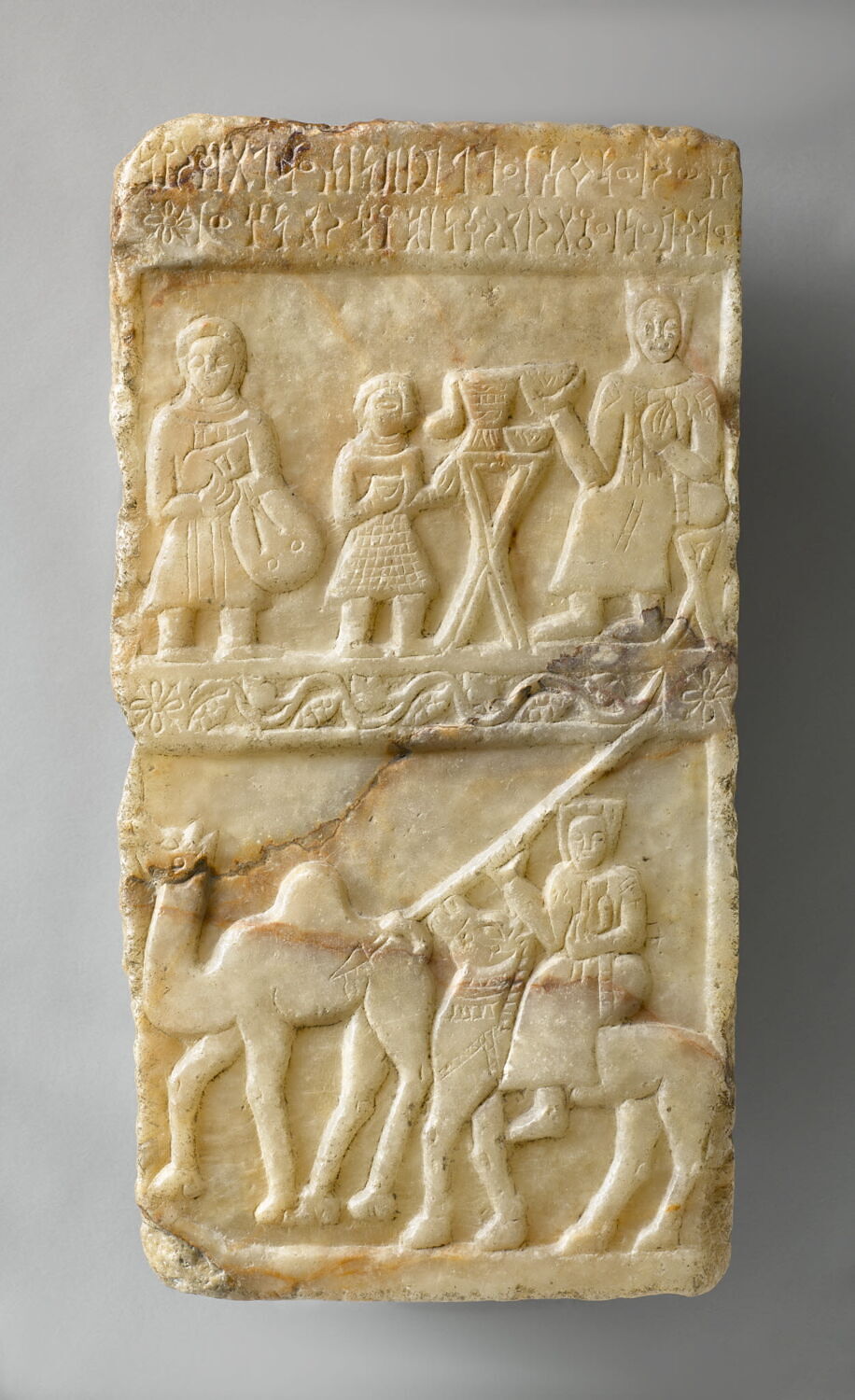
stèle, 1e moitié Ie mill ap. J.-C. (IIe s ap JC ; IIIe s ap JC) (1 - 500)

stèle, 1e moitié Ie mill ap. J.-C. (IIe s ap JC ; IIIe s ap JC) (1 - 500)

figurine, Période des rois de Saba' et dhu-Raydan (1 er s. AD) (0 - 300)

figurine, Période des rois de Saba' et dhu-Raydan (1 er s. AD) (0 - 300)

relief, Romain Impérial (?) (Ie s ap JC (?)) (-63 - 324)

relief, Romain Impérial (?) (Ie s ap JC (?)) (-63 - 324)

relief, Romain Impérial (?) (Ie s ap JC (?)) (-63 - 324)

relief, Romain Impérial (?) (Ie s ap JC (?)) (-63 - 324)

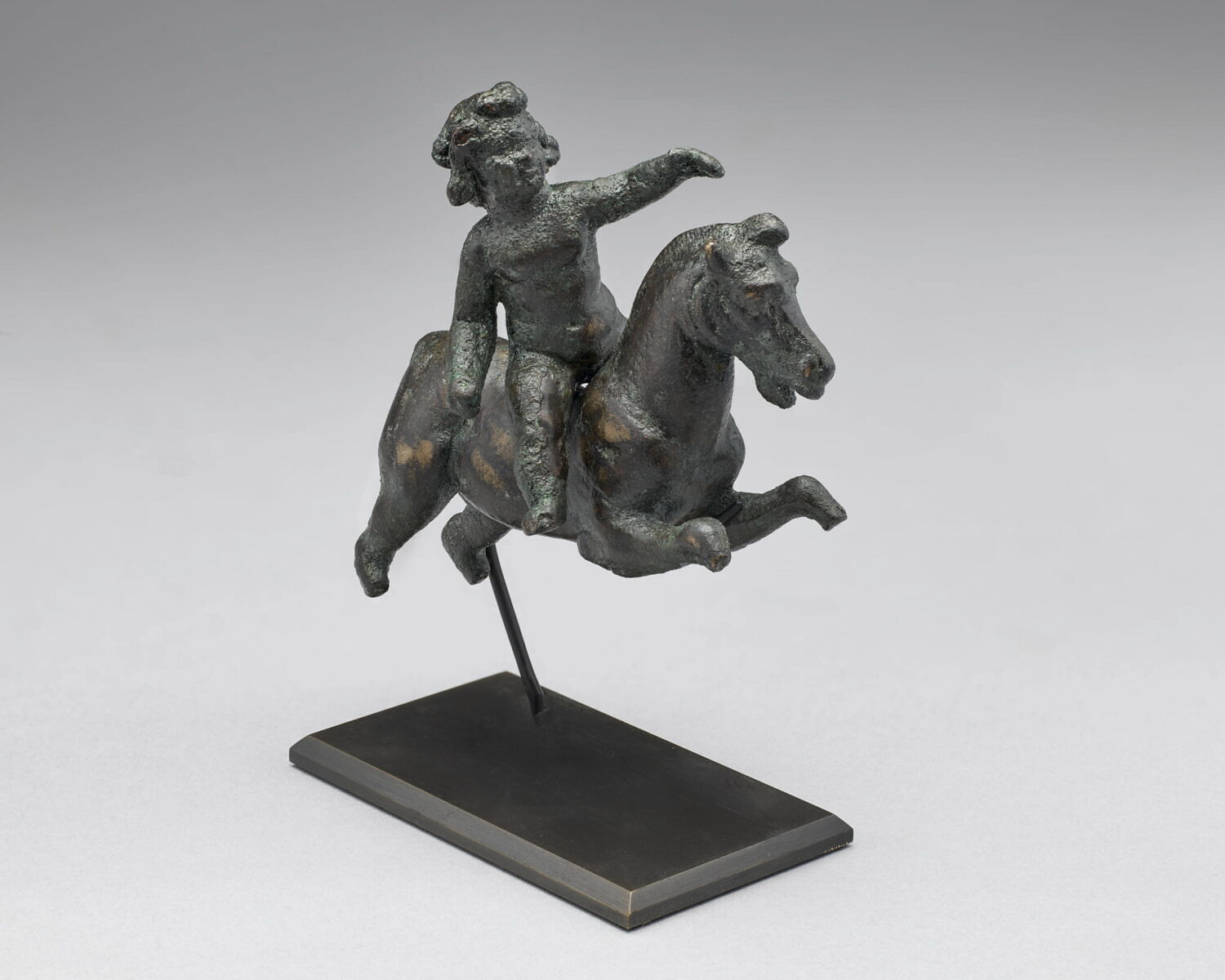
statue, Romain Impérial (IIe s ap JC) (100 - 200)

statue, Romain Impérial (IIe s ap JC) (100 - 200)

relief, Romain Impérial (?) (Ie s ap JC) (0 - 100)

relief, Romain Impérial (?) (Ie s ap JC) (0 - 100)