ART WIKI32.963 te zien
KaartCollectieKunstenaarsMuseaTentoonstellingenJournal
Inloggen

ART WIKI

Waar het meesterwerk hangt en wanneer men u toelaat.

Collecties: Art Institute of Chicago, Cleveland Museum of Art, Getty Villa, Harvard Art Museums, Hermitage, Hirshhorn Museum and Sculpture Garden, J. Paul Getty Museum, Louvre, Metropolitan Museum of Art, Minneapolis Institute of Art, Museum of Modern Art, National Gallery of Art, National Museum of Asian Art, National Portrait Gallery, Poesjkinmuseum, Rijksmuseum Amsterdam, Russisch Museum, Smithsonian American Art Museum, Statens Museum for Kunst, Tretjakovgalerij, Victoria and Albert Museum, Whitney Museum of American Art, Staatscatalogus van het Russische museumfonds (274 musea), Europeana (19 musea), Wikidata (6 musea), Paris Musées (12 musea) en Joconde, de museumdatabank van het Franse ministerie van Cultuur (495 musea). De afbeeldingen behoren toe aan hun rechthebbenden.

Rubrieken

  • Kaart
  • Zoeken
  • Collectie
  • Meesterwerken
  • Nu te zien
  • Kunstenaars

Meer

  • Musea & galerieën
  • Tentoonstellingen
  • Journal
  • Waar de gegevens vandaan komen
  • Privacy & cookies
StartpaginaKaartCatalogus
  1. Collectie/
  2. Louvre/
  3. Les soldats prétoriens
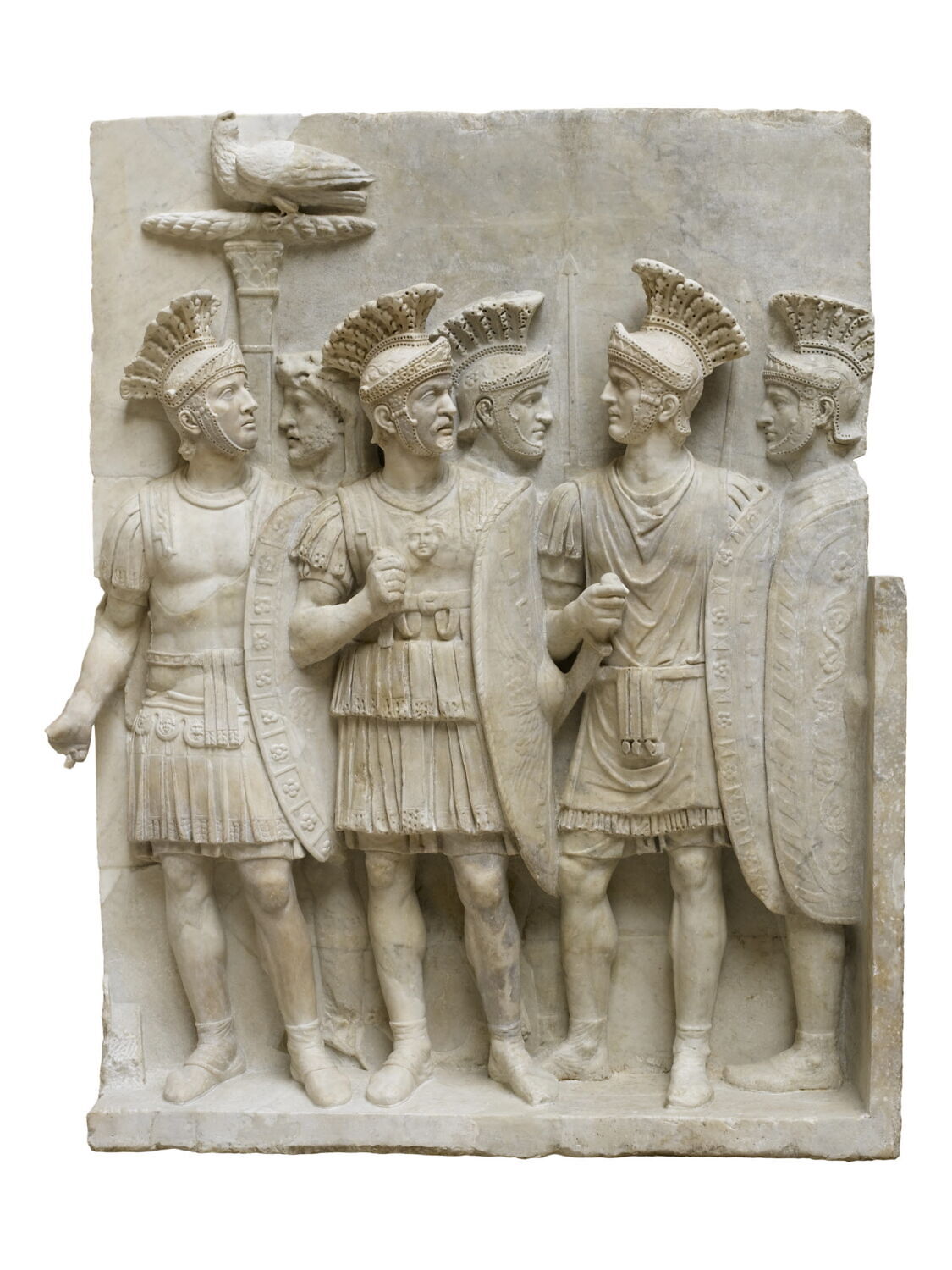
Les soldats prétoriens, romain impérial

Date de création/fabrication : 3e quart Ie s. ap. J.-C. (d'après "Rome la cité et l'empire") (bibliographie/travail de référence) (vers 51 - 52)

Les soldats prétoriens

romain impérial Date de création/fabrication : 3e quart Ie s. ap. J.-C. (d'après "Rome la cité et l'empire") (bibliographie/travail de référence) (vers 51 - 52) · Antiquités grecques, étrusques et romaines

Mag men het zien?

Ontvangt momenteel niet

Louvre

Parijs, Frankrijk

Het hoort bij de collectie, maar is momenteel niet tentoongesteld.

Gecontroleerd
11 dagen geleden
Ongewijzigd sinds
26 sep 2026
Bron
Het museum
Op de kaartMuseumpagina

Over de sculptuur

The Praetorians Relief is a Roman marble relief dated to c. 51–52 AD from the Arch of Claudius in Rome, now housed in the Louvre-Lens.

It depicts three soldiers in high relief in the foreground, while two others in the background, accompanied by a standard bearer, are made in bas-relief. The standard-bearer holds an aquila standard, where the eagle grasps a thunderbolt in its talons. The soldiers have been identified as Praetorians due to the richness of the apparel, particularly the helmets, the ceremonial dress and oval shields. The figures are wearing calcei and not caligae, worn by ordinary soldiers. However, according to Boris Rankov, "the Attic-style helmets are almost certainly an artistic convention". Rankov suggests that "early in their history the Praetorians were still using the Montefortino-style helmet normal in the legions of the Republic and early Empire".

Verder lezen

The relief was previously dated to the early 2nd century AD. The lower half of the left-hand figure, portions of the middle two and the heads of all three foreground figures are modern restorations. In 2006 the relief underwent restoration by N. Imbert and A. Méthivier.

Wikipedia · CC BY-SA

Gegevens

Inventarisnummer
LL 398

In de catalogus

BeeldhouwkunstMarmerRome

Bronnen

  • Louvre
  • Afbeelding: Louvre — © 2006 GrandPalaisRmn (musée du Louvre) / Hervé Lewandowski
Buren in huis: Louvre

Museumpagina
Portrait de Lisa Gherardini, épouse de Francesco del Giocondo, dit La Joconde ou Monna Lisa, Léonard de Vinci, 1e quart du XVIe siècle (1503 - 1519)

Leonardo da Vinci

Mona Lisa, 1e quart du XVIe siècle (1503 - 1519)

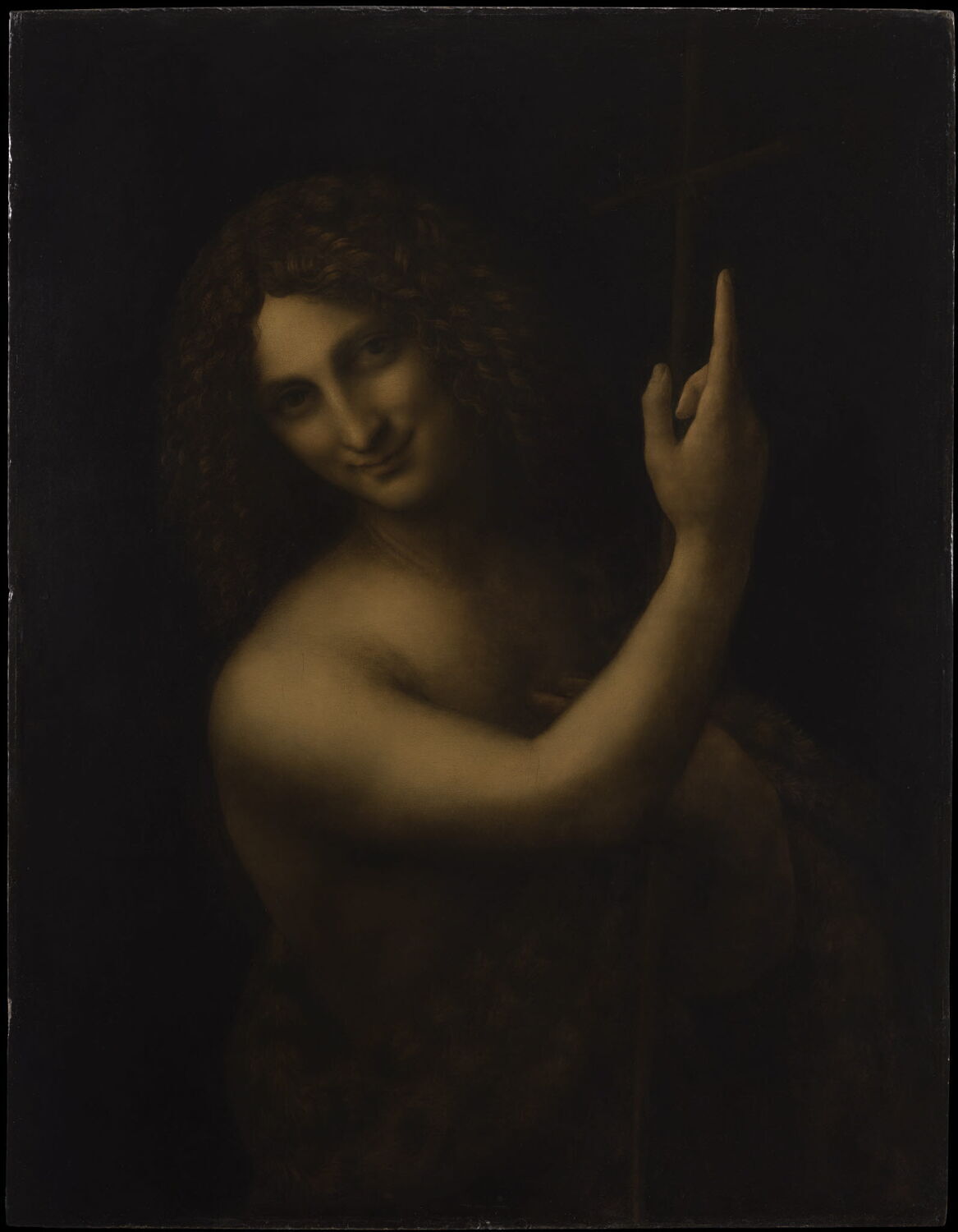
Saint Jean Baptiste, Léonard de Vinci, 1e quart du XVIe siècle (vers 1517 - 1520)

Leonardo da Vinci

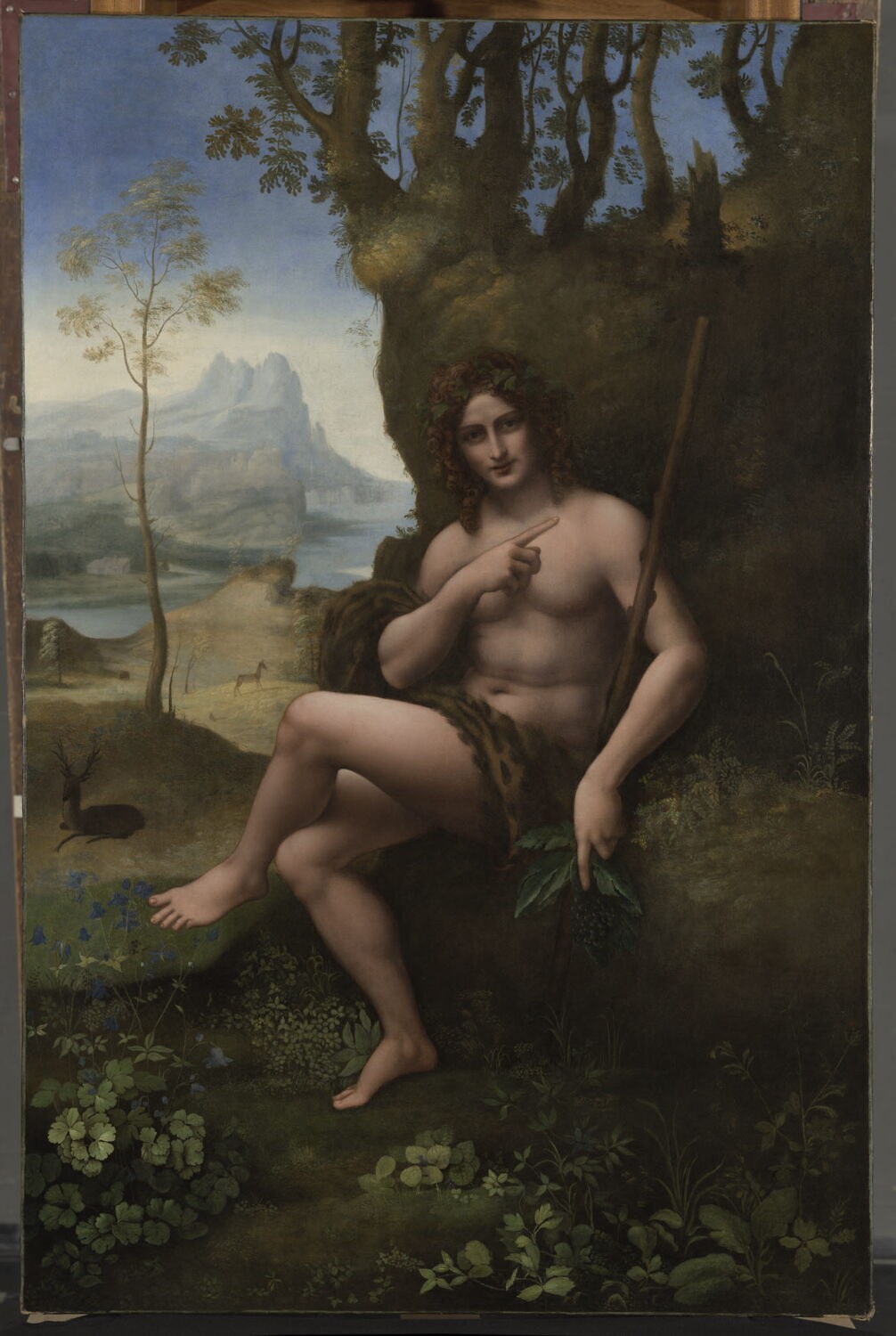
Bacchus, 1e quart du XVIe siècle (vers 1517 - 1520)

Saint Jean Baptiste, Léonard de Vinci, 1e quart du XVIe siècle (vers 1508 - 1519)

Leonardo da Vinci

Johannes de Doper, 1e quart du XVIe siècle (vers 1508 - 1519)

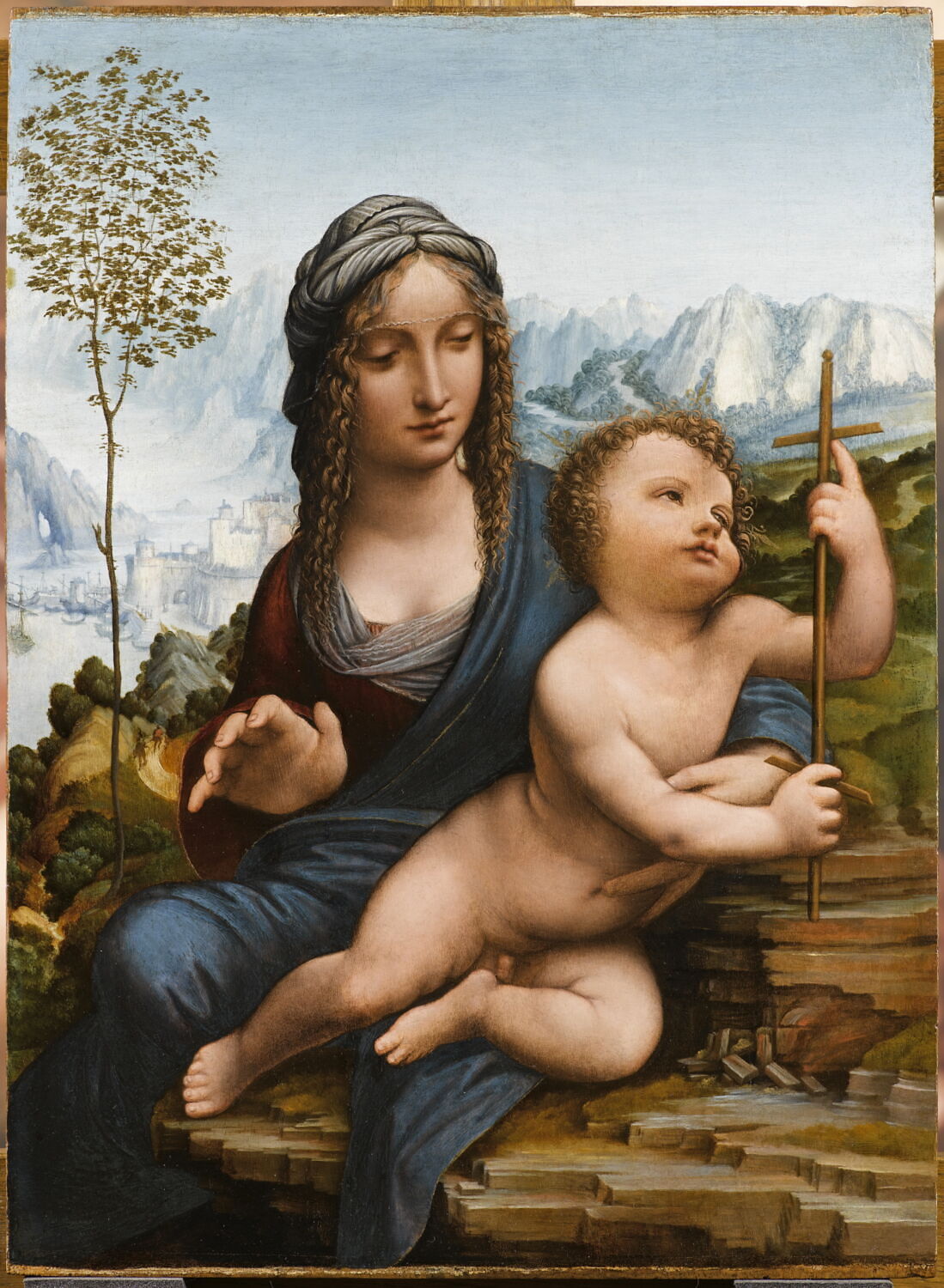
La Vierge et l'Enfant Jésus, dite Vierge au dévidoir ou Vierge aux fuseaux, Léonard de Vinci, XVIe siècle (vers 1505 - 1520)

Leonardo da Vinci

La Vierge et l'Enfant Jésus, dite Vierge au dévidoir ou Vierge aux fuseaux, XVIe siècle (vers 1505 - 1520)

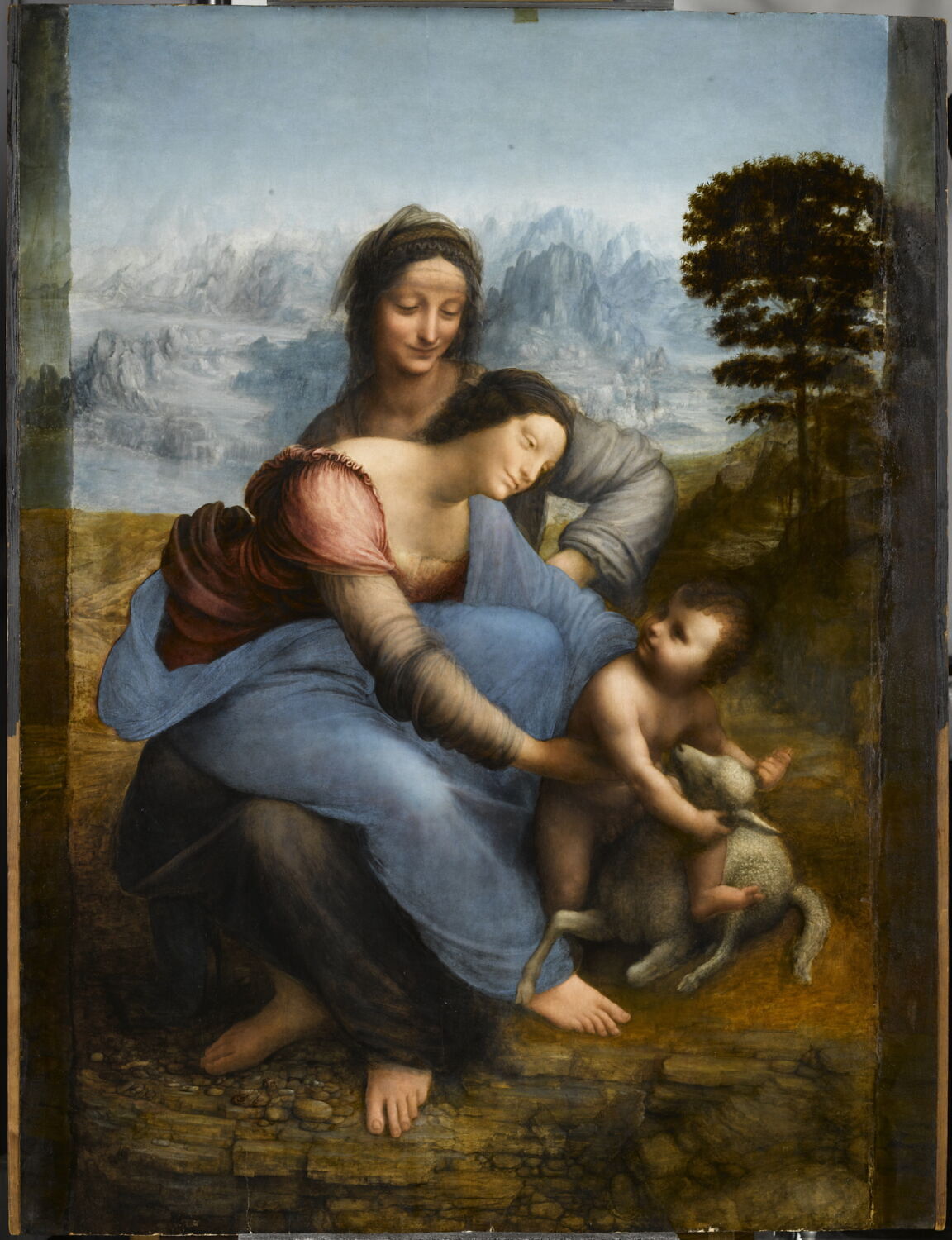
La Vierge, l'Enfant Jésus et sainte Anne, dit La Sainte Anne, Léonard de Vinci, 1e quart du XVIe siècle (vers 1503 - 1519)

Leonardo da Vinci

Maria met kind en Sint-Anna, 1e quart du XVIe siècle (vers 1503 - 1519)

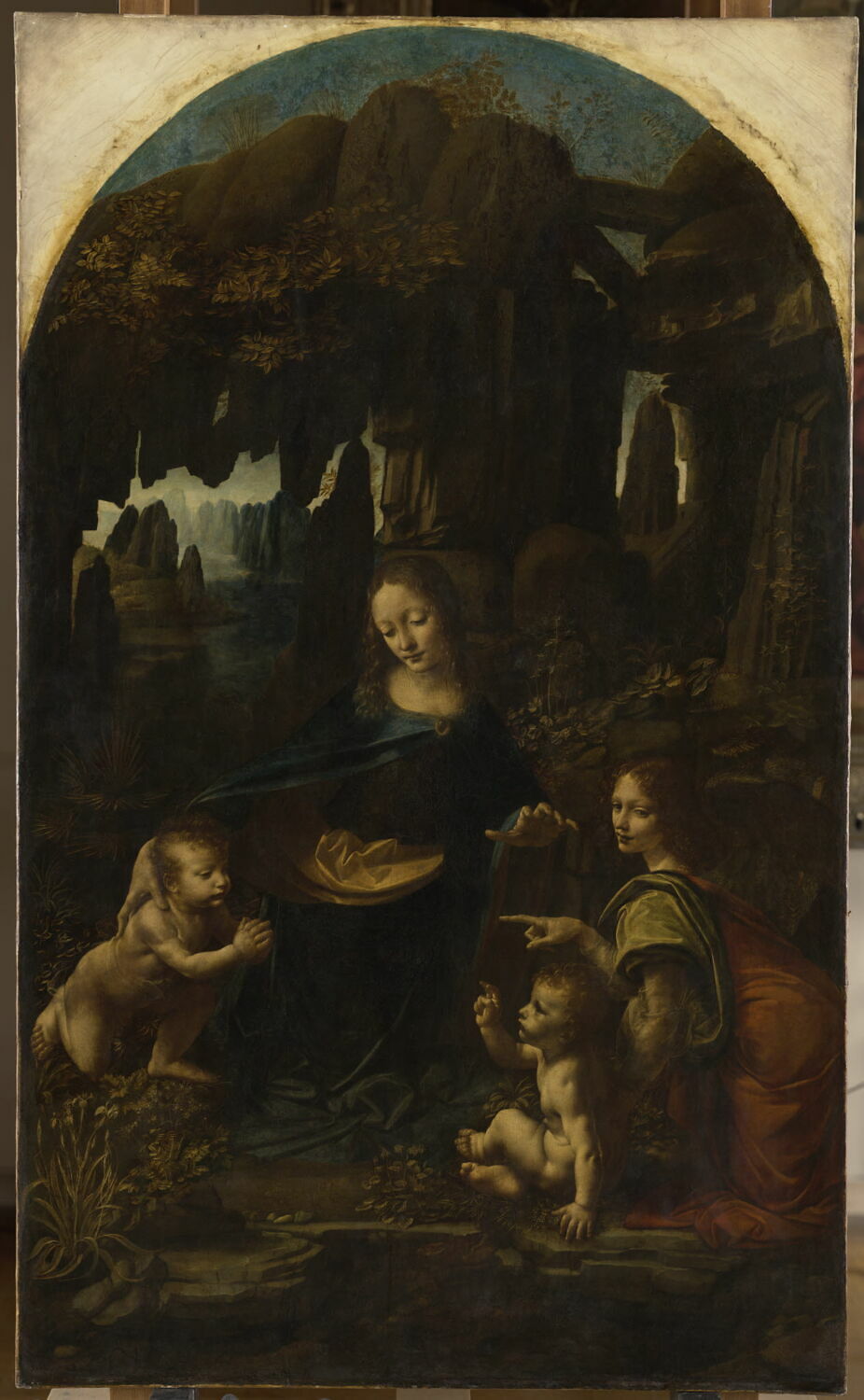
La Vierge, l'Enfant Jésus, saint Jean Baptiste et un ange, dit La Vierge aux rochers, Léonard de Vinci, 4e quart du XVe siècle (vers 1483 - 1494)

Leonardo da Vinci

La Vierge, l'Enfant Jésus, saint Jean Baptiste et un ange, dit La Vierge aux rochers, 4e quart du XVe siècle (vers 1483 - 1494)

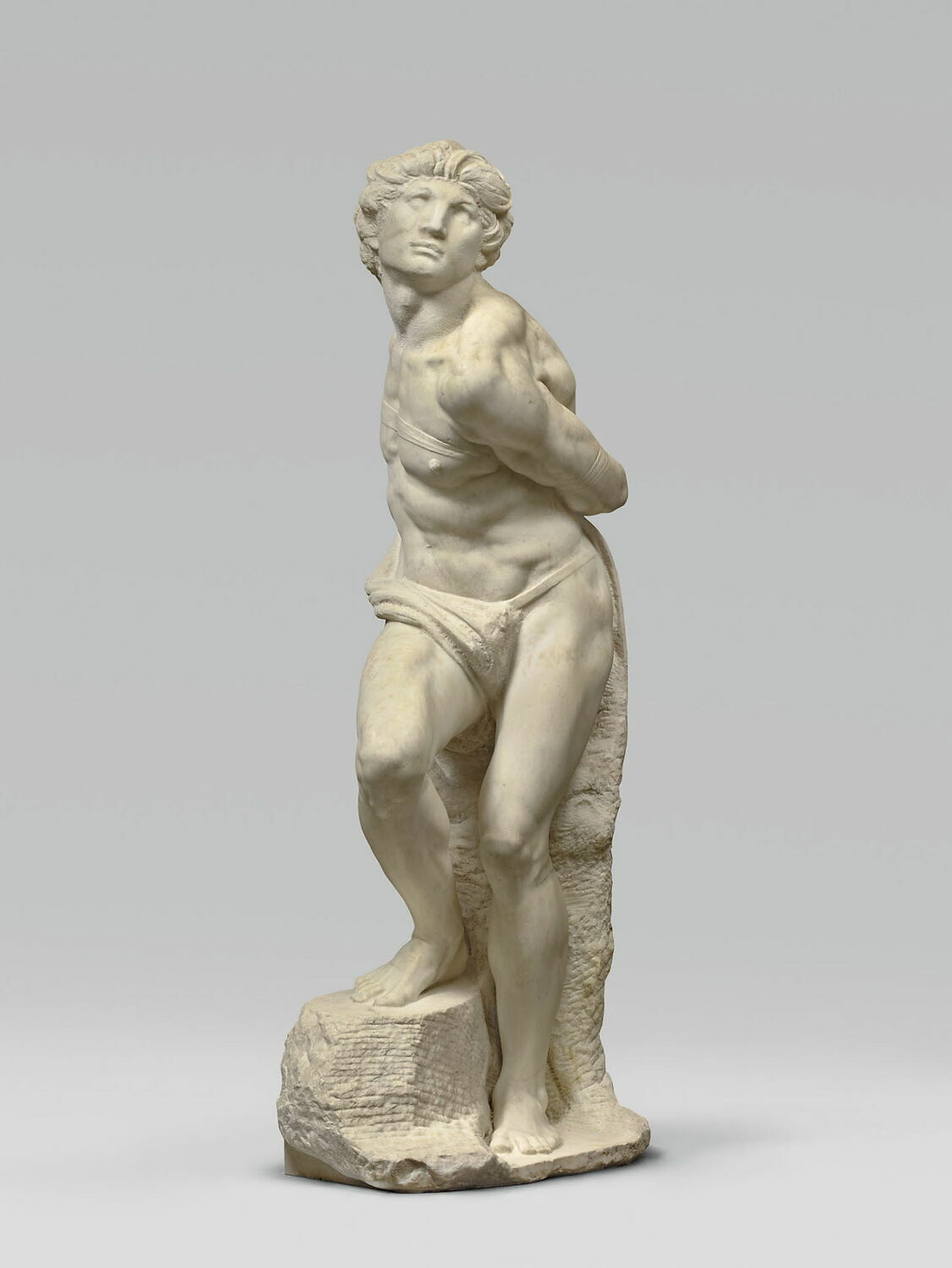
Esclave rebelle, Buonarroti, Michelangelo dit Michel-Ange, 1513 - 1515

Michelangelo

Rebellious Slave, 1513 - 1515

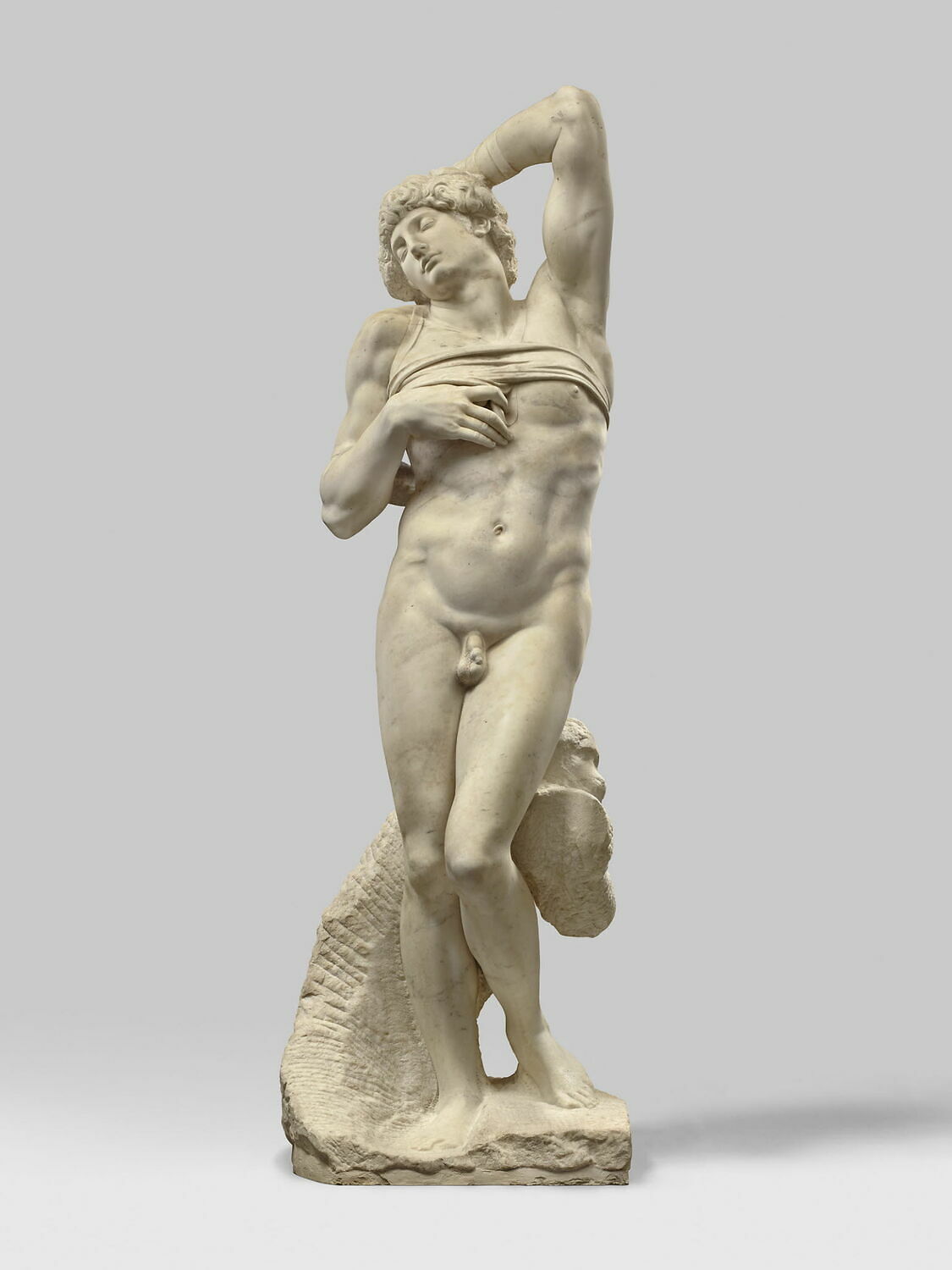
Esclave mourant, Buonarroti, Michelangelo dit Michel-Ange, 1513 - 1515

Michelangelo

Dying Slave, 1513 - 1515