ART WIKI32.963 te zien
KaartCollectieKunstenaarsMuseaTentoonstellingenJournal
Inloggen

ART WIKI

Waar het meesterwerk hangt en wanneer men u toelaat.

Collecties: Art Institute of Chicago, Cleveland Museum of Art, Getty Villa, Harvard Art Museums, Hermitage, Hirshhorn Museum and Sculpture Garden, J. Paul Getty Museum, Louvre, Metropolitan Museum of Art, Minneapolis Institute of Art, Museum of Modern Art, National Gallery of Art, National Museum of Asian Art, National Portrait Gallery, Poesjkinmuseum, Rijksmuseum Amsterdam, Russisch Museum, Smithsonian American Art Museum, Statens Museum for Kunst, Tretjakovgalerij, Victoria and Albert Museum, Whitney Museum of American Art, Staatscatalogus van het Russische museumfonds (274 musea), Europeana (19 musea), Wikidata (6 musea), Paris Musées (12 musea) en Joconde, de museumdatabank van het Franse ministerie van Cultuur (495 musea). De afbeeldingen behoren toe aan hun rechthebbenden.

Rubrieken

  • Kaart
  • Zoeken
  • Collectie
  • Meesterwerken
  • Nu te zien
  • Kunstenaars

Meer

  • Musea & galerieën
  • Tentoonstellingen
  • Journal
  • Waar de gegevens vandaan komen
  • Privacy & cookies
StartpaginaKaartCatalogus
  1. Collectie/
  2. Louvre/
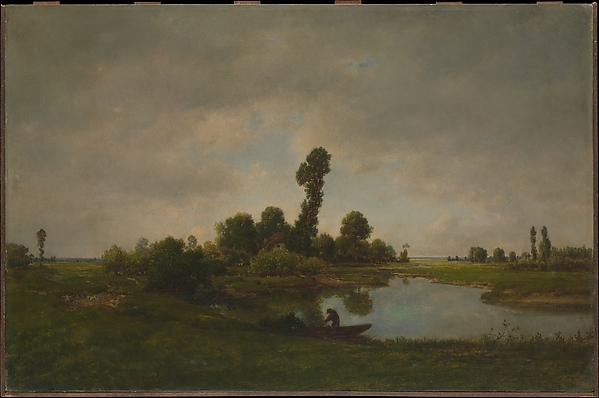
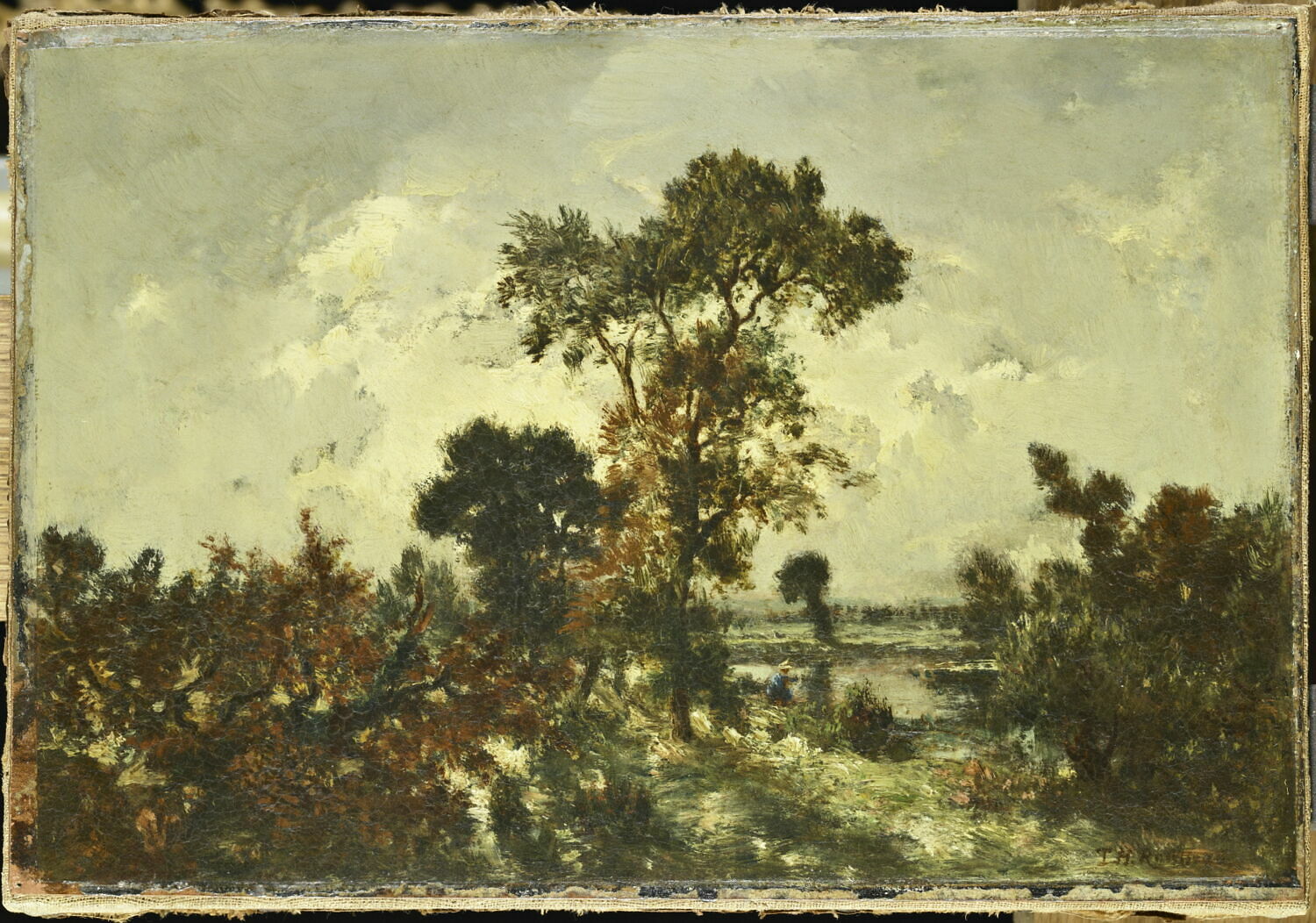
  3. Le petit pêcheur
Le petit pêcheur, Rousseau, Théodore, Milieu du XIXe siècle (1840 - 1860)
Théodore Rousseau, portretThéodore RousseauFrankrijk, 1812–1867

Le petit pêcheur

Milieu du XIXe siècle (1840 - 1860) · Peintures

Mag men het zien?

Ontvangt momenteel niet

Louvre

Parijs, Frankrijk

Het hoort bij de collectie, maar is momenteel niet tentoongesteld.

Gecontroleerd
11 dagen geleden
Ongewijzigd sinds
26 sep 2026
Bron
Het museum
Op de kaartMuseumpagina

Gegevens

Milieu du XIXe siècle (1840 - 1860)
18121867
Inventarisnummer
RF 1451

In de catalogus

SchilderijenOlieverfFranse schilderkunstRomantiekRealisme19e eeuw

Bronnen

  • Louvre
  • Afbeelding: Louvre — © 2011 GrandPalaisRmn (musée du Louvre) / Michel Urtado

Intussen, in het leven van Théodore Rousseau

Het hele leven
  1. 1836–1849

    “Le grand refusé”

    After 1841 Rousseau stopped sending work to the Salon until 1849; dubbed “le grand refusé”, he became known through the writings of his friend, the critic Théophile Thoré, while his father, who had at first regretted his son's forsaking business, sided with him in all his conflicts with the Salon. In these years of “artistic exile” Rousseau painted some of his best pictures: “The Chestnut Avenue”, “The Marsh in the Landes” (now in the Louvre) and “Hoar-Frost”.

  2. 1848

    Settles in Barbizon for good

    Until then Rousseau had lived at Barbizon only occasionally, but in 1848 he settled in the forest village (with his wife, by some accounts) and spent most of his remaining days in its vicinity. His neighbour, the landscape painter Jules Dupré, recalled how hard Rousseau found it to know when a picture was finished, and how he would sometimes carry off a canvas on which his friend had laboured too long.

  3. 1849

    Returns to the Salon

    In 1849 Rousseau sent work to the Salon again, and all three of his submissions were accepted. He could now obtain fair sums for his pictures, though only about a tenth of their value thirty years after his death, and his admirers grew in number.

  4. 1851

    Exhibits “The Edge of the Forest”

    In 1851, after the reorganization of the Salon of 1848, Rousseau exhibited his masterpiece, “The Edge of the Forest” (now in the Louvre). The authorities still ignored him: that year the Legion of Honour went to Narcisse Diaz, whom Rousseau had taught to paint trees, while he himself received the Cross only soon afterwards.

  5. 1855

    Exposition Universelle: the rejected pictures acclaimed

    At the Exposition Universelle of 1855, where all of Rousseau's pictures rejected over the previous twenty years were gathered together, his works were acknowledged as one of the best of the many groups exhibited.

  6. 1861

    A failed auction and a run of misfortunes

    After an unsuccessful auction of his works in 1861, Rousseau contemplated leaving Paris for Amsterdam or London, or even New York. A series of misfortunes followed: his wife's mental health worsened, his aged father came to depend on him for money, his patrons were few, and while he was away with his ill wife a youth living in his home, a friend of the family, committed suicide in his Barbizon cottage.
Meer van Théodore Rousseau

Alle werken
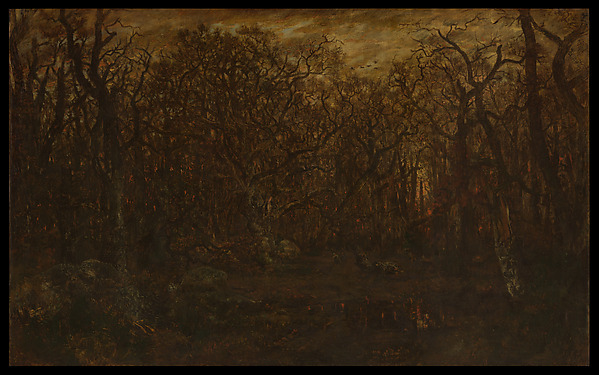
The Forest in Winter at Sunset, Théodore Rousseau, ca. 1846–67

The Forest in Winter at Sunset

ca. 1846–67 · Metropolitan Museum of Art

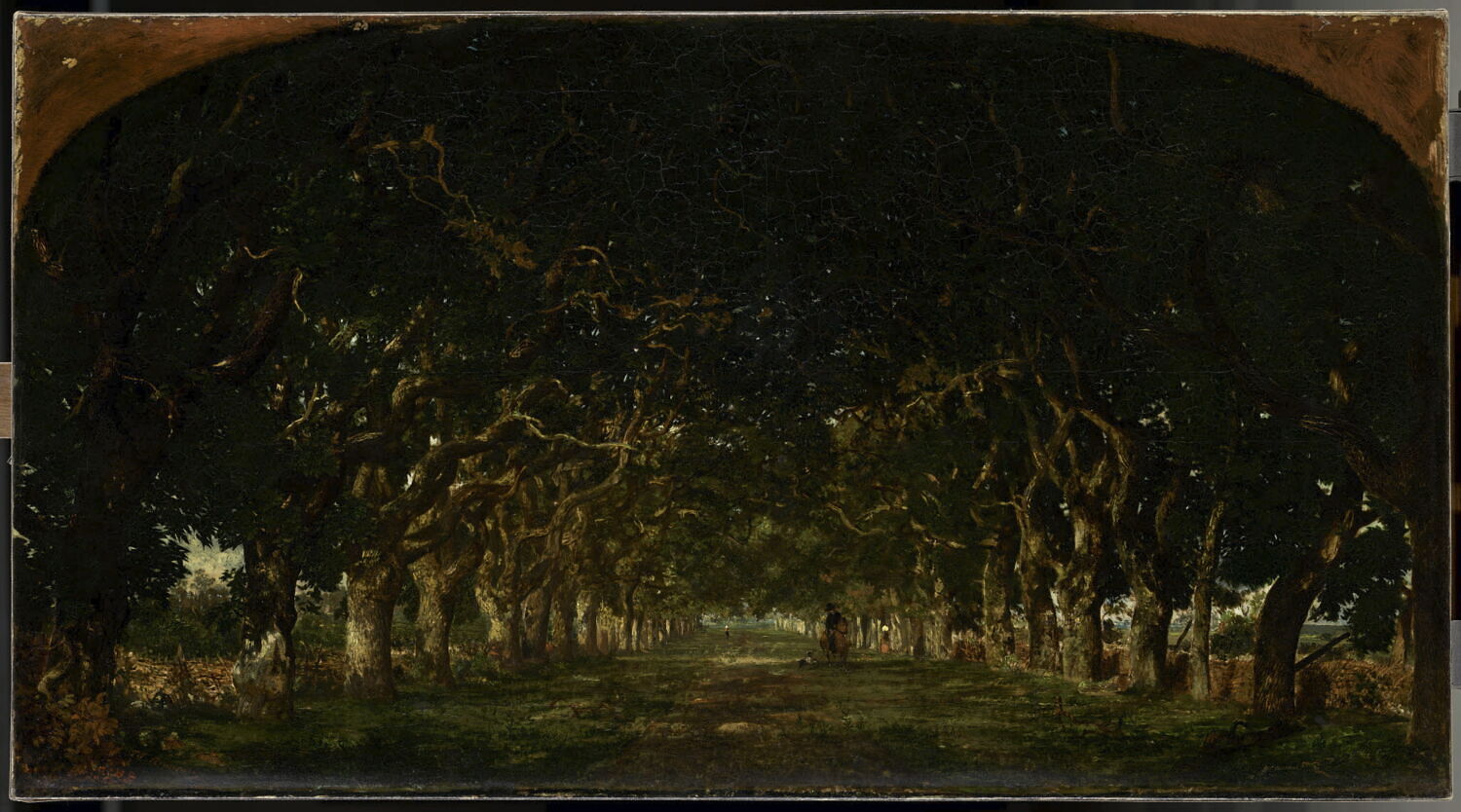
L'allée des châtaigniers, Rousseau, Théodore, 2e quart du XIXe siècle (1825 - 1850)

L'allée des châtaigniers

2e quart du XIXe siècle (1825 - 1850) · Louvre

Panoramic Landscape near the River Moselle, Théodore Rousseau, c. 1830

Panoramic Landscape near the River Moselle

c. 1830 · National Gallery of Art

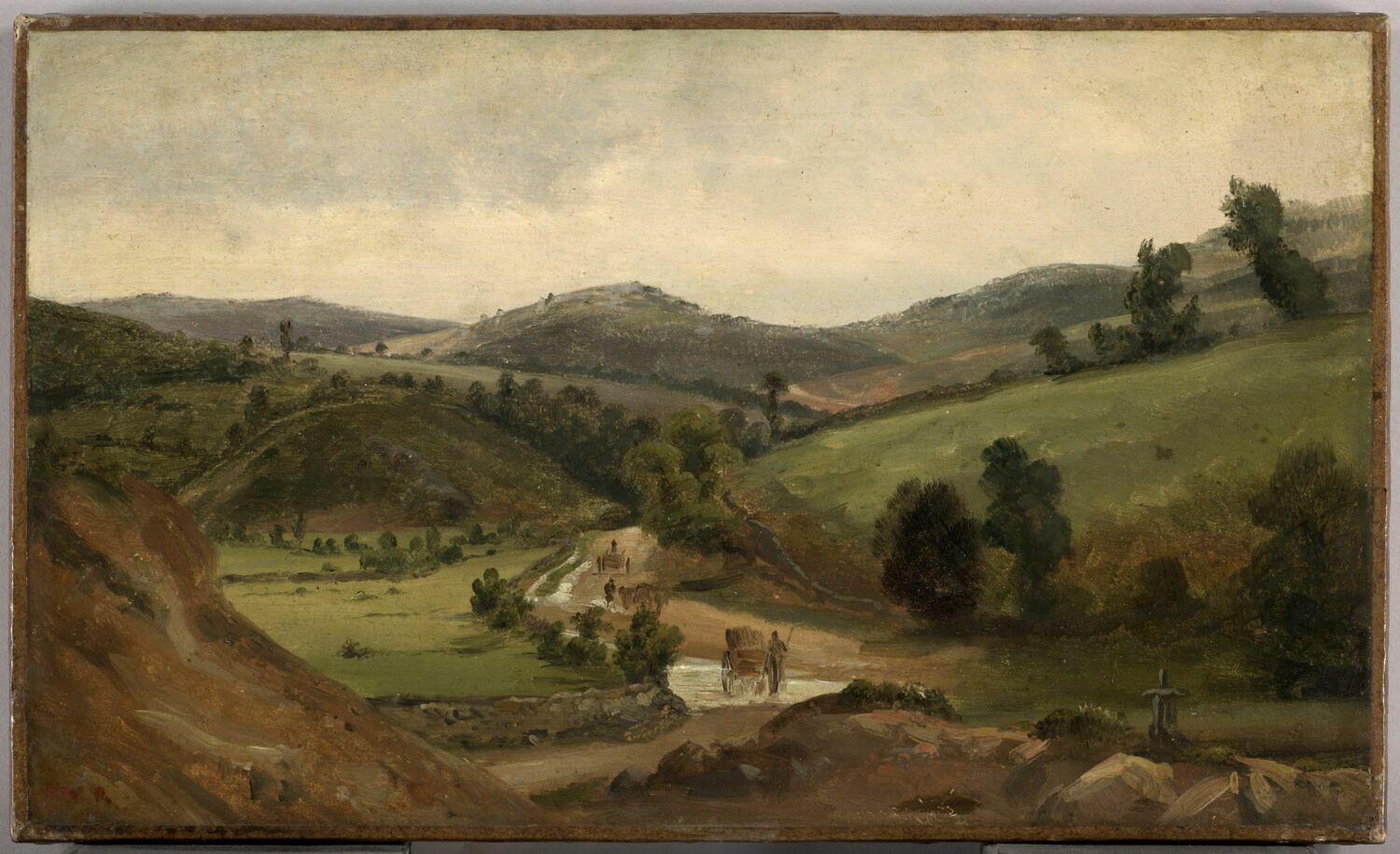
Paysage (Auvergne?), Rousseau, Théodore, 2e quart du XIXe siècle (vers 1830)

Paysage (Auvergne?)

2e quart du XIXe siècle (vers 1830) · Louvre

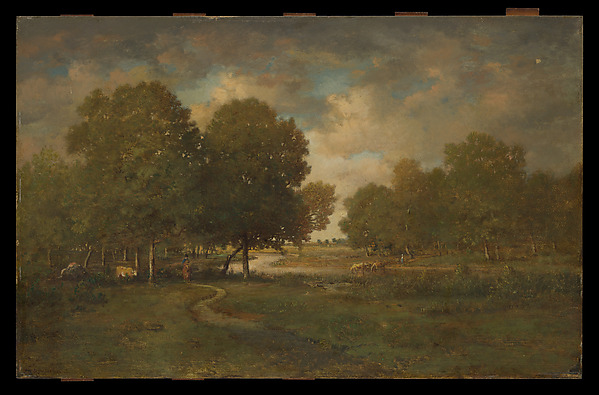
A River in a Meadow, Théodore Rousseau, ca. 1840

A River in a Meadow

ca. 1840 · Metropolitan Museum of Art

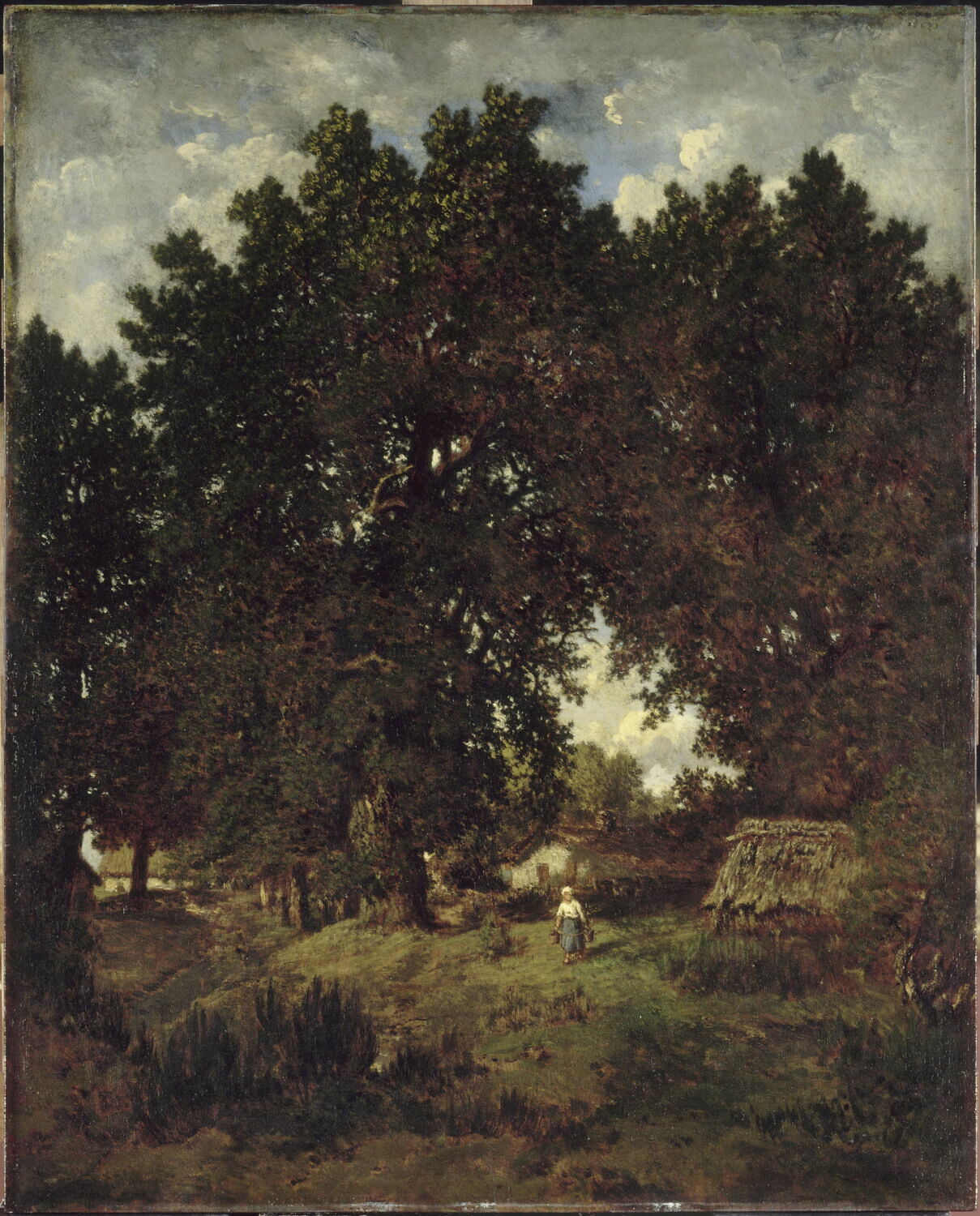
Village sous les arbres, Rousseau, Théodore, Milieu du XIXe siècle (1840 - 1860)

Village sous les arbres

Milieu du XIXe siècle (1840 - 1860) · Louvre

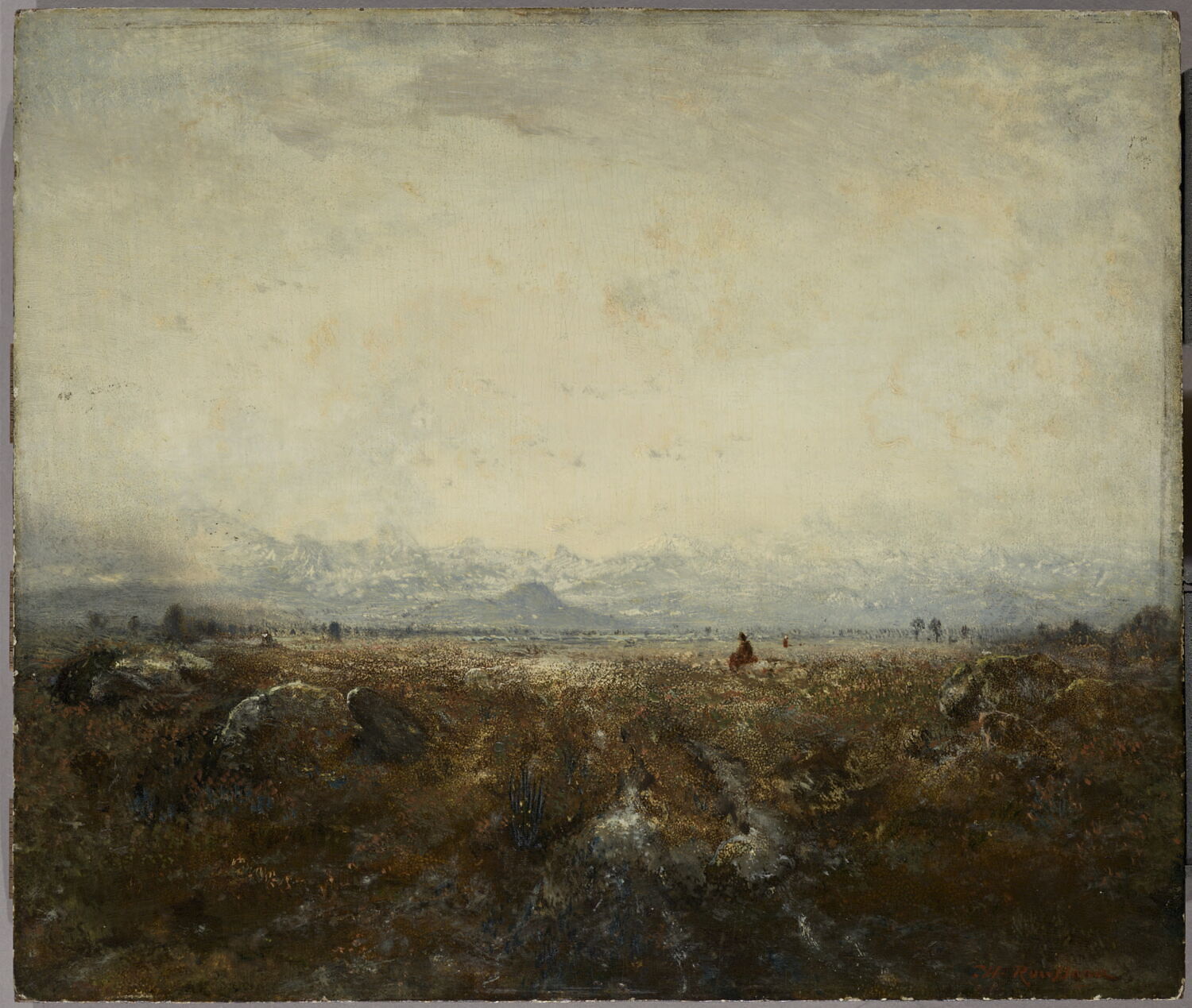
La plaine en avant des Pyrénées, Rousseau, Théodore, 2e quart du XIXe siècle (1844)

La plaine en avant des Pyrénées

2e quart du XIXe siècle (1844) · Louvre

A River Landscape, Théodore Rousseau, ca. 1845–50

A River Landscape

ca. 1845–50 · Metropolitan Museum of Art

Buren in huis: Louvre

Museumpagina
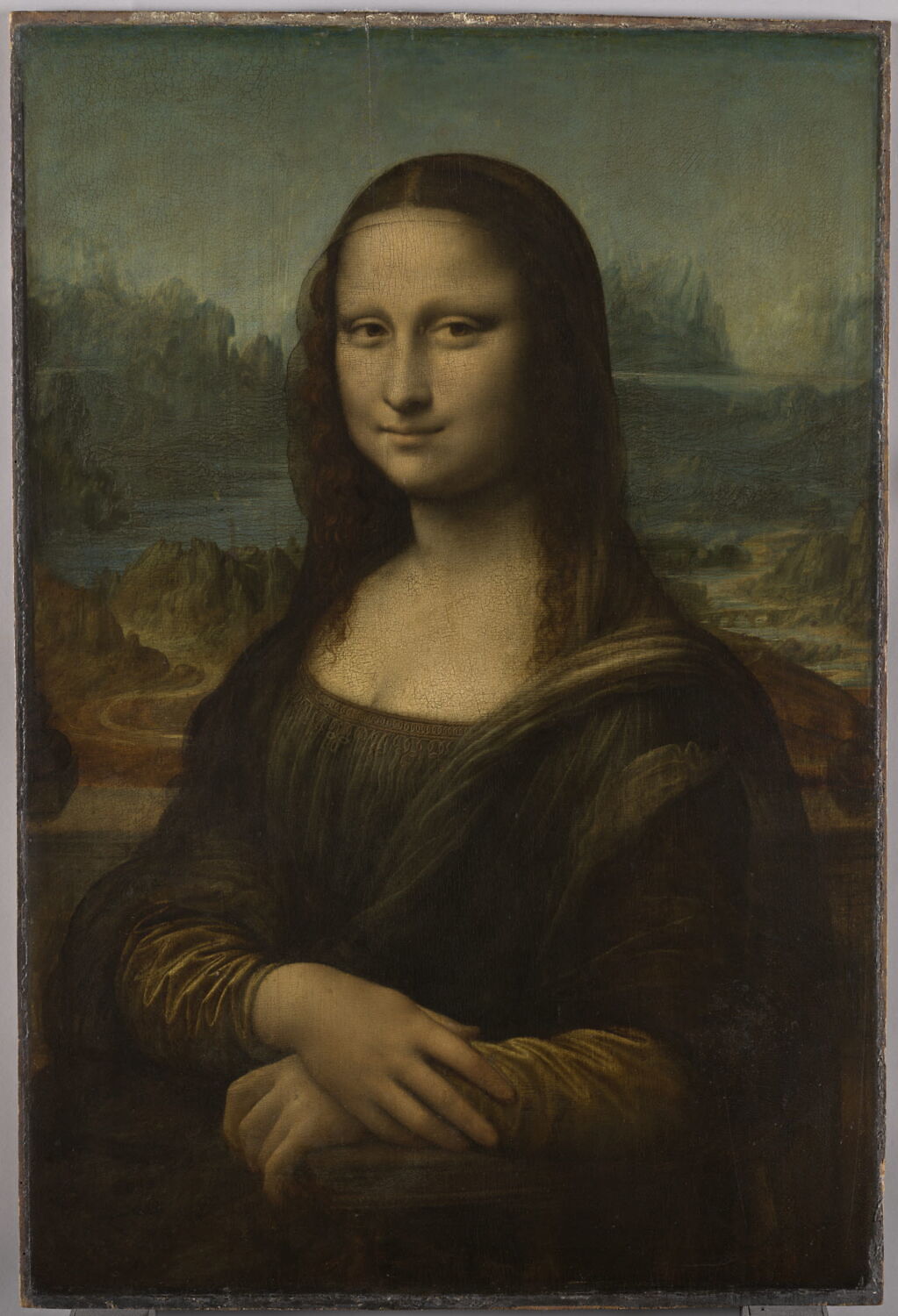
Portrait de Lisa Gherardini, épouse de Francesco del Giocondo, dit La Joconde ou Monna Lisa, Léonard de Vinci, 1e quart du XVIe siècle (1503 - 1519)

Leonardo da Vinci

Mona Lisa, 1e quart du XVIe siècle (1503 - 1519)

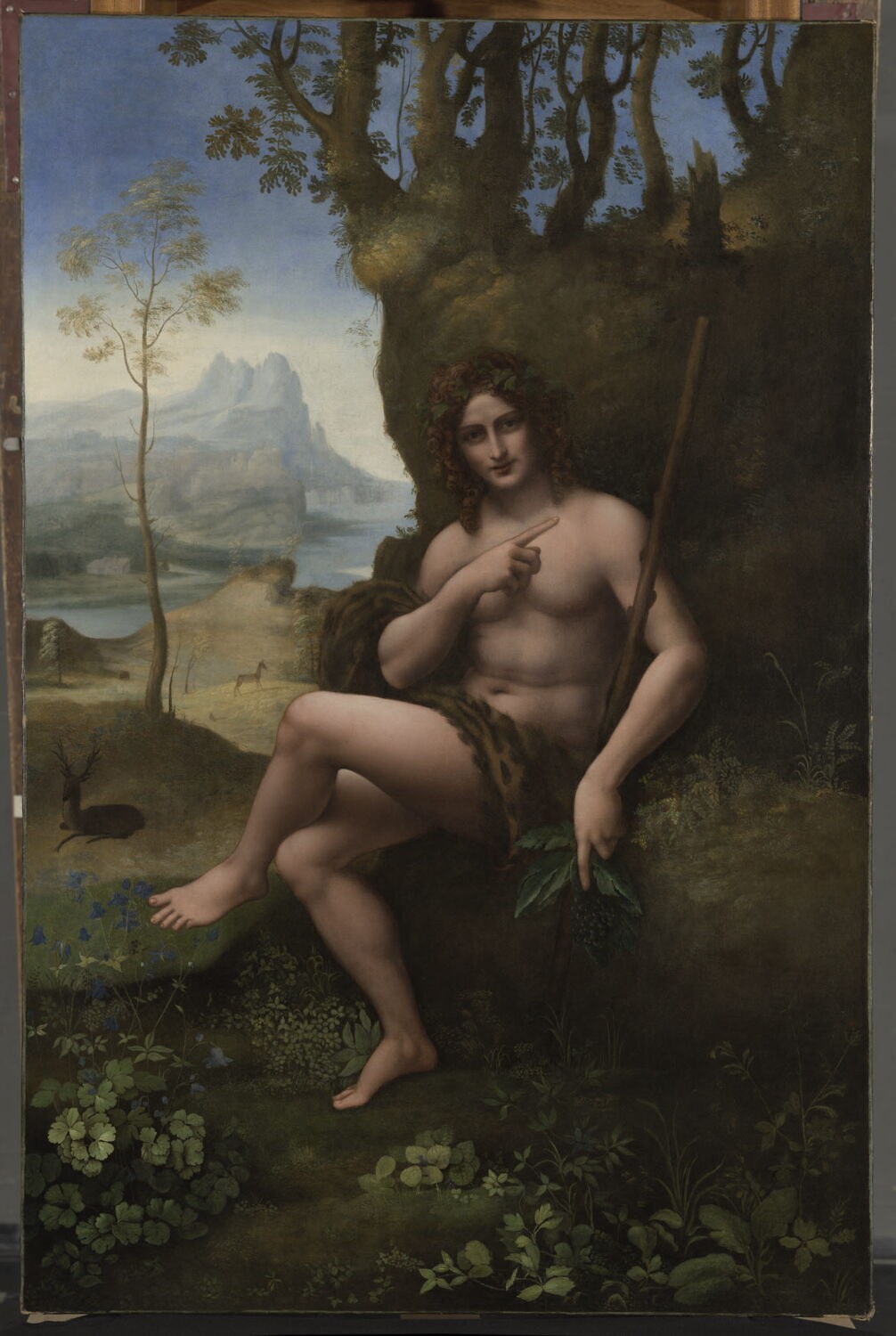
Saint Jean Baptiste, Léonard de Vinci, 1e quart du XVIe siècle (vers 1517 - 1520)

Leonardo da Vinci

Bacchus, 1e quart du XVIe siècle (vers 1517 - 1520)

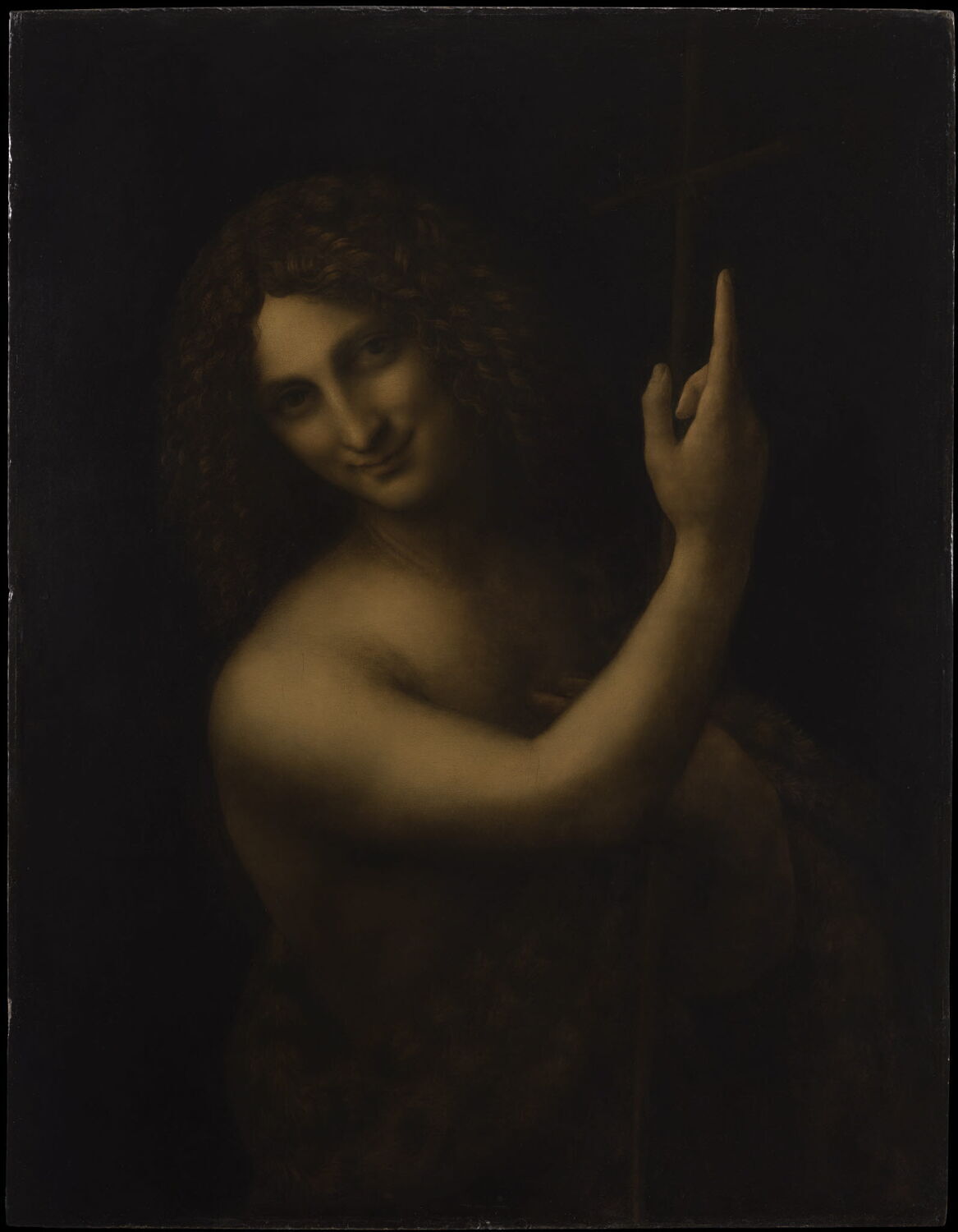
Saint Jean Baptiste, Léonard de Vinci, 1e quart du XVIe siècle (vers 1508 - 1519)

Leonardo da Vinci

Johannes de Doper, 1e quart du XVIe siècle (vers 1508 - 1519)

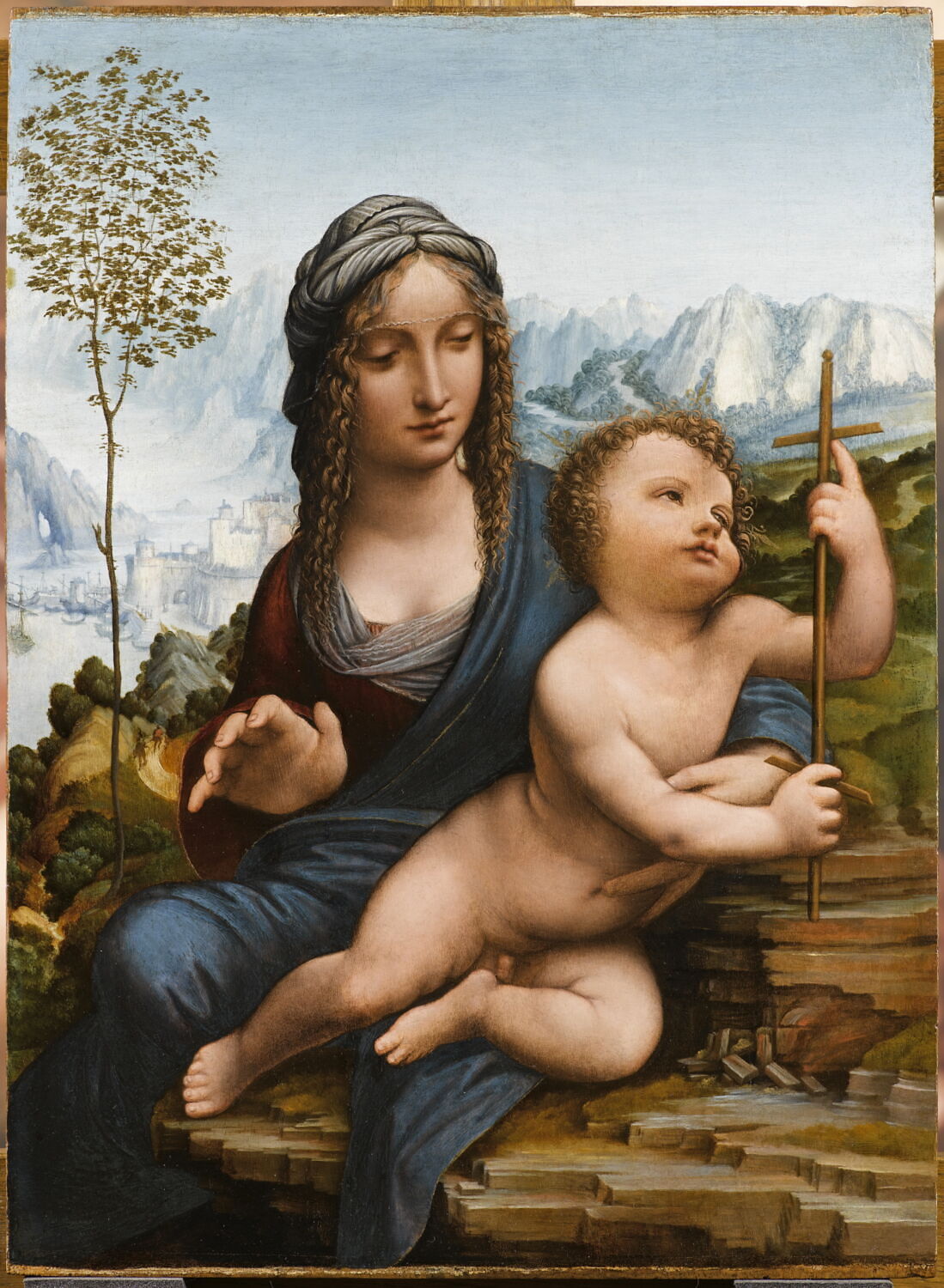
La Vierge et l'Enfant Jésus, dite Vierge au dévidoir ou Vierge aux fuseaux, Léonard de Vinci, XVIe siècle (vers 1505 - 1520)

Leonardo da Vinci

La Vierge et l'Enfant Jésus, dite Vierge au dévidoir ou Vierge aux fuseaux, XVIe siècle (vers 1505 - 1520)

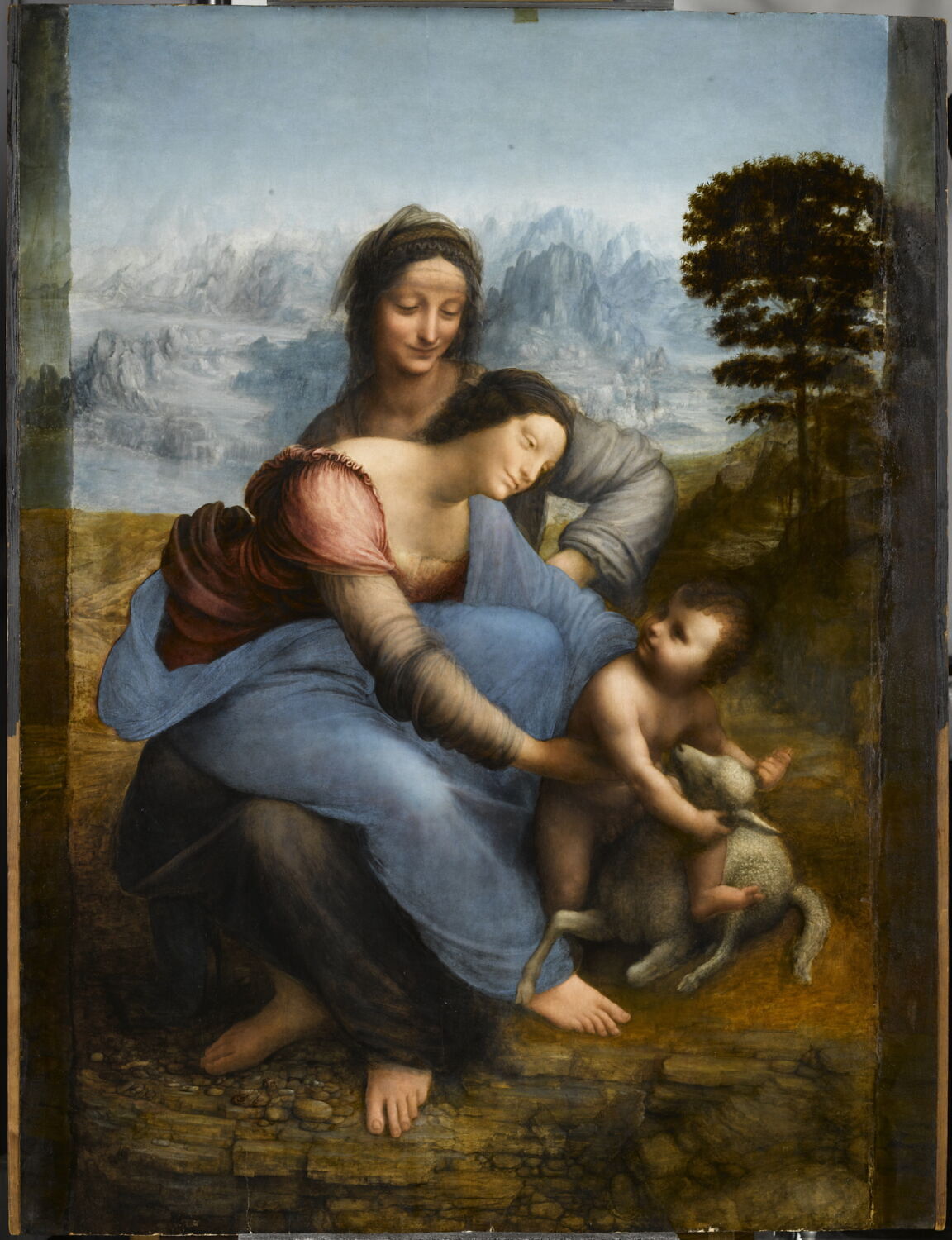
La Vierge, l'Enfant Jésus et sainte Anne, dit La Sainte Anne, Léonard de Vinci, 1e quart du XVIe siècle (vers 1503 - 1519)

Leonardo da Vinci

Maria met kind en Sint-Anna, 1e quart du XVIe siècle (vers 1503 - 1519)

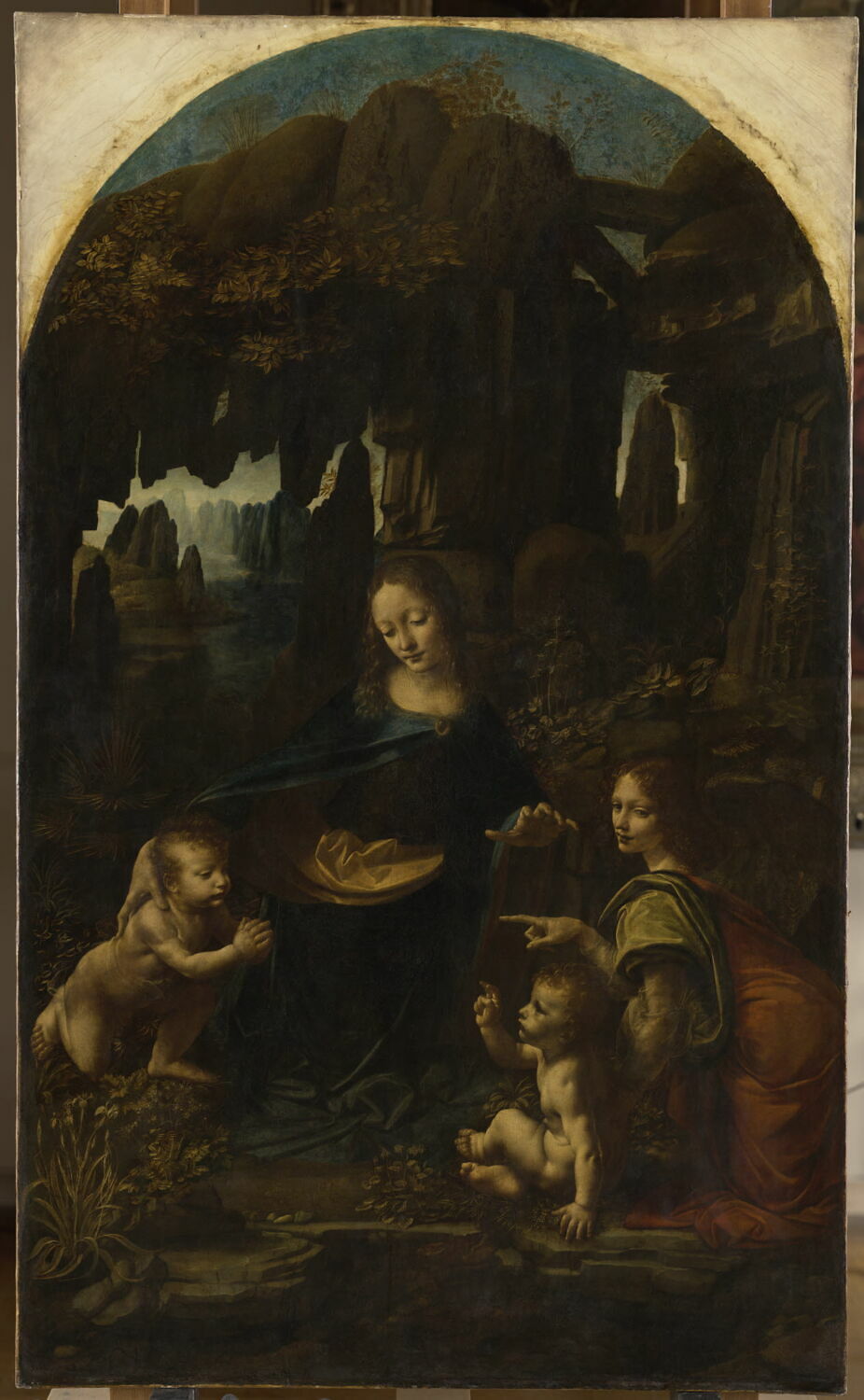
La Vierge, l'Enfant Jésus, saint Jean Baptiste et un ange, dit La Vierge aux rochers, Léonard de Vinci, 4e quart du XVe siècle (vers 1483 - 1494)

Leonardo da Vinci

La Vierge, l'Enfant Jésus, saint Jean Baptiste et un ange, dit La Vierge aux rochers, 4e quart du XVe siècle (vers 1483 - 1494)

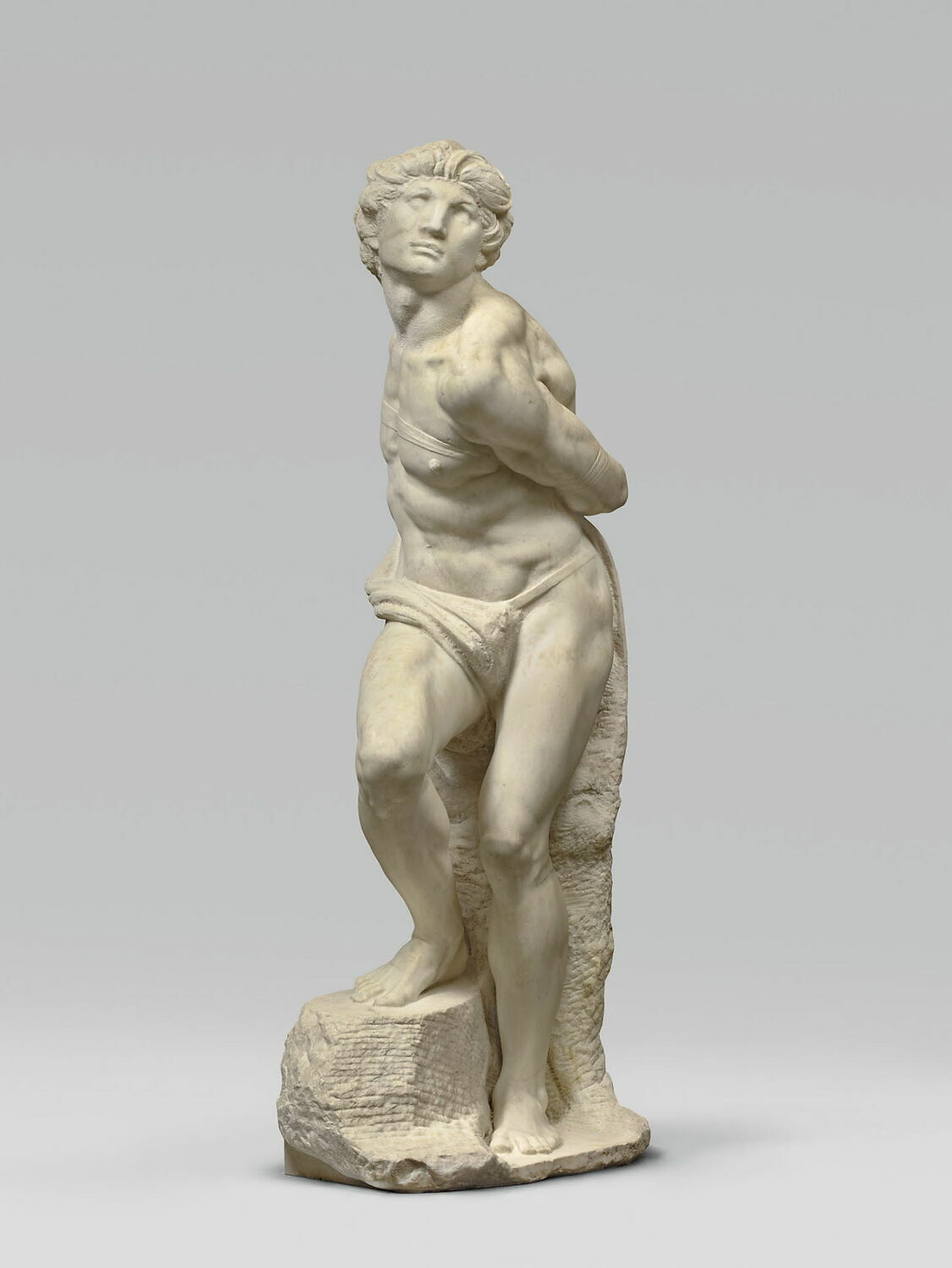
Esclave rebelle, Buonarroti, Michelangelo dit Michel-Ange, 1513 - 1515

Michelangelo

Rebellious Slave, 1513 - 1515

Esclave mourant, Buonarroti, Michelangelo dit Michel-Ange, 1513 - 1515

Michelangelo

Dying Slave, 1513 - 1515