ART WIKI32.963 te zien
KaartCollectieKunstenaarsMuseaTentoonstellingenJournal
Inloggen

ART WIKI

Waar het meesterwerk hangt en wanneer men u toelaat.

Collecties: Art Institute of Chicago, Cleveland Museum of Art, Getty Villa, Harvard Art Museums, Hermitage, Hirshhorn Museum and Sculpture Garden, J. Paul Getty Museum, Louvre, Metropolitan Museum of Art, Minneapolis Institute of Art, Museum of Modern Art, National Gallery of Art, National Museum of Asian Art, National Portrait Gallery, Poesjkinmuseum, Rijksmuseum Amsterdam, Russisch Museum, Smithsonian American Art Museum, Statens Museum for Kunst, Tretjakovgalerij, Victoria and Albert Museum, Whitney Museum of American Art, Staatscatalogus van het Russische museumfonds (274 musea), Europeana (19 musea), Wikidata (6 musea), Paris Musées (12 musea) en Joconde, de museumdatabank van het Franse ministerie van Cultuur (495 musea). De afbeeldingen behoren toe aan hun rechthebbenden.

Rubrieken

  • Kaart
  • Zoeken
  • Collectie
  • Meesterwerken
  • Nu te zien
  • Kunstenaars

Meer

  • Musea & galerieën
  • Tentoonstellingen
  • Journal
  • Waar de gegevens vandaan komen
  • Privacy & cookies
StartpaginaKaartCatalogus
  1. Collectie/
  2. Louvre/
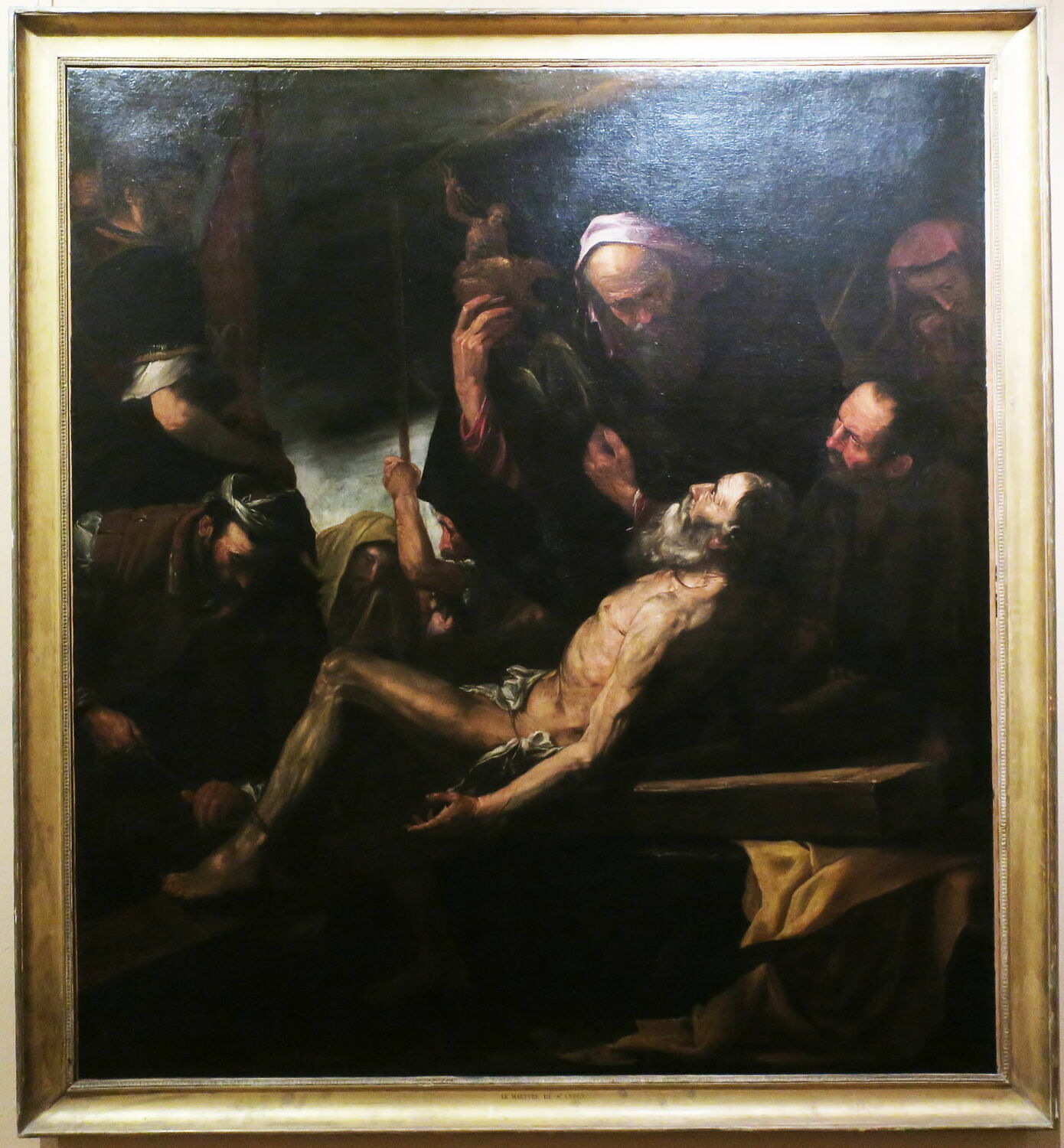
  3. Le Martyre de saint André
Le Martyre de saint André, Espagne, XVIIe siècle (1600 - 1700)
Jusepe de Ribera, portretJusepe de RiberaSpanje, 1591–1652

Le Martyre de saint André

XVIIe siècle (1600 - 1700) · Peintures

Mag men het zien?

Onbekend

Louvre

Parijs, Frankrijk

De eigenaar is bekend; of het werk nu te zien is, is onbekend.

Ongewijzigd sinds
26 sep 2026
Bron
Het museum
Op de kaartMuseumpagina

Gegevens

Inventarisnummer
INV 20941

In de catalogus

SchilderijenSpaanse schilderkunstBarok17e eeuw

Bronnen

  • Louvre
  • Afbeelding: Louvre — © 2019 Musée du Louvre / Département des Peintures

Intussen, in het leven van Jusepe de Ribera

Het hele leven
  1. not after 1613 (possibly from 1606)

    Sets out for Italy to study the old masters

    Probably no later than 1613, perhaps as early as 1606, Ribera leaves for Italy to study the paintings of the old masters: first north to Cremona, Milan and Parma, then to Rome, where he gets to know the work of Guido Reni and Ludovico Carracci. Other accounts allow that he may have been there as early as 1605–09; he never returns to Spain.

  2. late 1616

    The permanent move to Naples

    In late 1616 Ribera moves to Naples, then ruled by Spain, for good — according to Mancini, to escape his creditors, since he lived beyond his means despite a high income. Many of his paintings will be taken back to Spain by returning Spaniards, but he himself never goes back.

  3. late 1620s

    Recognised as Naples's leading painter

    Ribera's career picks up in the late 1620s, and he is accepted as the leading painter in Naples thereafter; he runs a workshop with many pupils, among them Francesco Fracanzano, Luca Giordano, Bartolomeo Passante and Hendrick de Somer.

  4. 1630

    Velázquez visits Ribera in Naples

    In 1630 Diego Velázquez visits Ribera in Naples — evidence of how well known the master was in his homeland.

  5. 1647–1648

    The uprising against Spain: refuge in the palace

    During the uprising against Spanish rule in 1647–48 Ribera and his family take refuge in the Viceroy's palace.

  6. 3 september 1652

    Died

Meer van Jusepe de Ribera

Alle werken
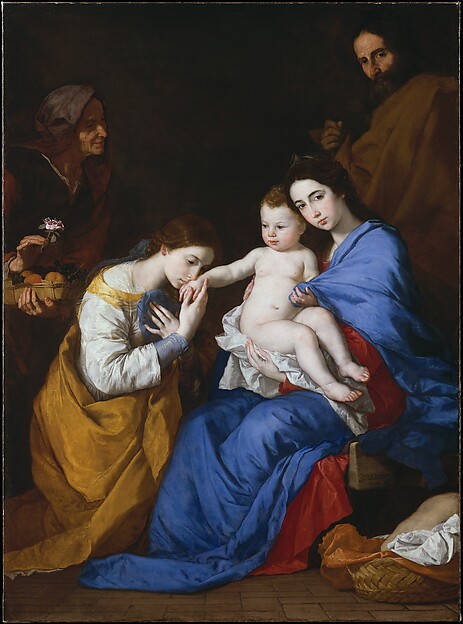
The Holy Family with Saints Anne and Catherine of Alexandria, Jusepe de Ribera, 1648

The Holy Family with Saints Anne and Catherine of Alexandria

1648 · Metropolitan Museum of Art

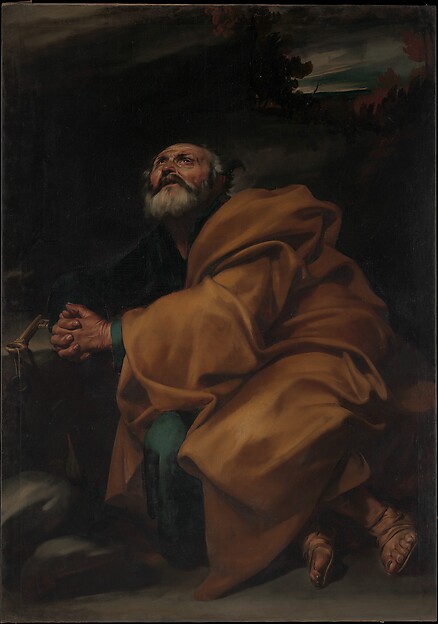
The Tears of Saint Peter, Jusepe de Ribera, ca. 1612–13

The Tears of Saint Peter

ca. 1612–13 · Metropolitan Museum of Art

St Jerome and the Angel, Jusepe de Ribera, 1626

St Jerome and the Angel

1626 · Hermitage

St Sebastian Cured by St Irene, Jusepe de Ribera, 1628

St Sebastian Cured by St Irene

1628 · Hermitage

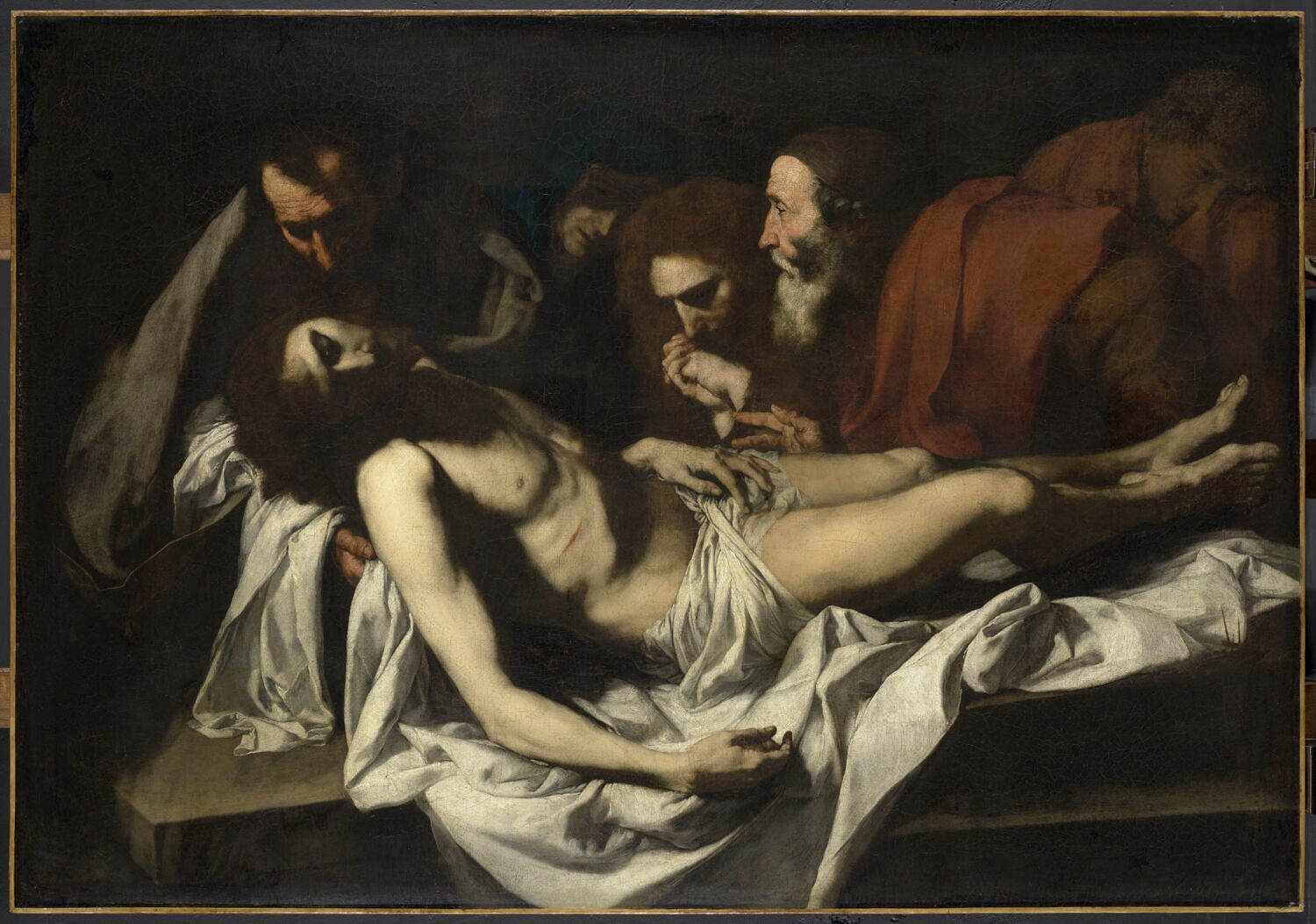
La Mise au tombeau, Ribera, Jusepe de, 2e quart du XVIIe siècle (vers 1628 - 1630)

La Mise au tombeau

2e quart du XVIIe siècle (vers 1628 - 1630) · Louvre

Ecce Homo, Jusepe de Ribera, 1630s

Ecce Homo

1630s · Hermitage

Euclid, Jusepe de Ribera, about 1630–1635

Euclid

about 1630–1635 · J. Paul Getty Museum

The Martyrdom of Saint Bartholomew, Jusepe de Ribera, 1634

The Martyrdom of Saint Bartholomew

1634 · National Gallery of Art

Buren in huis: Louvre

Museumpagina
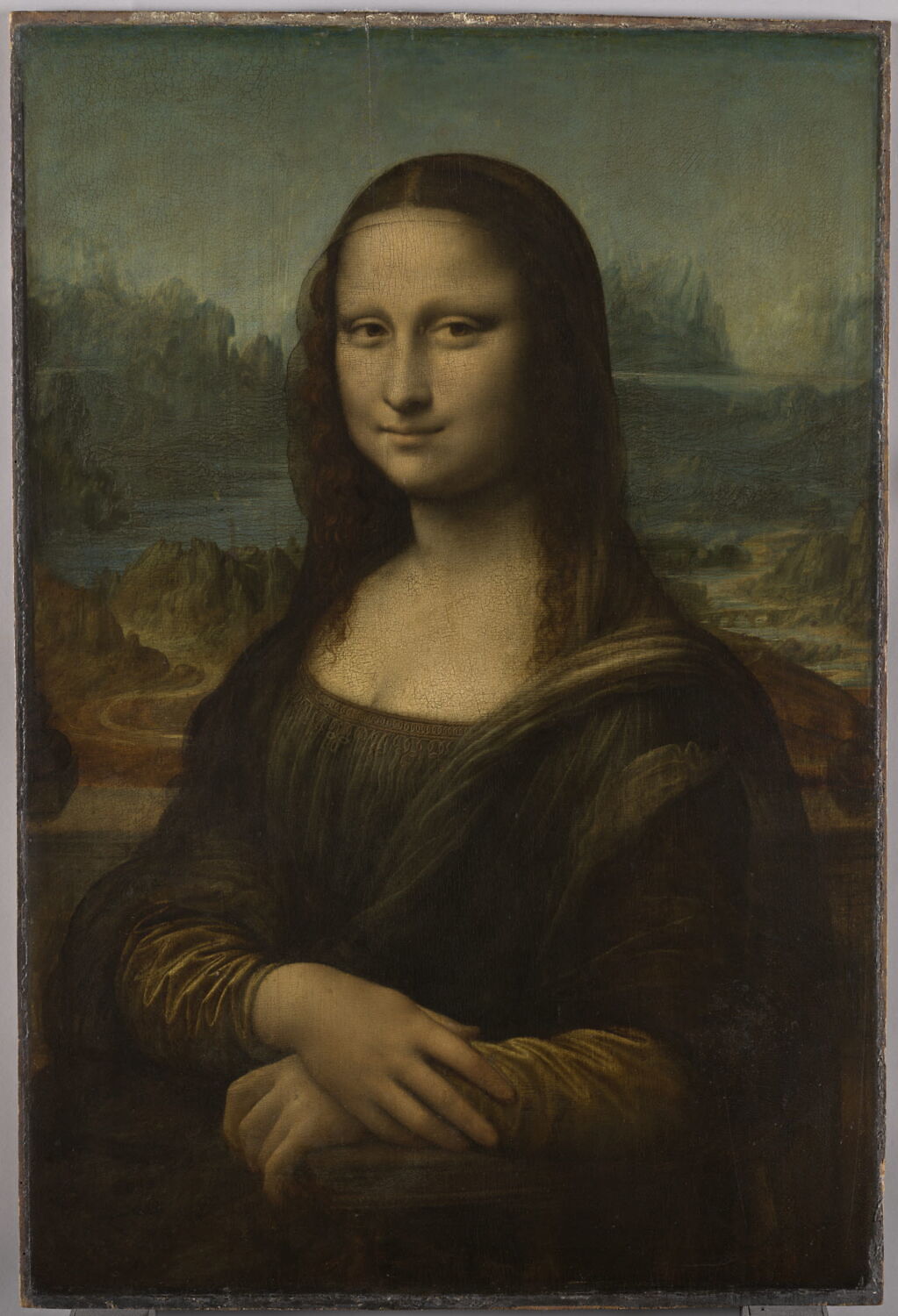
Portrait de Lisa Gherardini, épouse de Francesco del Giocondo, dit La Joconde ou Monna Lisa, Léonard de Vinci, 1e quart du XVIe siècle (1503 - 1519)

Leonardo da Vinci

Mona Lisa, 1e quart du XVIe siècle (1503 - 1519)

Saint Jean Baptiste, Léonard de Vinci, 1e quart du XVIe siècle (vers 1517 - 1520)

Leonardo da Vinci

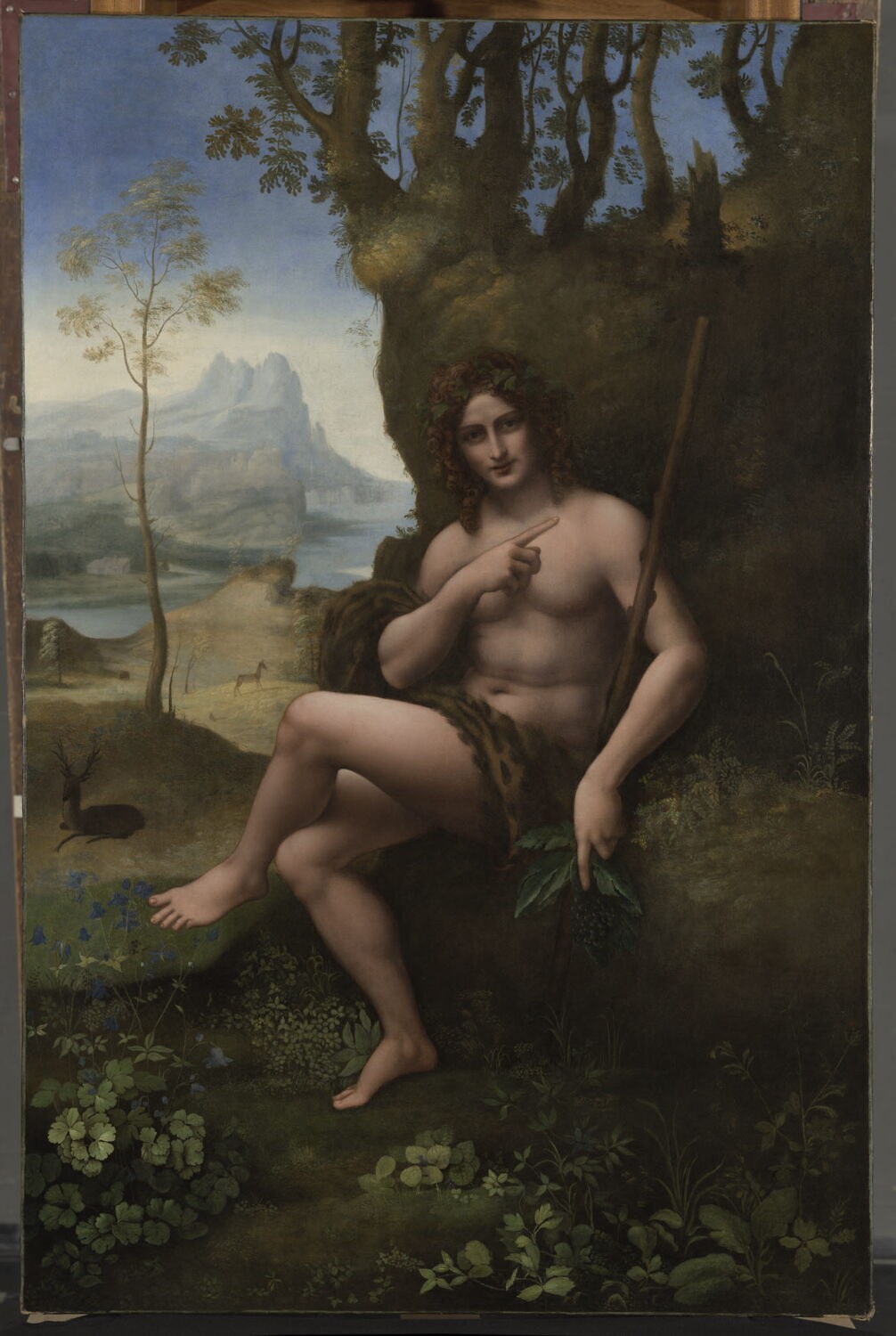
Bacchus, 1e quart du XVIe siècle (vers 1517 - 1520)

Saint Jean Baptiste, Léonard de Vinci, 1e quart du XVIe siècle (vers 1508 - 1519)

Leonardo da Vinci

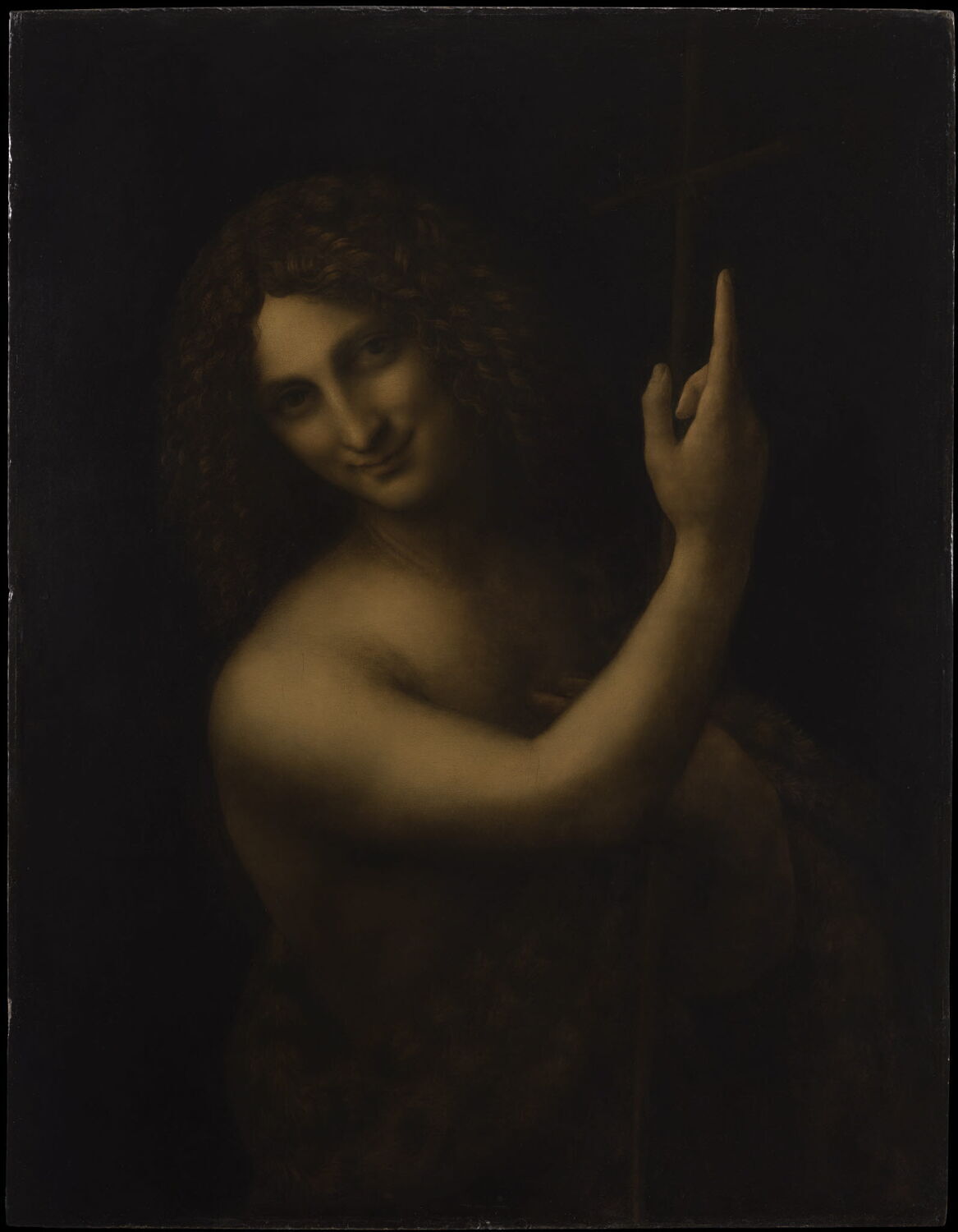
Johannes de Doper, 1e quart du XVIe siècle (vers 1508 - 1519)

La Vierge et l'Enfant Jésus, dite Vierge au dévidoir ou Vierge aux fuseaux, Léonard de Vinci, XVIe siècle (vers 1505 - 1520)

Leonardo da Vinci

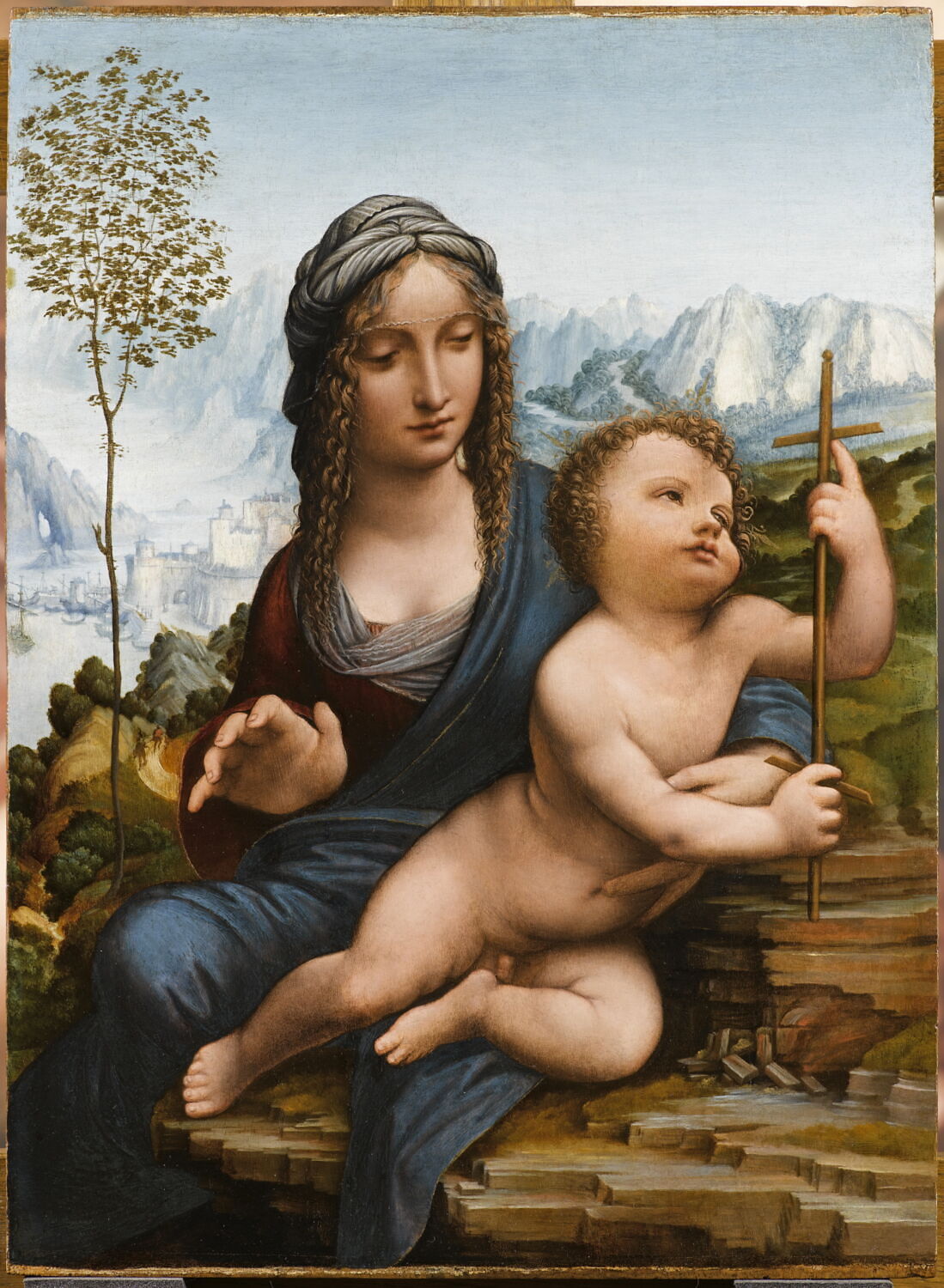
La Vierge et l'Enfant Jésus, dite Vierge au dévidoir ou Vierge aux fuseaux, XVIe siècle (vers 1505 - 1520)

La Vierge, l'Enfant Jésus et sainte Anne, dit La Sainte Anne, Léonard de Vinci, 1e quart du XVIe siècle (vers 1503 - 1519)

Leonardo da Vinci

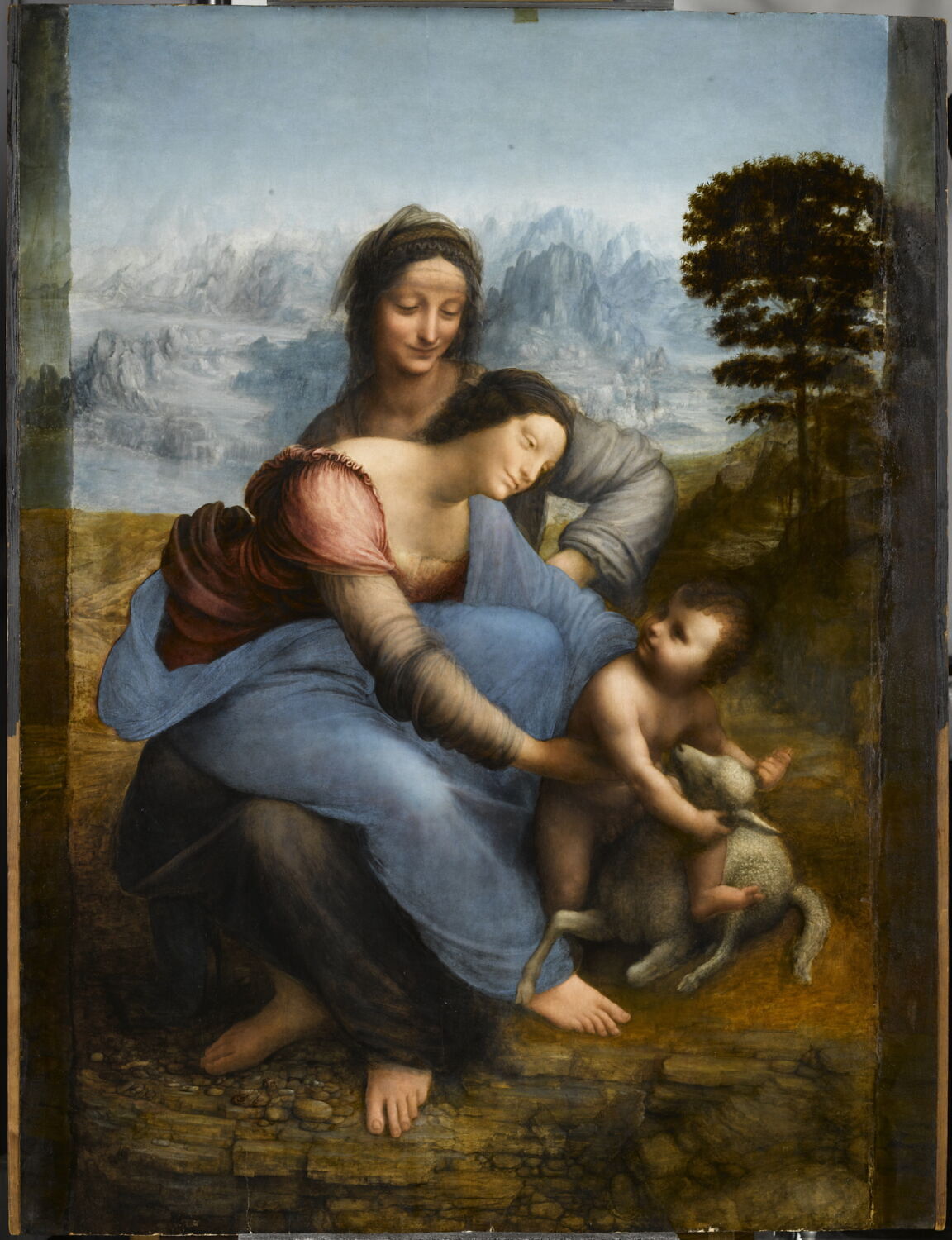
Maria met kind en Sint-Anna, 1e quart du XVIe siècle (vers 1503 - 1519)

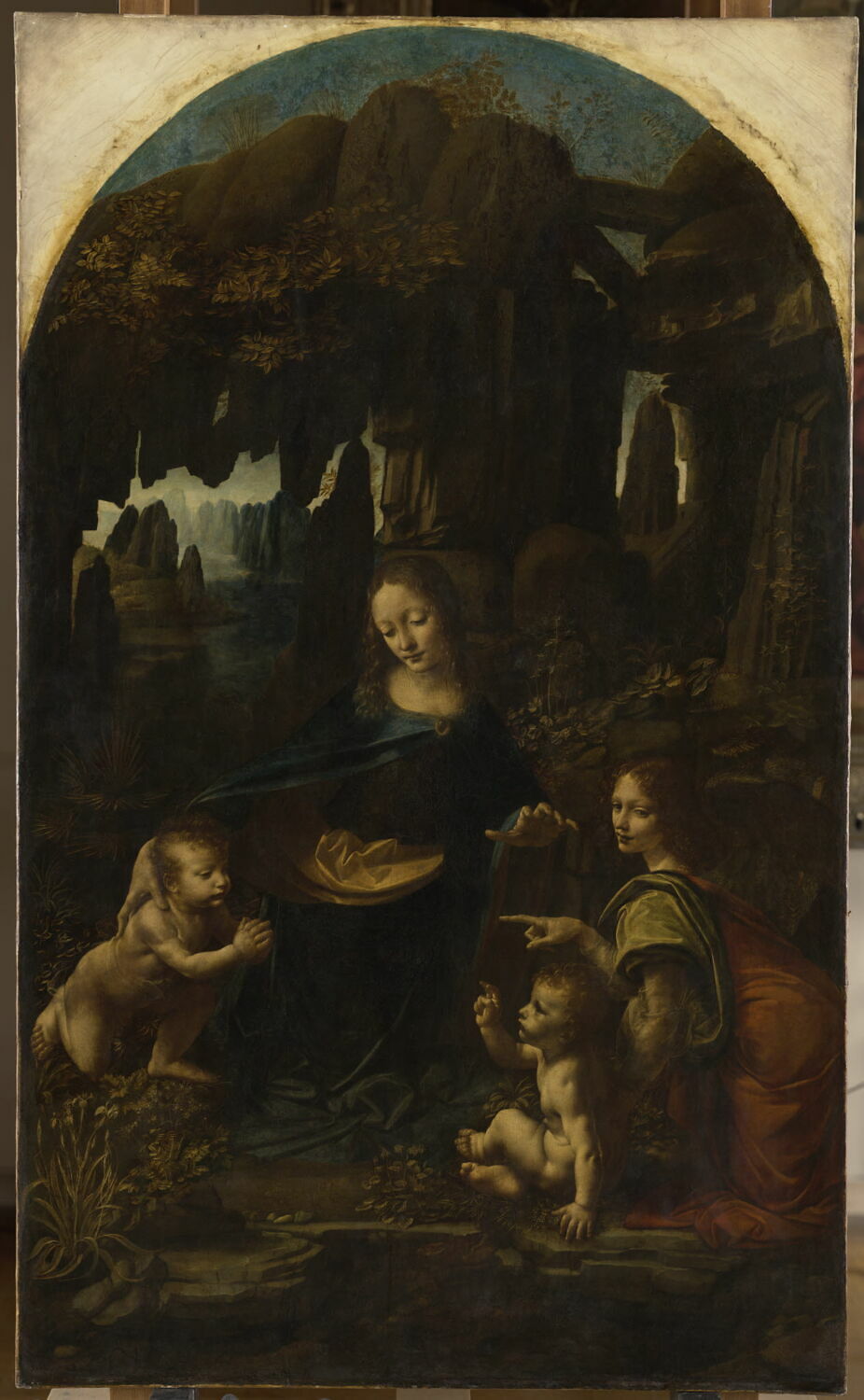
La Vierge, l'Enfant Jésus, saint Jean Baptiste et un ange, dit La Vierge aux rochers, Léonard de Vinci, 4e quart du XVe siècle (vers 1483 - 1494)

Leonardo da Vinci

La Vierge, l'Enfant Jésus, saint Jean Baptiste et un ange, dit La Vierge aux rochers, 4e quart du XVe siècle (vers 1483 - 1494)

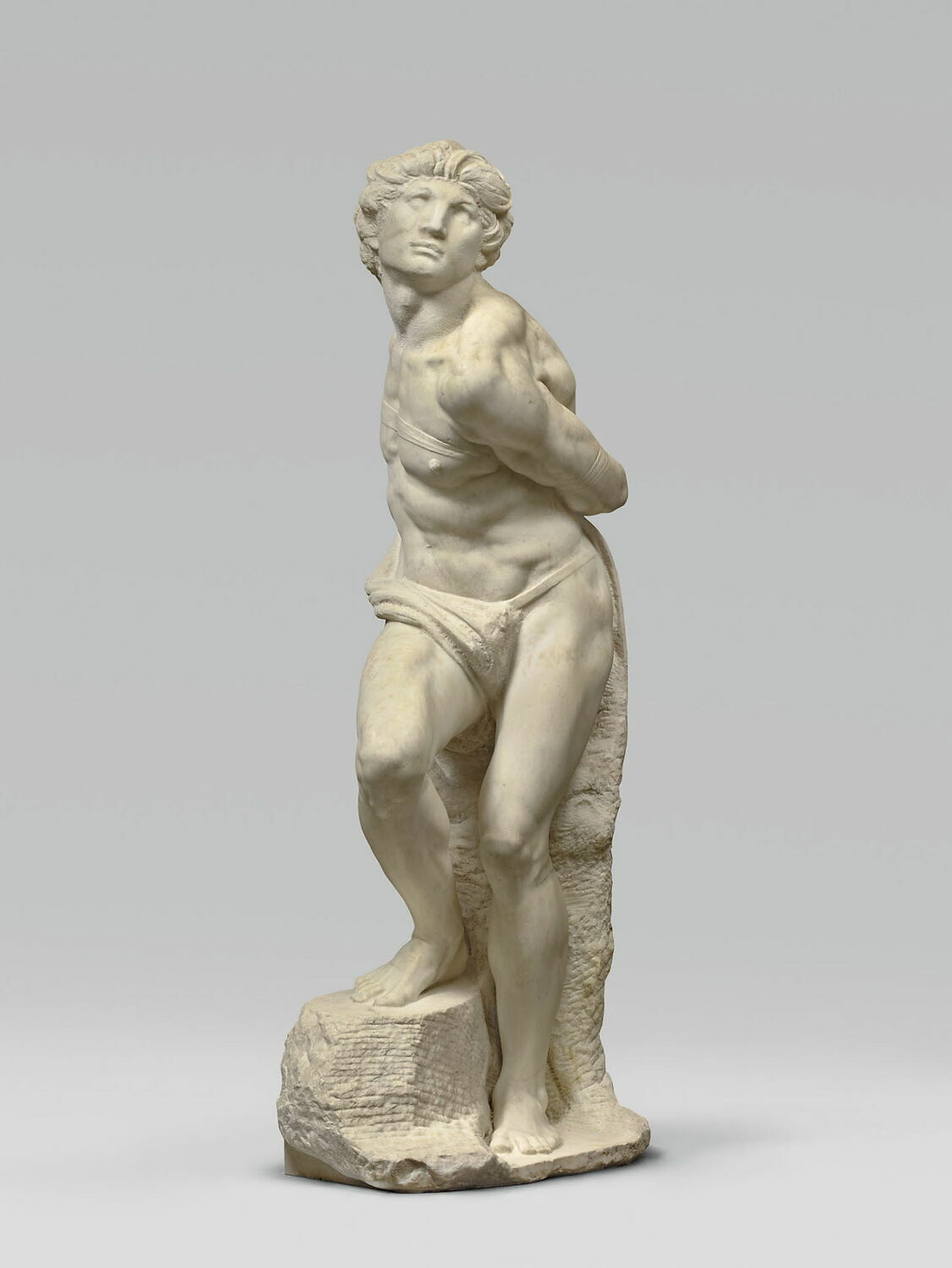
Esclave rebelle, Buonarroti, Michelangelo dit Michel-Ange, 1513 - 1515

Michelangelo

Rebellious Slave, 1513 - 1515

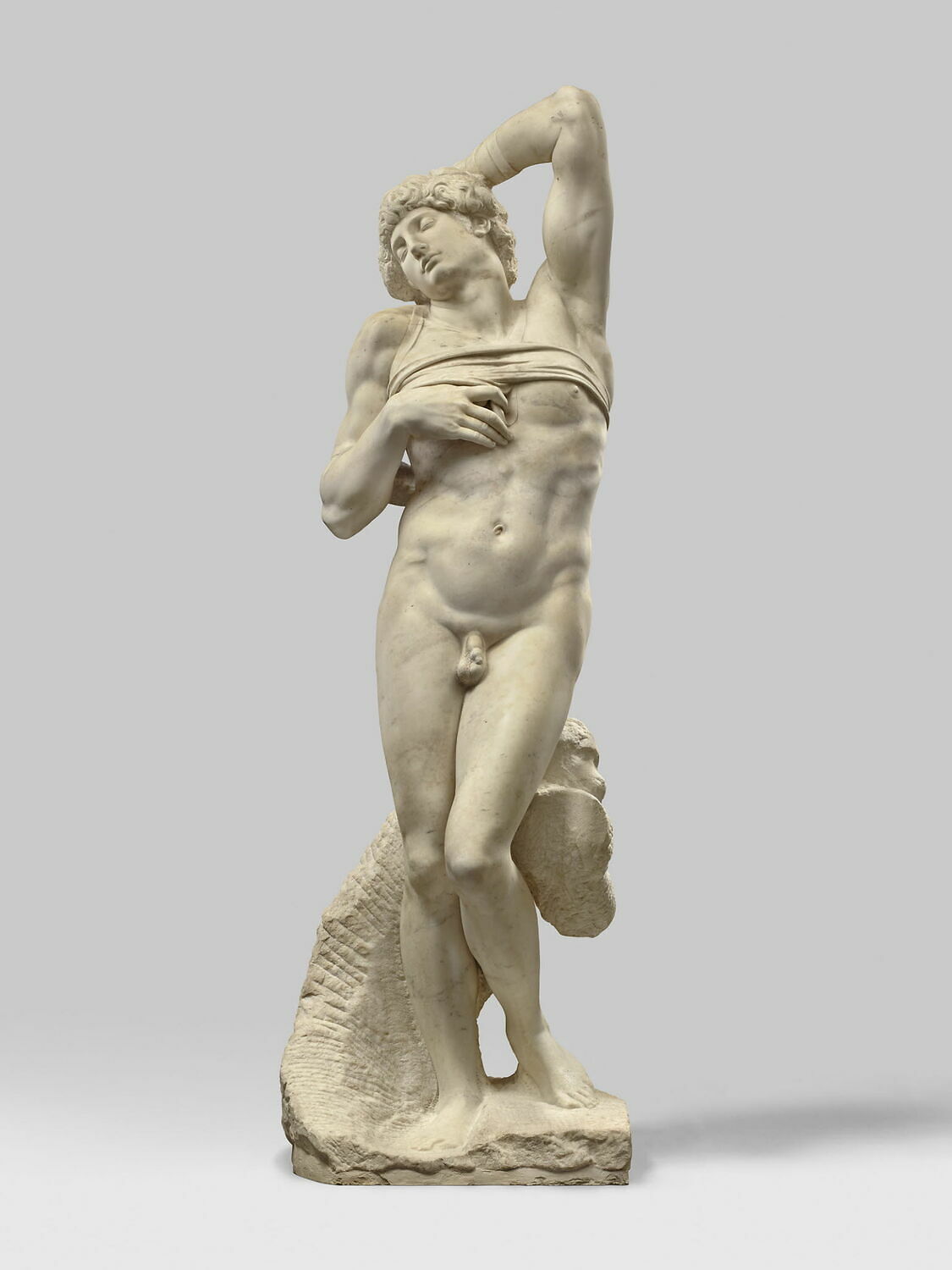
Esclave mourant, Buonarroti, Michelangelo dit Michel-Ange, 1513 - 1515

Michelangelo

Dying Slave, 1513 - 1515