 Dirck BoutsHistorische Nederlanden, 1415–1475
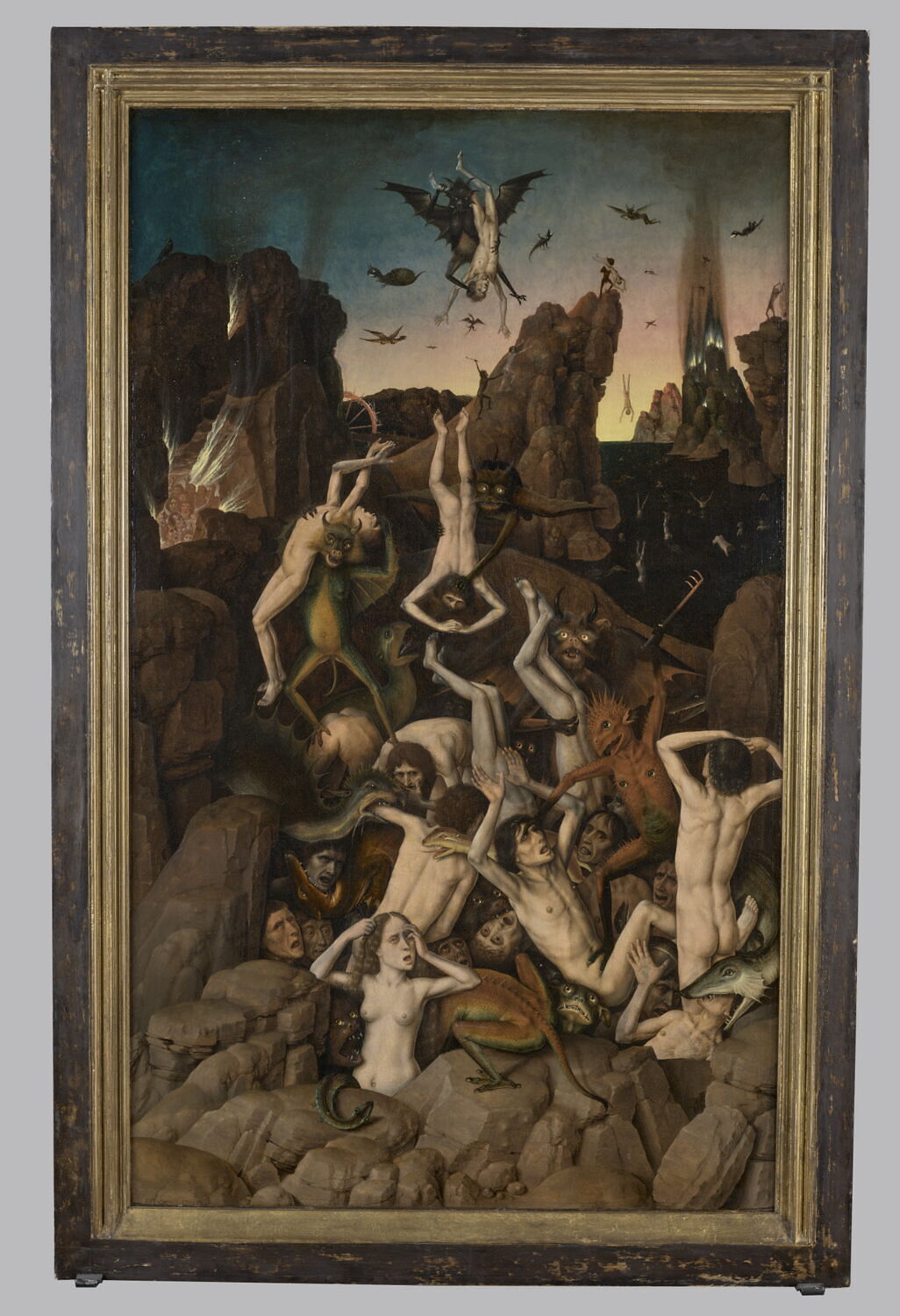
La Chute des Réprouvés
Mag men het zien?
Onbekend: het museum bewaart het stilzwijgen

Louvre
Parijs, Frankrijk
De eigenaar is bekend. Of het vandaag te zien is, zegt het museum niet, en gissen hebben wij niet geleerd.
- Ongewijzigd sinds
- Bron
- De eigen collectiegegevens van het museum
About the painting
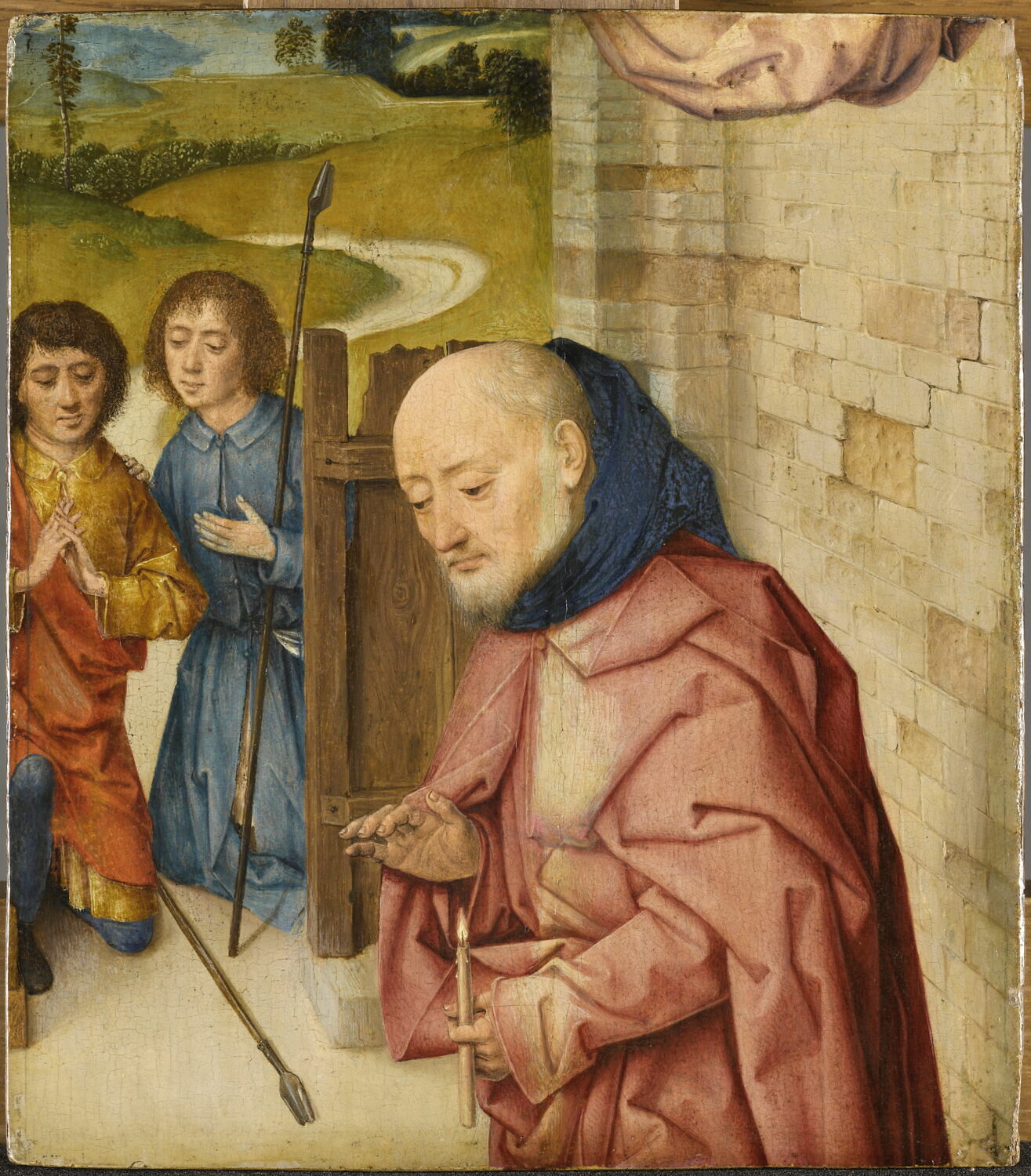
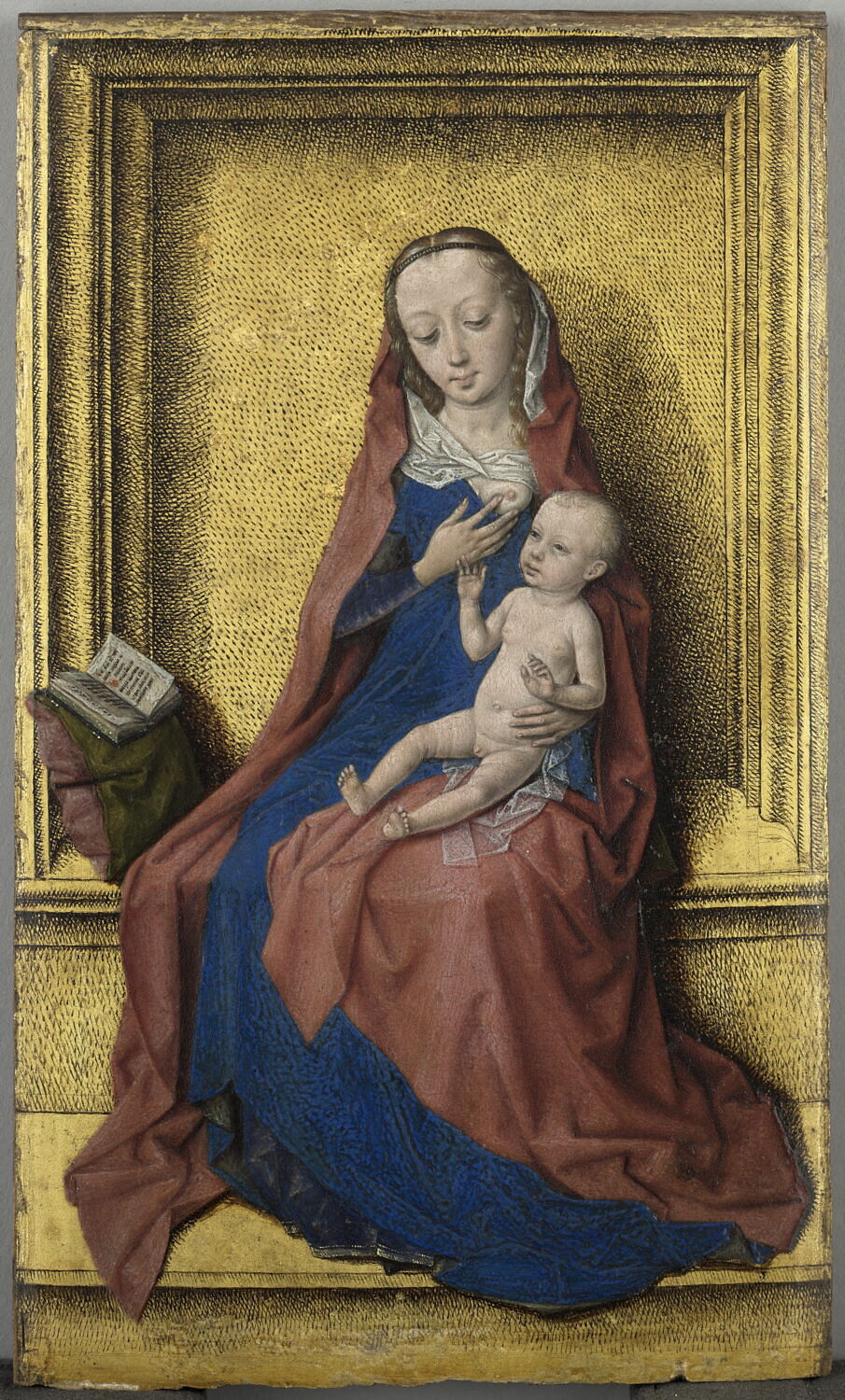
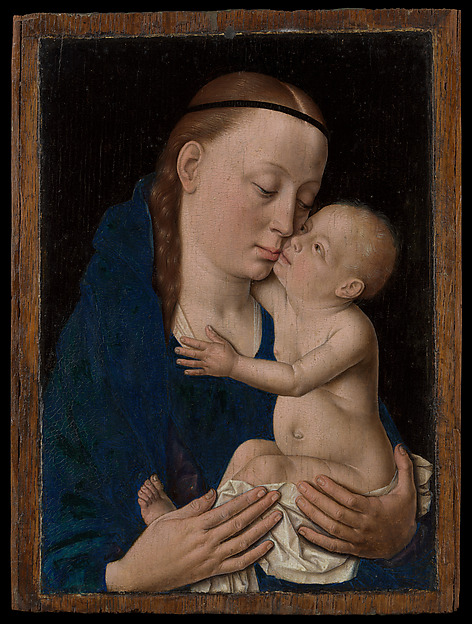
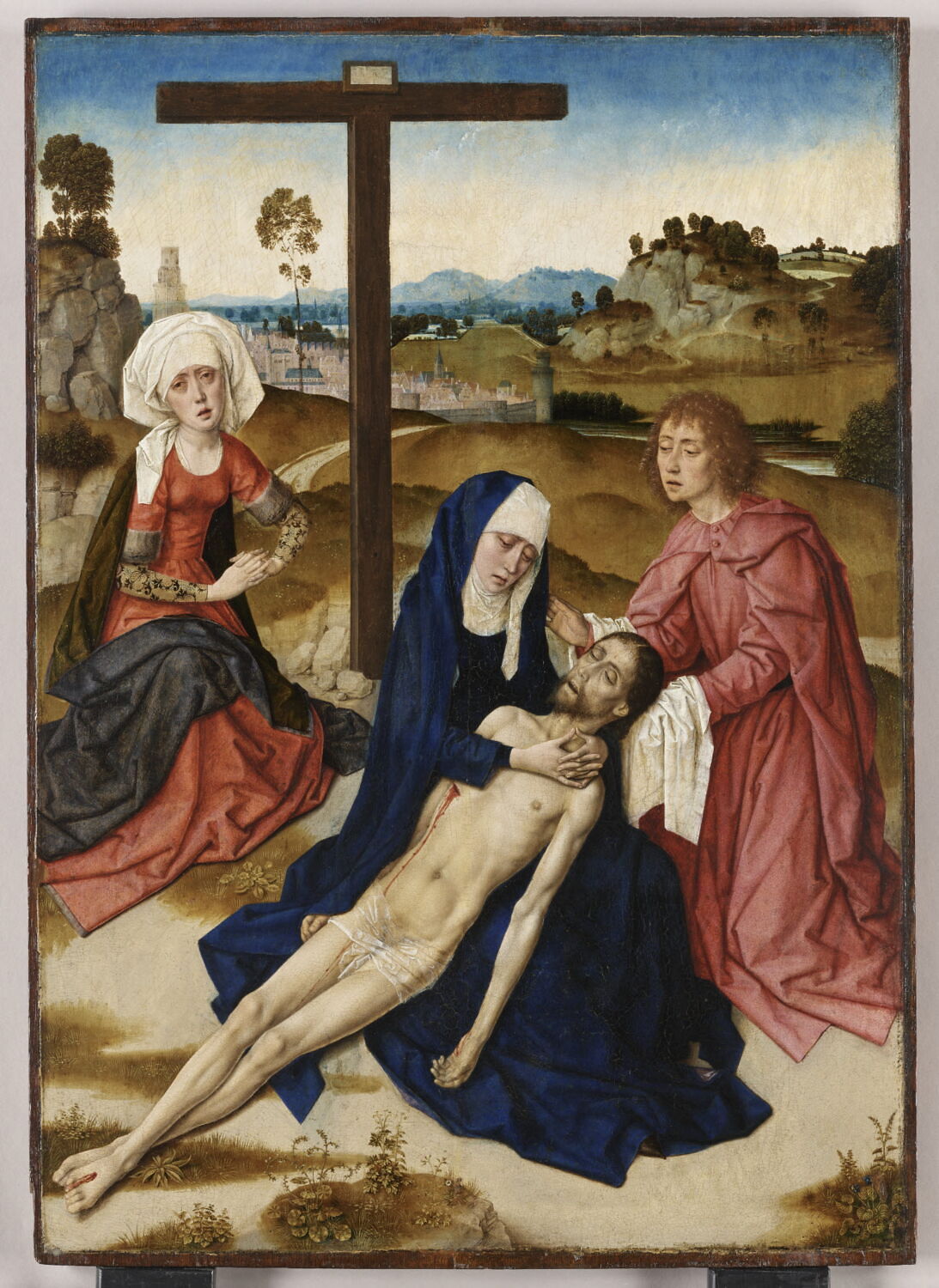
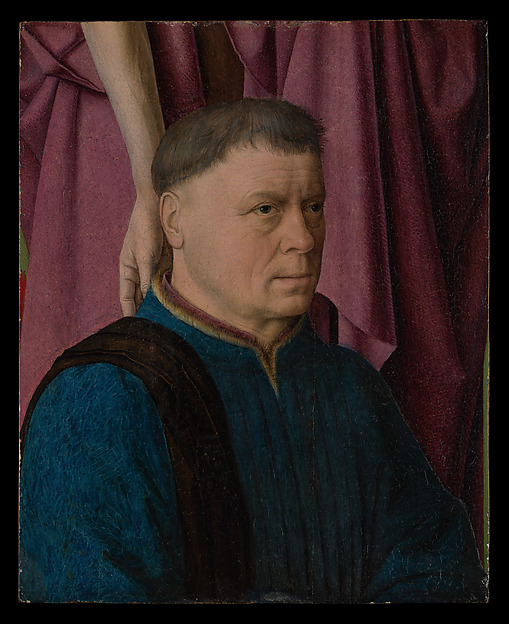
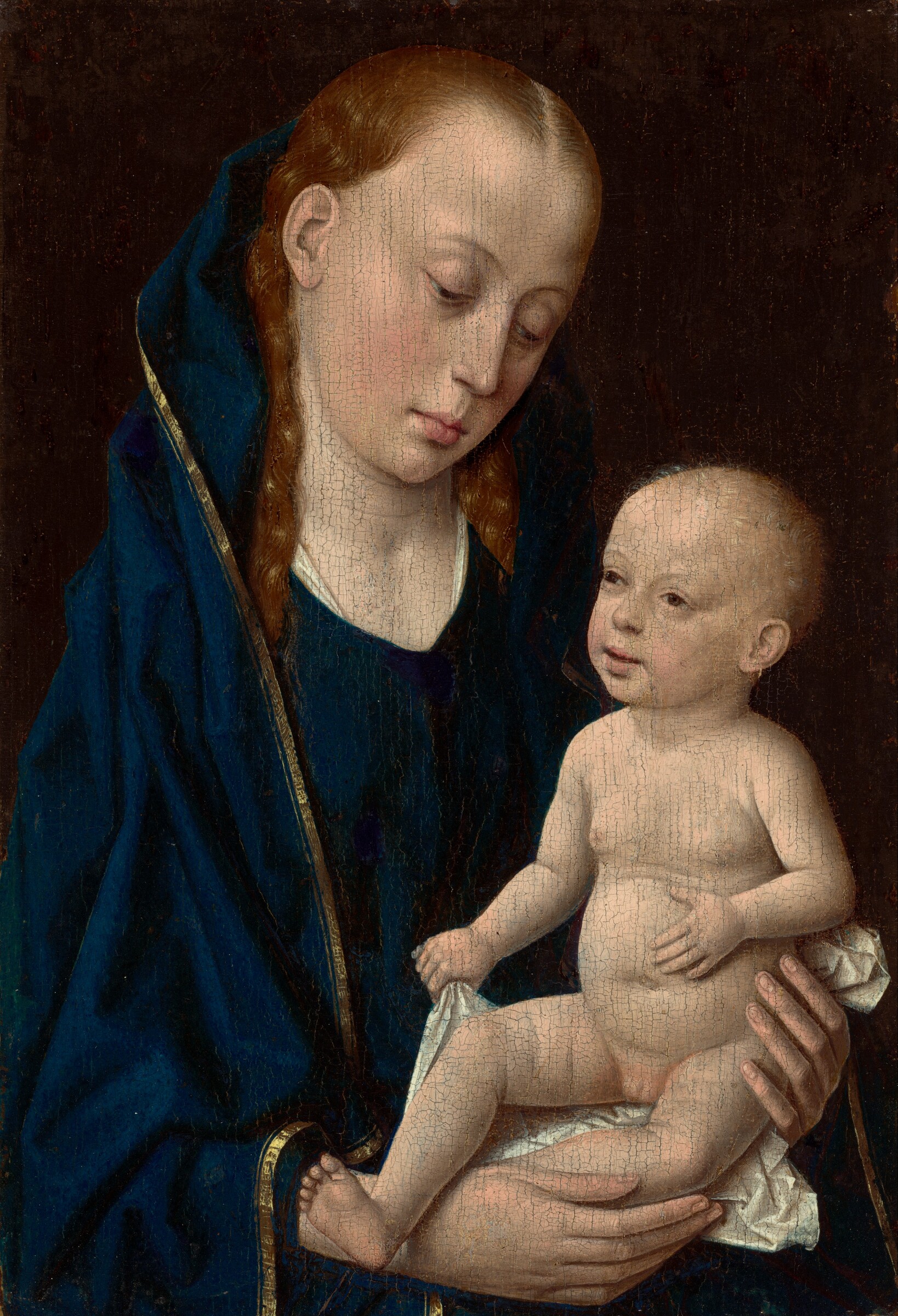
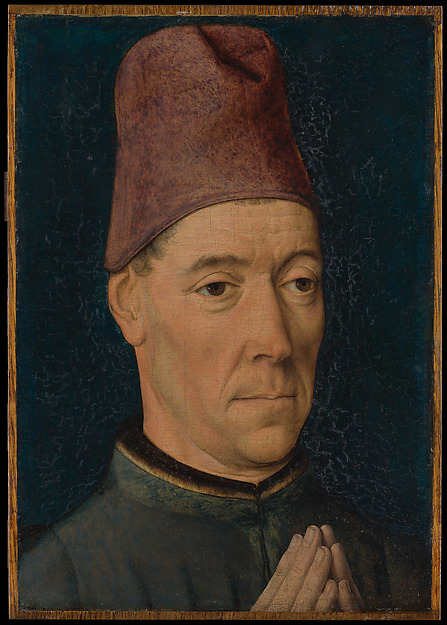
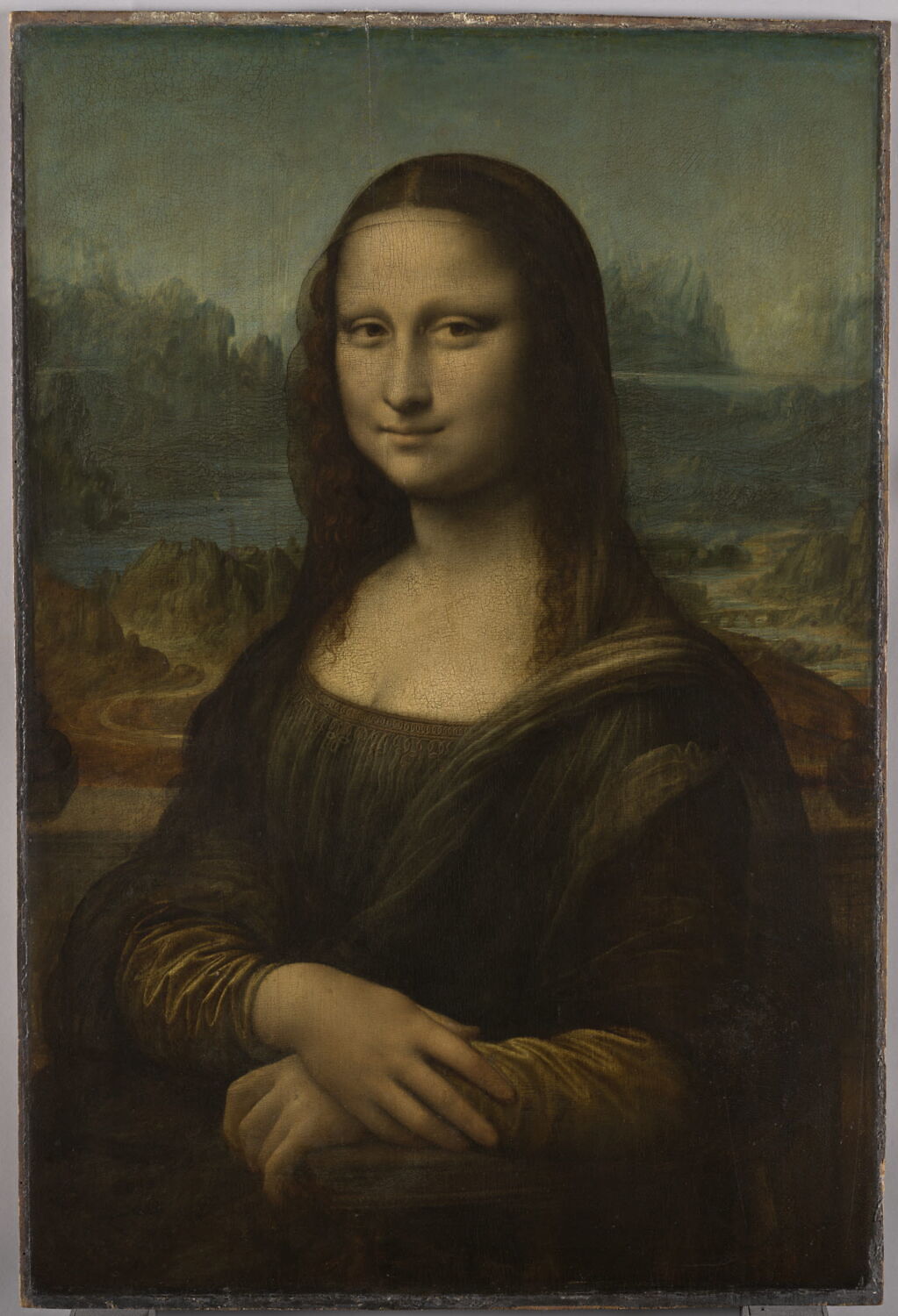
De val van de verdoemden (Frans: La Chute des damnés) is een schilderij van Dirk Bouts dat hij rond 1470 schilderde. Sinds 1957 maakt het deel uit van de collectie van het Museum voor Schone Kunsten in Rijsel.
Gegevens
- Inventarisnummer
- RF 1113
Bronnen
- Louvre: the museum's own open data · opgehaald 6 dagen geleden
- Afbeelding: Louvre — © 2022 GrandPalaisRmn (musée du Louvre) / Stéphane Maréchalle
Intussen, in het leven van Dirck Bouts
Het hele levenc. 1415
Born
c. 1440
Possible apprenticeship with Rogier van der Weyden
Rogier van der Weyden’s influence is especially marked in Bouts’s work, and some scholars suggest that around 1440 he was that master’s pupil. Jan van Eyck was another formative influence.
1448
Marries Katharina van der Brugghen
Bouts marries Katharina van der Brugghen, daughter of a wealthy Leuven patrician (by other accounts the wedding was about 1447); he was married twice in all. Of his four children, two daughters went to convents, while his sons Dieric the Younger and Albert became painters and carried on his workshop.
1457
Works in Leuven from 1457
A native of Haarlem according to Karel van Mander, Bouts lives and works in Leuven from 1457 (possibly earlier) and stays there until his death.
1468
Becomes city painter of Leuven
In 1468 Bouts attains the rank of city painter of Leuven and then receives a commission for two works for the Town Hall. Documents show him to have been a wealthy citizen who owned a large stone house with a garden and vineyard on Minderbroedersstraat.
6 mei 1475
Died