ART WIKI32.963 te zien
KaartCollectieKunstenaarsMuseaTentoonstellingenJournal
Inloggen

ART WIKI

Waar het meesterwerk hangt en wanneer men u toelaat.

Collecties: Art Institute of Chicago, Cleveland Museum of Art, Getty Villa, Harvard Art Museums, Hermitage, Hirshhorn Museum and Sculpture Garden, J. Paul Getty Museum, Louvre, Metropolitan Museum of Art, Minneapolis Institute of Art, Museum of Modern Art, National Gallery of Art, National Museum of Asian Art, National Portrait Gallery, Poesjkinmuseum, Rijksmuseum Amsterdam, Russisch Museum, Smithsonian American Art Museum, Statens Museum for Kunst, Tretjakovgalerij, Victoria and Albert Museum, Whitney Museum of American Art, Staatscatalogus van het Russische museumfonds (274 musea), Europeana (19 musea), Wikidata (6 musea), Paris Musées (12 musea) en Joconde, de museumdatabank van het Franse ministerie van Cultuur (495 musea). De afbeeldingen behoren toe aan hun rechthebbenden.

Rubrieken

  • Kaart
  • Zoeken
  • Collectie
  • Meesterwerken
  • Nu te zien
  • Kunstenaars

Meer

  • Musea & galerieën
  • Tentoonstellingen
  • Journal
  • Waar de gegevens vandaan komen
  • Privacy & cookies
StartpaginaKaartCatalogus
  1. Collectie/
  2. Victoria and Albert Museum/
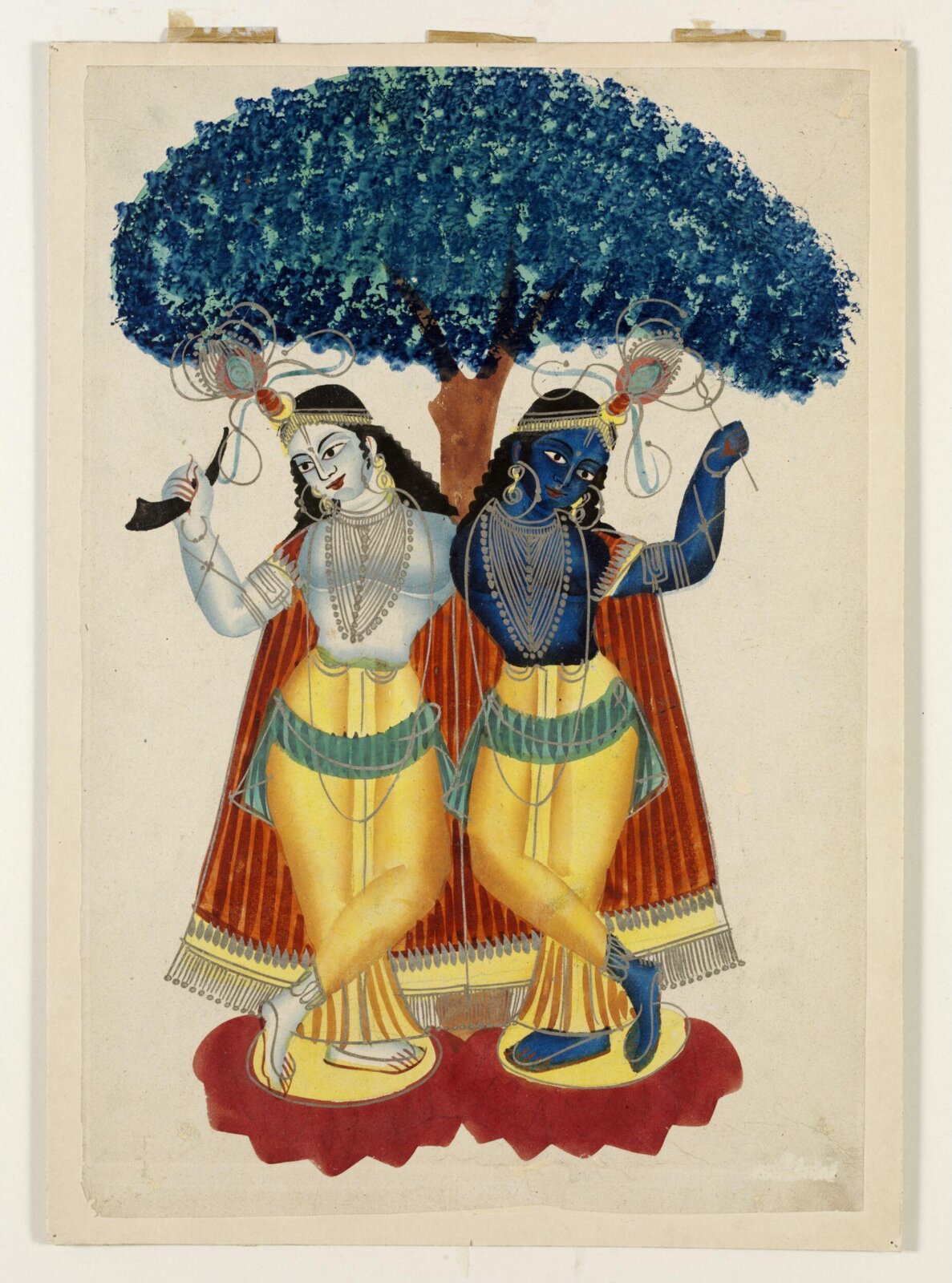
  3. Krishna and Balarama
Krishna and Balarama, ca. 1855 - ca. 1860

Krishna and Balarama

ca. 1855 - ca. 1860 · Painting · 41.1 × 28 cm

Over het schilderij

The temple of Kali had been built at Kalighat in the seventeenth century at the location where Sati's toes were supposed to have fallen, a 'Pithasthan', on the east bank of the 'Adi-Ganga', an original course of the Ganges. The present temple was completed in 1809 and rapidly became a place of pilgrimage. It became customary for pilgrims to visit the Kalighat temple throughout the year. Its location, south of Calcutta, encouraged a small settlement to grow up. Eventually a brisk trade developed at Kalighat in pilgrims' souvenirs such as wooden dolls and terracotta figures. In the early 19th century 'patuas' (folk painters) were drawn from the surrounding areas into the city. They situated themselves around the temple producing souvenirs of watercolour 'patas' (pictures) depicting mainly religious and mythological subjects.

Verder lezen

Over time the local style developed and the subject matter grew to include social satire and study in natural history. As a popular art form, the Kalighat artists are recognised for their brilliant colours, simplified images and bold brushstrokes. This style of painting fell into decline in the 1930s, however a few artists have revived the tradition and continue to produce paintings reflecting contemporary themes.

Victoria and Albert Museum

Gegevens

Inventarisnummer
IM.2:76-1917

Buren in huis: Victoria and Albert Museum

Museumpagina

Over hetzelfde thema · Hinduism

Alle werken over dit thema

Mag men het zien?

Ontvangt momenteel niet

Victoria and Albert Museum

Londen, Verenigd Koninkrijk

Het hoort bij de collectie, maar is momenteel niet tentoongesteld.

Gecontroleerd
12 dagen geleden
Ongewijzigd sinds
25 sep 2026
Bron
Het museum
Op de kaartMuseumpagina

Wat het toont

HinduismDeitiesKrishnaBalarama

In de catalogus

SchilderijenGouacheRealisme19e eeuwKalighat PaintingCalcutta

Bronnen

  • Victoria and Albert Museum
  • Afbeelding: Victoria and Albert Museum — © Victoria and Albert Museum, London
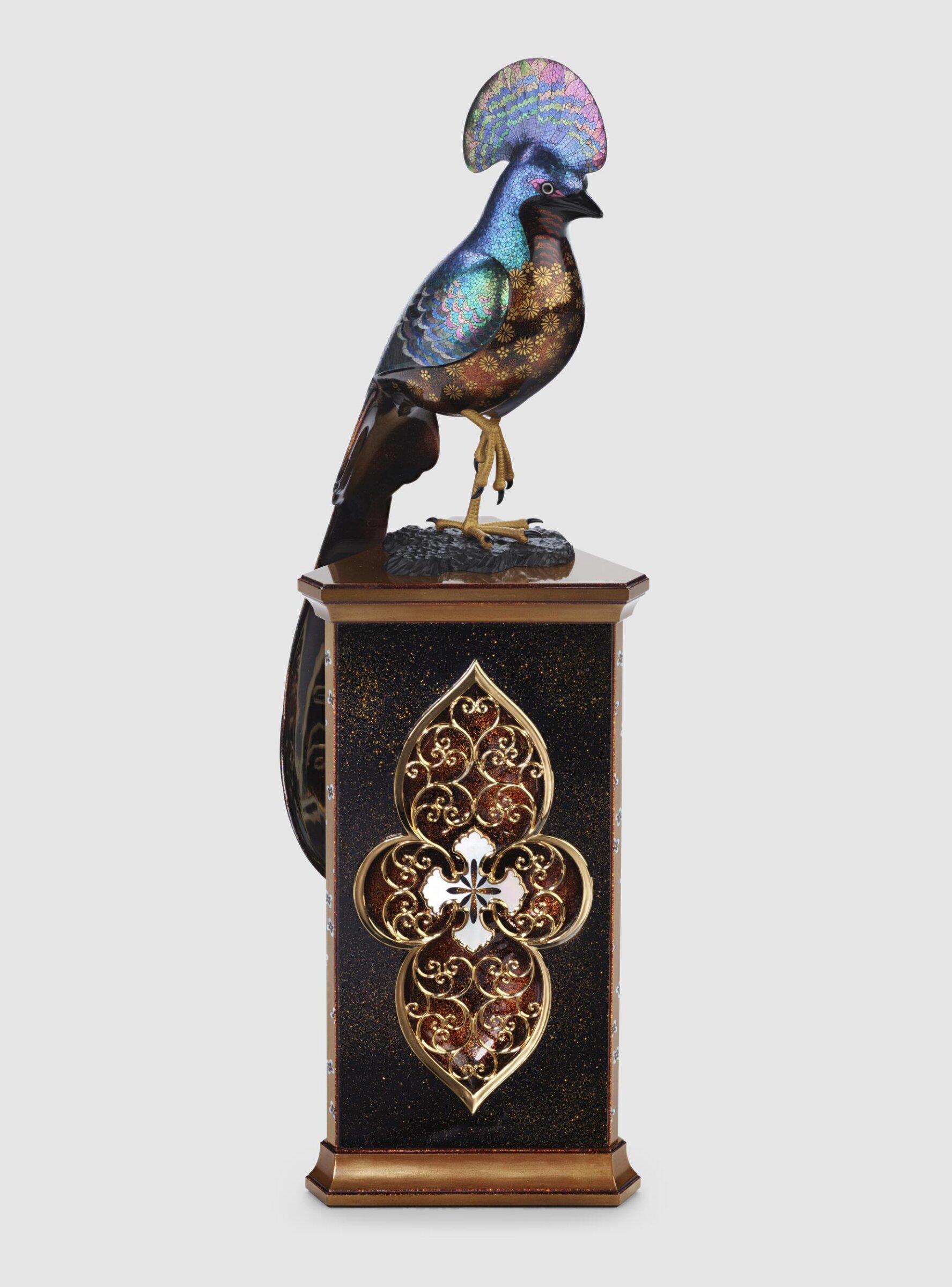
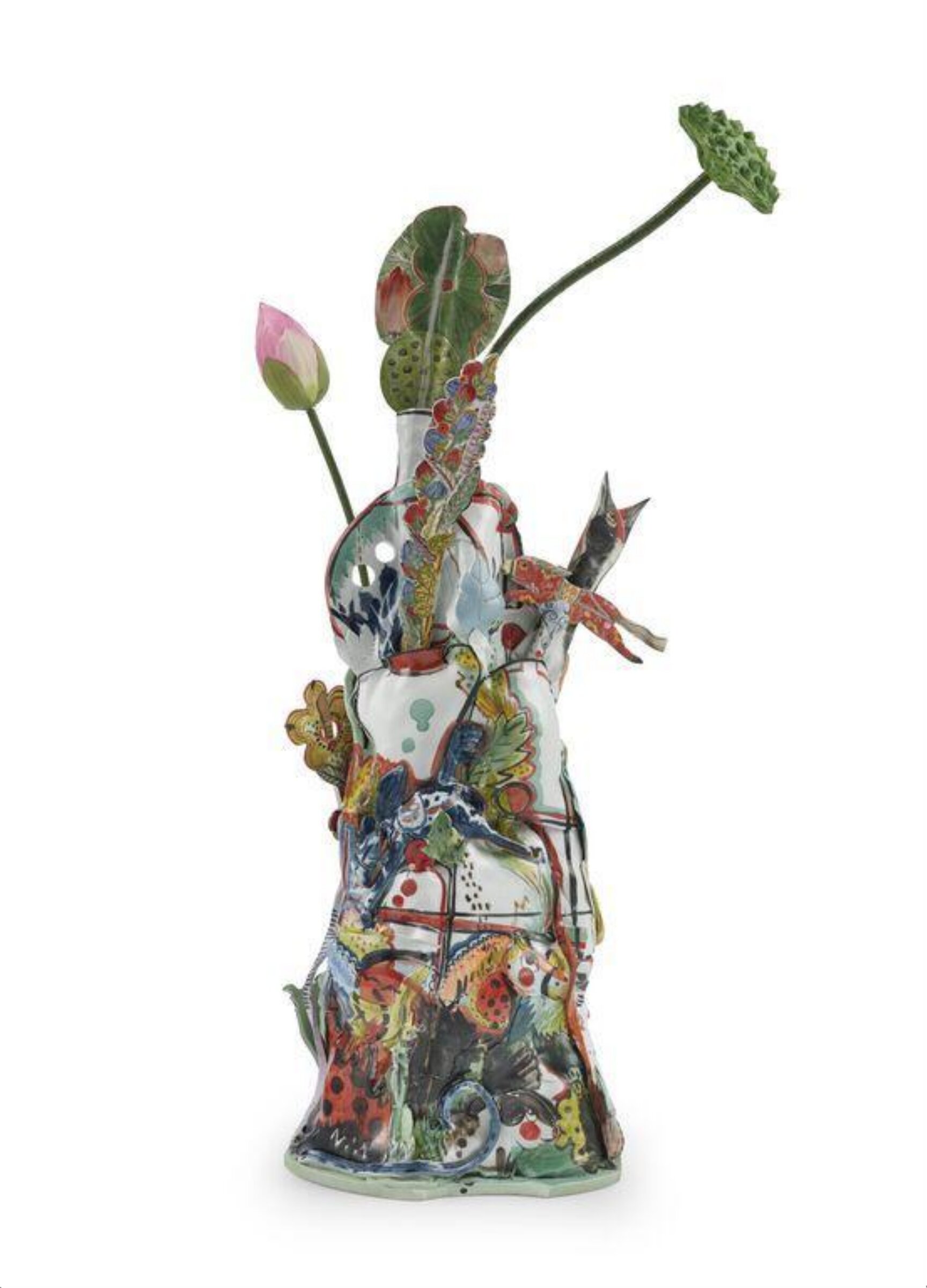
Bird of Paradise, Hashimoto Chitaka, 2026

Hashimoto Chitaka

Bird of Paradise, 2026

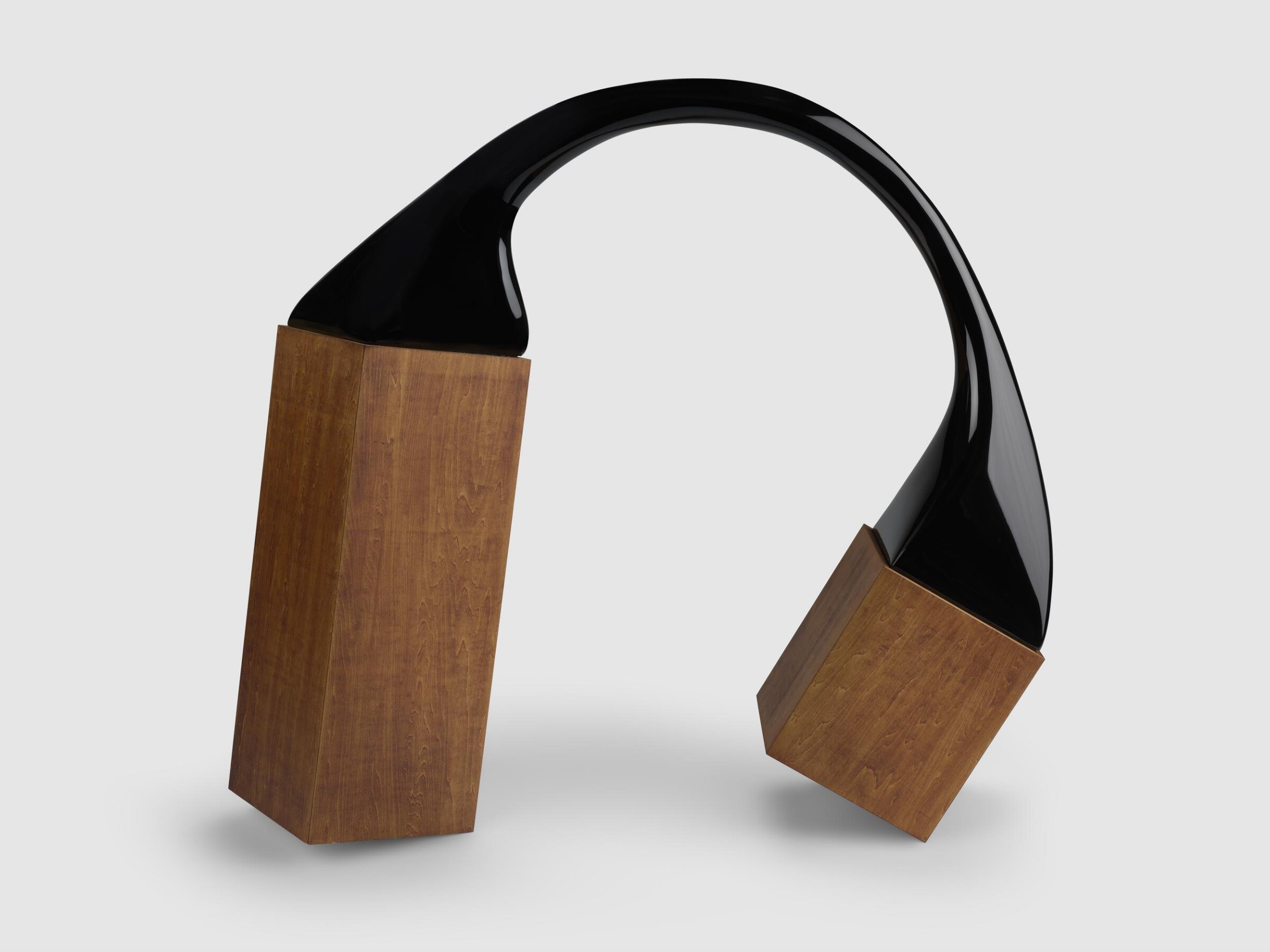
Torsion 2, Taruma Shoko, 2025

Taruma Shoko

Torsion 2, 2025

Fu, Someya Satoshi, 2025

Someya Satoshi

Fu, 2025

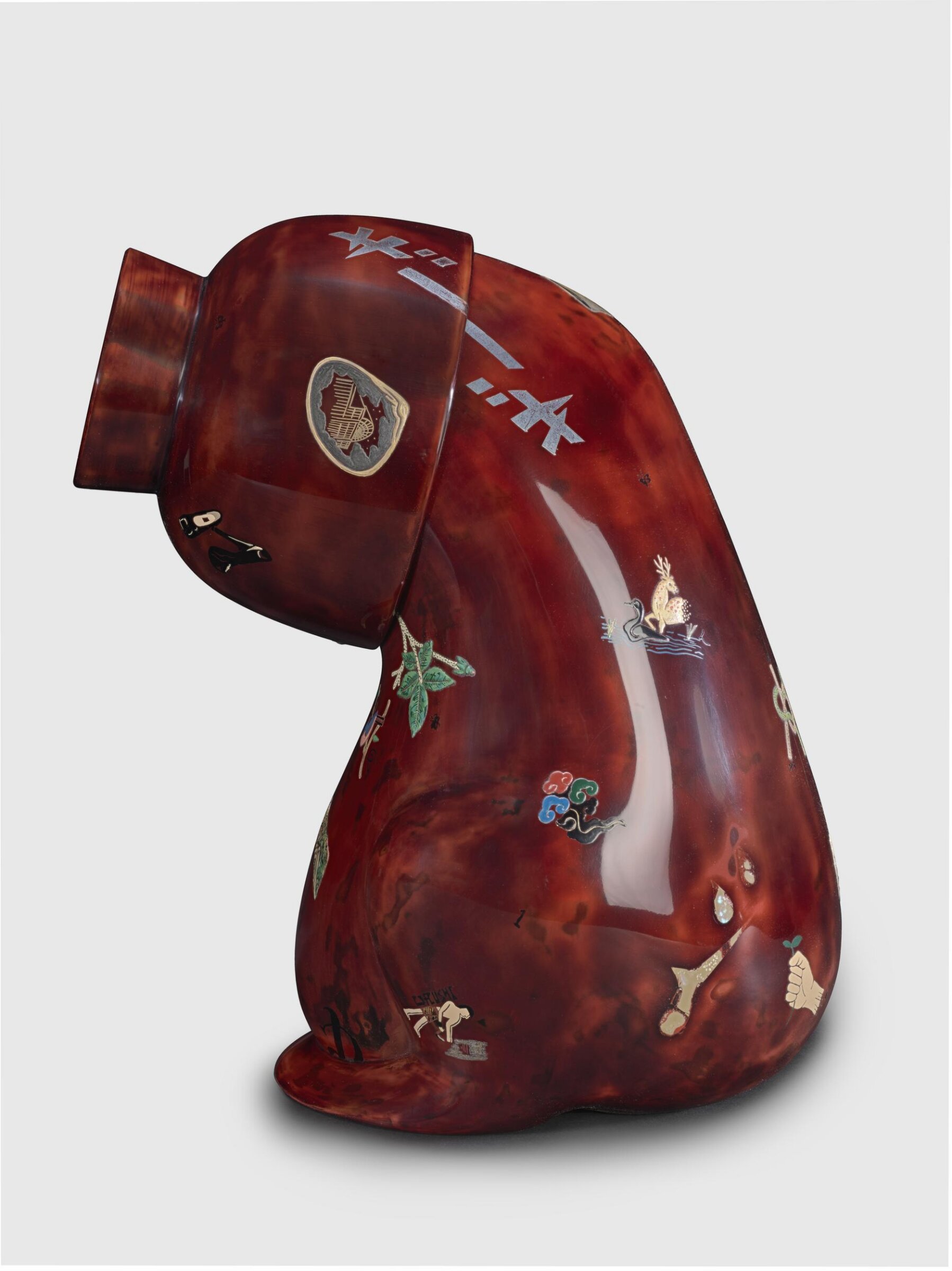
Bow Before the Curtain Falls, 2024

Bow Before the Curtain Falls, 2024

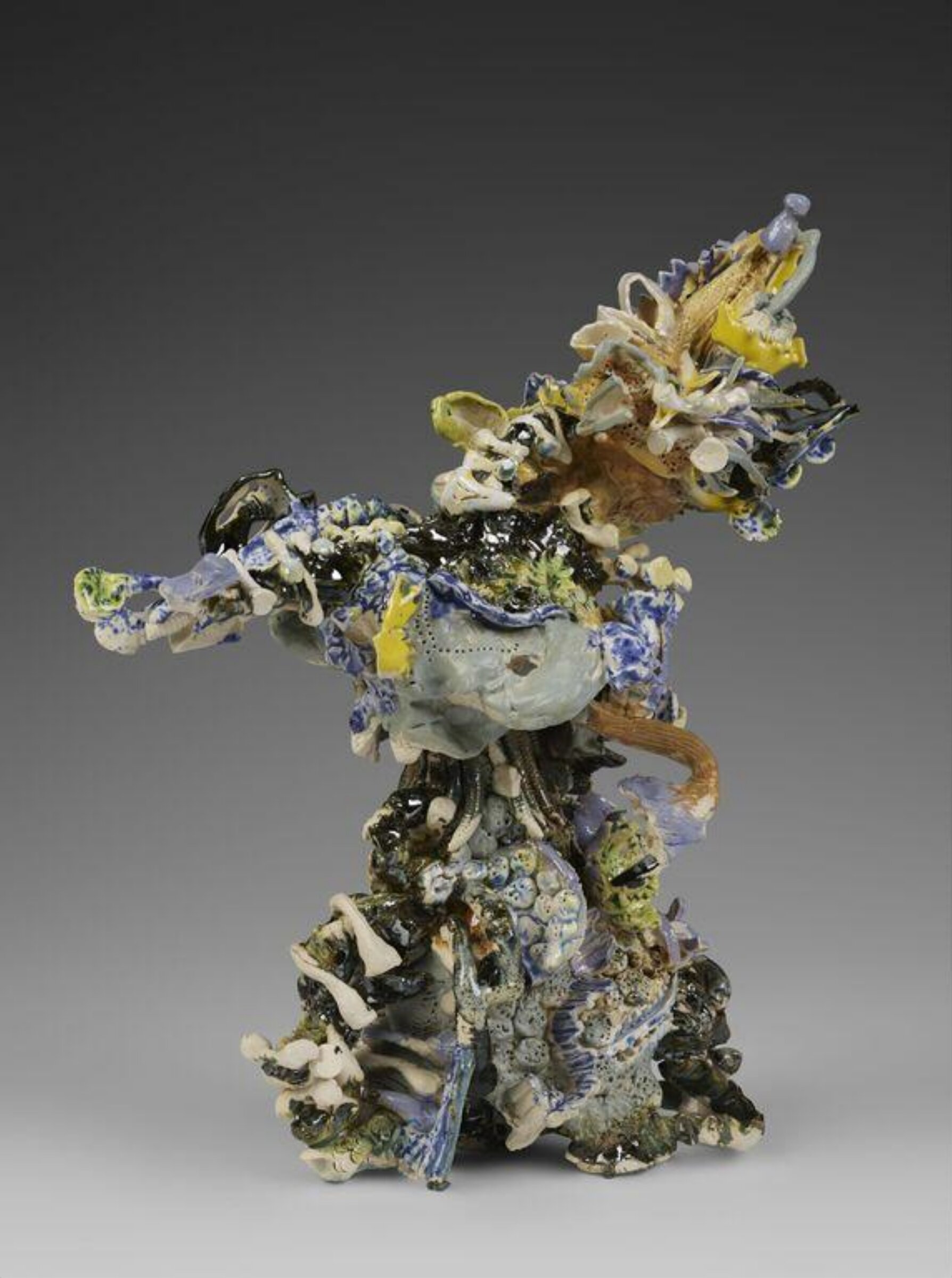
Summer, 2024

Summer, 2024

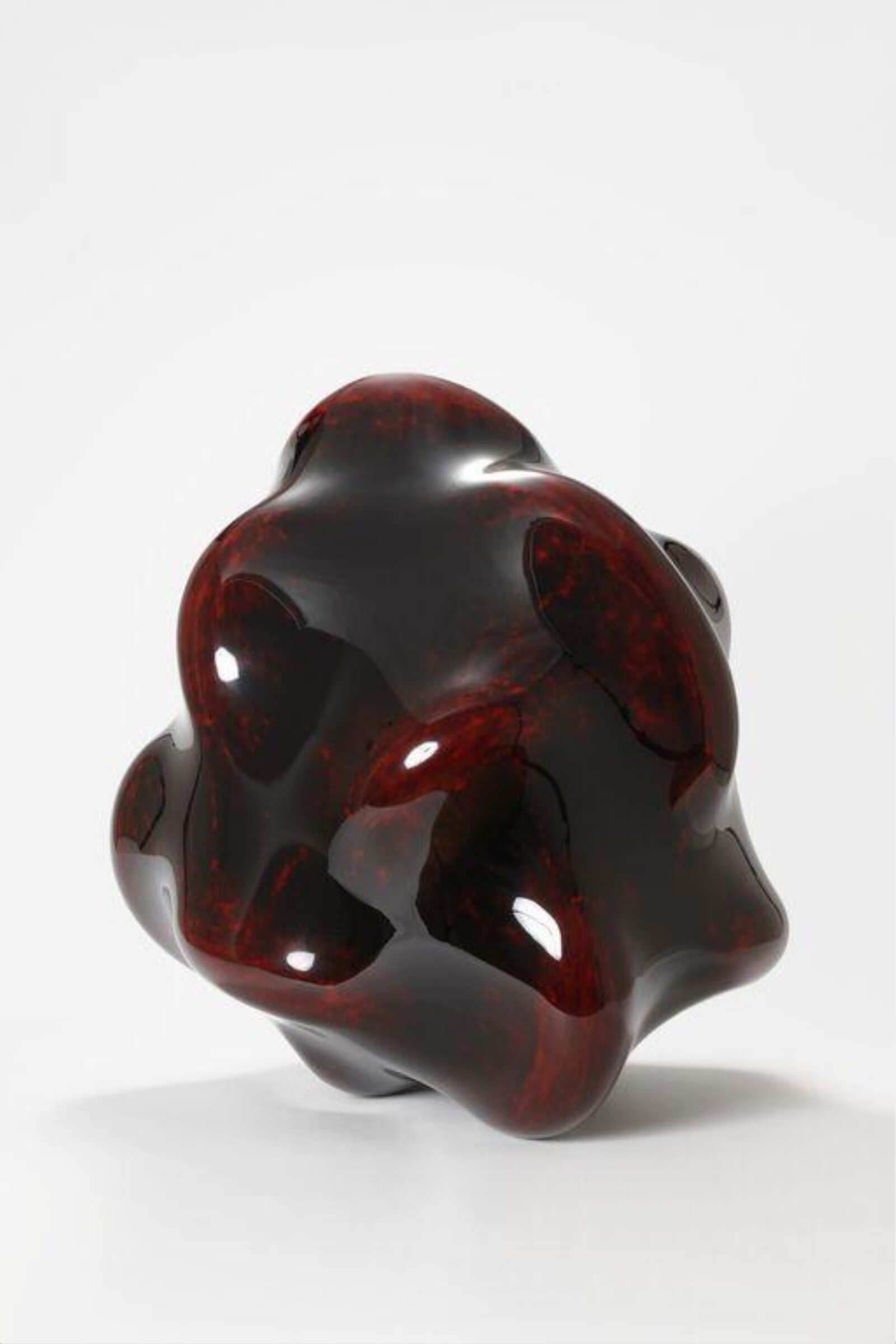
Red Flow, Ishizuka Genta, 2024

Ishizuka Genta

Red Flow, 2024

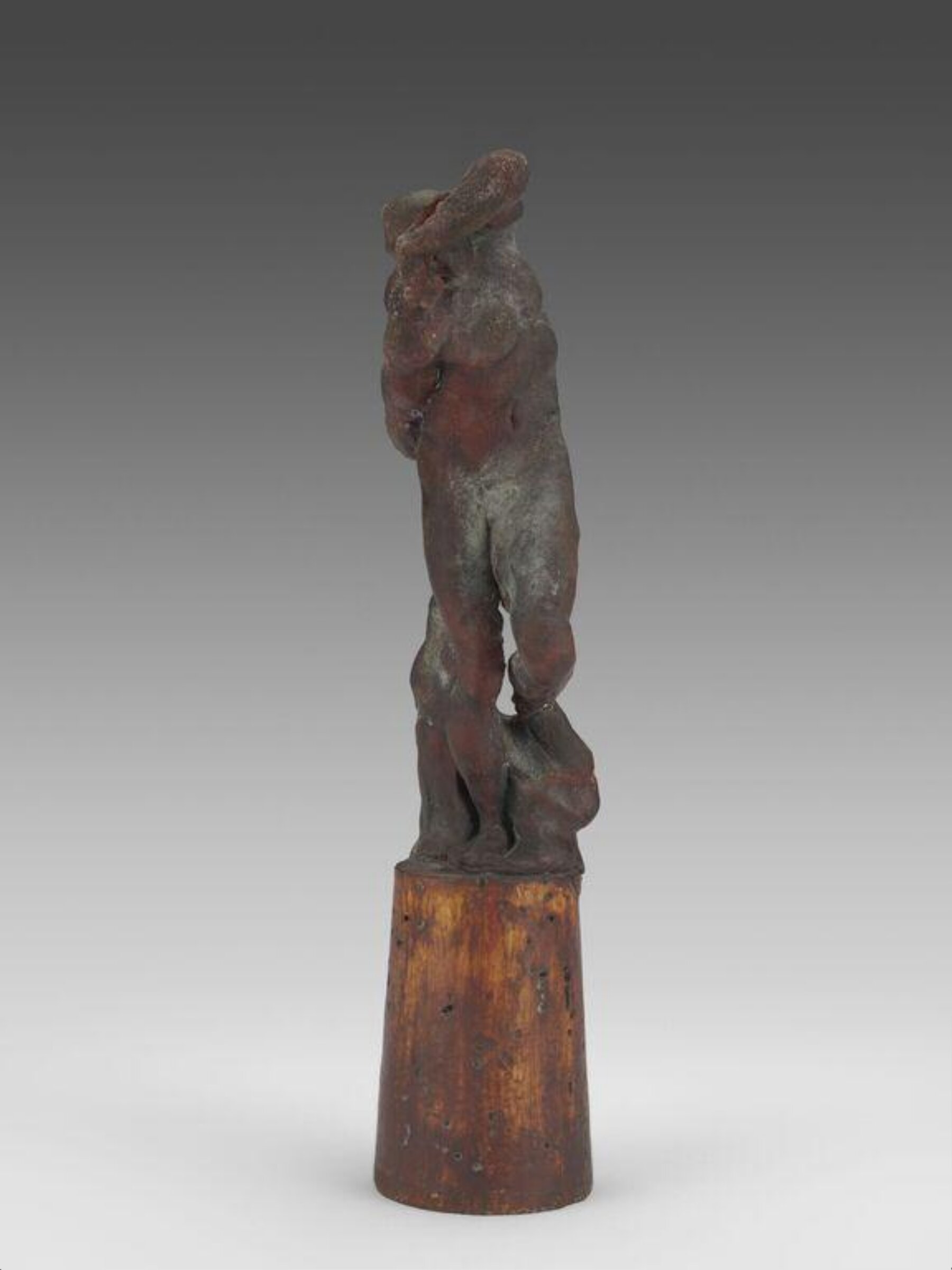
3D replica of Michelangelo's Prisoner (4117-1854), Factum Arte, 2024

Factum Arte

3D replica of Michelangelo's Prisoner (4117-1854), 2024

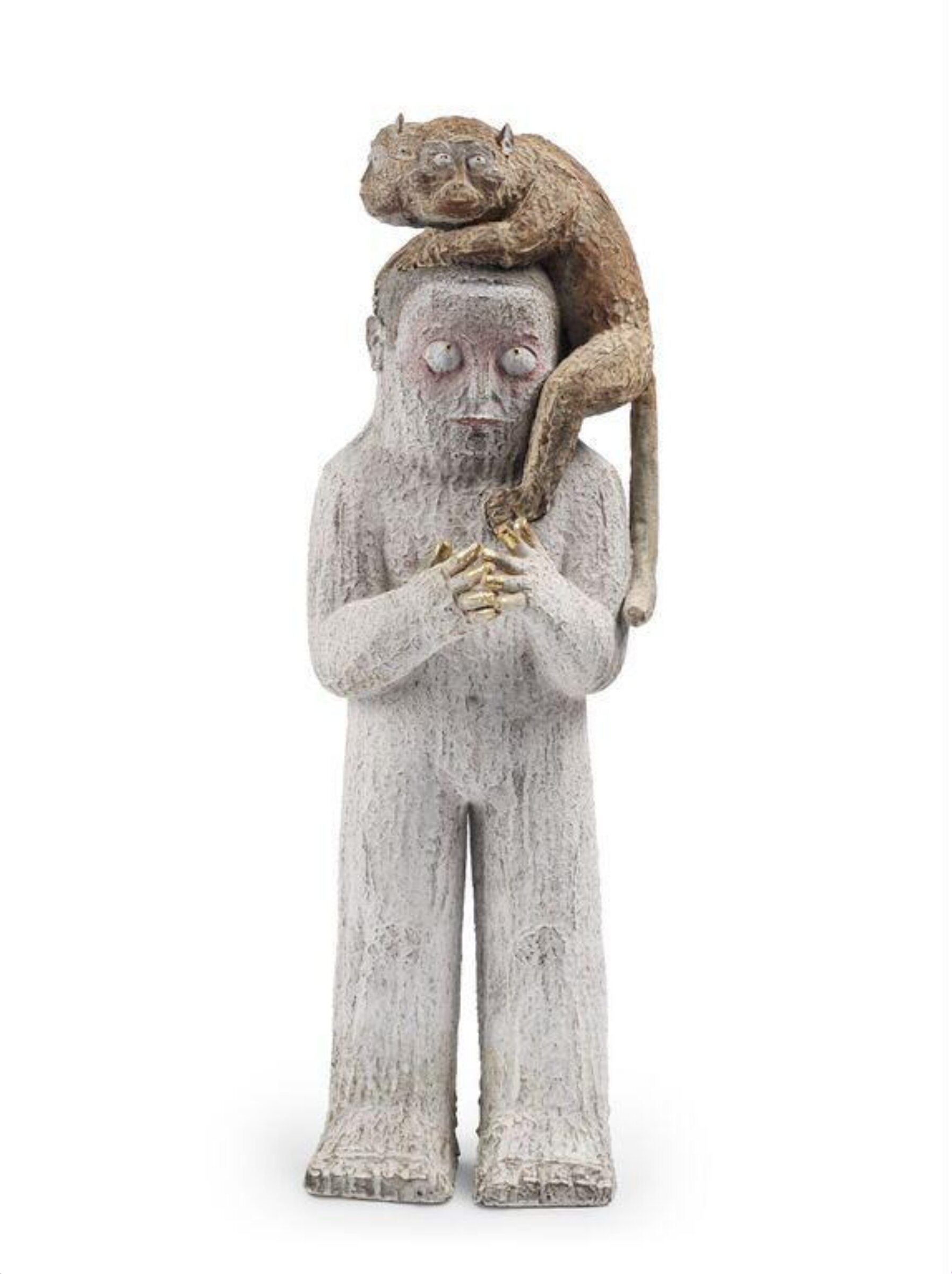
Sculpture, ‘Co-Existence – the Man and the Monkey’, Zhao Lin, 2024

Zhao Lin

Sculpture, ‘Co-Existence – the Man and the Monkey’, 2024

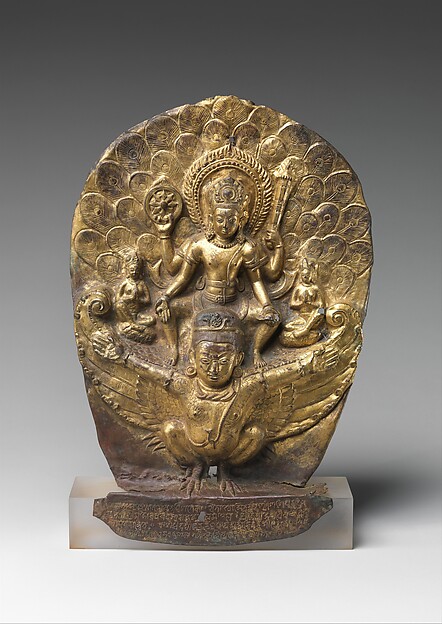
Vishnu Riding on Garuda, dated 1004

Vishnu Riding on Garuda, dated 1004

Metropolitan Museum of Art

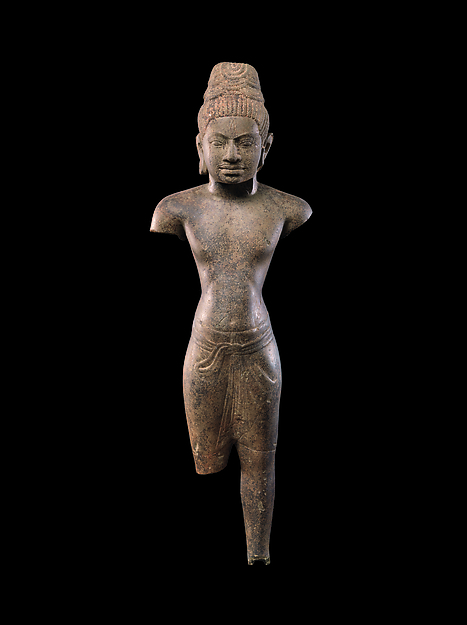
Head of Shiva (lingakosha), late 9th–10th century

Head of Shiva (lingakosha), late 9th–10th century

Metropolitan Museum of Art

Enthroned Vishnu, second half of the 8th–early 9th century

Enthroned Vishnu, second half of the 8th–early 9th century

Metropolitan Museum of Art

The Goddess Durga Slaying the Demon Buffalo Mahisha, 12th century

The Goddess Durga Slaying the Demon Buffalo Mahisha, 12th century

Metropolitan Museum of Art

Chamunda, the Horrific Destroyer of Evil, 10th–11th century

Chamunda, the Horrific Destroyer of Evil, 10th–11th century

Metropolitan Museum of Art

Shiva, mid- 7th century

Shiva, mid- 7th century

Metropolitan Museum of Art

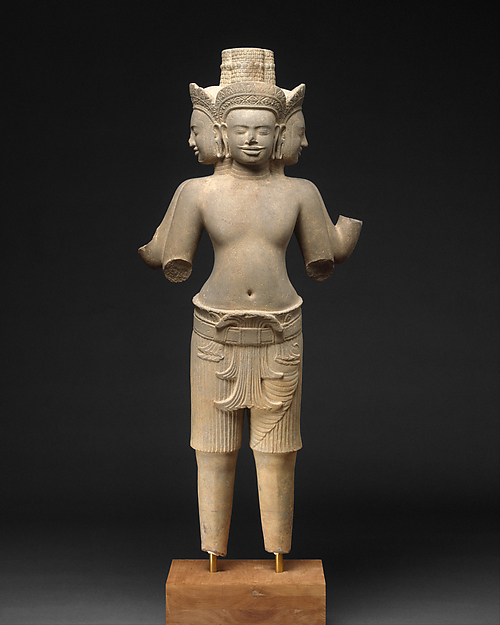
Brahma, first quarter of the 10th century

Brahma, first quarter of the 10th century

Metropolitan Museum of Art

Vaikuntha Vishnu, last quarter of the 8th century

Vaikuntha Vishnu, last quarter of the 8th century

Metropolitan Museum of Art