 Eugène DelacroixFrankrijk, 1798–1863
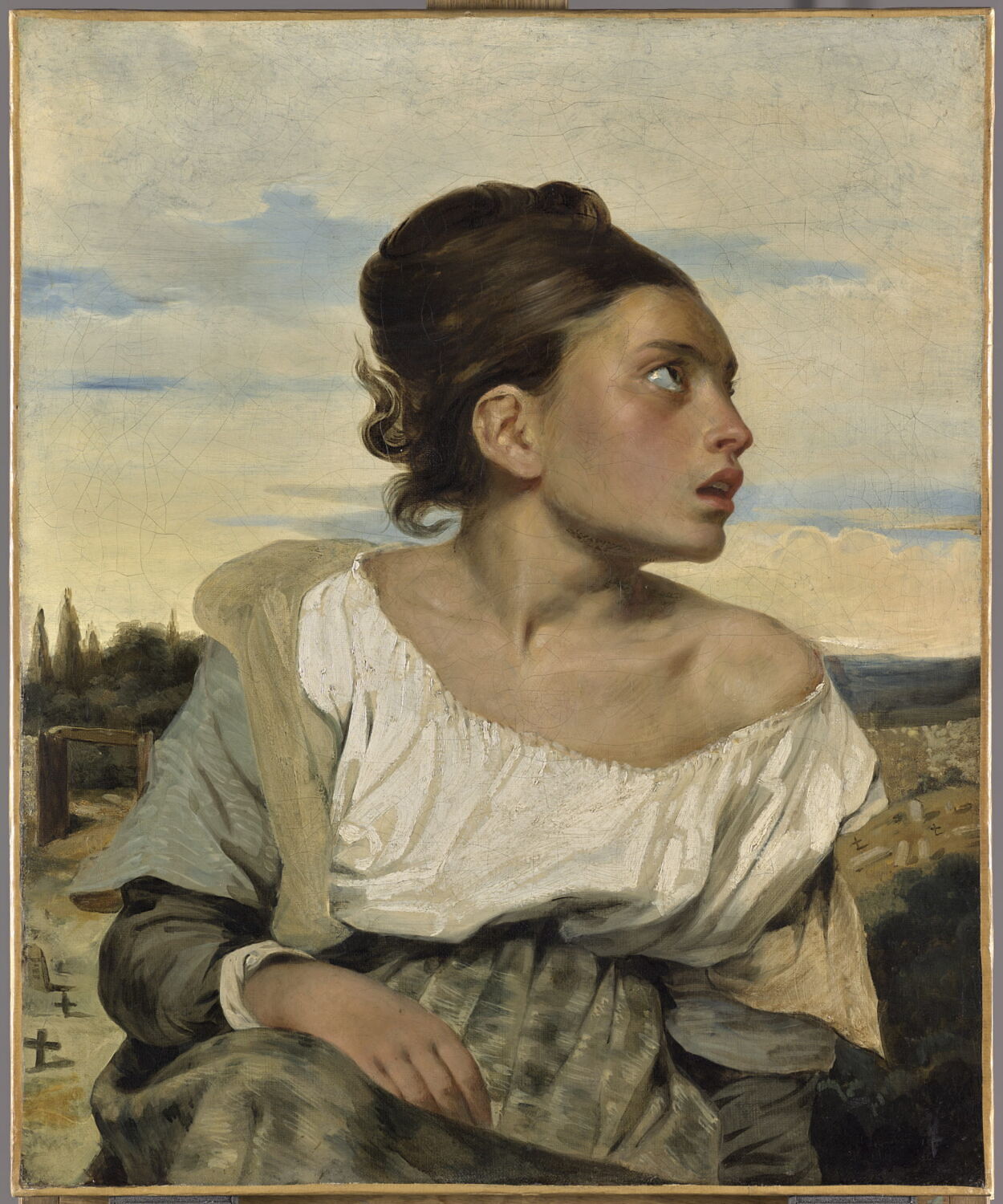
Jong weesmeisje op het kerkhof
Jeune orpheline au cimetière
Kan ik het zien?
Ja, nu te zien
Waar is „Jong weesmeisje op het kerkhof” nu? Louvre, Salle 950, Aile Sully, Niveau 2, Parijs. Ja, nu te zien. Gecontroleerd 26 september 2026.

Nu open· tot 18:00
Publiek tentoongesteld.
- Gecontroleerd
- Ongewijzigd sinds
- Bron
- Het museum
Over het schilderij
Jong weesmeisje op het kerkhof (Frans: Jeune orpheline au cimetière) is een schilderij van Eugène Delacroix. Hoewel hij het op jonge leeftijd schilderde, wordt het beschouwd als een hoogtepunt in zijn oeuvre. Sinds 1934 maakt het deel uit van de collectie van het Louvre.
Gegevens
- Inventarisnummer
- RF 1652
In de catalogus
Bronnen
- Louvre
- Afbeelding: Louvre — © 2015 GrandPalaisRmn (musée du Louvre) / Mathieu Rabeau
In het leven van Eugène Delacroix
Het hele leven1822
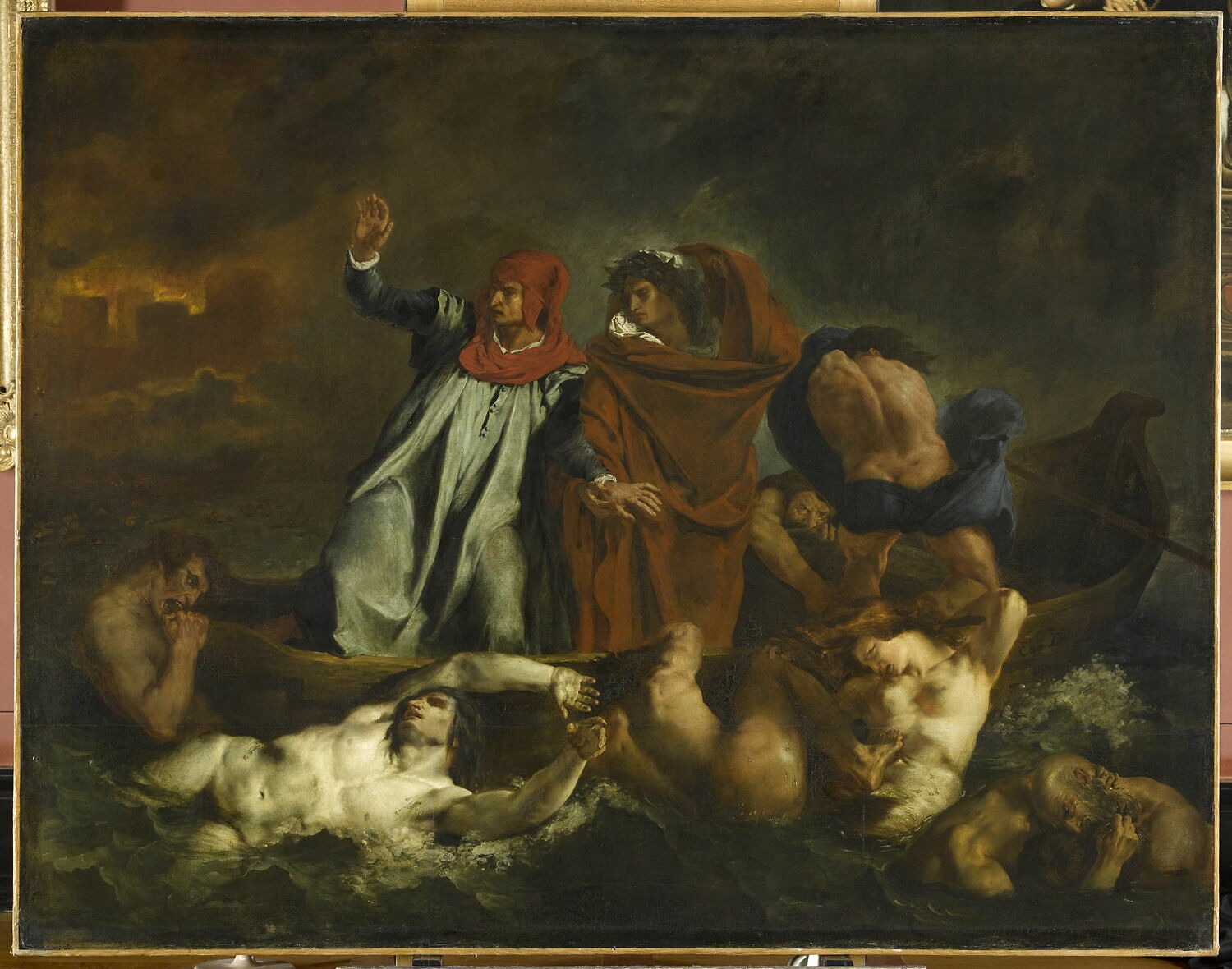
Salon Debut: "The Barque of Dante"
Delacroix's first major painting, The Barque of Dante, was accepted by the Paris Salon of 1822; the work caused a sensation and was purchased by the state for the Luxembourg Galleries.
1824
Success of "The Massacre at Chios" at the Salon
Shown at the Salon of 1824, The Massacre at Chios, devoted to the tragedies of the Greek War of Independence, brought Delacroix genuine success: the authorities recognized him as the leading painter of the new Romantic style, and the painting was bought by the state.
1825
Journey to England
During a trip to England Delacroix visited Thomas Lawrence and Richard Parkes Bonington; the color and manner of English painting gave impetus to his subsequent work.
c. 1825
Lithographs for Shakespeare
By 1825 Delacroix was producing lithographs illustrating Shakespeare, and soon afterwards lithographs and paintings based on Goethe's Faust.