ART WIKI32.963 te zien
KaartCollectieKunstenaarsMuseaTentoonstellingenJournal
Inloggen

ART WIKI

Waar het meesterwerk hangt en wanneer men u toelaat.

Collecties: Art Institute of Chicago, Cleveland Museum of Art, Getty Villa, Harvard Art Museums, Hermitage, Hirshhorn Museum and Sculpture Garden, J. Paul Getty Museum, Louvre, Metropolitan Museum of Art, Minneapolis Institute of Art, Museum of Modern Art, National Gallery of Art, National Museum of Asian Art, National Portrait Gallery, Poesjkinmuseum, Rijksmuseum Amsterdam, Russisch Museum, Smithsonian American Art Museum, Statens Museum for Kunst, Tretjakovgalerij, Victoria and Albert Museum, Whitney Museum of American Art, Staatscatalogus van het Russische museumfonds (274 musea), Europeana (19 musea), Wikidata (6 musea), Paris Musées (12 musea) en Joconde, de museumdatabank van het Franse ministerie van Cultuur (495 musea). De afbeeldingen behoren toe aan hun rechthebbenden.

Rubrieken

  • Kaart
  • Zoeken
  • Collectie
  • Meesterwerken
  • Nu te zien
  • Kunstenaars

Meer

  • Musea & galerieën
  • Tentoonstellingen
  • Journal
  • Waar de gegevens vandaan komen
  • Privacy & cookies
StartpaginaKaartCatalogus
  1. Collectie/
  2. Museum of Modern Art/
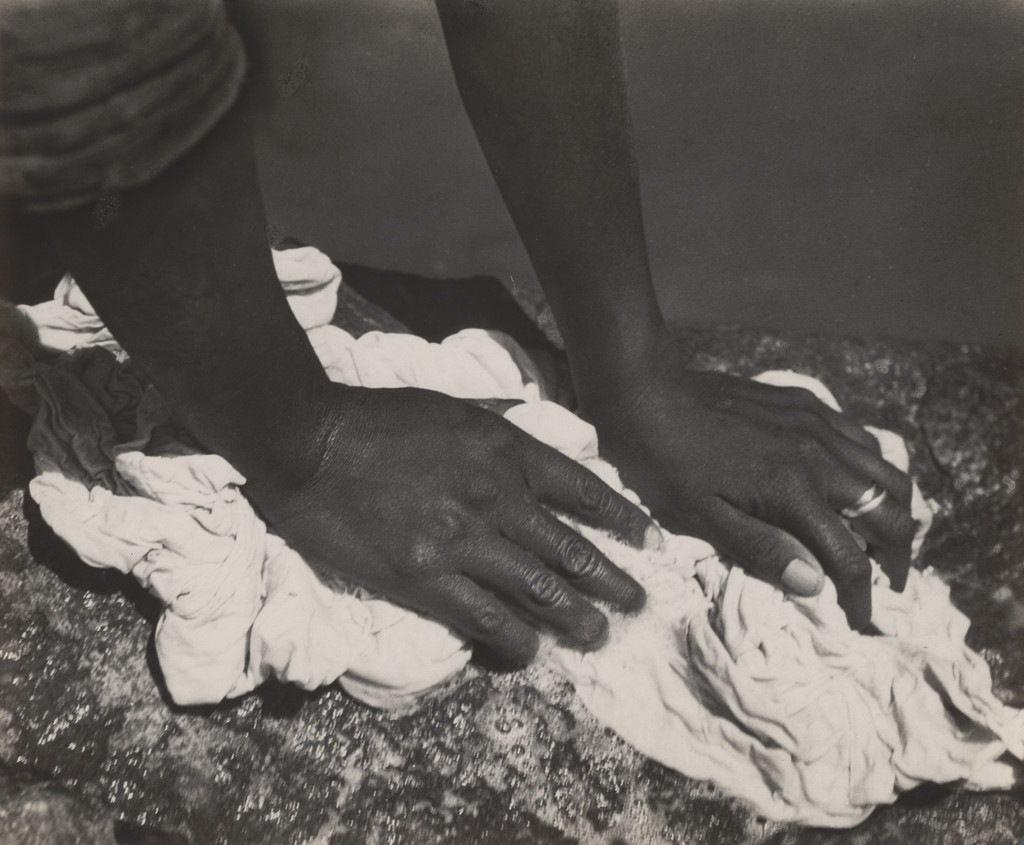
  3. Hands Washing
Hands Washing, Tina Modotti, c. 1927
Tina Modotti, portretTina ModottiVerenigde Staten, 1896–1942

Hands Washing

c. 1927 · Photograph

Mag men het zien?

Ontvangt momenteel niet

Museum of Modern Art

New York, Verenigde Staten

Het hoort bij de collectie, maar is momenteel niet tentoongesteld.

Gecontroleerd
9 dagen geleden
Bron
Het museum
Op de kaartMuseumpagina

Gegevens

c. 1927
18961942
Inventarisnummer
96.1964

In de catalogus

Foto’sZilvergelatinedrukModernisme20e eeuw

Bronnen

  • Museum of Modern Art
  • Afbeelding: Museum of Modern Art — © the artist or rights holder

Intussen, in het leven van Tina Modotti

Het hele leven
  1. 1923–1926

    Studio with Weston and Mexico City's bohemia

    With Weston, Modotti opens a portrait studio in Mexico City and quickly gravitates toward the capital's bohemian scene, and through it into a community of cultural and political avant-gardists — Frida Kahlo, Lupe Marín, Diego Rivera, Jean Charlot; she also befriends Siqueiros. Weston, moved by the landscape and folk art of Mexico, creates abstract works, while Modotti is captivated by the country's people and blends this human interest with a modernist aesthetic.

  2. November 1926

    Weston leaves Mexico; meeting the Communists

    Weston leaves Mexico and returns to California. During this time Modotti meets political radicals and Communists, among them three Mexican Communist Party leaders — Xavier Guerrero, Julio Antonio Mella and Vittorio Vidali — who would all eventually become romantically linked with her.

  3. 1927

    Joins the Mexican Communist Party

    Modotti joins the Mexican Communist Party and becomes far more politically active: her focus shifts, and more and more of her work becomes politically motivated. The Mexican photographer Manuel Álvarez Bravo divided her photographic career into two categories, “Romantic” and “Revolutionary”.

  4. 1929

    Mella assassinated; Modotti arrested

    Julio Antonio Mella is assassinated while walking in the street with Modotti from the offices of Red Aid; Modotti is arrested at once but later released and cleared of his murder.

  5. December 1929

    One-woman retrospective at the National Library

    A one-woman retrospective of Modotti's later work opens at the National Library; it is advertised as “The First Revolutionary Photographic Exhibition in Mexico”.

  6. 1929–1930

    Interrogations and a press campaign after the attempt on the president

    After an attempt on the life of Mexican President Pascual Ortiz Rubio, Modotti — a target of both the Mexican and Italian political police — is questioned about both crimes amid an anti-communist, anti-immigrant press campaign that depicts “the fierce and bloody Tina Modotti” as the perpetrator. A Catholic zealot, Daniel Luis Flores, was later charged with shooting Ortiz Rubio, and José Magriñat was arrested for Mella's murder.
Meer van Tina Modotti

Alle werken
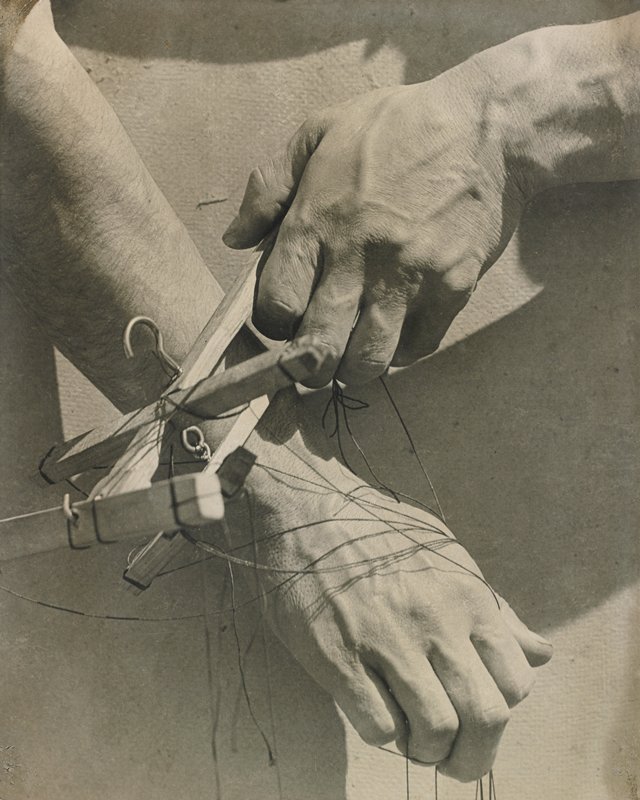
Hands of the Puppeteer, Mexico City, Tina Modotti, 1929

Hands of the Puppeteer, Mexico City

1929 · Minneapolis Institute of Art

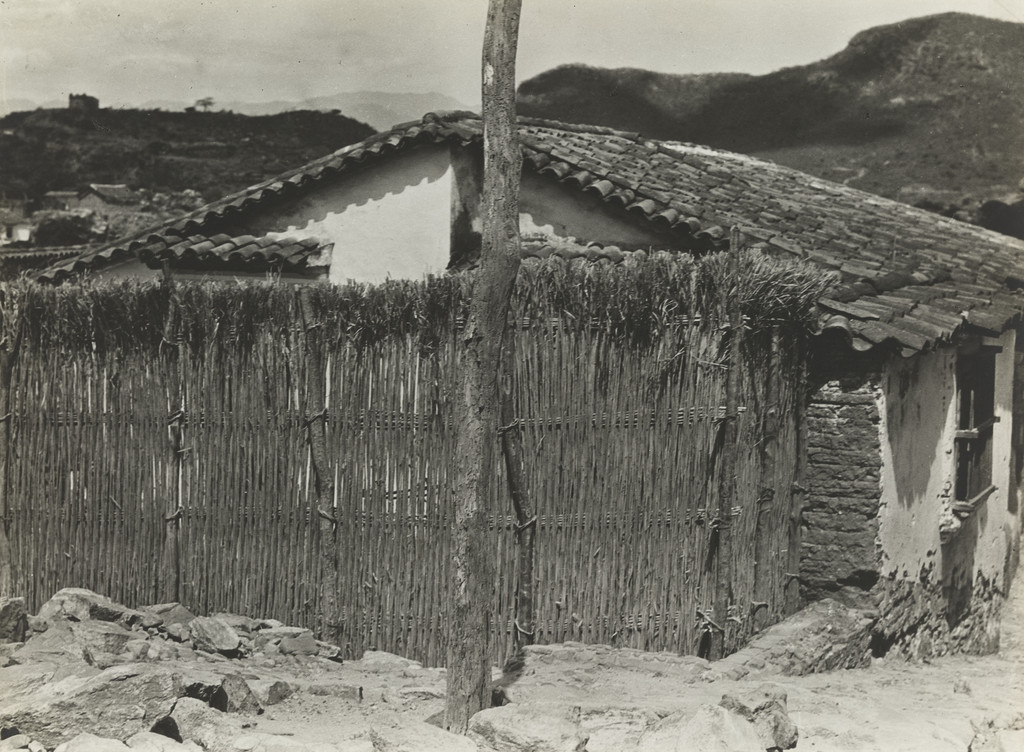
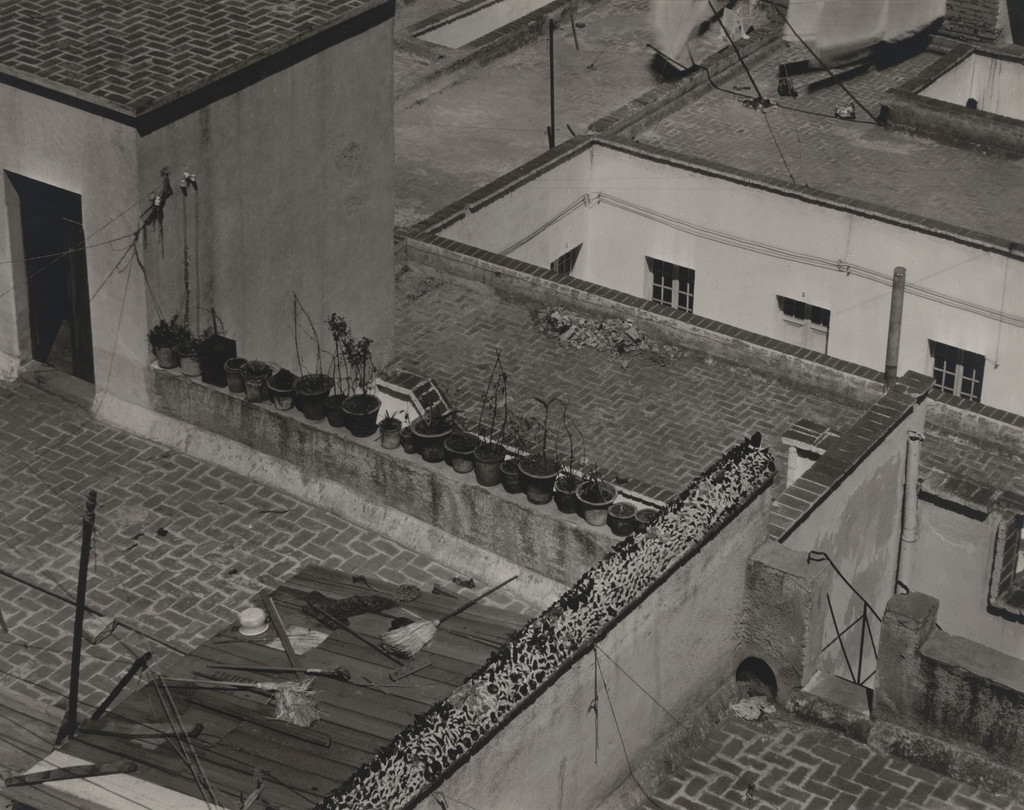
Roofs of Mexico City, Tina Modotti, 1923-30

Roofs of Mexico City

1923-30 · Niet te zien · Museum of Modern Art

House in Tehuantepec, Tina Modotti, 1923-30

House in Tehuantepec

1923-30 · Niet te zien · Museum of Modern Art

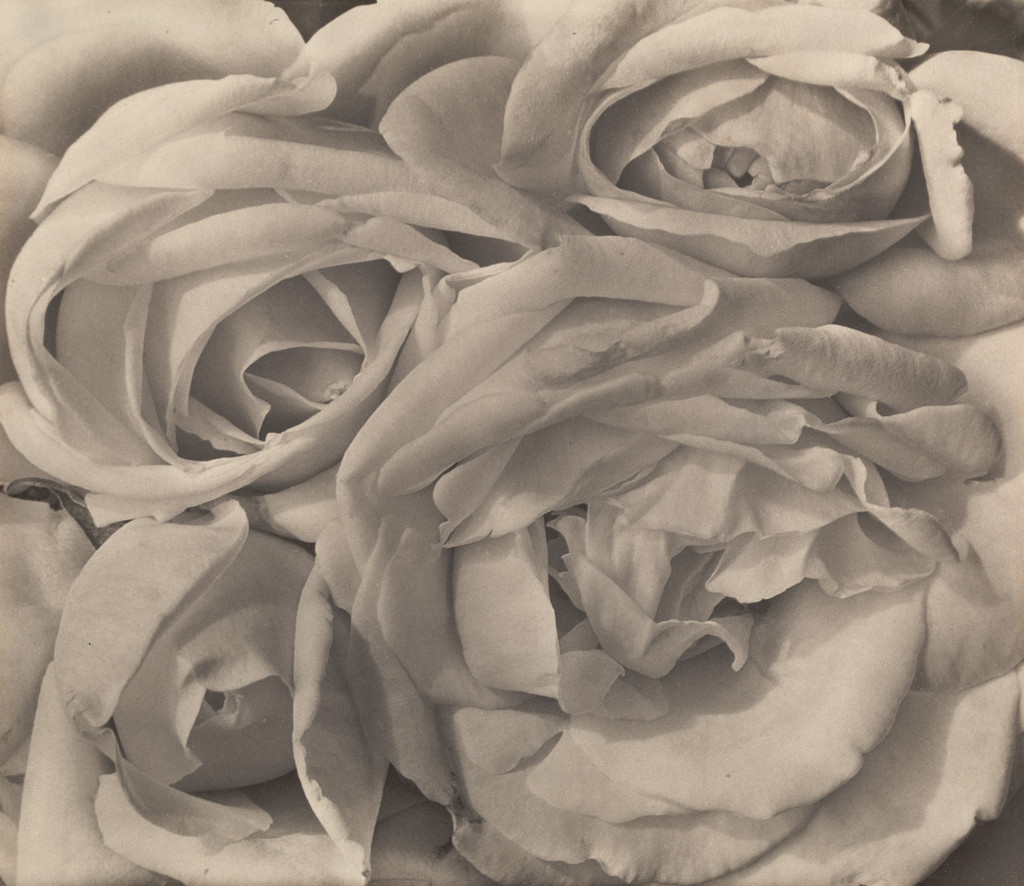
Roses, Mexico, Tina Modotti, 1924

Roses, Mexico

1924 · Niet te zien · Museum of Modern Art

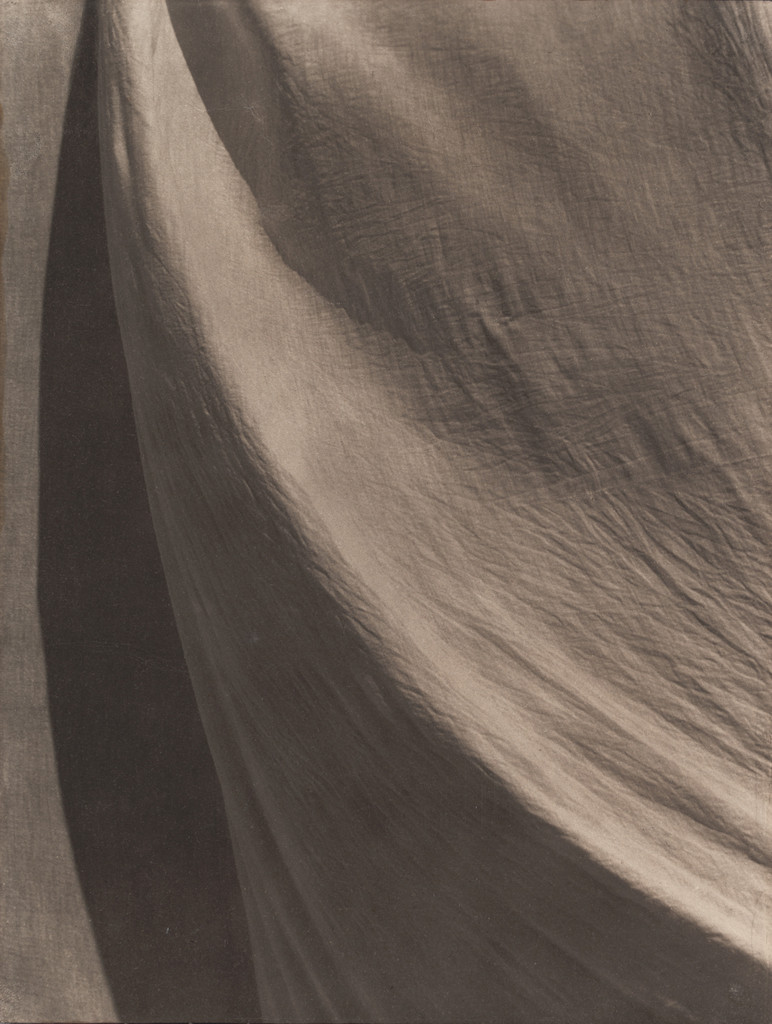
Cloth Folds, Tina Modotti, c. 1924

Cloth Folds

c. 1924 · Niet te zien · Museum of Modern Art

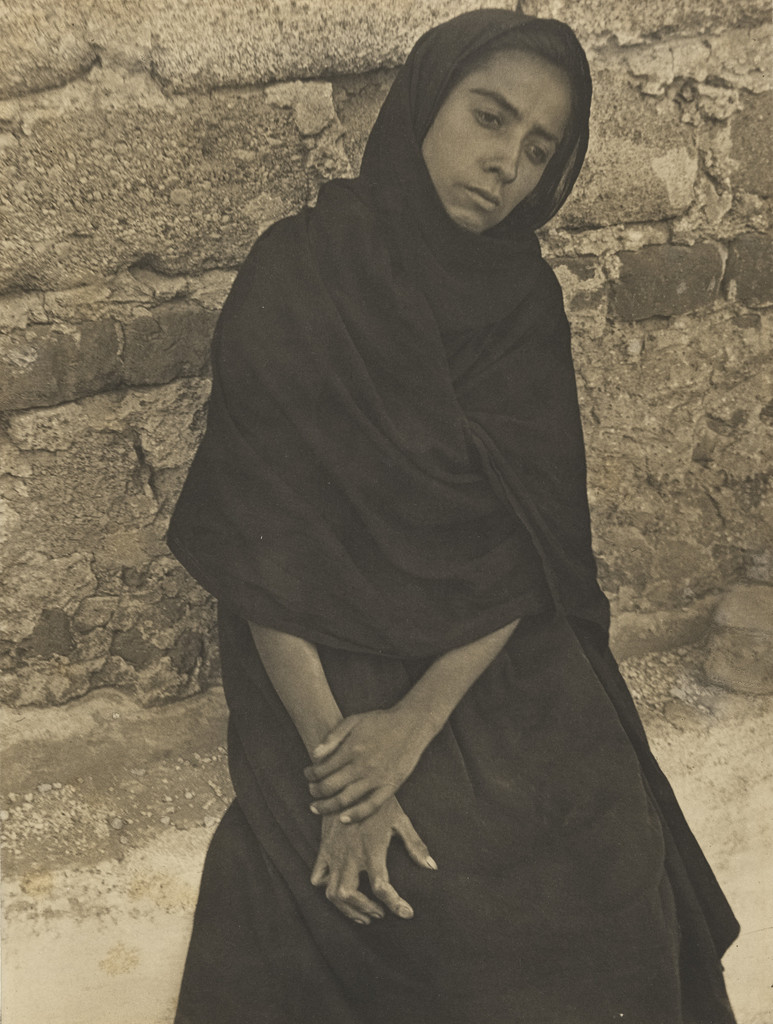
Elisa, Tina Modotti, 1924

Elisa

1924 · Niet te zien · Museum of Modern Art

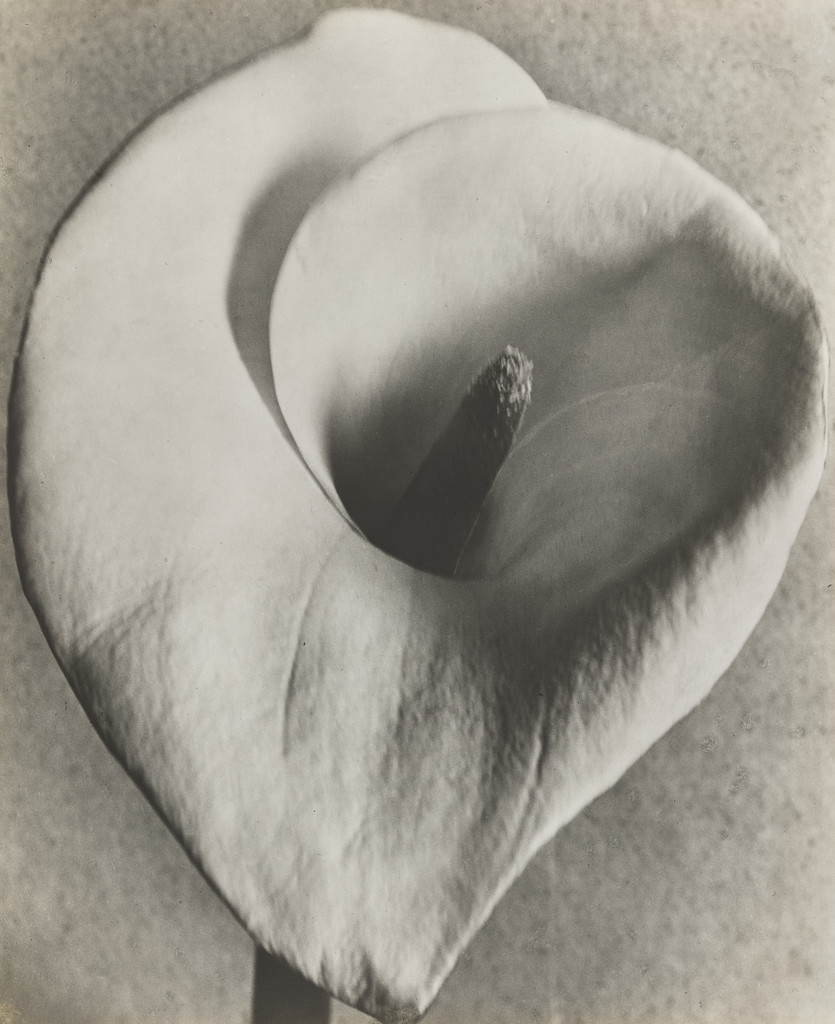
Calla Lily, Tina Modotti, 1924-26

Calla Lily

1924-26 · Niet te zien · Museum of Modern Art

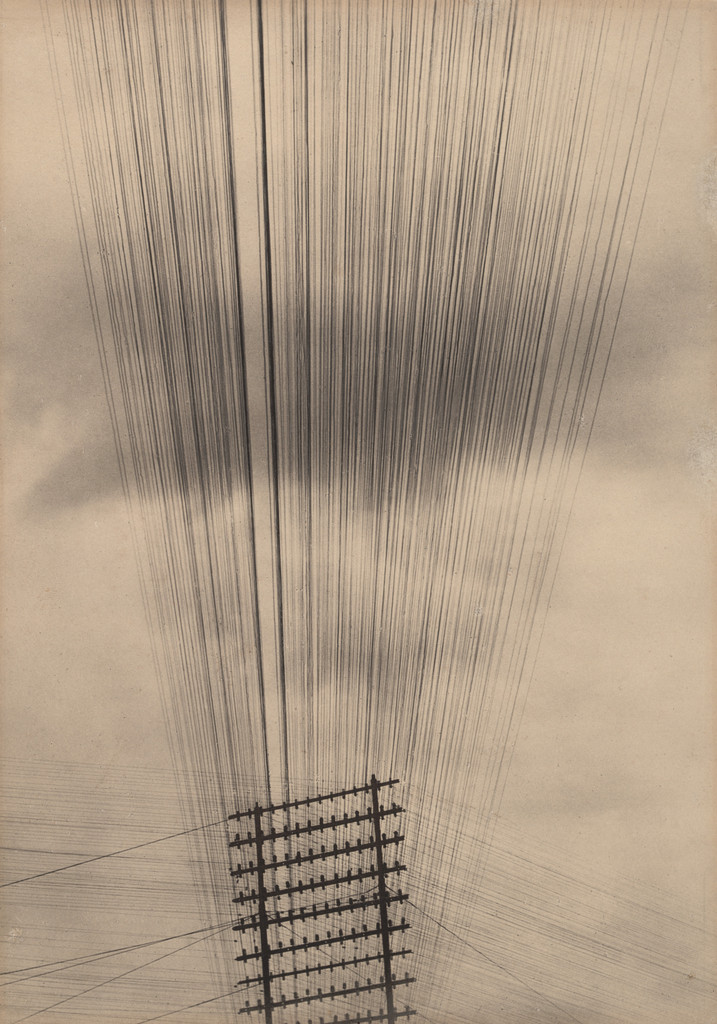
Telephone Wires, Mexico, Tina Modotti, 1924

Telephone Wires, Mexico

1924 · Niet te zien · Museum of Modern Art

Buren in huis: Museum of Modern Art

Museumpagina
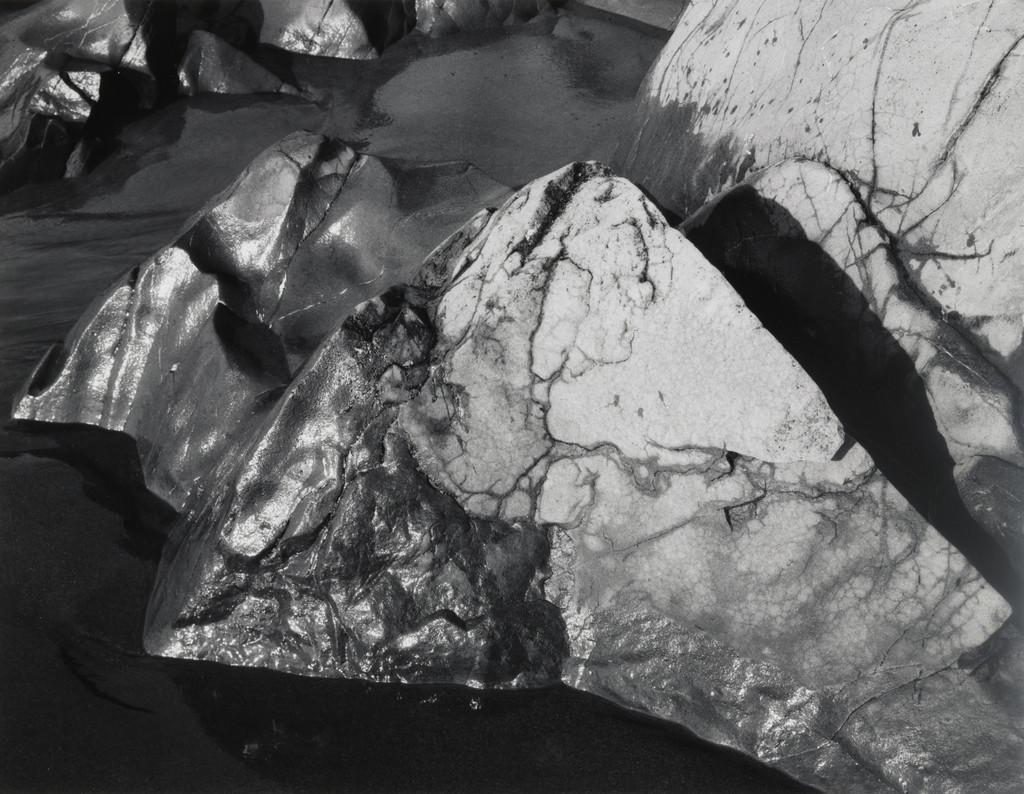
Rock, Bakers Beach, San Francisco, California, Ansel Adams, c. 1931

Ansel Adams

Rock, Bakers Beach, San Francisco, California, c. 1931

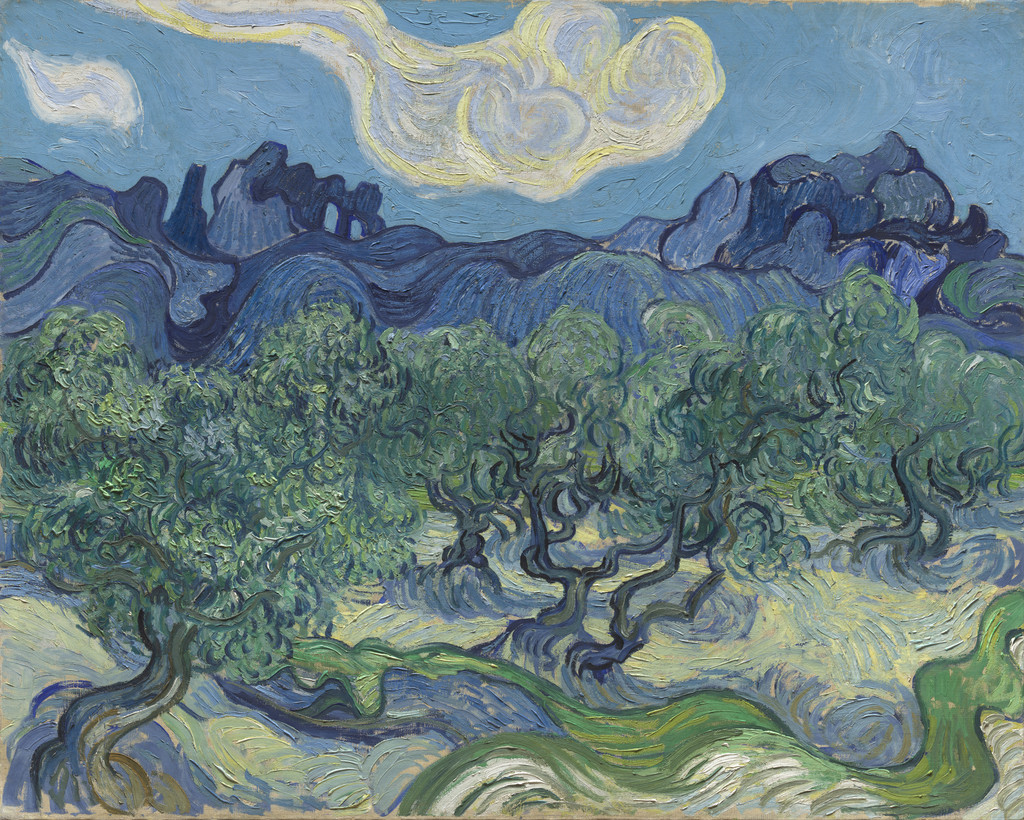
The Olive Trees, Vincent van Gogh, Saint Rémy, June-July 1889

Vincent van Gogh

The Olive Trees, Saint Rémy, June-July 1889

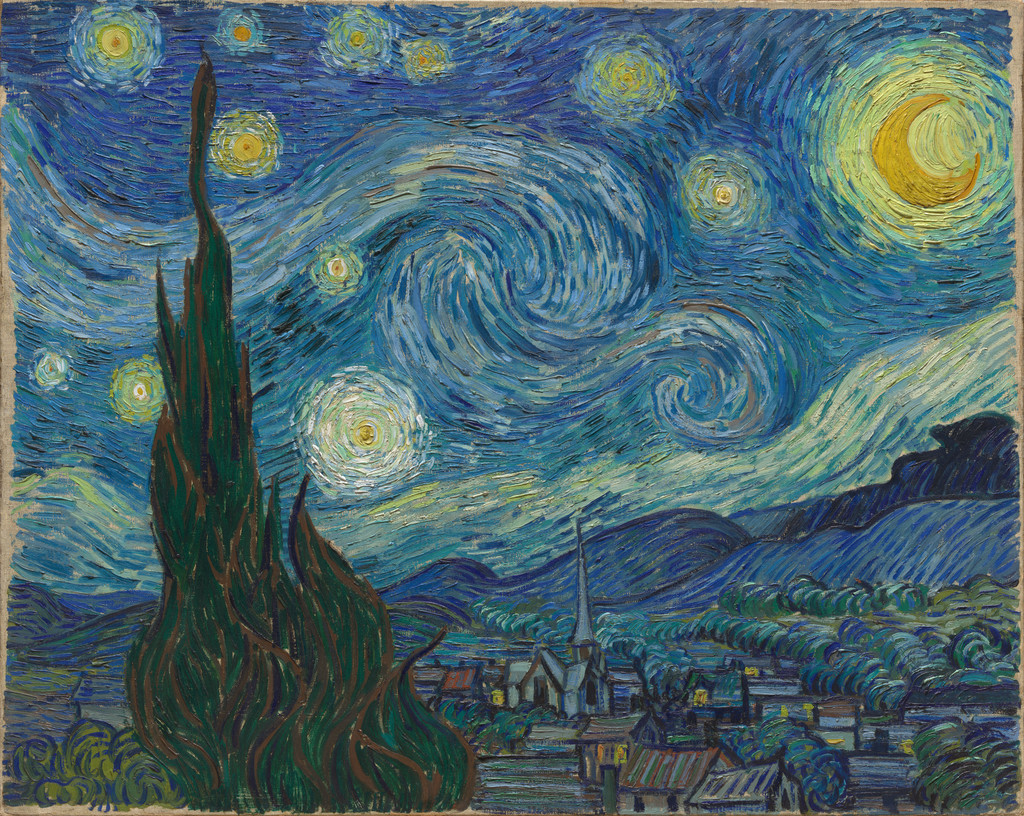
The Starry Night, Vincent van Gogh, Saint Rémy, June 1889

Vincent van Gogh

De sterrennacht, Saint Rémy, June 1889

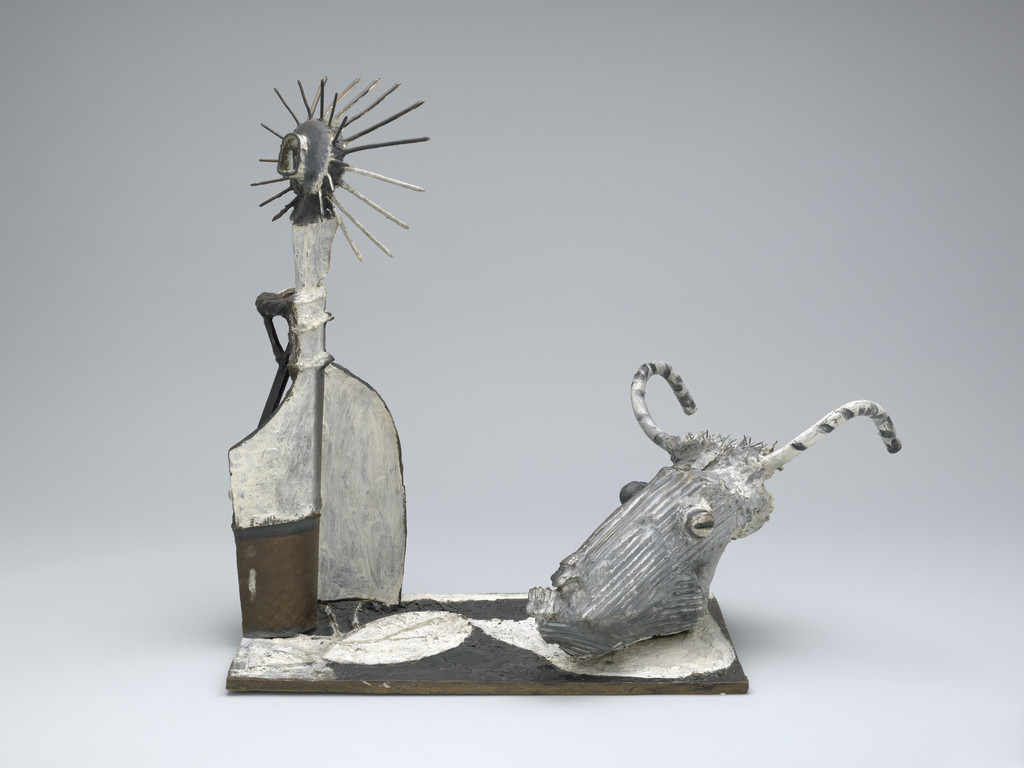
Goat Skull and Bottle, Pablo Picasso, Vallauris, 1951 (cast 1954)

Pablo Picasso

Goat Skull and Bottle, Vallauris, 1951 (cast 1954)

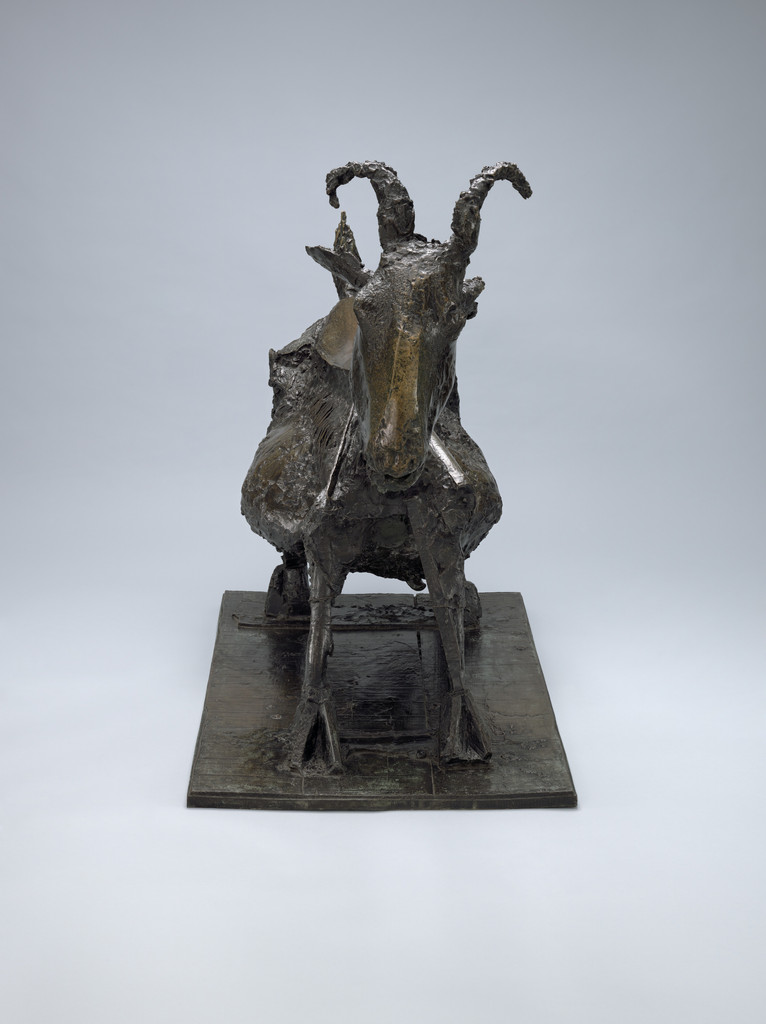
She-Goat, Pablo Picasso, Vallauris, 1950 (cast 1952)

Pablo Picasso

She-Goat, Vallauris, 1950 (cast 1952)

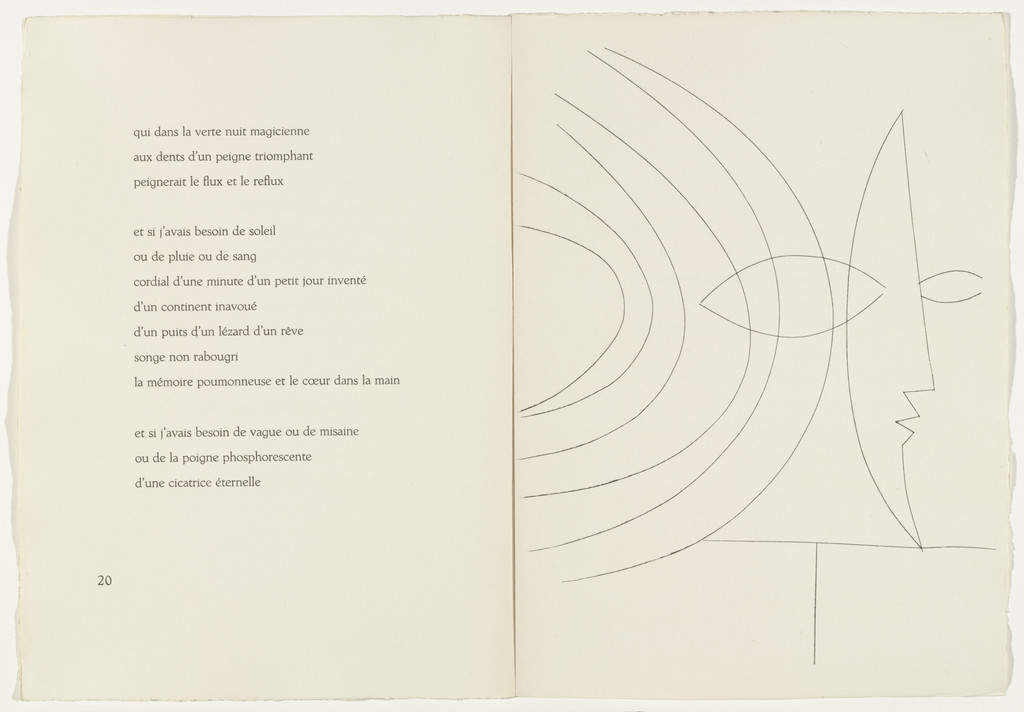
Face in Profile (plate, page 21) from Corps perdu, Pablo Picasso, 1949, published 1950

Pablo Picasso

Face in Profile (plate, page 21) from Corps perdu, 1949, published 1950

Coupling (plate, page 17) from Corps perdu, Pablo Picasso, 1949, published 1950

Pablo Picasso

Coupling (plate, page 17) from Corps perdu, 1949, published 1950

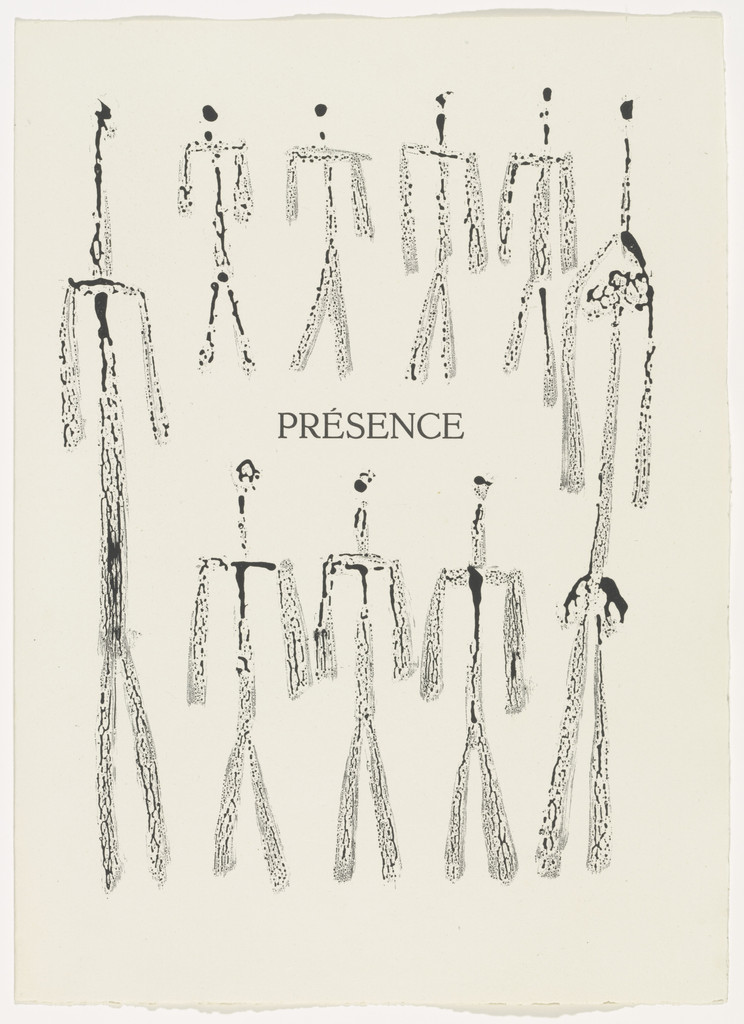
"Présence" (chapter title, page 13) from Corps perdu, Pablo Picasso, 1949, published 1950

Pablo Picasso

"Présence" (chapter title, page 13) from Corps perdu, 1949, published 1950