Paul CézanneFrankrijk, 1839–1906
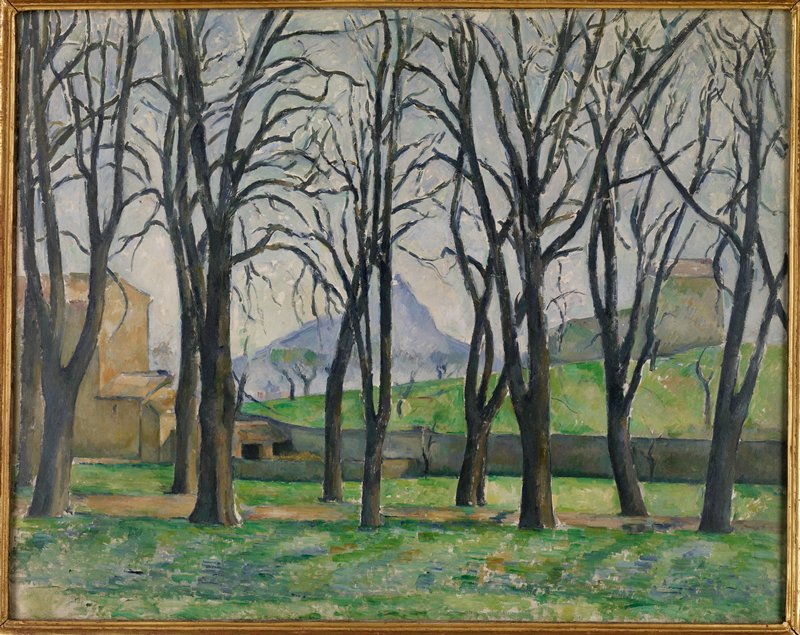
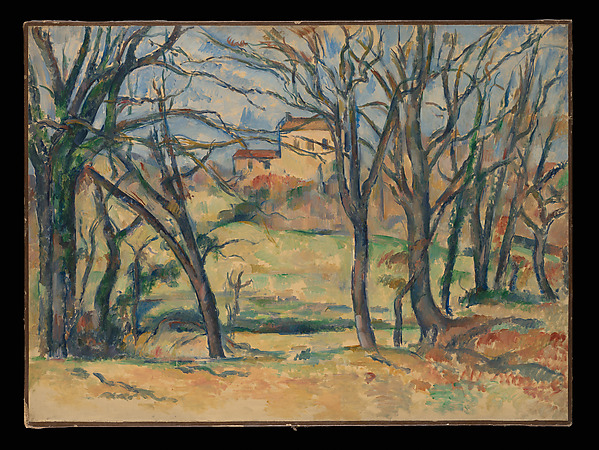
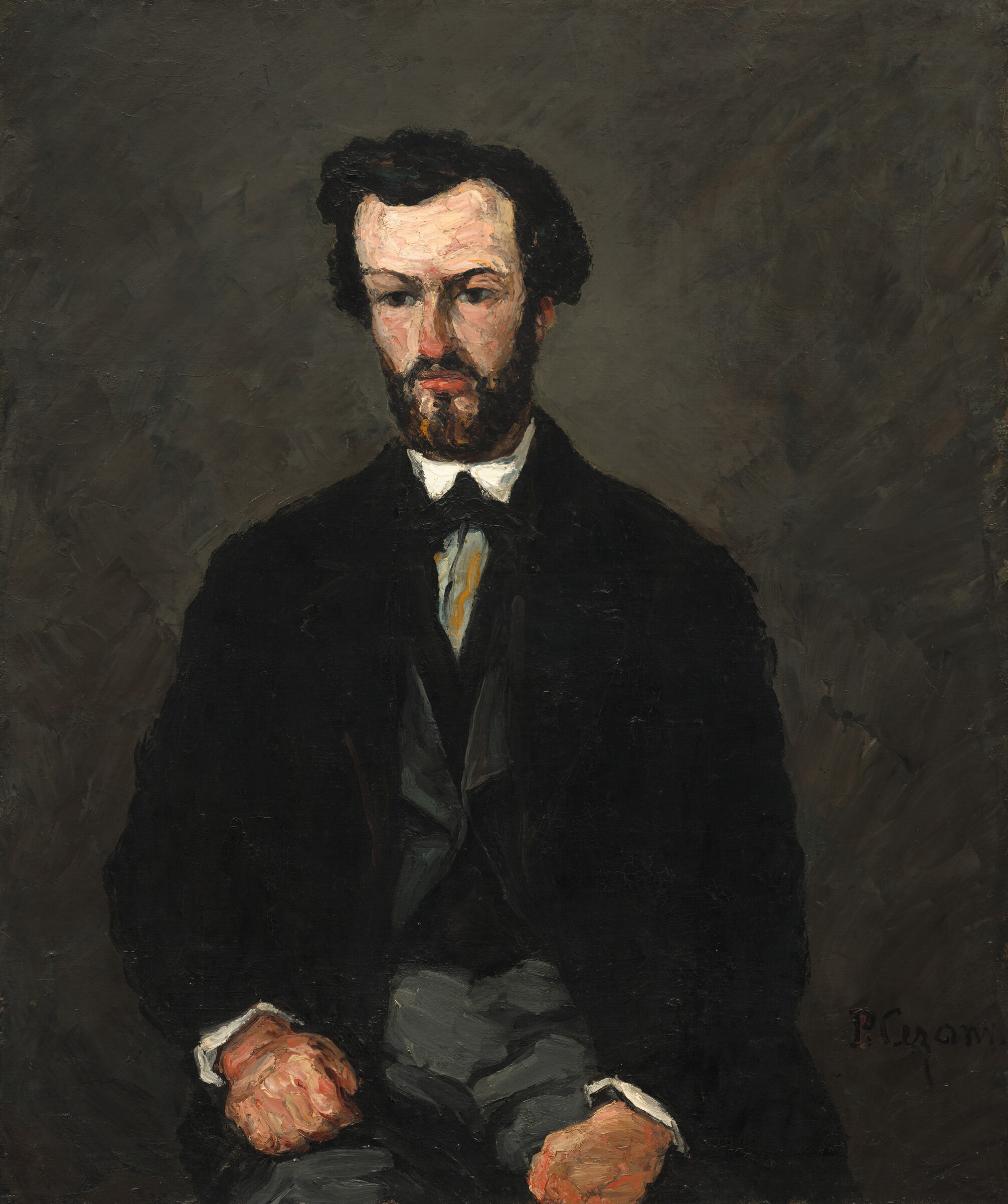
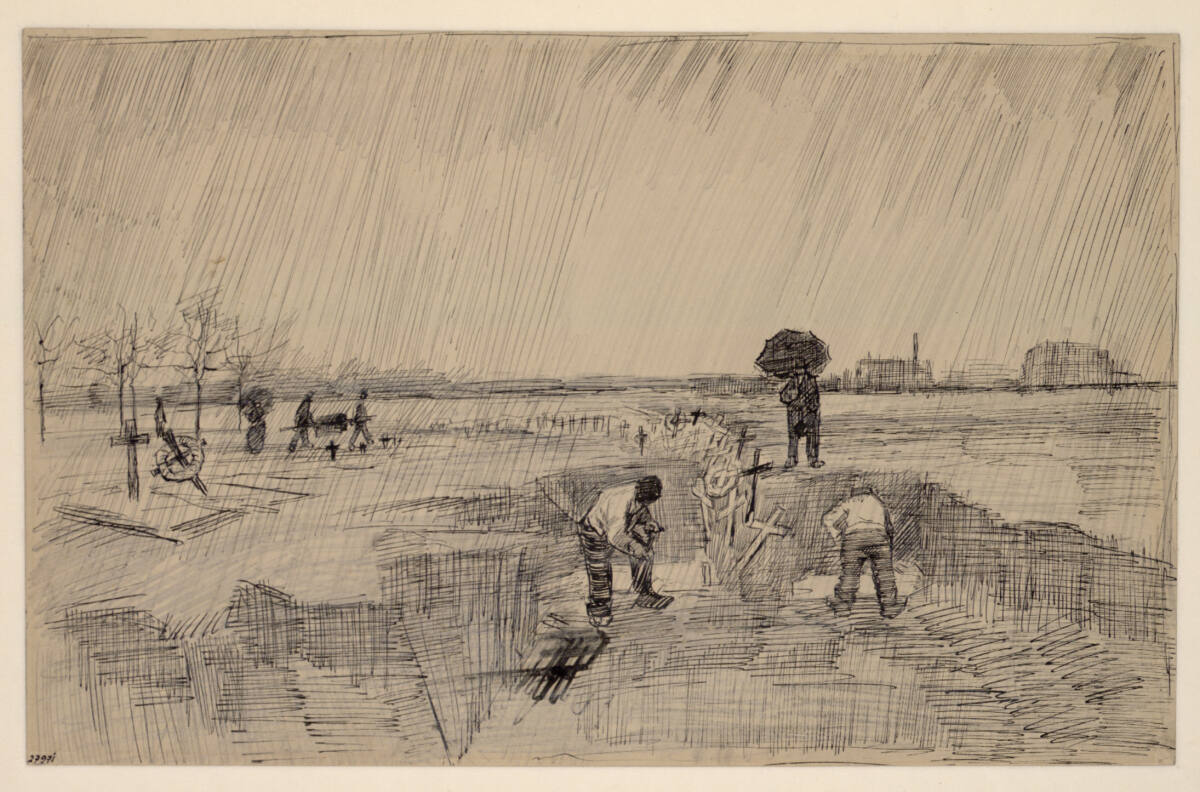
Guillaumin au pendu
Mag men het zien?
Onbekend

Wenen, Oostenrijk
De eigenaar is bekend; of het werk nu te zien is, is onbekend.
- Ongewijzigd sinds
- Bron
- Het museum
Gegevens
In de catalogus
Bronnen
- Albertina
- Afbeelding: Albertina — Public Domain Mark 1.0
Intussen, in het leven van Paul Cézanne
Het hele leven1870–1871
Franco-Prussian War: Life in L'Estaque
During the war he lived with Hortense Fiquet in the fishing village of L'Estaque near Marseille and evaded conscription; in January 1871 he was declared a deserter but managed to avoid capture.
1872
Working with Pissarro in Pontoise
At Pissarro's invitation he worked in Pontoise; his mentor persuaded him to abandon dark tones and paint with the three primary colors, which lightened Cézanne's palette.
1872
Son born: Paul Cézanne
4 January 1872
Birth of His Son Paul
Cézanne and Hortense Fiquet had a son, Paul. The relationship and the child were concealed from the artist's father for fear of losing his allowance.
late 1872 – 1874
Auvers-sur-Oise: Meeting Dr. Gachet
He lived with Hortense and their son in Auvers-sur-Oise, where he met the physician and art lover Paul Gachet (later Van Gogh's doctor), who made his studio available to him.
15 April – 15 May 1874
First Impressionist Exhibition
He took part in the first group exhibition of the future Impressionists in the studio of the photographer Nadar; his "A Modern Olympia" provoked critical outrage. "The House of the Hanged Man" was bought by Count Doria for 300 francs — one of the few paintings sold.