 Mikhail Nesterov1862–1942
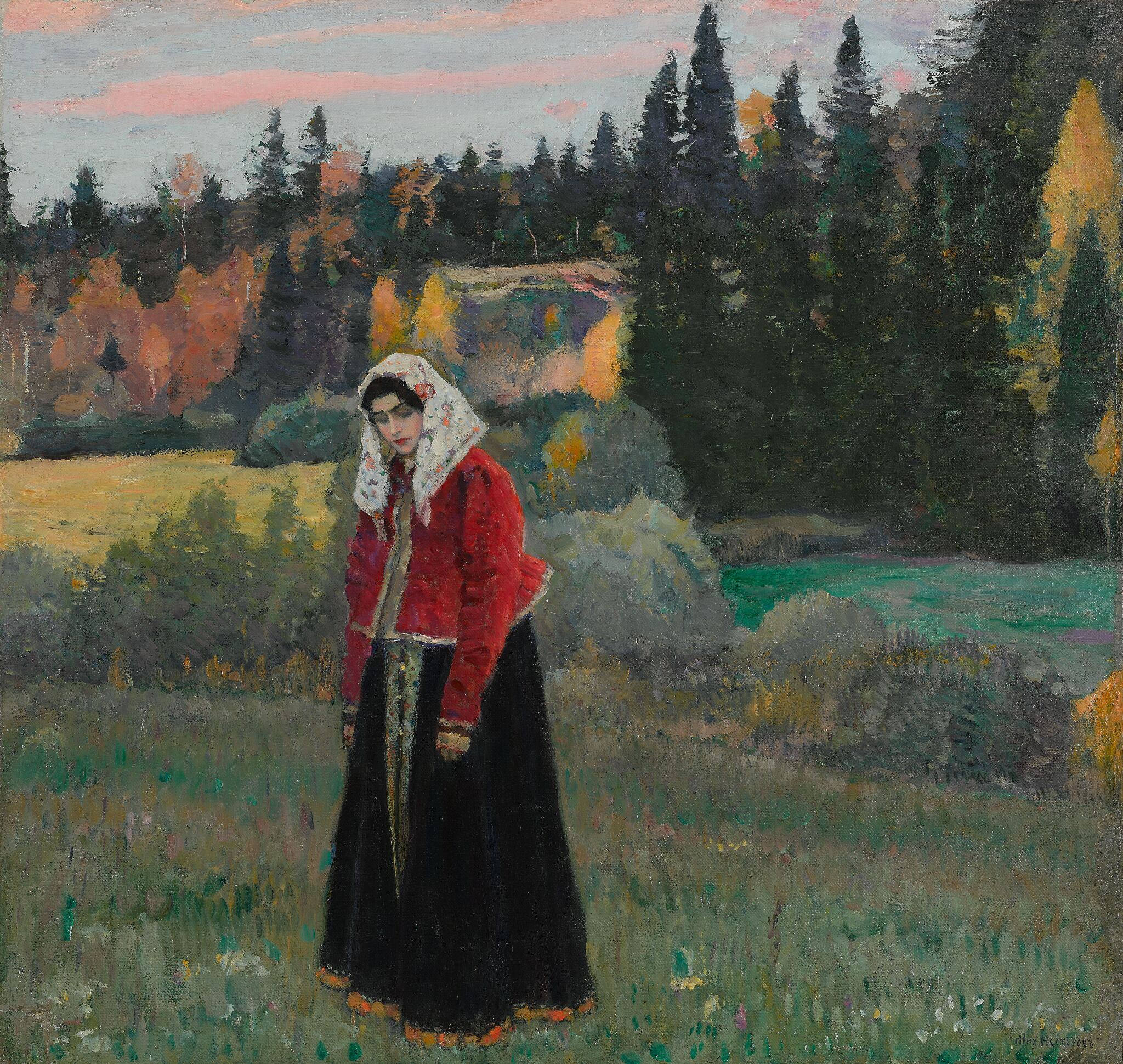
Флёнушка
Kan ik het zien?
Onbekend
Waar is „Флёнушка” nu? Collectie: Tretjakovgalerij, Moskou. Onbekend.

Moskou, Rusland
De eigenaar is bekend; of het werk nu te zien is, is onbekend.
- Bron
- Het museum
Over het schilderij
In de woorden van het museum — in het Russisch
Родившись в Уфе в семье купца, Михаил Нестеров с юного возраста слышал народные песни, присказки, былины, сказания. Детские годы оставили в его душе неизгладимый след светлой признательности и глубокой привязанности ко всему, что наполняло его мир в то время: отчему дому, где чтились традиции, его близким и окружающей природе.
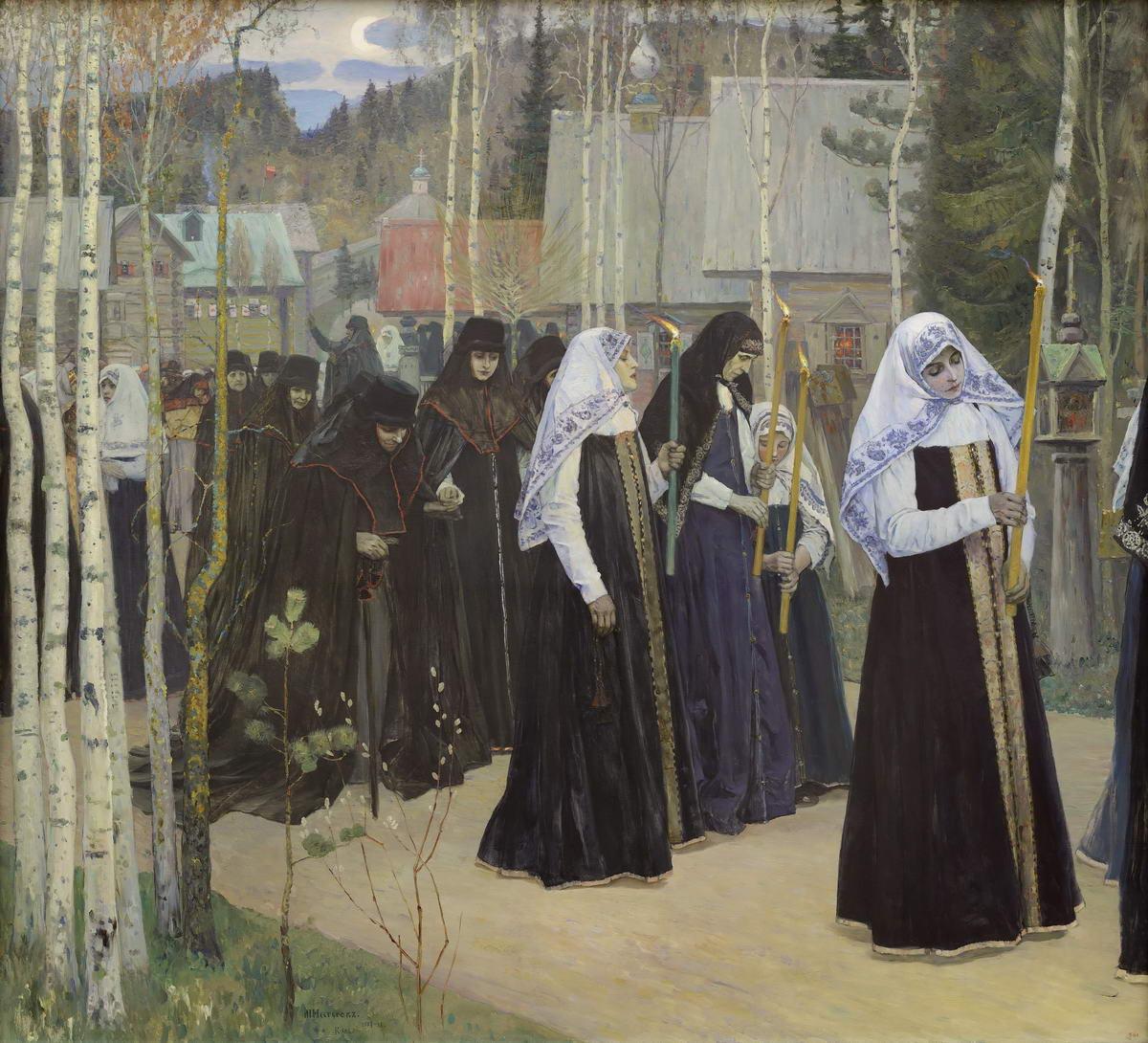
В юности Нестеров с увлечением читал романы популярного в те годы писателя П.И. Мельникова-Печерского, посвященные жизни старообрядцев Заволжья. Вдохновленный его творчеством, в 1890-е годы он создал живописный цикл, в центре которого была трагическая судьба русской женщины. В основу «романа в картинах» легла сюжетная линия эпопеи П.И. Мельникова-Печерского «В лесах» и «На горах», главной героиней которой была девушка Флёнушка. Влияние литературного текста ощутимо в развернутой повествовательности композиций и в их образно-психологическом решении.
Lees meer
Картина «Флёнушка» была создана значительно позже, после революции, когда христианские мотивы в произведениях художников вызывали отторжение и жесткую критику. Но несмотря на то, что живописец не мог показывать такие работы на выставках, он продолжил их писать для узкого круга друзей и знакомых. Нестеров изобразил один из центральных моментов романа, когда Флёнушка сознательно уходит из мирской жизни и погружается в суровое затворничество старообрядческого скита. Художник признавался, что «не любил изображать сильные страсти», предпочитая им «наш тихий пейзаж, умиротворенного человека». Понуро опустив голову, героиня Нестерова замерла в глубоком раздумье, словно мысленно прощаясь с прошлой жизнью. Угасающая красота осеннего леса подчеркивает печаль девушки. В пейзажах Нестерова природа гармонично переплетается с душевным состоянием персонажей и отражает их переживания.
Tretjakovgalerij
Gegevens
- Inventarisnummer
- Ж-1508
In de catalogus
Bronnen
- Tretjakovgalerij
- Afbeelding: Tretjakovgalerij — © State Tretyakov Gallery
In het leven van Mikhail Nesterov
Het hele leven1918
Flight to the Caucasus; illness in Armavir
The 1917 revolution was a watershed for the 55-year-old painter: after the Civil War broke out, the Nesterov family was forced to leave for the Caucasus. In 1918 he moved to Armavir, where he fell ill and for a long time could not work.
1920
Returns to Moscow
Nesterov returned to Moscow; from 1920 he lived and worked at 43 Sivtsev Vrazhek Lane.
spring 1925
First arrest
In spring 1925 Nesterov was arrested and spent several days in prison; he was freed thanks to the efforts of the architect Alexei Shchusev, who enjoyed the authorities' trust.
1926
Begins writing his memoirs
Nesterov began the memoirs on which he worked with enthusiasm in the last years of his life; they remained unfinished.
1927
Pavel Korin's inscription on “The Soul of the People”
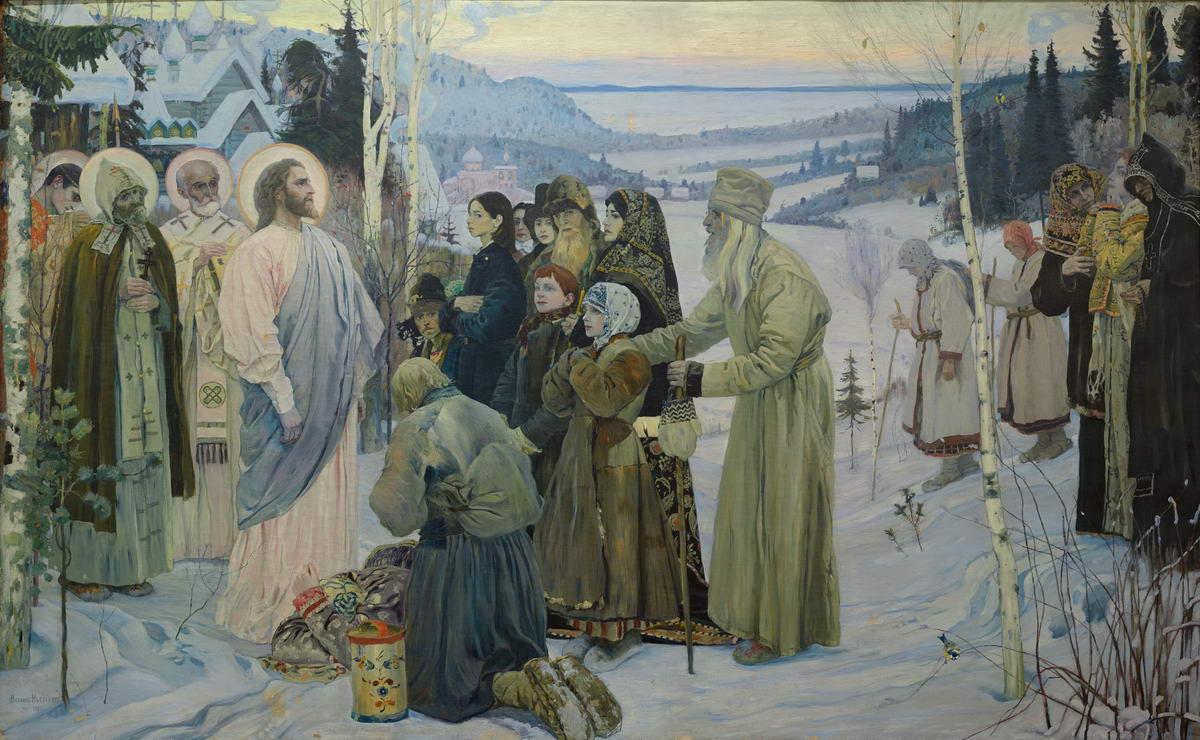
After long hesitation on the artist's part, Pavel Korin inscribed the Gospel words “Except ye become as little children, ye shall not enter into the kingdom of heaven” at the lower left of the painting. Nesterov counted the picture among his most important: “At the start of life, ‘The Youth Bartholomew’; towards its end, ‘The Soul of the People’.”
1930s
Forced to abandon religious subjects
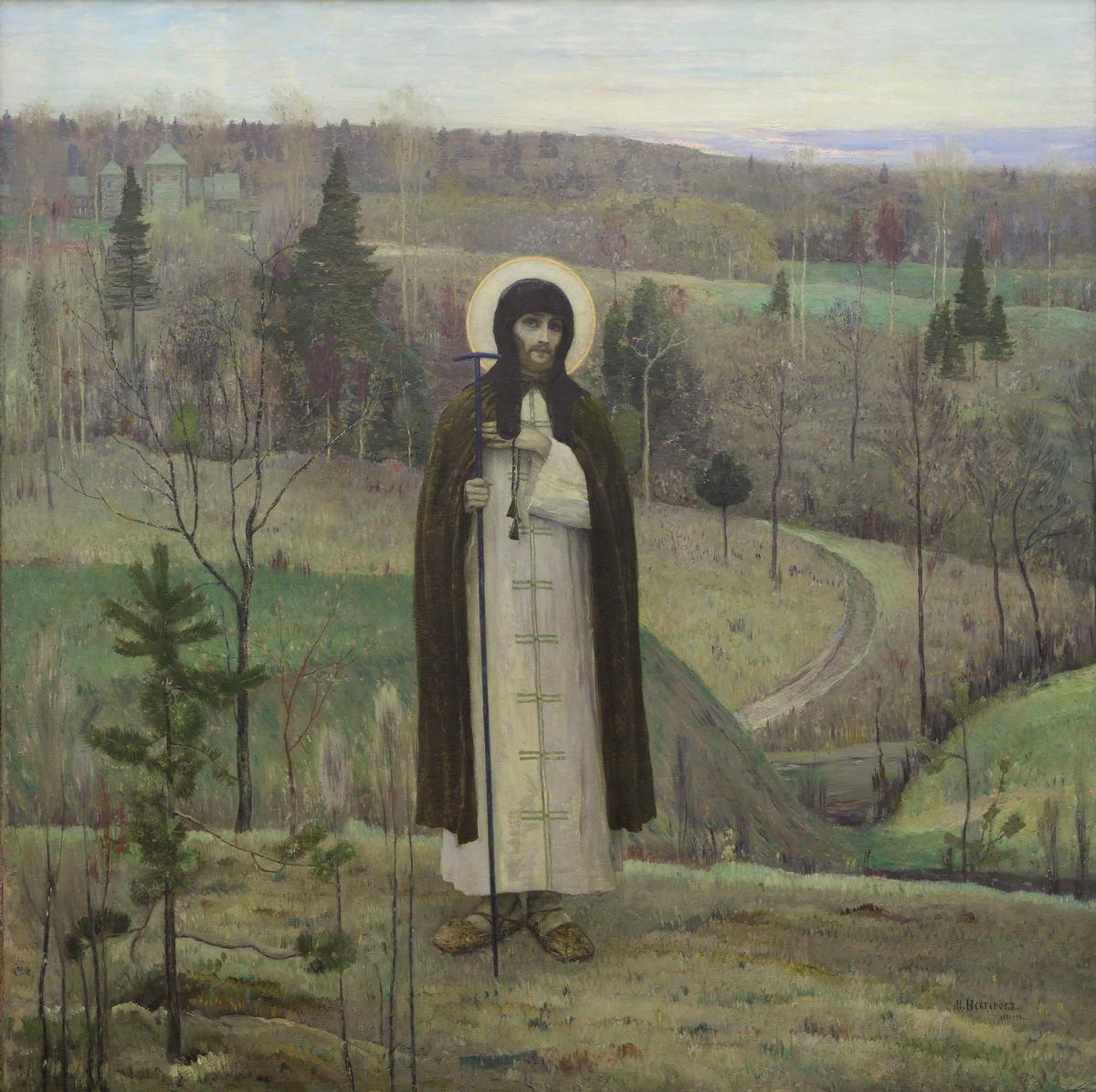
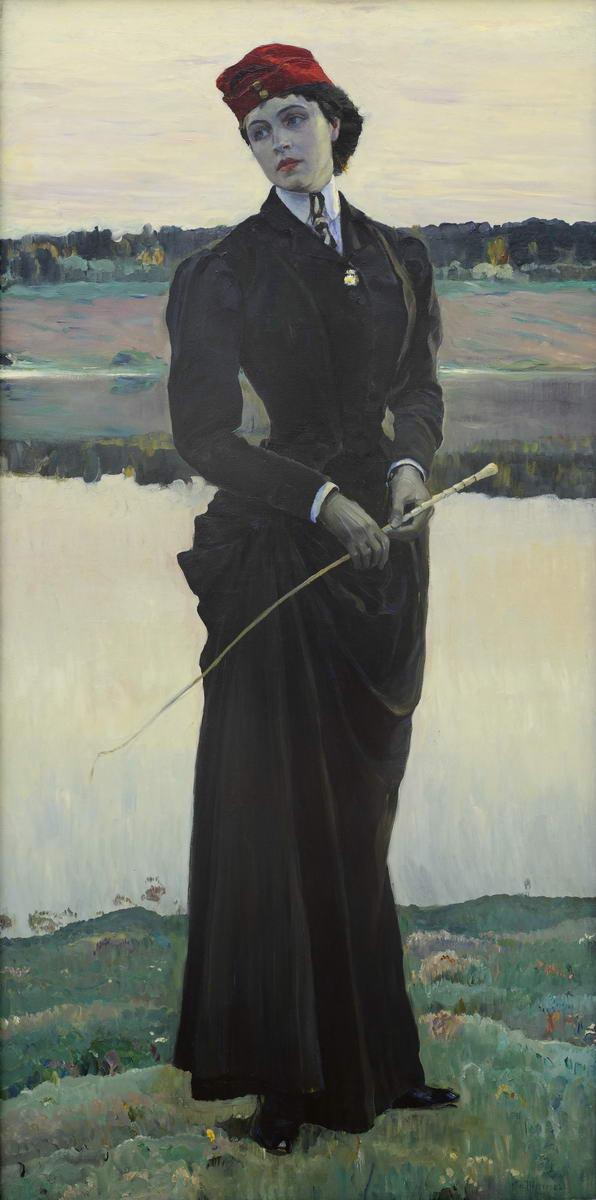
Under pressure from official ideology Nesterov gave up his religious subjects and turned to portraiture, yet he never joined the Soviet artists' unions, never accepted portrait commissions and kept his inner independence; his sitters included the surgeon Sergei Yudin (1933, 1935) and the sculptor Ivan Shadr (1934). By other accounts, he had to give up religious painting as early as his return to Moscow in 1920, though he privately continued the Sergius cycle.