 Cecil BeatonEngeland, 1904–1980
Drawing
Mag men het zien?
Ontvangt momenteel niet

Victoria and Albert Museum
Londen, Verenigd Koninkrijk
Het hoort bij de collectie, maar is momenteel niet tentoongesteld.
- Gecontroleerd
- 9 dagen geleden
- Ongewijzigd sinds
- 25 sep 2026
- Bron
- De eigen collectiegegevens van het museum
Over het werk
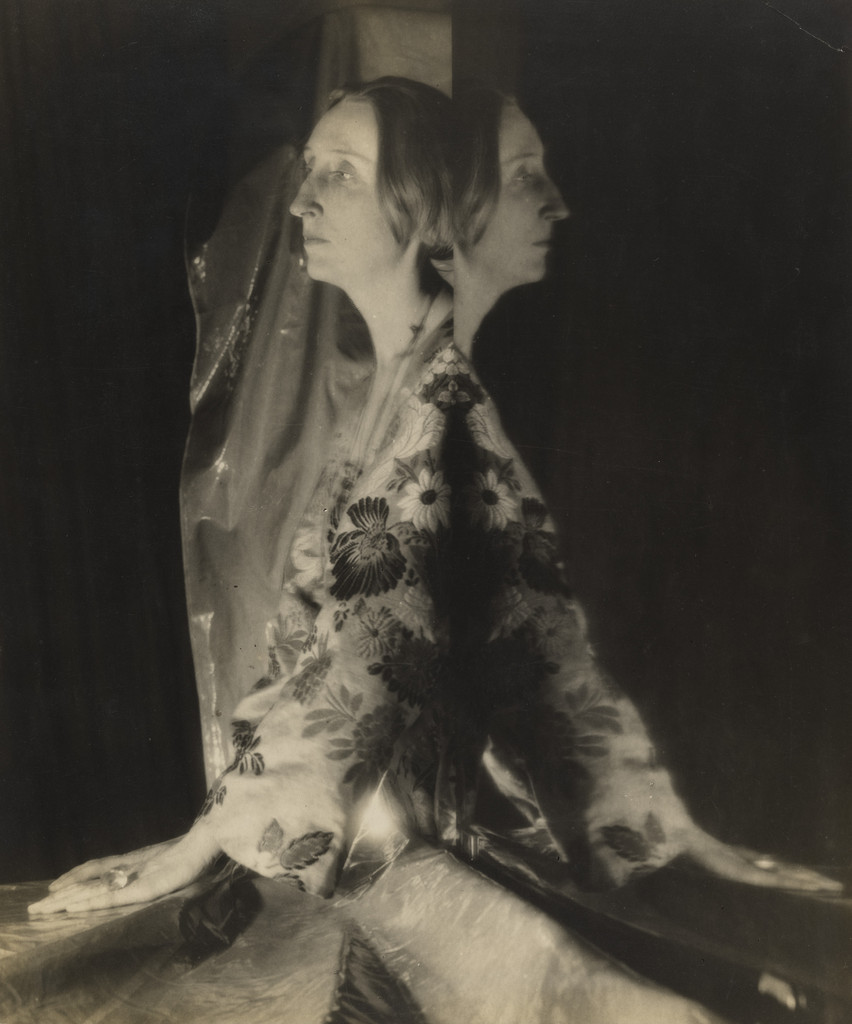
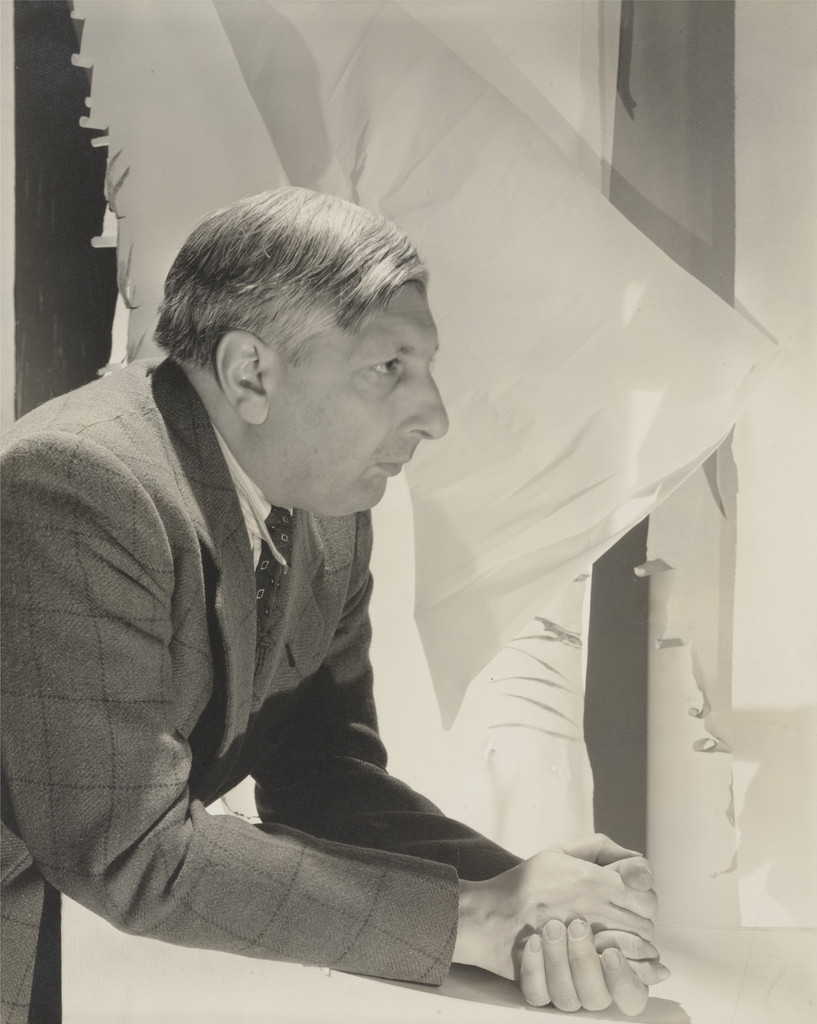
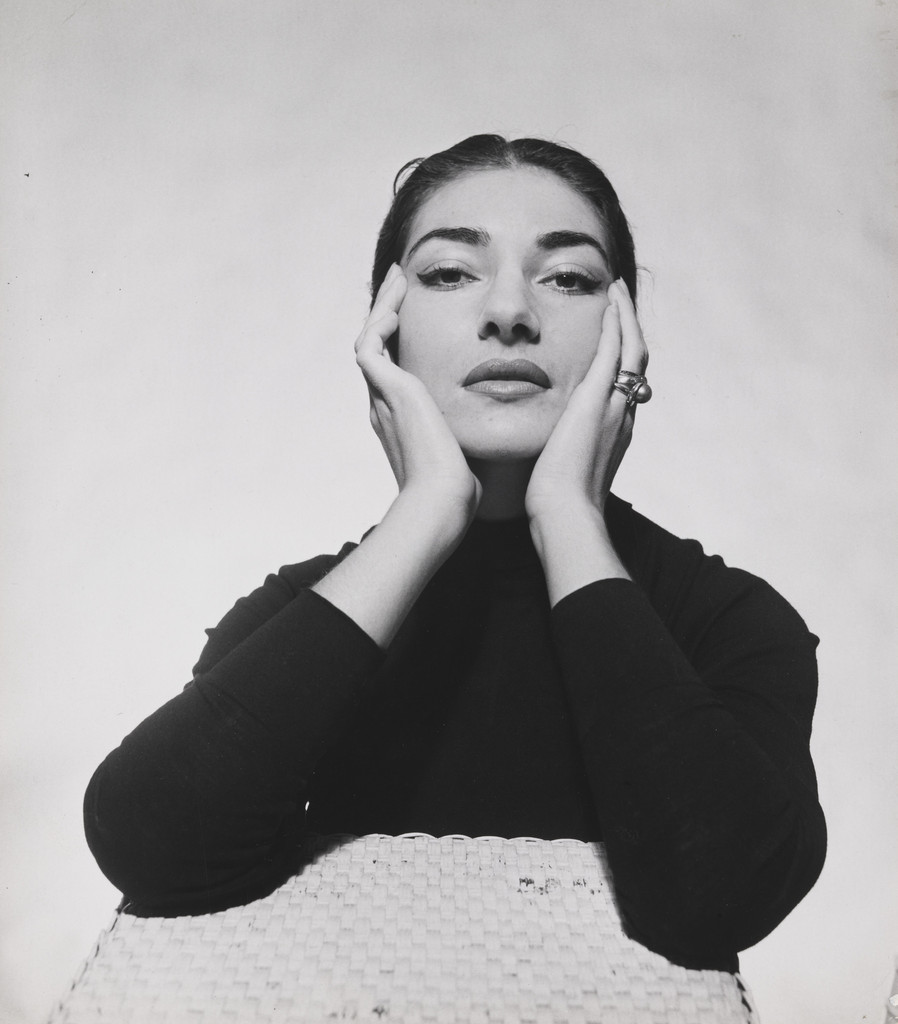
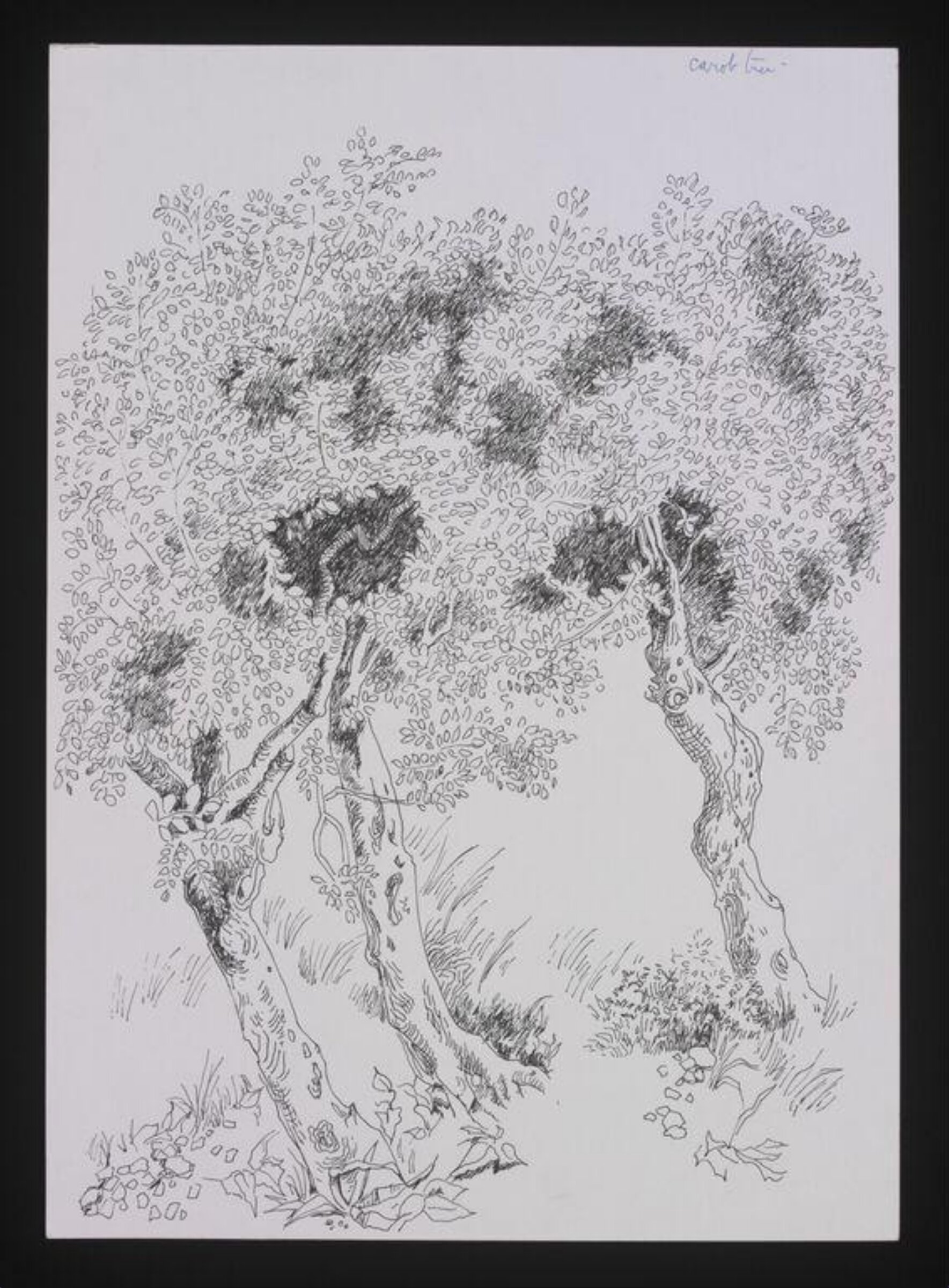
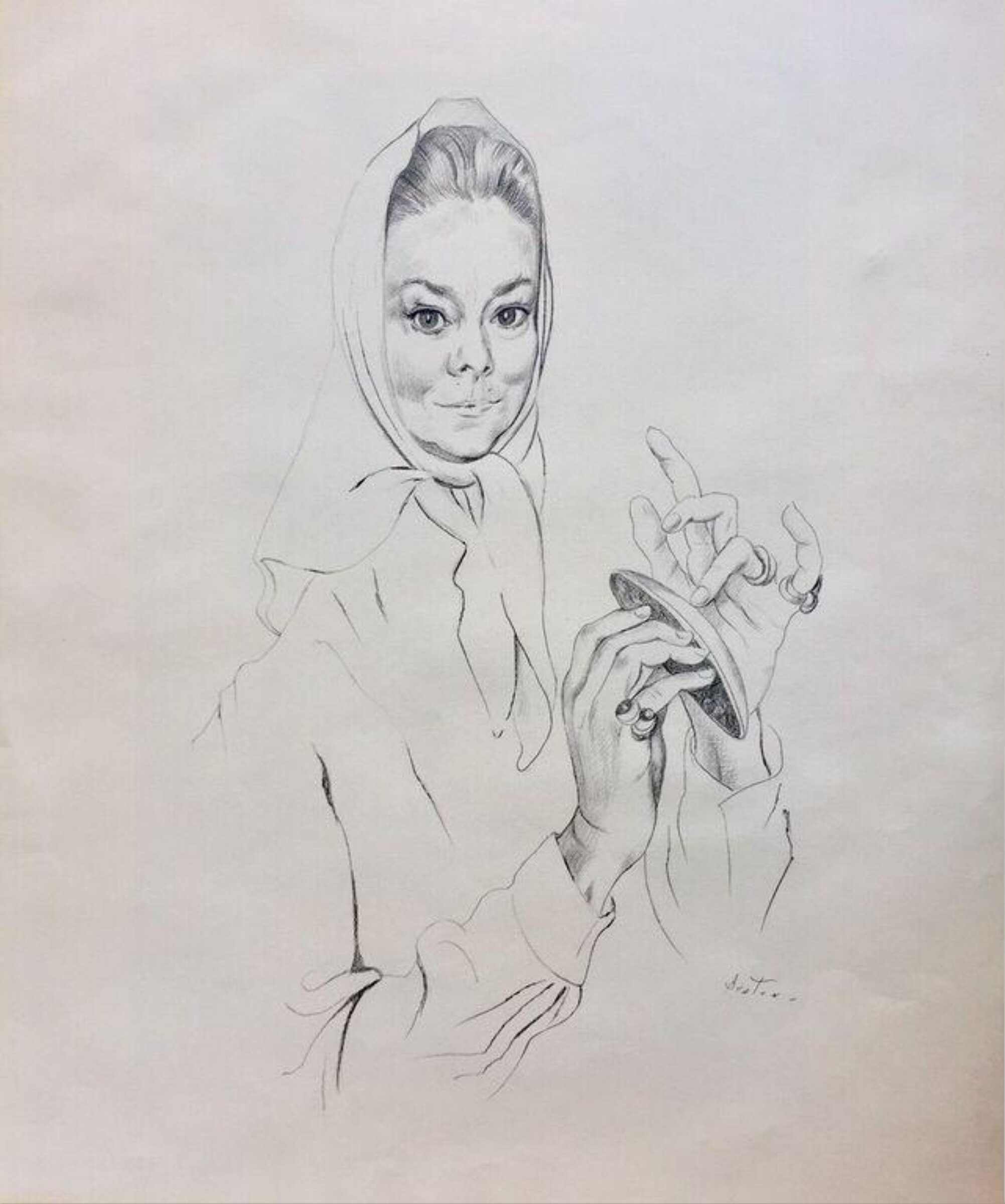
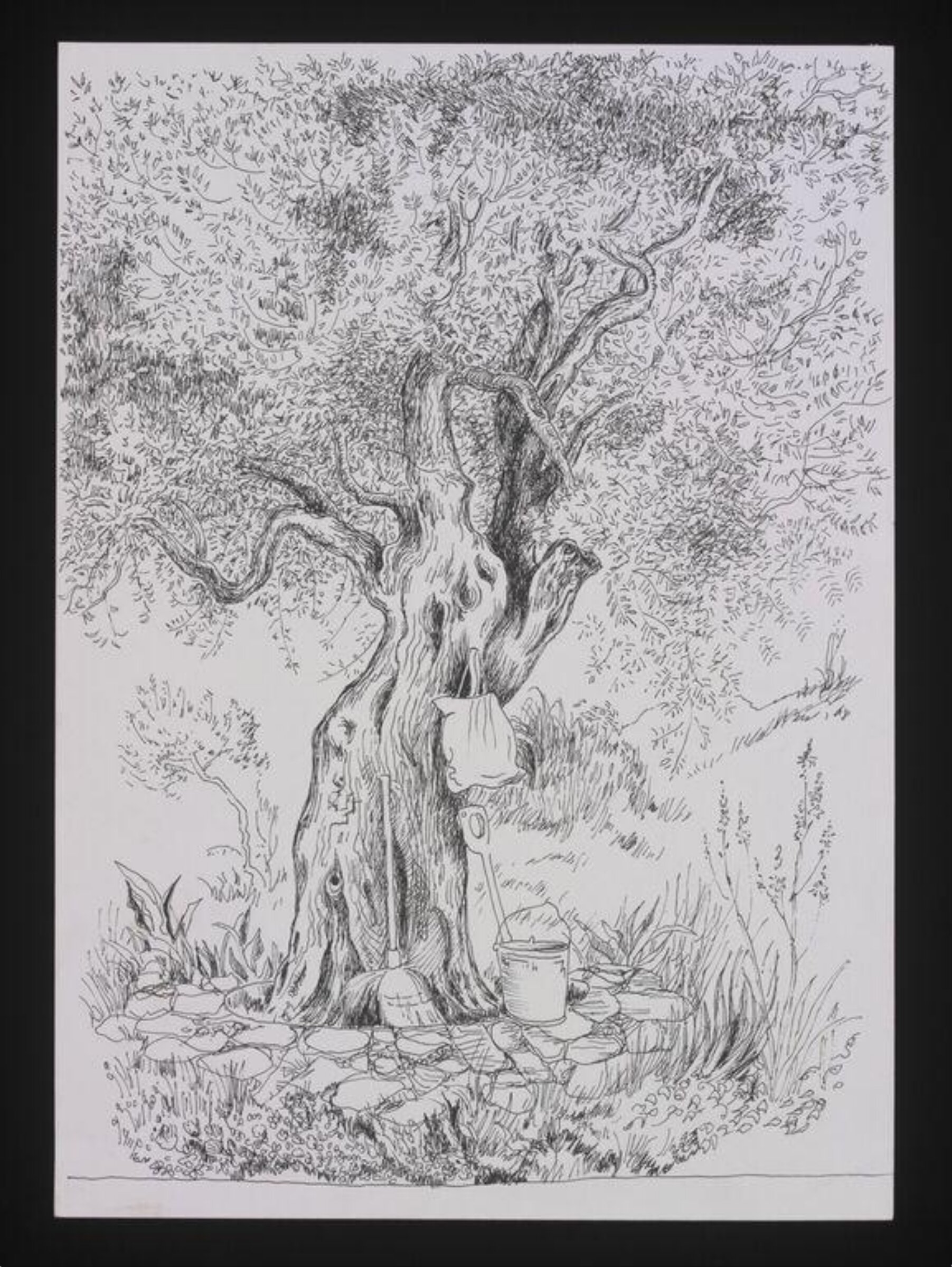
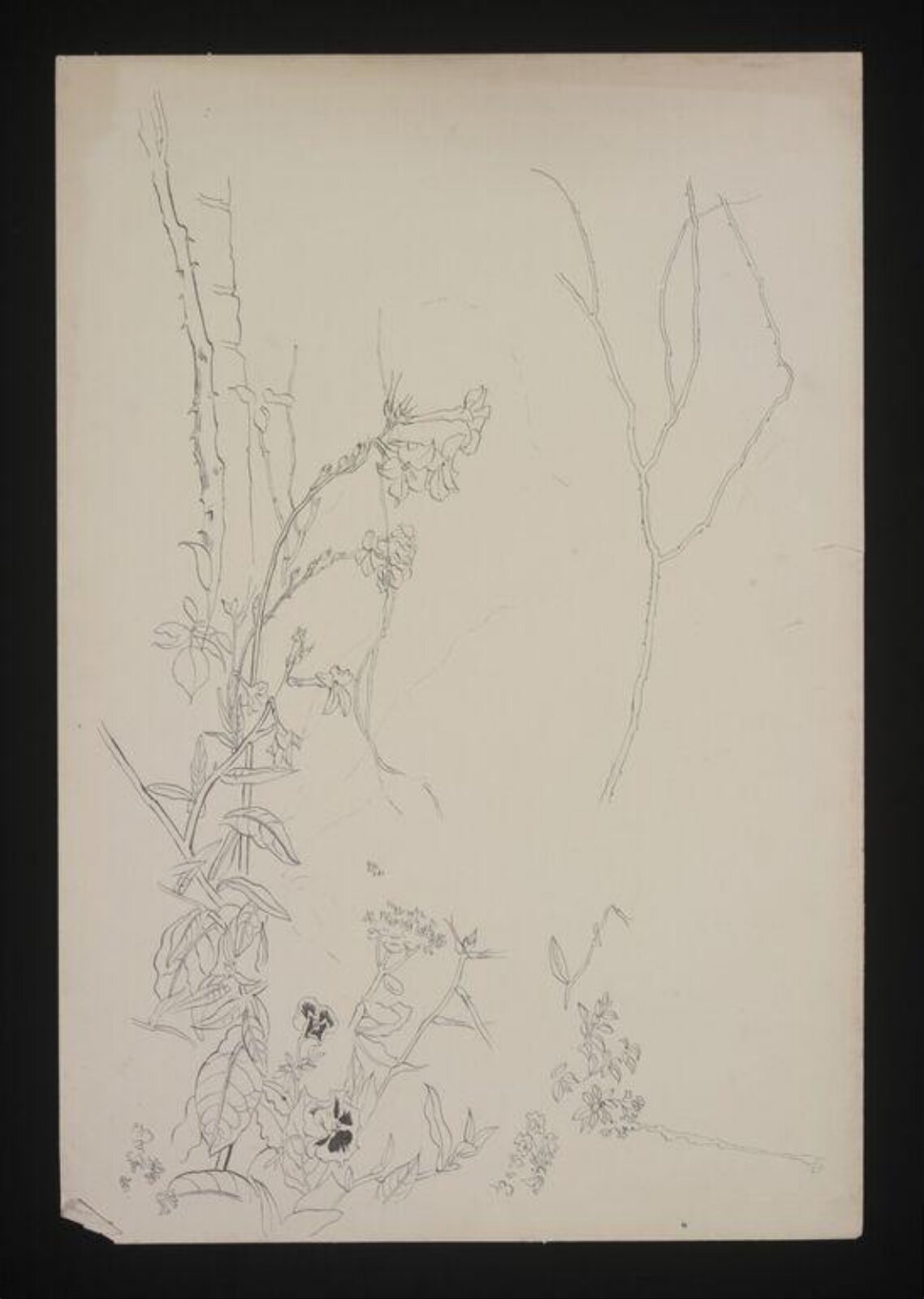
Pen and ink studies of a series of flowers and leaves, created by Cecil Beaton, ca. 1940-1950.
Sir Cecil Walter Hardy Beaton, CBE (14 January 1904 – 18 January 1980) was an English fashion, portrait and war photographer, diarist, painter, interior designer and an Academy Award-winning stage and costume designer for films and the theatre.
Victoria and Albert Museum
Gegevens
- Inventarisnummer
- S.2142-2014
In de catalogus
Bronnen
- Victoria and Albert Museum: the museum's own open data · opgehaald 9 dagen geleden
- Afbeelding: Victoria and Albert Museum — © Victoria and Albert Museum, London
Intussen, in het leven van Cecil Beaton
Het hele leven1922–1974
Diaries, 1922–1974
Six volumes of his diaries, spanning the years 1922–1974, are published in his lifetime. According to Hugo Vickers, who edited a fuller edition, opinions in the published volumes are softened, whereas in the originals Beaton can be truly venomous.
1930–1945
Leases Ashcombe House in Wiltshire
At the country estate of Ashcombe House he entertains many notable figures and develops his theatrical style of interior decoration.
late 1930s
Begins a long association with the royal household
From the late 1930s he photographs Queen Elizabeth (later the Queen Mother), his favourite royal sitter, and later Elizabeth II, over several decades. After one successful sitting he even kept the Queen Mother’s scented handkerchief as a memento.
1938
Scandal at American Vogue and dismissal
He inserts small but legible anti-Semitic phrases into an illustration about New York society in American Vogue; the issue is recalled and reprinted, and Beaton is dismissed from the magazine.
1940
Moves to 8 Pelham Place
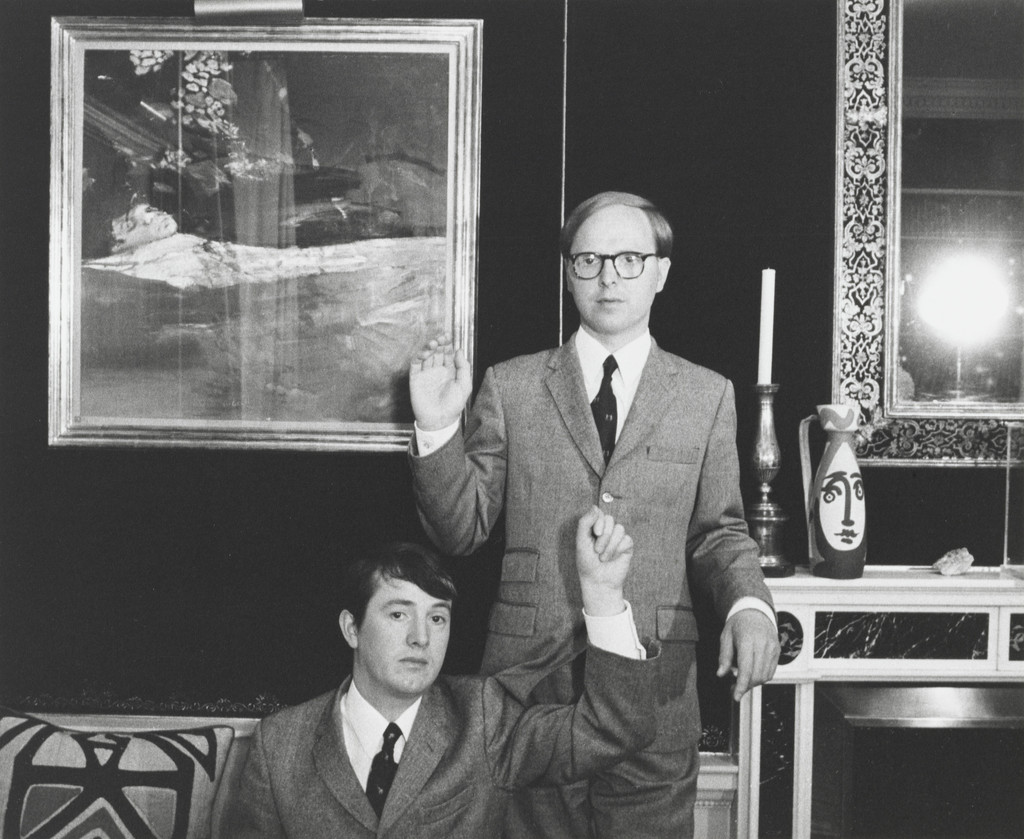
He settles in a terraced house in Kensington built in 1833 and decorates it eclectically; over more than 35 years there he photographs John Osborne, Arthur Miller, Mick Jagger, Benjamin Britten, Twiggy, Gilbert & George and many others.
1940–1945
Photographer for the Ministry of Information
Back in England, he joins the Ministry of Information on the Queen’s recommendation and records the home front and the damage of the German Blitz; between 1940 and 1945 he takes over 7,000 photographs in Britain, China and Africa. With his style sharpened and his range broadened, the war restores his career.