ART WIKI32.963 te zien
KaartCollectieKunstenaarsMuseaTentoonstellingenJournal
Inloggen

ART WIKI

Waar het meesterwerk hangt en wanneer men u toelaat.

Collecties: Art Institute of Chicago, Cleveland Museum of Art, Getty Villa, Harvard Art Museums, Hermitage, Hirshhorn Museum and Sculpture Garden, J. Paul Getty Museum, Louvre, Metropolitan Museum of Art, Minneapolis Institute of Art, Museum of Modern Art, National Gallery of Art, National Museum of Asian Art, National Portrait Gallery, Poesjkinmuseum, Rijksmuseum Amsterdam, Russisch Museum, Smithsonian American Art Museum, Statens Museum for Kunst, Tretjakovgalerij, Victoria and Albert Museum, Whitney Museum of American Art, Staatscatalogus van het Russische museumfonds (274 musea), Europeana (19 musea), Wikidata (6 musea), Paris Musées (12 musea) en Joconde, de museumdatabank van het Franse ministerie van Cultuur (495 musea). De afbeeldingen behoren toe aan hun rechthebbenden.

Rubrieken

  • Kaart
  • Zoeken
  • Collectie
  • Meesterwerken
  • Nu te zien
  • Kunstenaars

Meer

  • Musea & galerieën
  • Tentoonstellingen
  • Journal
  • Waar de gegevens vandaan komen
  • Privacy & cookies
StartpaginaKaartCatalogus
  1. Collectie/
  2. Louvre/
  3. Diane chasseresse
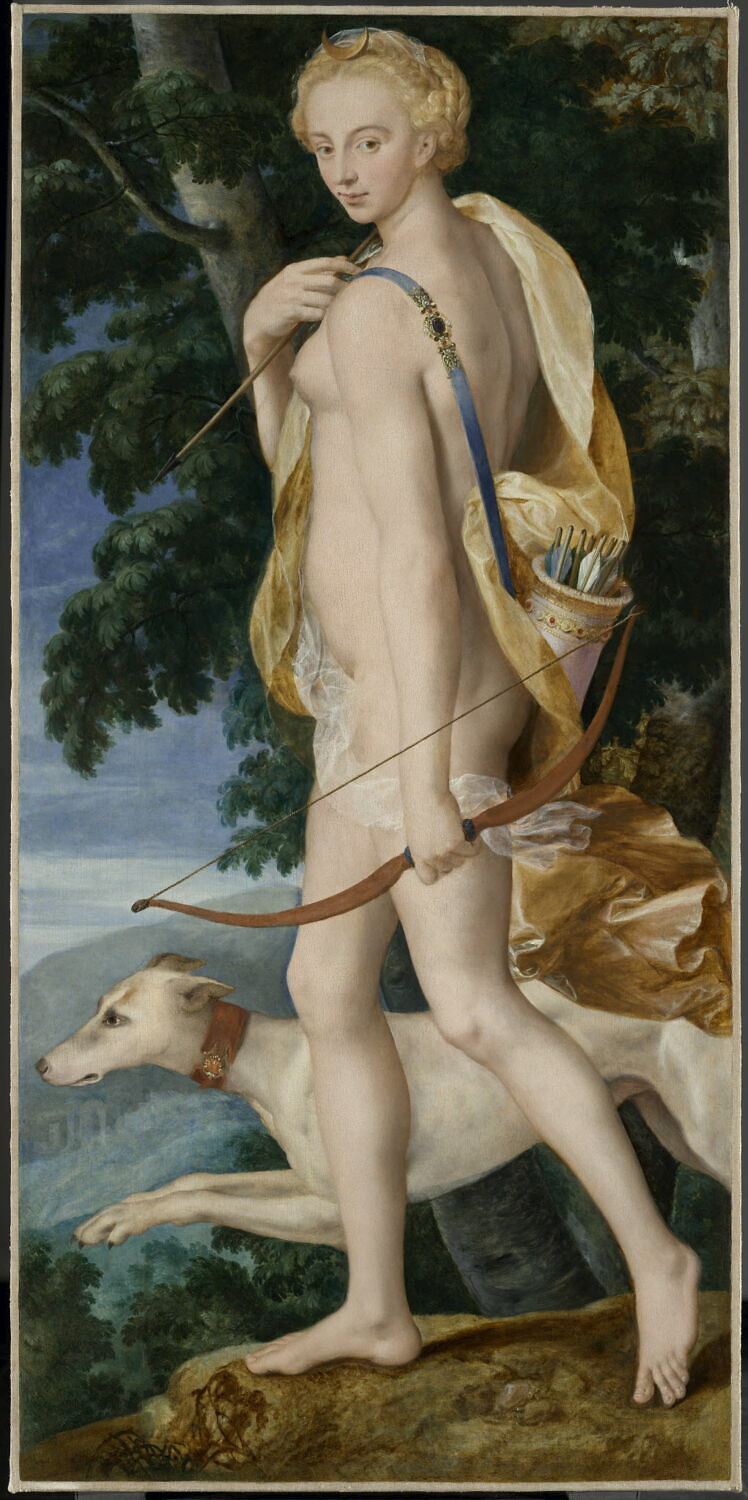
Diane chasseresse, Carmoy, Charles, Milieu du XVIe siècle (1540 - 1560)
CCarmoy, Charles

Diane chasseresse

Milieu du XVIe siècle (1540 - 1560) · Peintures

Mag men het zien?

Ja, het ontvangt bezoek

Louvre

Parijs, Frankrijk

Zaal823, Aile Richelieu, Niveau 2

Publiek tentoongesteld. Wie daarvoor instaat, staat hieronder.

Gecontroleerd
12 dagen geleden
Ongewijzigd sinds
26 sep 2026
Bron
Het museum
Op de kaartMuseumpagina

Over het schilderij

Diana the Huntress (French: Diane chasseresse) is an oil-on-canvas painting by an anonymous artist of the School of Fontainebleau. Painted in about 1550, it is a mythical representation of Diane de Poitiers, the mistress of King Henry II, in the guise of the goddess Diana. It is in the Louvre, which acquired it in 1840.

In its linear elegance the painting exemplifies the French version of the Northern Mannerist style that was introduced to France by Italian artists such as Rosso Fiorentino and Francesco Primaticcio in the 1530s. It is one of many works by artists of the School of Fontainebleau depicting Diane de Poitiers, who was often personified as Diana, the Roman goddess of the hunt. The nude figure carries a bow and a quiver of arrows, and is accompanied by a dog. In her hair is an ornament in the shape of a crescent moon, an attribute of the goddess.

Verder lezen

The painting was previously attributed to the Italian artist Luca Penni.

Wikipedia · CC BY-SA

Gegevens

Inventarisnummer
INV 445

In de catalogus

SchilderijenOlieverfRenaissance16e eeuw

Bronnen

  • Louvre
  • Afbeelding: Louvre — © 2024 GrandPalaisRmn (musée du Louvre) / Mathieu Rabeau

Meer van Carmoy, Charles

Alle werken
La chasse de Diane, Charles Carmoy, 16e siècle

La chasse de Diane

16e siècle · Museum voor Schone Kunsten van Rennes

Buren in huis: Louvre

Museumpagina
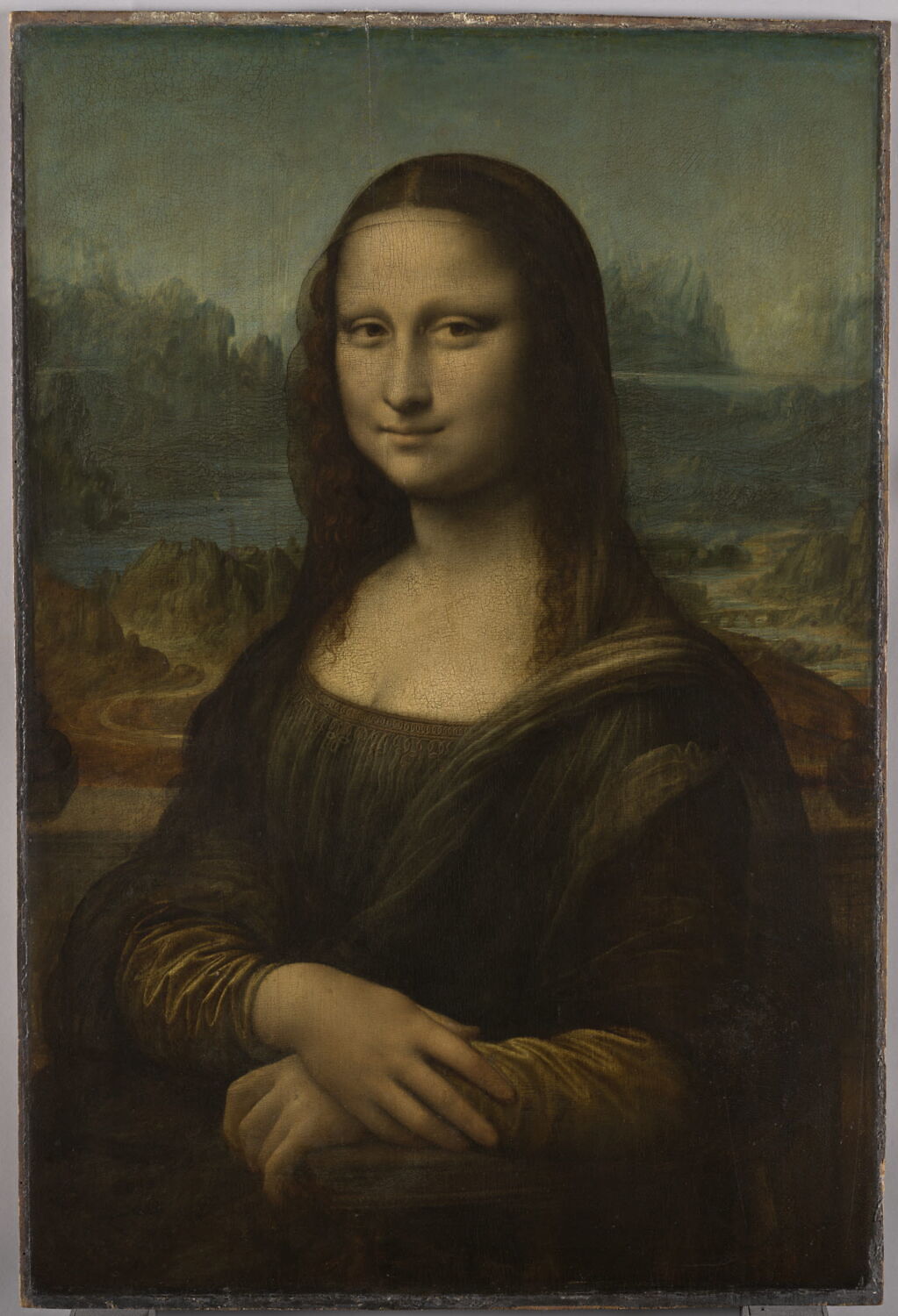
Portrait de Lisa Gherardini, épouse de Francesco del Giocondo, dit La Joconde ou Monna Lisa, Léonard de Vinci, 1e quart du XVIe siècle (1503 - 1519)

Leonardo da Vinci

Mona Lisa, 1e quart du XVIe siècle (1503 - 1519)

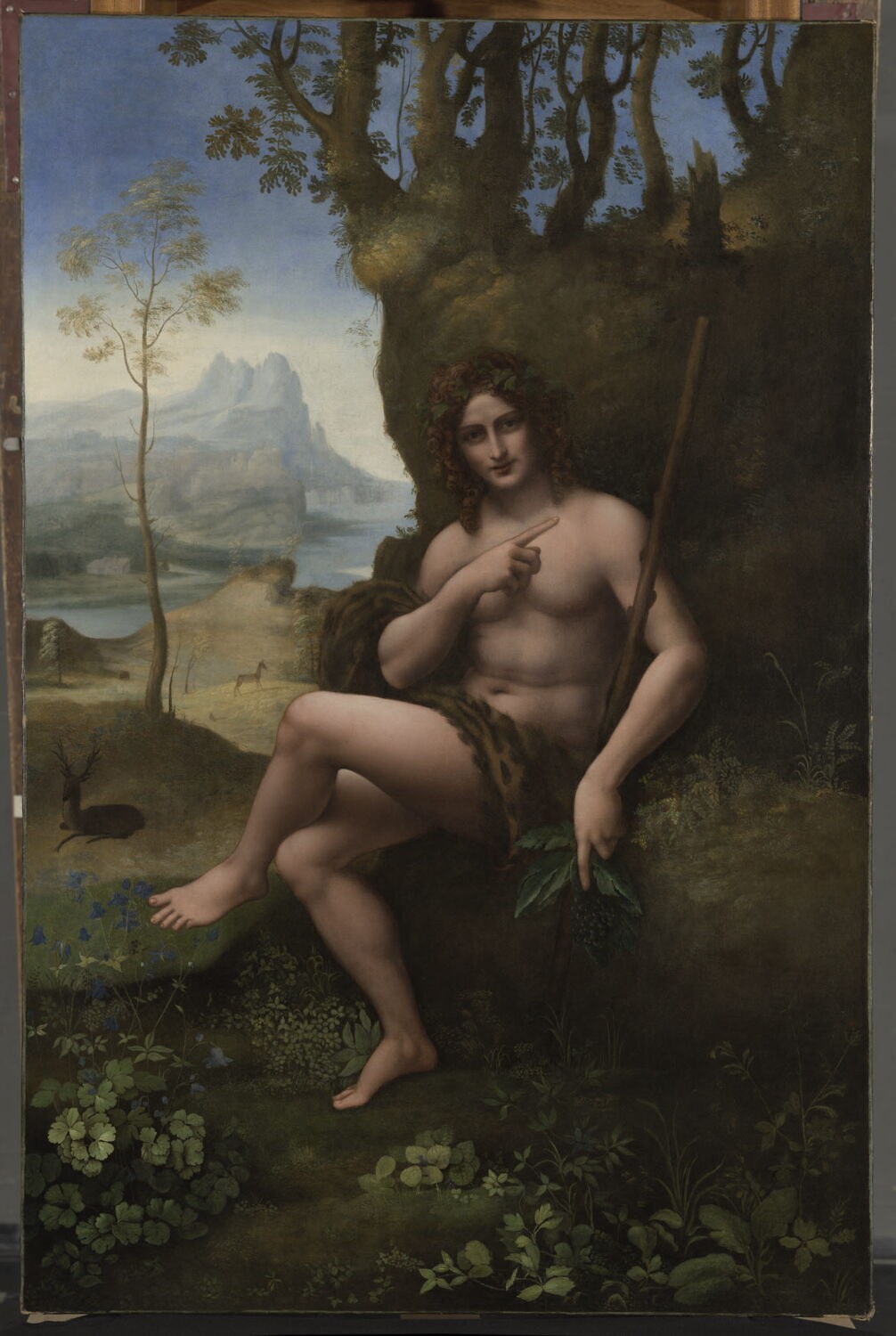
Saint Jean Baptiste, Léonard de Vinci, 1e quart du XVIe siècle (vers 1517 - 1520)

Leonardo da Vinci

Bacchus, 1e quart du XVIe siècle (vers 1517 - 1520)

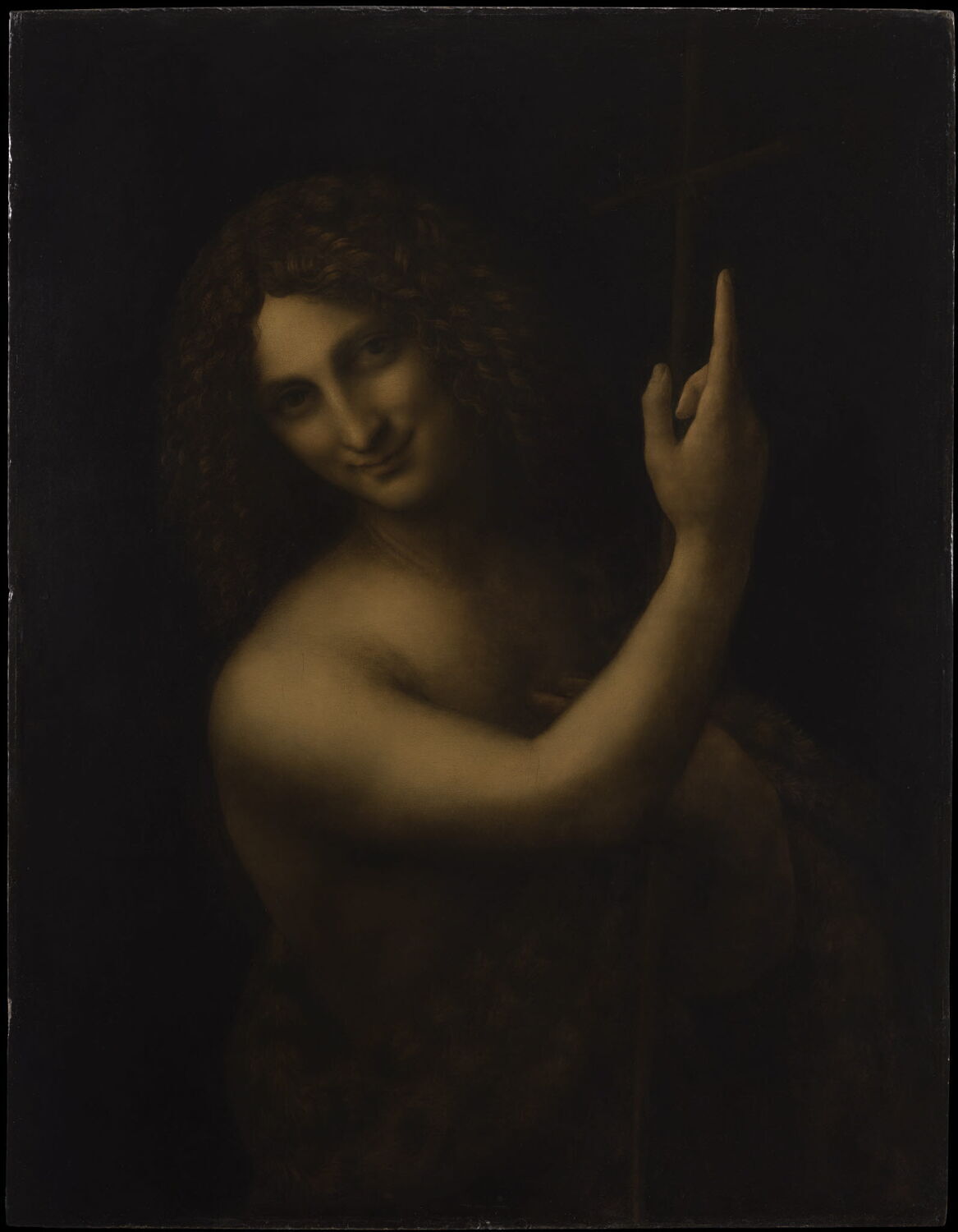
Saint Jean Baptiste, Léonard de Vinci, 1e quart du XVIe siècle (vers 1508 - 1519)

Leonardo da Vinci

Johannes de Doper, 1e quart du XVIe siècle (vers 1508 - 1519)

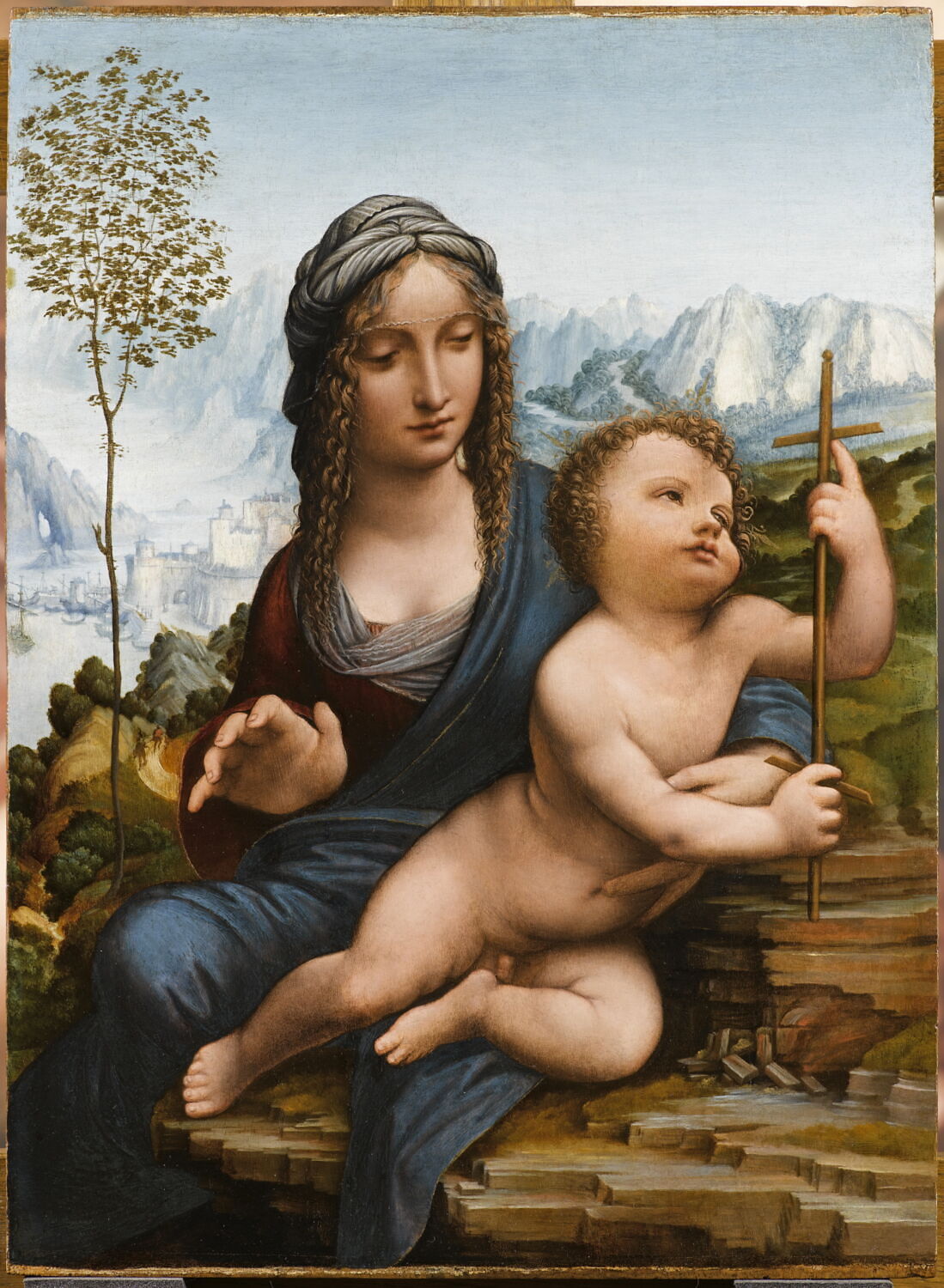
La Vierge et l'Enfant Jésus, dite Vierge au dévidoir ou Vierge aux fuseaux, Léonard de Vinci, XVIe siècle (vers 1505 - 1520)

Leonardo da Vinci

La Vierge et l'Enfant Jésus, dite Vierge au dévidoir ou Vierge aux fuseaux, XVIe siècle (vers 1505 - 1520)

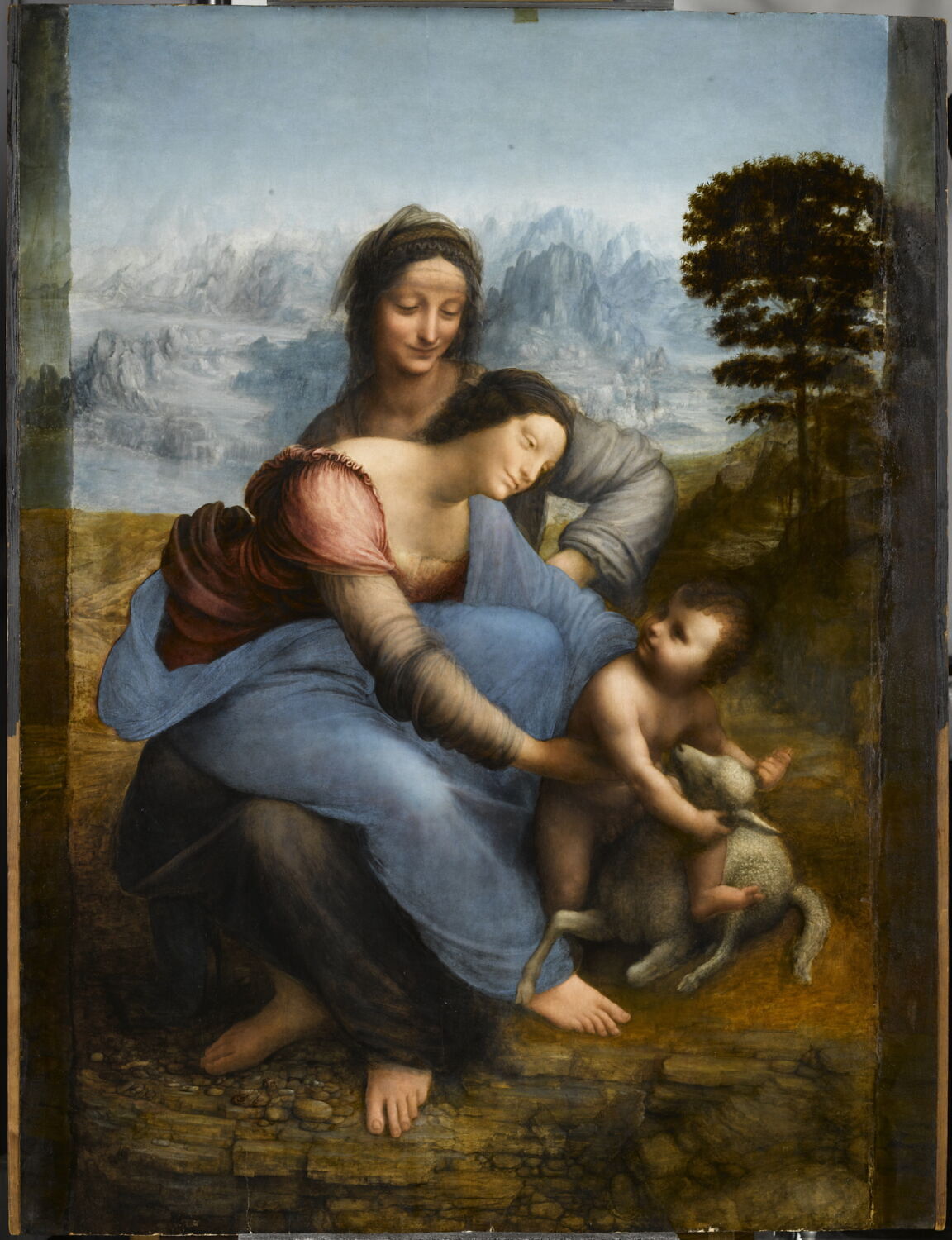
La Vierge, l'Enfant Jésus et sainte Anne, dit La Sainte Anne, Léonard de Vinci, 1e quart du XVIe siècle (vers 1503 - 1519)

Leonardo da Vinci

Maria met kind en Sint-Anna, 1e quart du XVIe siècle (vers 1503 - 1519)

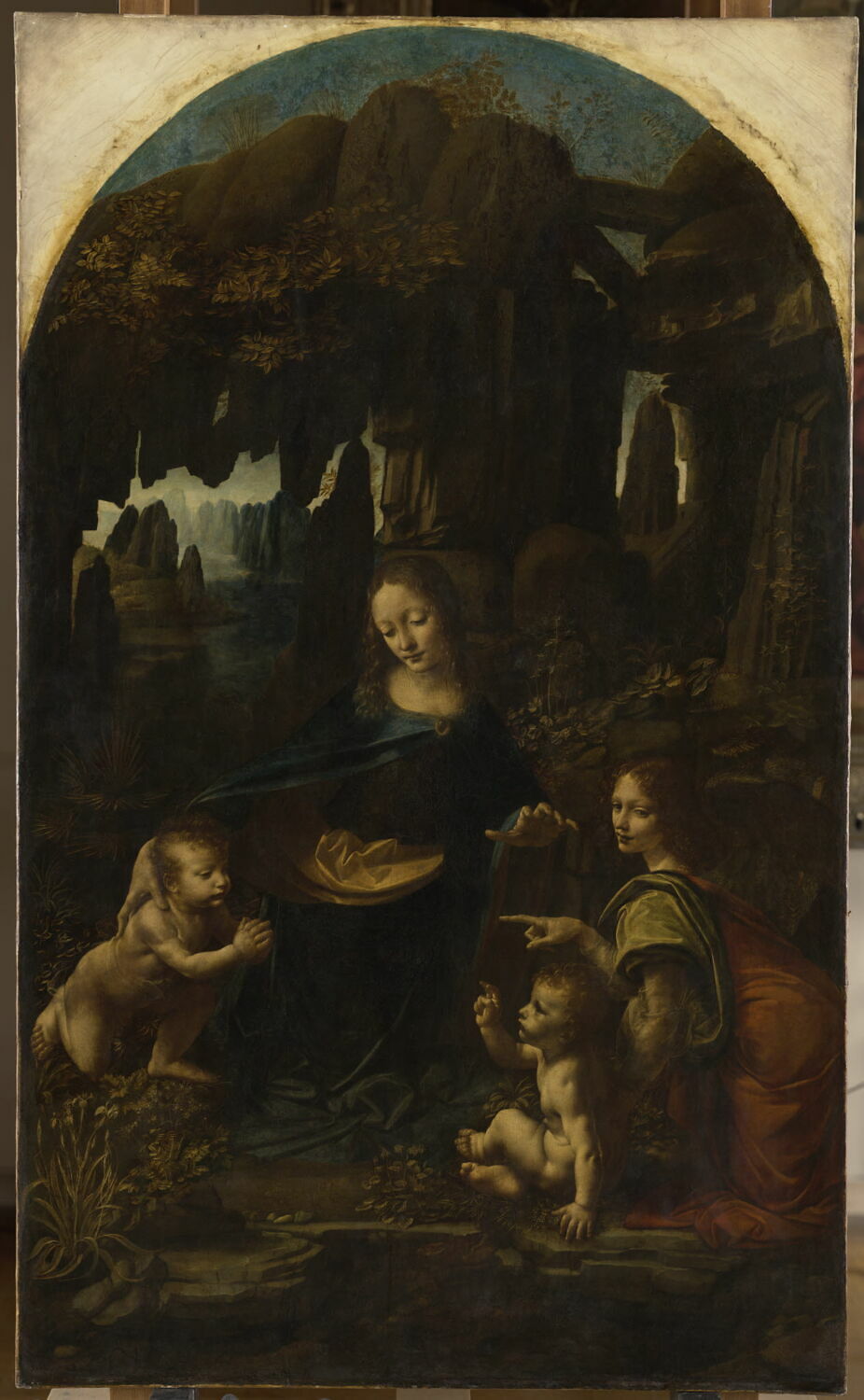
La Vierge, l'Enfant Jésus, saint Jean Baptiste et un ange, dit La Vierge aux rochers, Léonard de Vinci, 4e quart du XVe siècle (vers 1483 - 1494)

Leonardo da Vinci

La Vierge, l'Enfant Jésus, saint Jean Baptiste et un ange, dit La Vierge aux rochers, 4e quart du XVe siècle (vers 1483 - 1494)

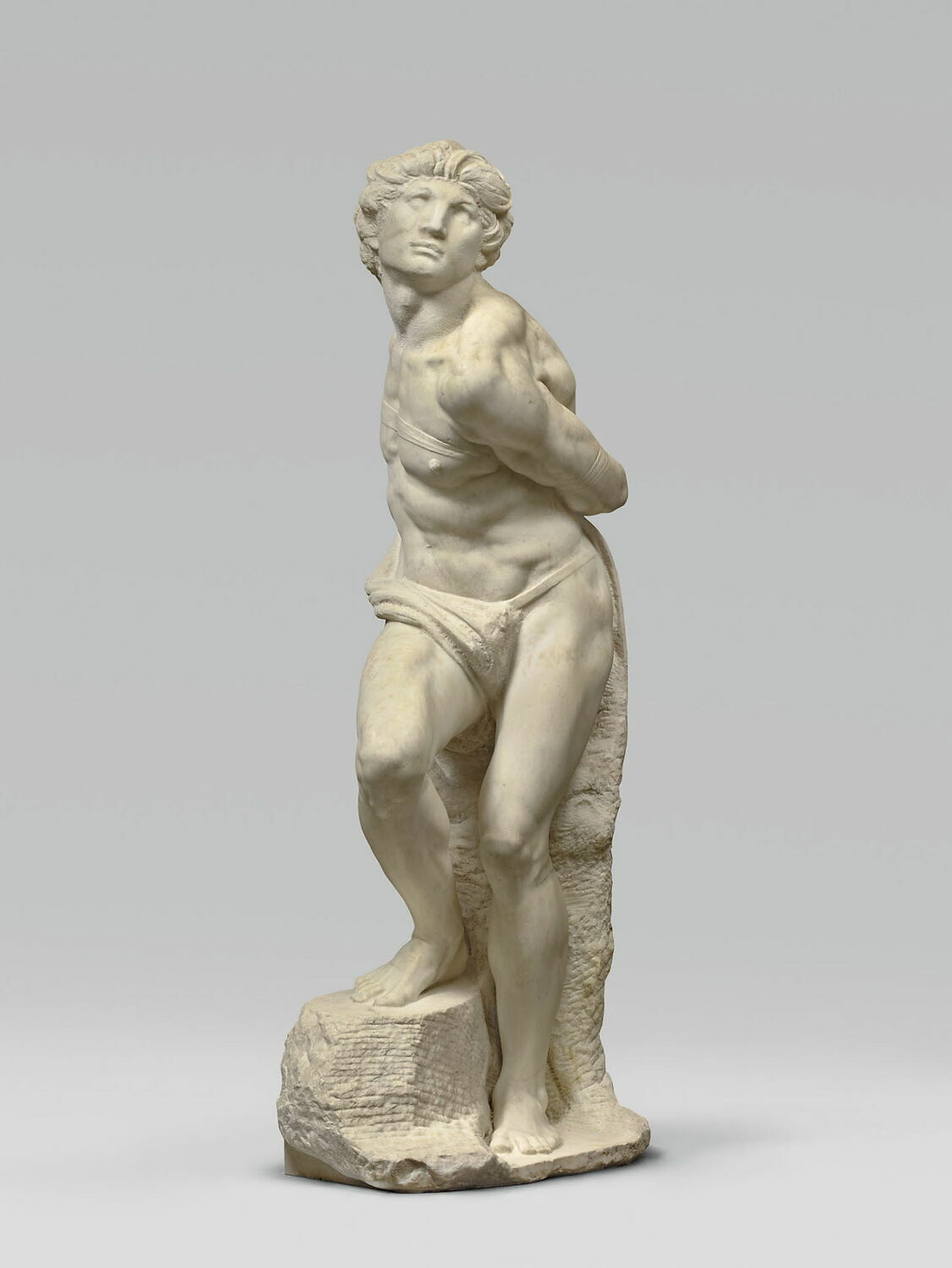
Esclave rebelle, Buonarroti, Michelangelo dit Michel-Ange, 1513 - 1515

Michelangelo

Rebellious Slave, 1513 - 1515

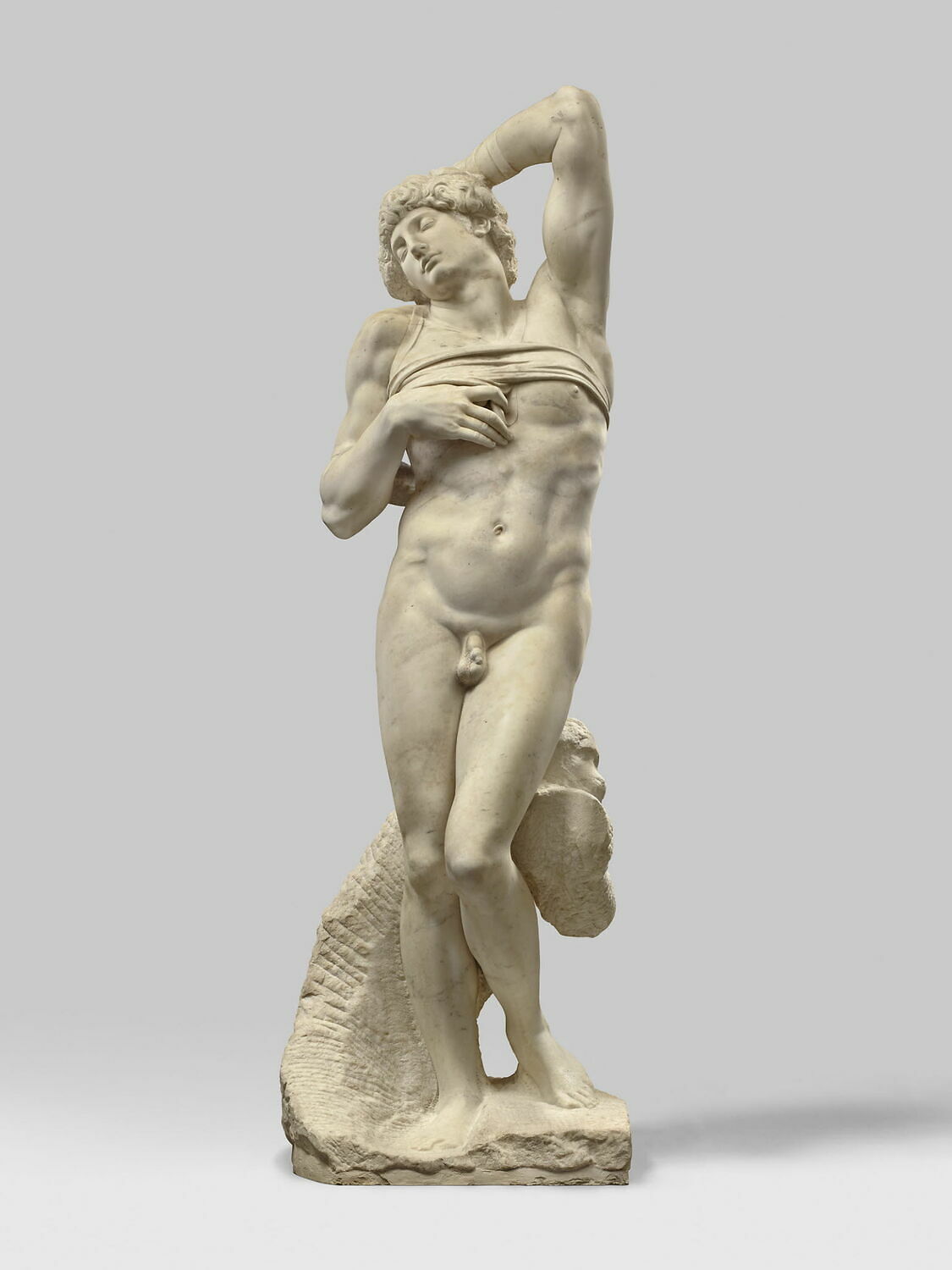
Esclave mourant, Buonarroti, Michelangelo dit Michel-Ange, 1513 - 1515

Michelangelo

Dying Slave, 1513 - 1515