 Roy JaminiIndia, 1887–1972
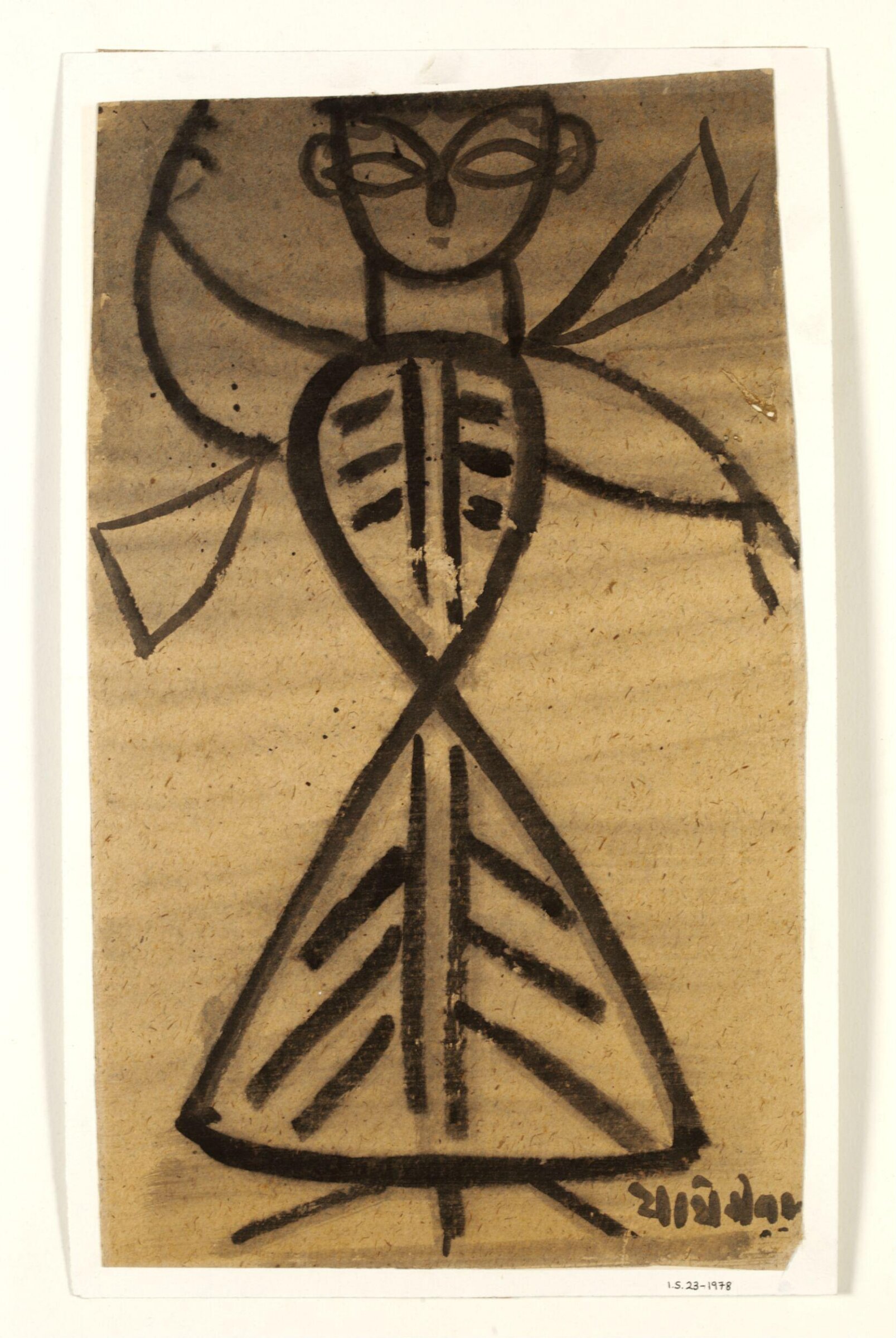
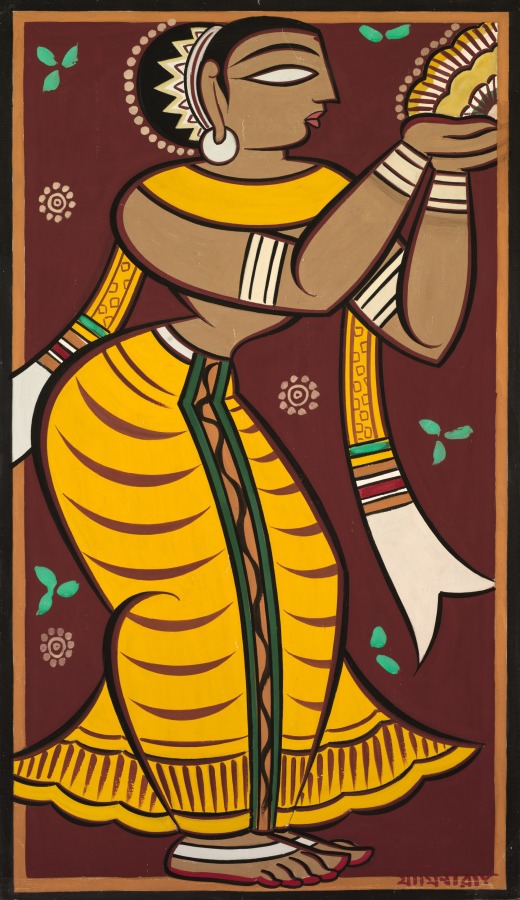
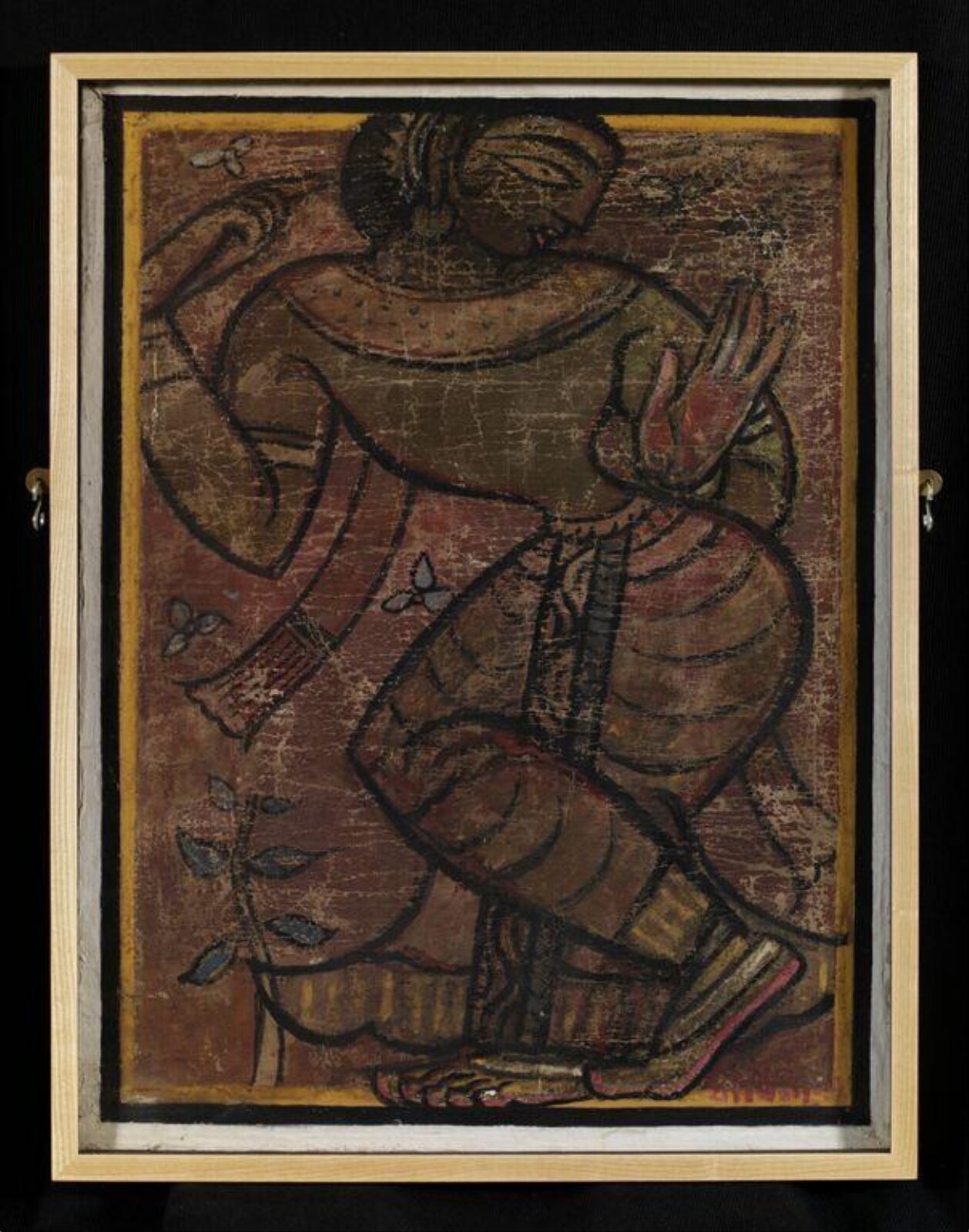
Dancing Lady
Mag men het zien?
Ontvangt momenteel niet

Victoria and Albert Museum
Londen, Verenigd Koninkrijk
Het hoort bij de collectie, maar is momenteel niet tentoongesteld.
- Gecontroleerd
- 8 dagen geleden
- Ongewijzigd sinds
- 25 sep 2026
- Bron
- De eigen collectiegegevens van het museum
About the painting
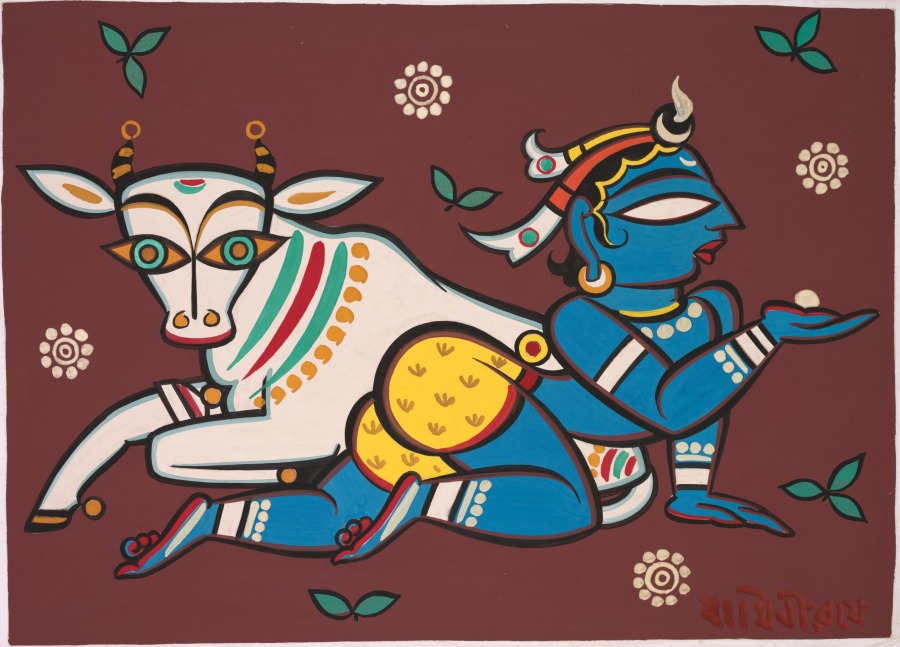
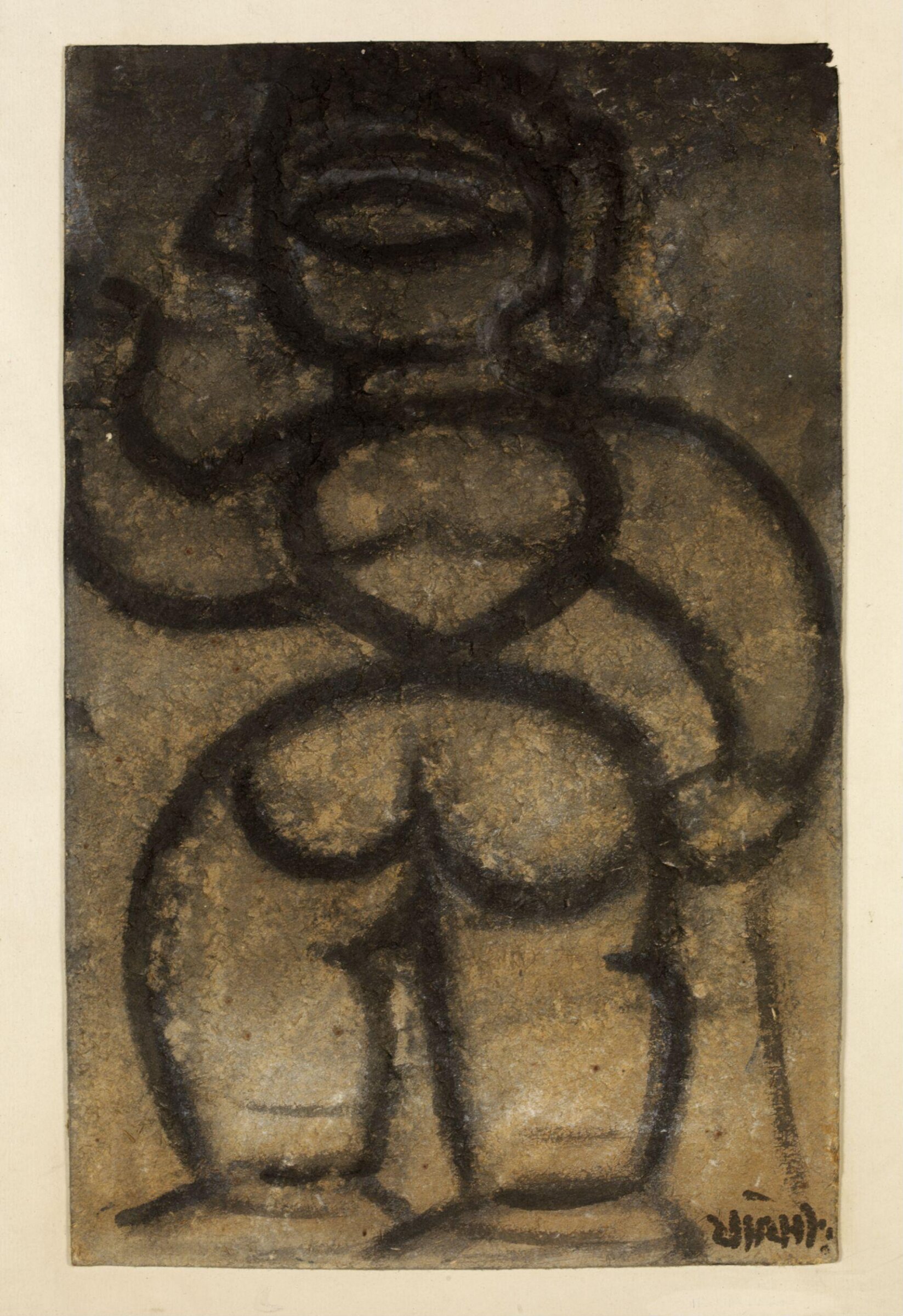
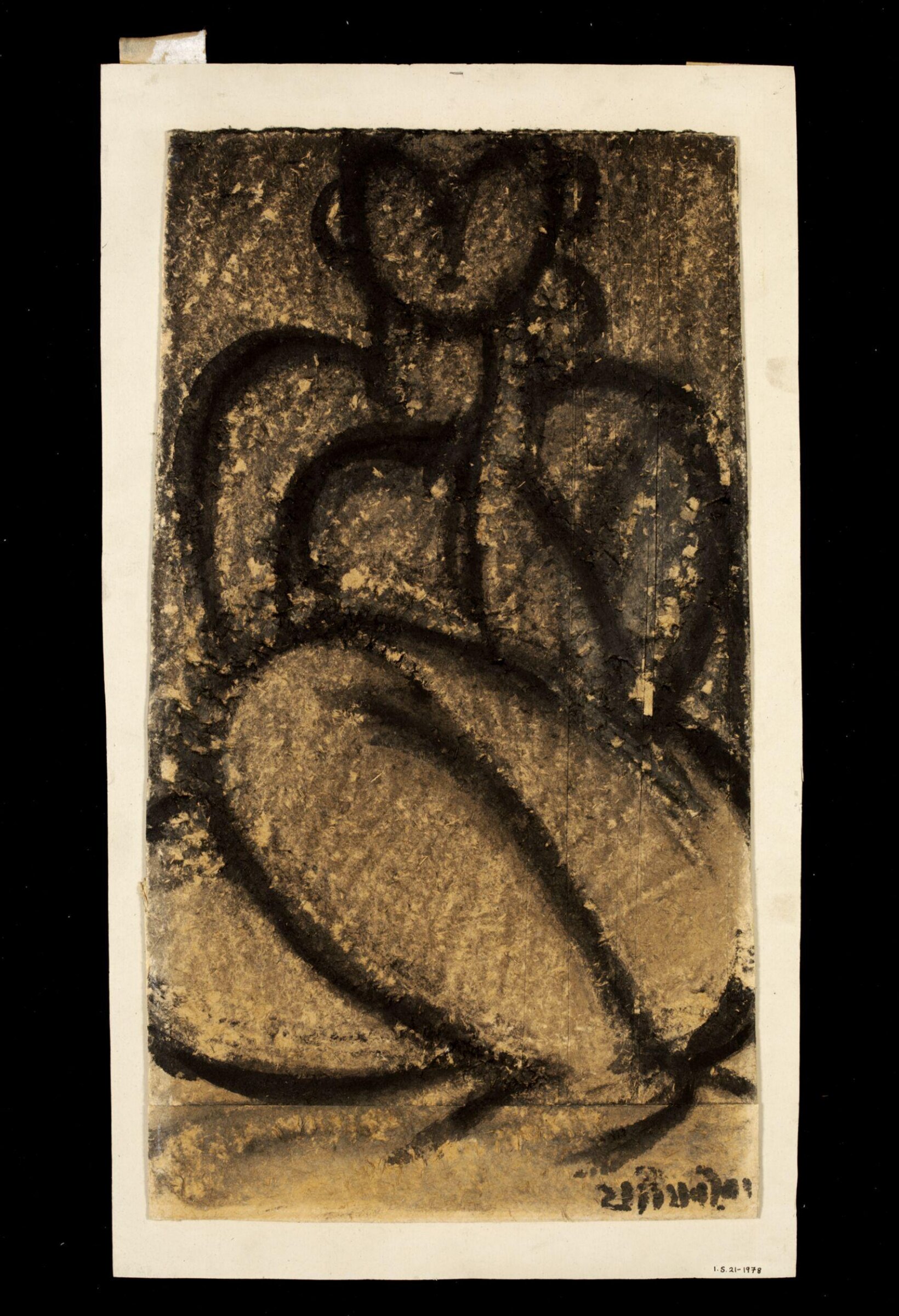
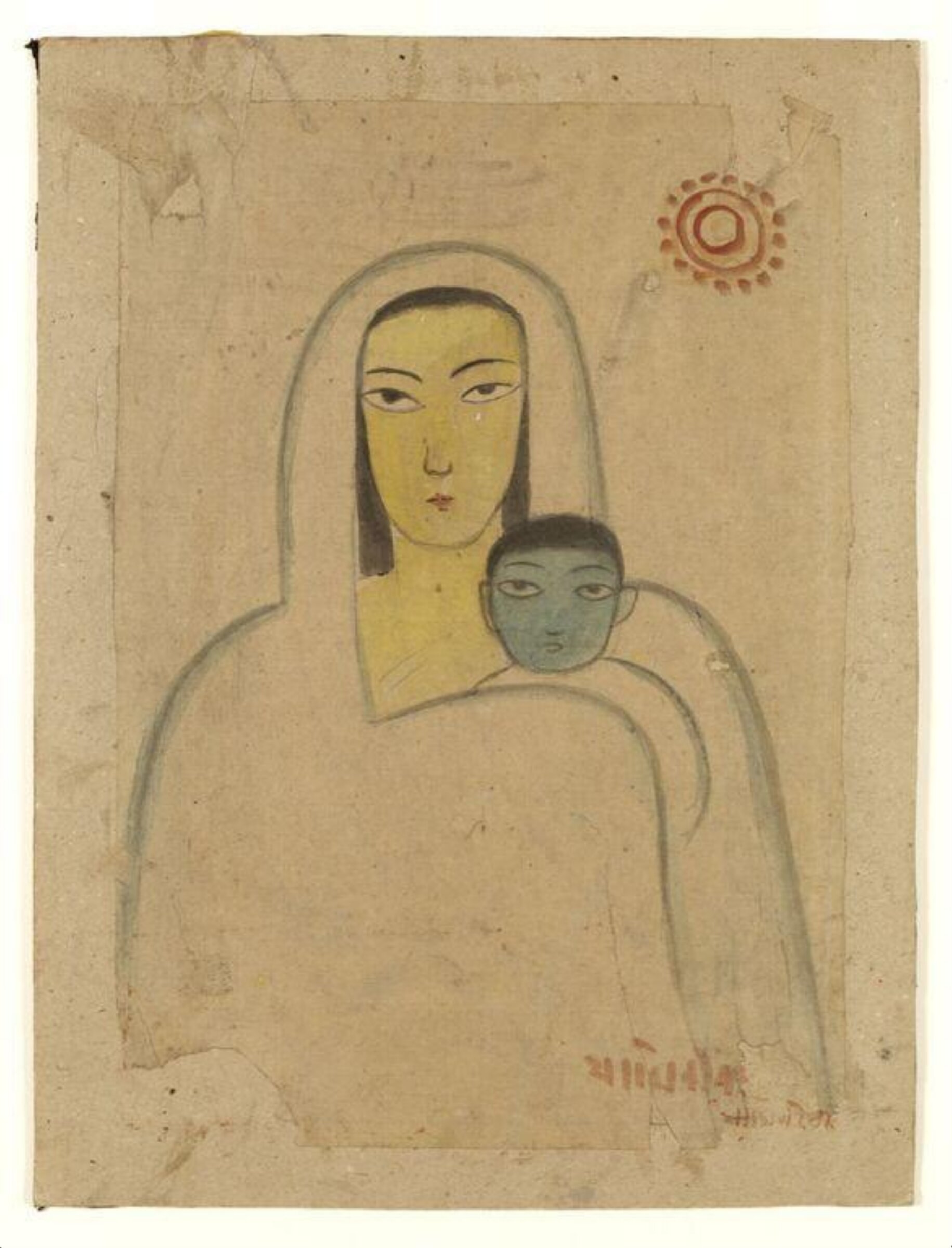
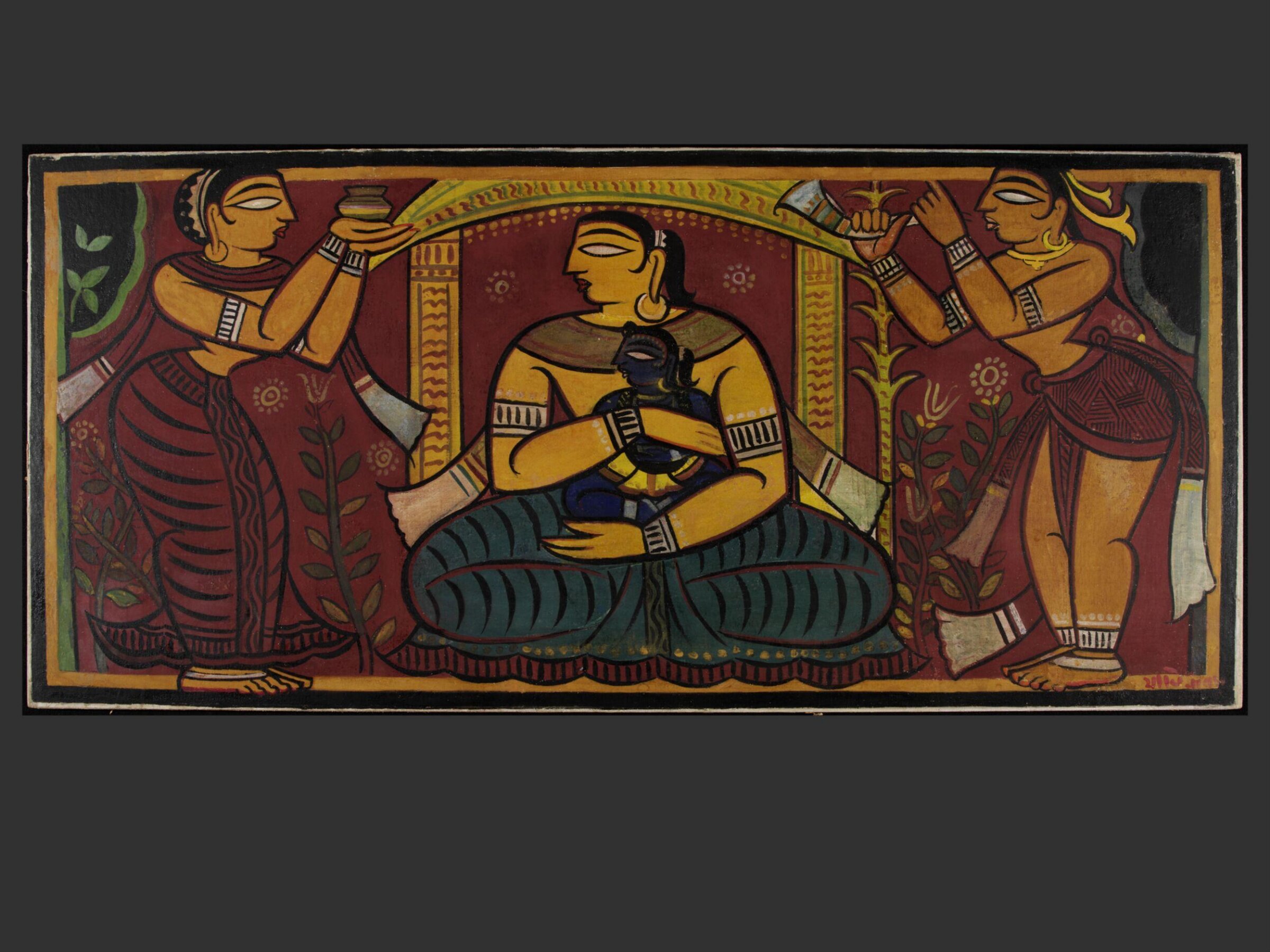
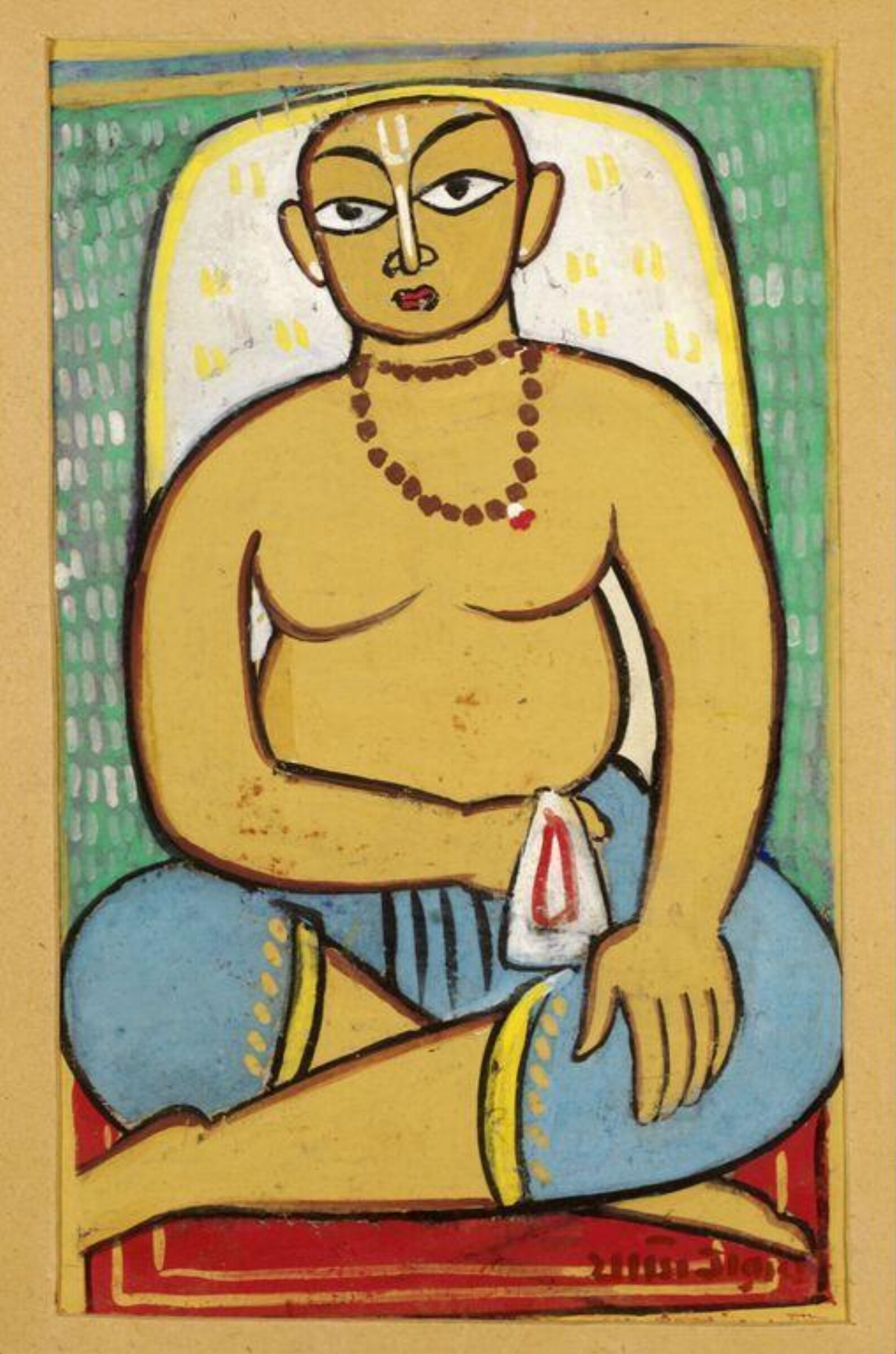
Jamini Roy (1887-1972) was one of the most important artists of the modern period in India, drawing on the popular and folk traditions of rural Bengal for his inspiration.
He developed his own personal style which was characterised by bold lines and flat use of colour. He used indigenous materials, including lamp black for the outline drawing, 7 basic colours (Indian red, yellow ochre, cadmium green, vermilion, grey, blue and white), which he applied with organic tempera, earth and mineral pigments to homemade canvas spun with fabric. His paintings can be divided into three main themes: the everyday life of rural Bengal, particularly the women of the Aboriginal Santhal community, Hindu mythological subjects and Christian imagery.
Read on
The work depicts an elaborate female figure in a dance pose.Whilst colour has been applied in a flat manner, the artist would seem to have created the illusion of two-dimensionality, by painting the head of the figure outside the frame. The dynamism of the composition is achieved by the figure's bent knee, by her raised right arm and by her open palm which is directed towards the viewer. The style of the painting is typical of Jamini Roy and the much documented influence of Kalighat painting on his work is evident here.
Victoria and Albert Museum
Gegevens
- Inventarisnummer
- IS.102-1999
What it shows
In de catalogus
Bronnen
- Victoria and Albert Museum: the museum's own open data · opgehaald 8 dagen geleden
- Afbeelding: Victoria and Albert Museum — © Victoria and Albert Museum, London