 Josef AlbersVerenigde Staten, 1888–1976
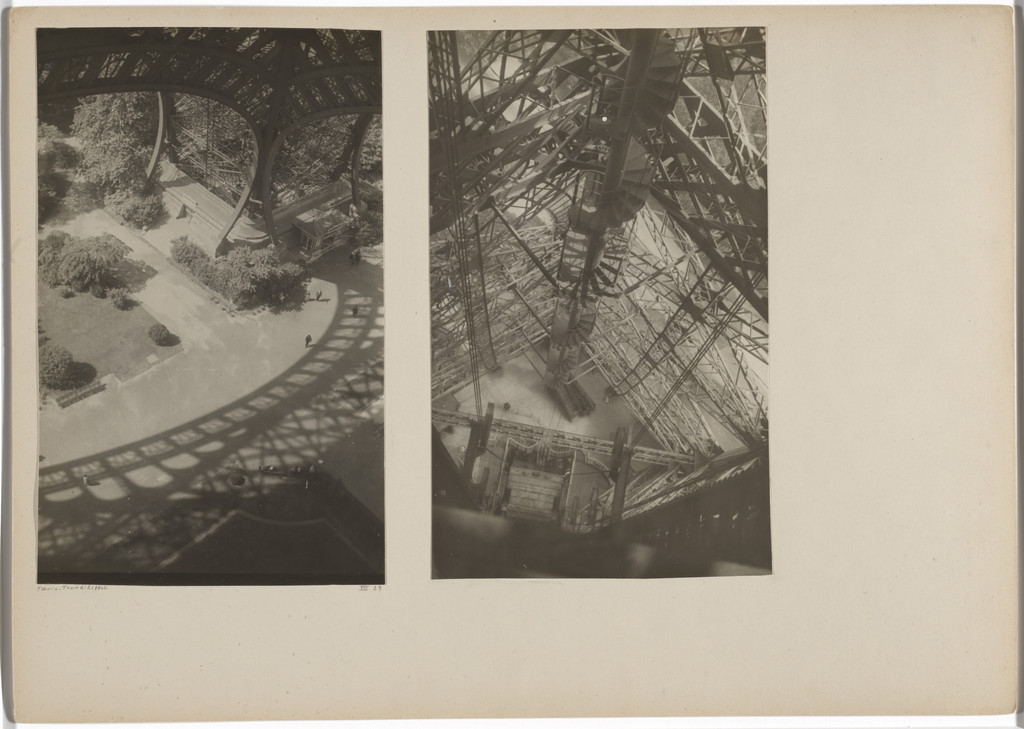
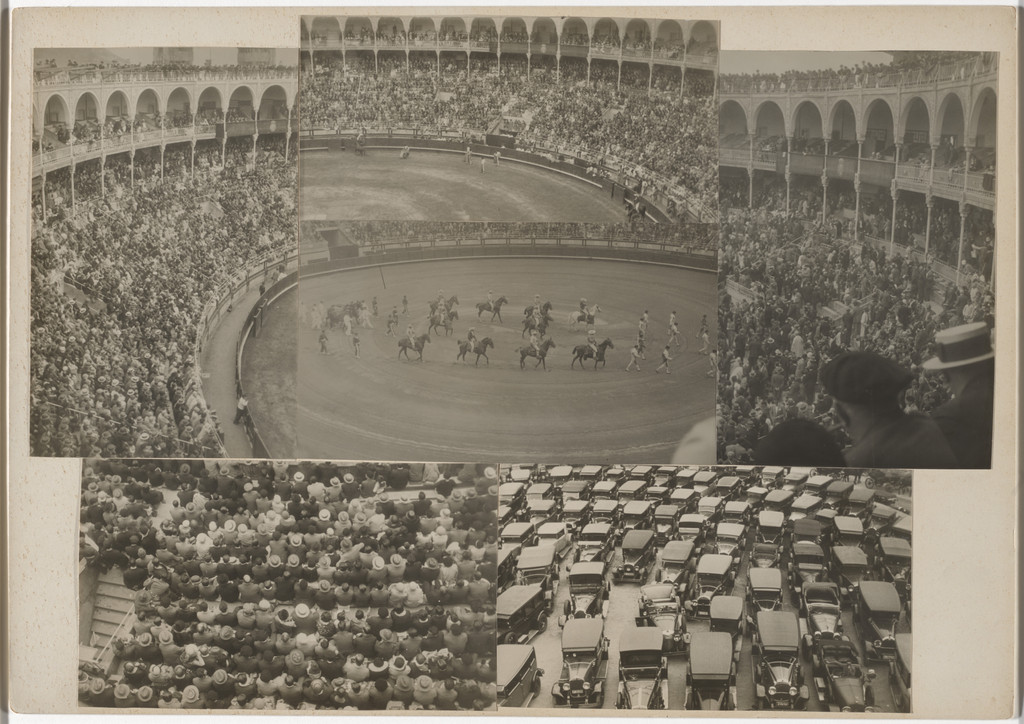
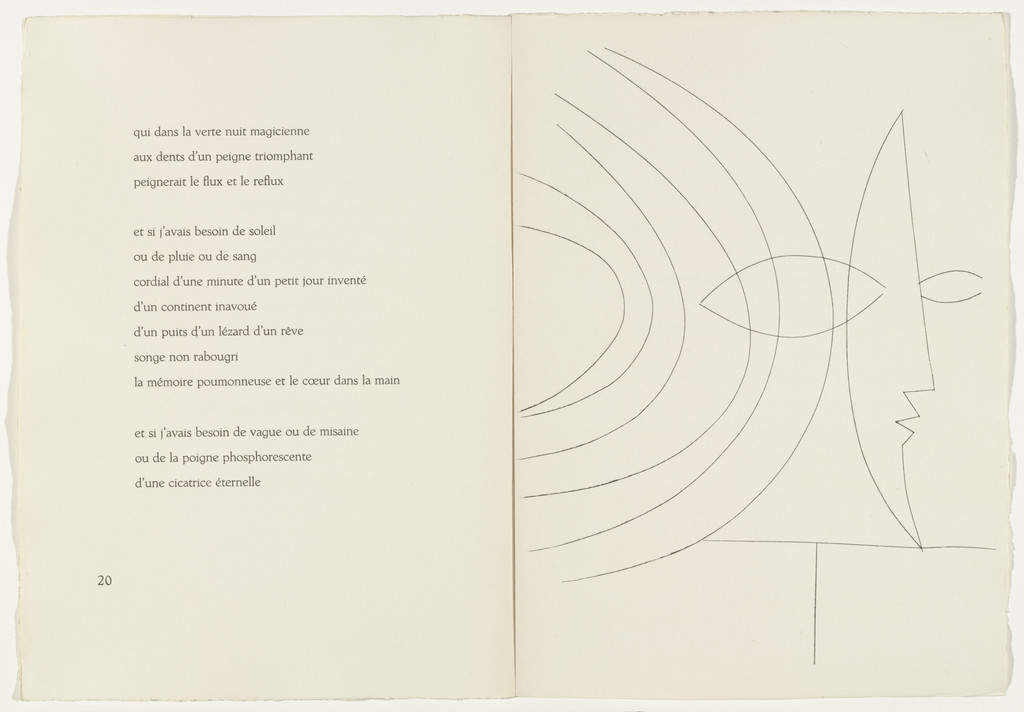
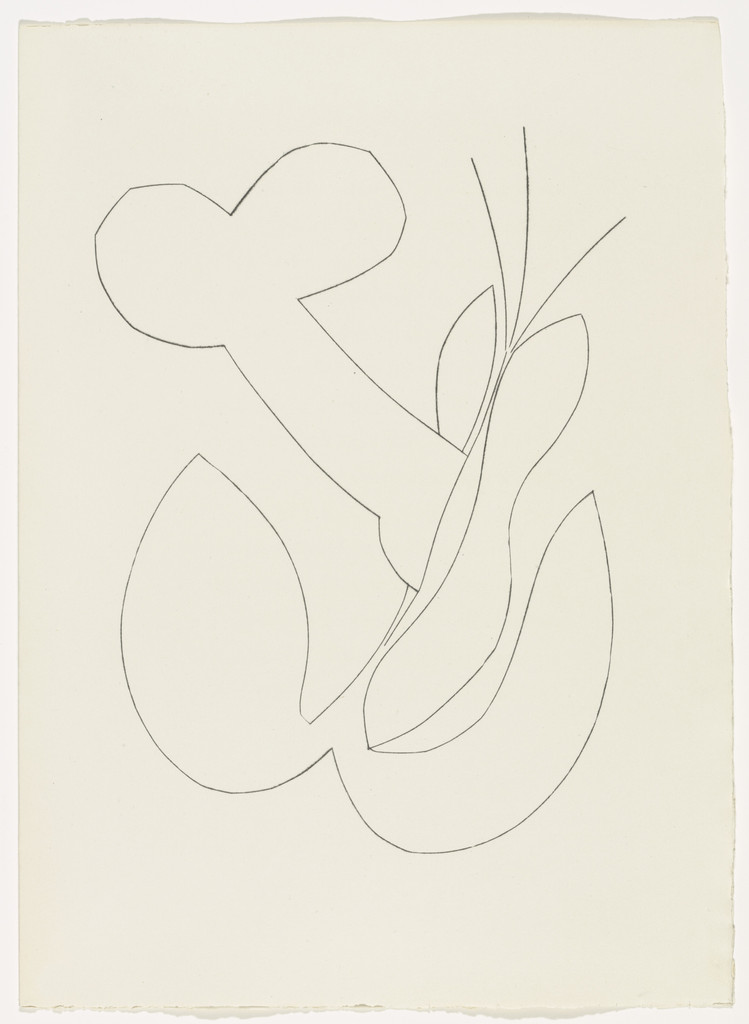
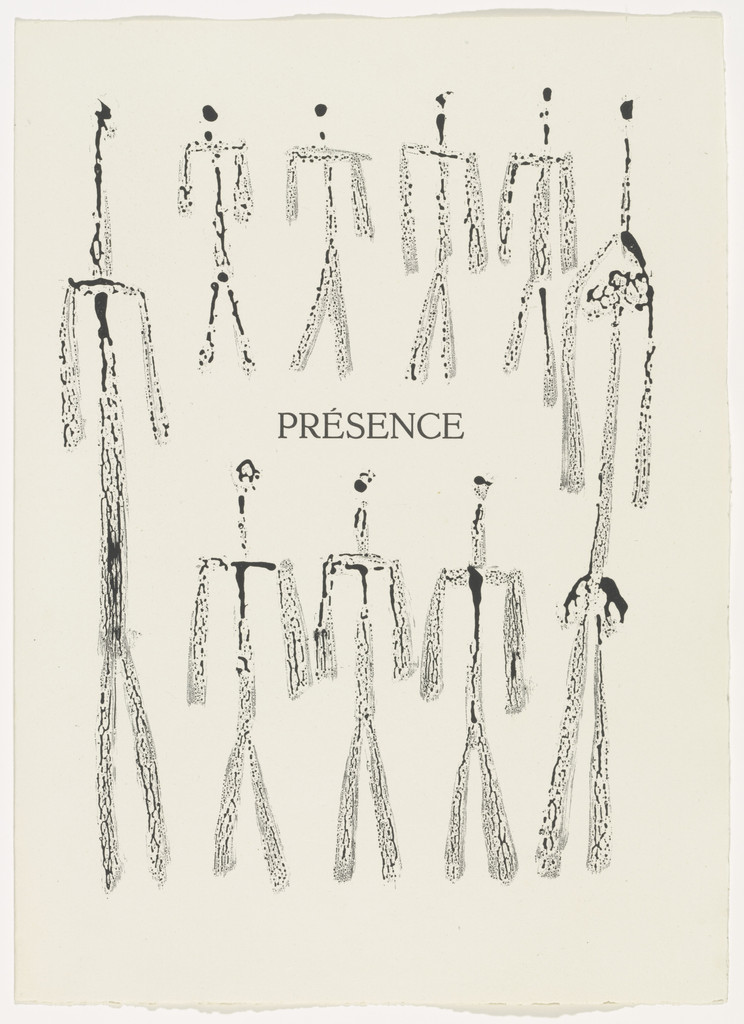
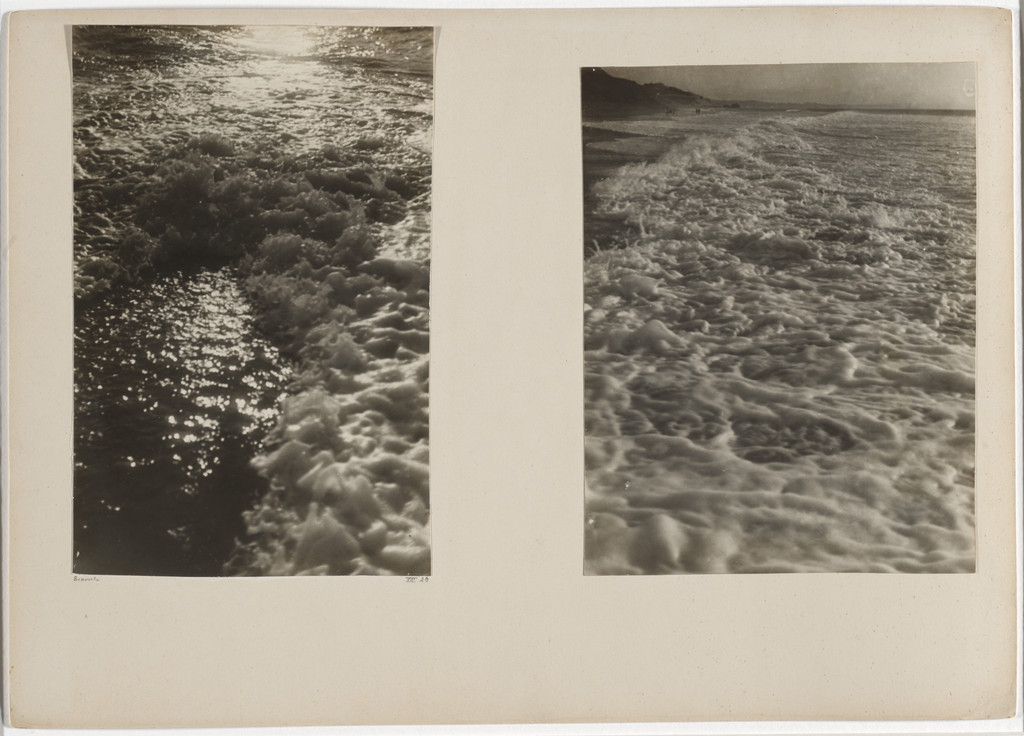
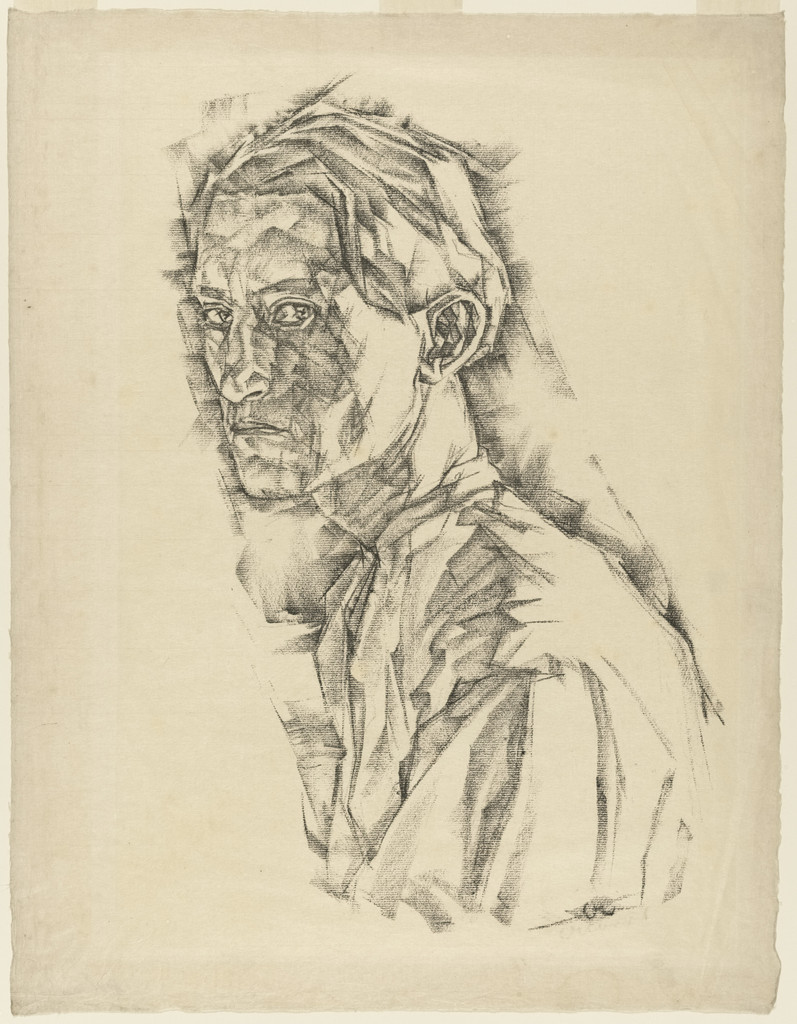
Biarritz
Mag men het zien?
Ontvangt momenteel niet

New York, Verenigde Staten
Het hoort bij de collectie, maar is momenteel niet tentoongesteld.
- Gecontroleerd
- Bron
- Het museum
Gegevens
- Inventarisnummer
- 1015.2015
In de catalogus
Bronnen
- Museum of Modern Art
- Afbeelding: Museum of Modern Art — © the artist or rights holder
Intussen, in het leven van Josef Albers
Het hele leven1920s
From Expressionism to geometry: glass “diaphanies”
Under the influence of Bauhaus Constructivism, with László Moholy-Nagy among his chief mentors, Albers moved to a far stricter geometric abstraction and took up “diaphanies” — transparent compositions on glass made with a sandblaster.
1930
Deputy director of the Bauhaus
From 1930 Albers was deputy director of the whole school; earlier he had succeeded Marcel Breuer as head of the furniture workshop. He was also an active designer of furniture and of glass and metal ware.
1933
The Bauhaus closes; emigration to the United States
When the Bauhaus closed under Nazi pressure in 1933, Albers was among the first of its teachers to emigrate to the United States. The architect Philip Johnson, then a curator at the Museum of Modern Art, arranged for him to be offered the headship of a new art school, Black Mountain College in North Carolina.
1933
“To open eyes”: his first English sentence
When Albers arrived at Black Mountain College, a student asked him what he was going to teach. His first English sentence was “to open eyes” — and it became the motto of all his teaching.
1933–1949
Black Mountain summer seminars and famous pupils
To Black Mountain's summer seminars Albers invited leading American artists to teach — Willem de Kooning, the choreographer Merce Cunningham, the Harlem Renaissance painter Jacob Lawrence. His students included Ruth Asawa, Ray Johnson, Robert Rauschenberg, Cy Twombly and Susan Weil; Rauschenberg, despite their often combative relationship, later named Albers his most important teacher. In these years Albers made many woodcuts and leaf studies.
1933–1949
Employed by: Black Mountain College


![Oskar Schlemmer; [Schlemmer] in the Master’s Council; [Schlemmer] with Wittwer, Kallai, and Marianne Brandt, Preliminary Course Exhibition; [Schlemmer] and Tut, Josef Albers, 1928-30/1932](https://www.moma.org/media/W1siZiIsIjMzNzk1NyJdLFsicCIsImNvbnZlcnQiLCItcmVzaXplIDEwMjR4MTAyNFx1MDAzZSJdXQ.jpg?sha=0cbde6ed2e4731ed)