ART WIKI33.040 te zien
KaartCollectieKunstenaarsMuseaTentoonstellingenJournal
Inloggen

ART WIKI

Waar het meesterwerk hangt en wanneer men u toelaat.

Collecties: Art Institute of Chicago, Cleveland Museum of Art, Getty Villa, Harvard Art Museums, Hermitage, Hirshhorn Museum and Sculpture Garden, J. Paul Getty Museum, Louvre, Metropolitan Museum of Art, Minneapolis Institute of Art, Museum of Modern Art, National Gallery of Art, National Museum of Asian Art, National Portrait Gallery, Poesjkinmuseum, Rijksmuseum Amsterdam, Russisch Museum, Smithsonian American Art Museum, Statens Museum for Kunst, Tretjakovgalerij, Victoria and Albert Museum, Whitney Museum of American Art, Staatscatalogus van het Russische museumfonds (274 musea), Europeana (19 musea), Wikidata (6 musea), Paris Musées (12 musea) en Joconde, de museumdatabank van het Franse ministerie van Cultuur (495 musea). De afbeeldingen behoren toe aan hun rechthebbenden.

Rubrieken

  • Kaart
  • Zoeken
  • Collectie
  • Meesterwerken
  • Nu te zien
  • Kunstenaars

Meer

  • Musea & galerieën
  • Tentoonstellingen
  • Journal
  • Waar de gegevens vandaan komen
  • Privacy & cookies
StartpaginaKaartCatalogus
  1. Collectie/
  2. Louvre/
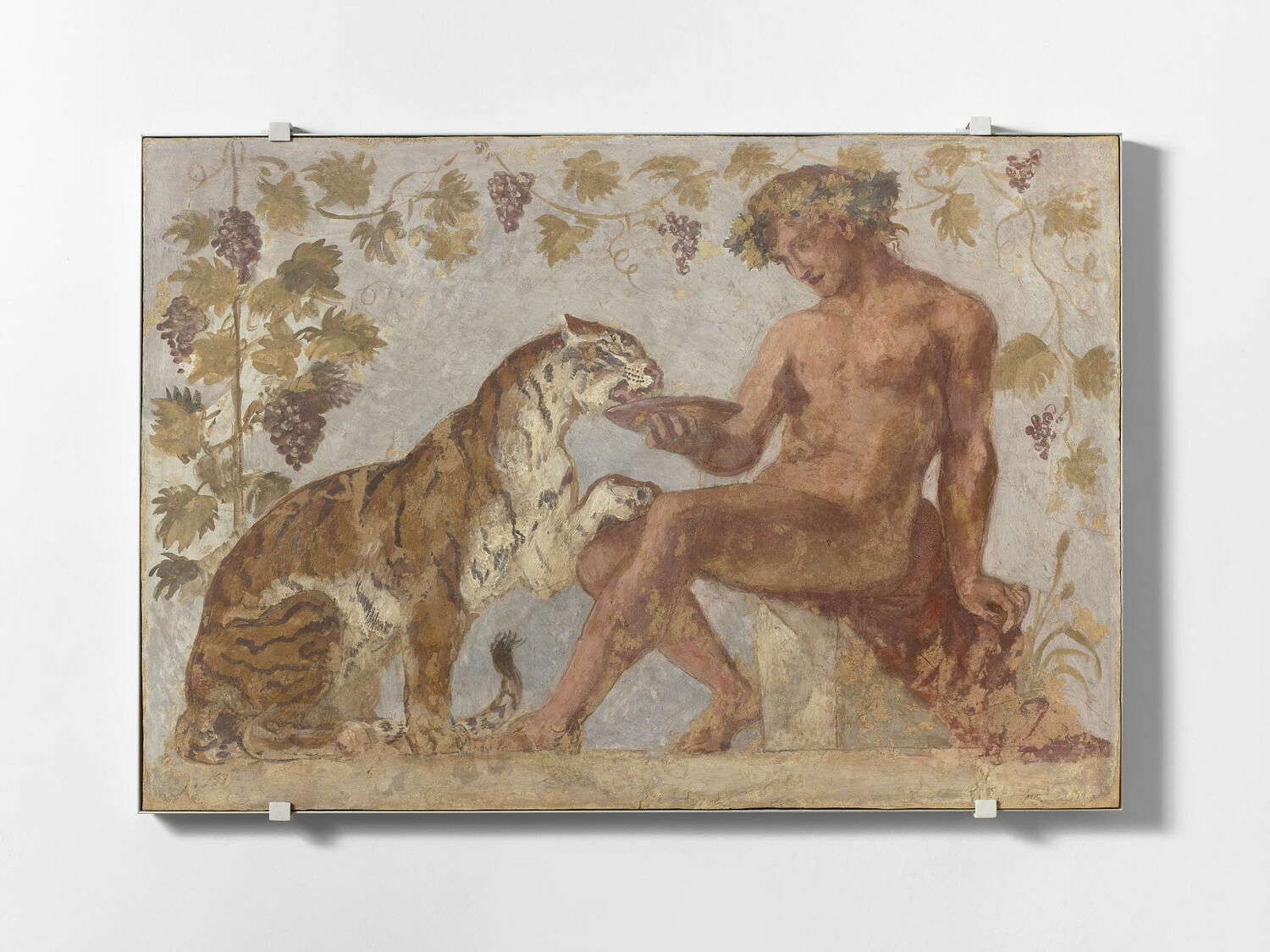
  3. Bacchus et un tigre
Bacchus et un tigre, Delacroix, Eugène, 1834
Eugène Delacroix, portretEugène DelacroixFrankrijk, 1798–1863

Bacchus et un tigre

1834 · Musée national Eugène-Delacroix

Mag men het zien?

Onbekend

Louvre

Parijs, Frankrijk

De eigenaar is bekend; of het werk nu te zien is, is onbekend.

Ongewijzigd sinds
26 sep 2026
Bron
Het museum
Op de kaartMuseumpagina

Gegevens

1834 · op 36-jarige leeftijd
17981863
Inventarisnummer
MD 1992-3

In de catalogus

SchilderijenFrescoFranse schilderkunstRomantiek19e eeuwAbbaye de Valmont, Normandie

Bronnen

  • Louvre
  • Afbeelding: Louvre — © 2018 GrandPalaisRmn (musée du Louvre) / Hervé Lewandowski

Intussen, in het leven van Eugène Delacroix

Het hele leven
  1. 1832

    Journey to Spain and North Africa

    As part of the diplomatic mission of Charles-Edgar de Mornay, Delacroix traveled to Morocco shortly after the French conquest of Algeria. The journey proved a turning point: he made dozens of sketches, and his impressions of North Africa nourished his art for the rest of his life.

  2. 1832

    "Liberty" Removed from Public Display

    By 1832 officials had deemed the painting's glorification of liberty too provocative and removed it from public display; nevertheless Delacroix continued to receive state commissions.

  3. 1833

    Beginning of the Friendship with Marie-Élisabeth Blavot-Boulanger

    In 1833 Delacroix formed a friendship with the painter Marie-Élisabeth Blavot-Boulanger that lasted the rest of his life.

  4. 1833–1837

    Decoration of the Salon du Roi in the Palais Bourbon

    From 1833 Delacroix received numerous commissions to decorate the public buildings of Paris; the first was his work on the Salon du Roi in the Chamber of Deputies at the Palais Bourbon, completed in 1837.

  5. from 1834

    Jeanne-Marie le Guillou Becomes His Housekeeper

    From 1834 until the artist's death, the housekeeper Jeanne-Marie le Guillou cared for him devotedly, jealously guarding his private life.

  6. 1835

    Serious Throat Illness Discovered

    In 1835 Delacroix was found to have a serious throat ailment which, alternately subsiding and flaring up, eventually brought him to his grave.
Meer van Eugène Delacroix

Alle werken
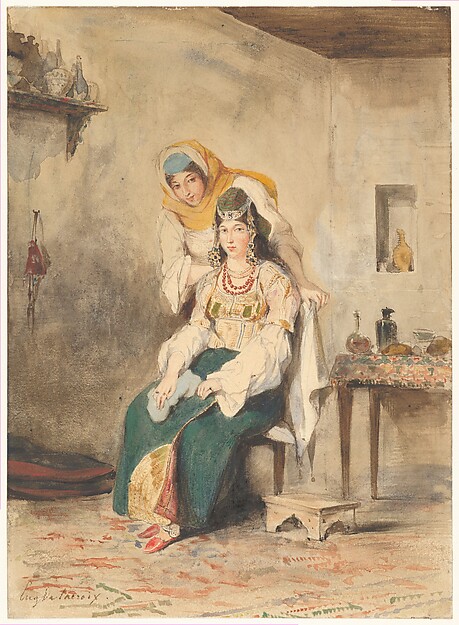
Saada, the Wife of Abraham Ben-Chimol, and Préciada, One of Their Daughters, Eugène Delacroix, 1832

Saada, the Wife of Abraham Ben-Chimol, and Préciada, One of Their Daughters

1832 · Metropolitan Museum of Art

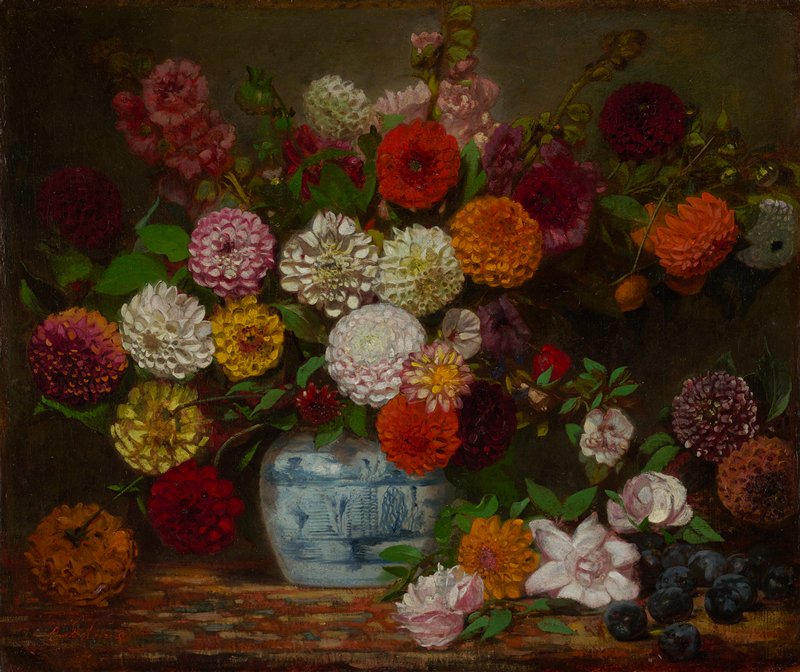
Still Life with Dahlias, Zinnias, Hollyhocks and Plums, Eugène Delacroix, c. 1835

Still Life with Dahlias, Zinnias, Hollyhocks and Plums

c. 1835 · Minneapolis Institute of Art

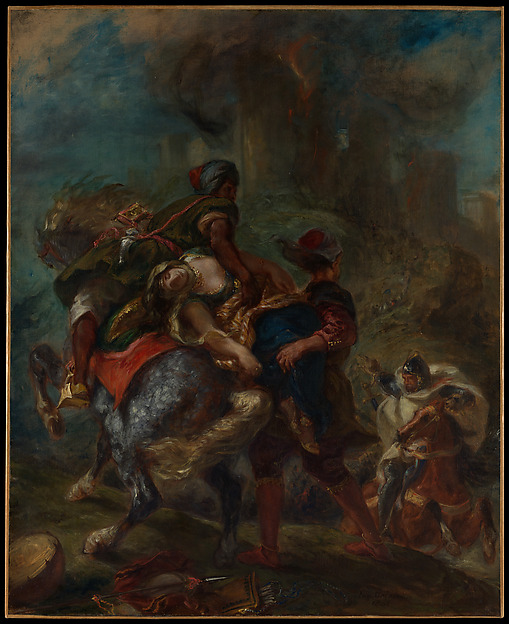
The Abduction of Rebecca, Eugène Delacroix, 1846

The Abduction of Rebecca

1846 · Metropolitan Museum of Art

Sunset, Eugène Delacroix, ca. 1850

Sunset

ca. 1850 · Metropolitan Museum of Art

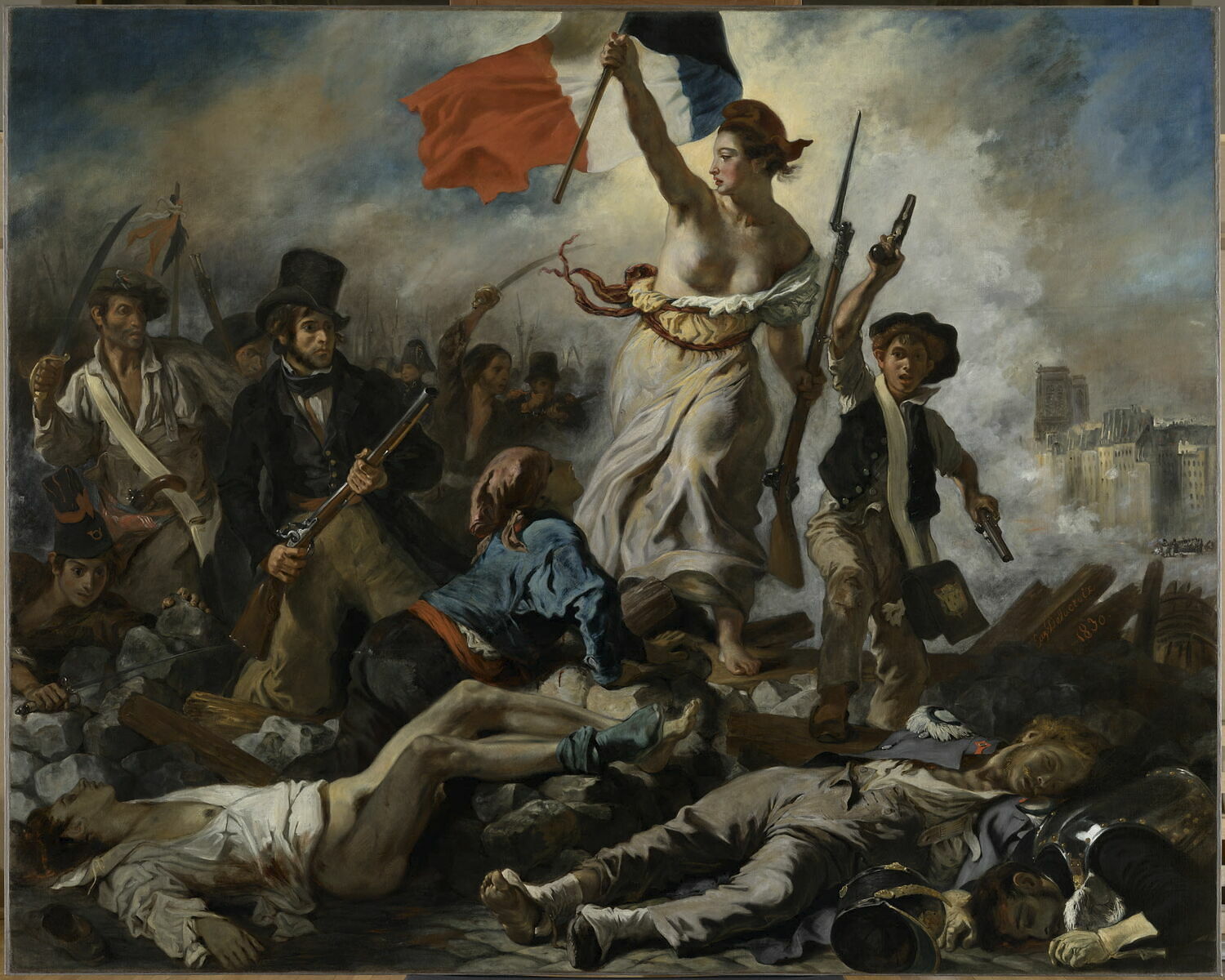
Le 28 juillet 1830. La Liberté guidant le peuple, Delacroix, Eugène, 2e quart du XIXe siècle (1830)

De Vrijheid leidt het volk

2e quart du XIXe siècle (1830) · Louvre

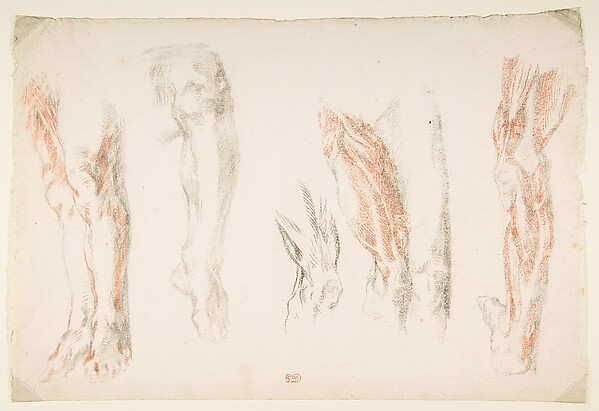
Anatomical Studies of Legs, Eugène Delacroix, 1820–1863

Anatomical Studies of Legs

1820–1863 · Metropolitan Museum of Art

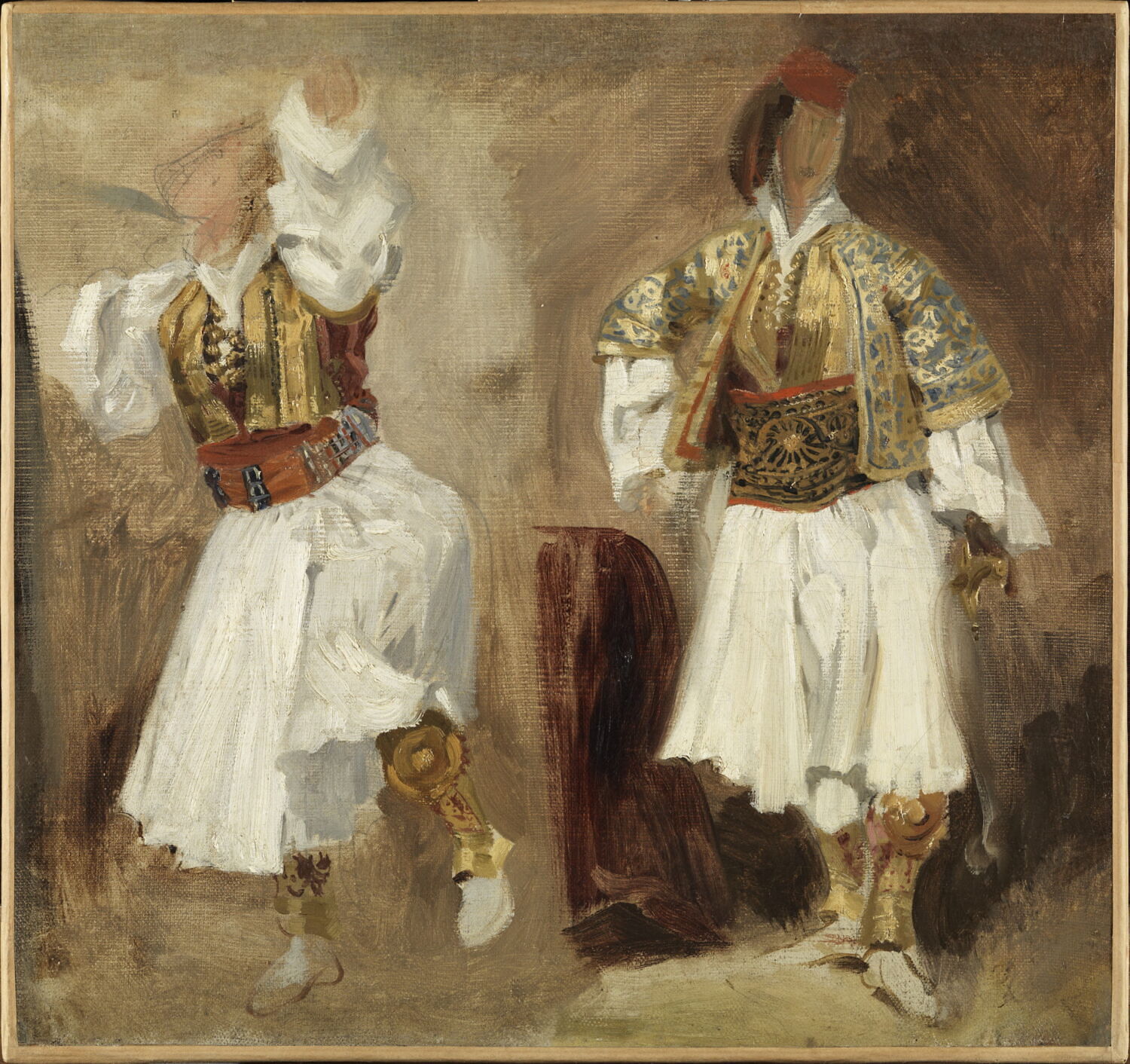
Deux études de costumes souliotes, Delacroix, Eugène, 1e quart du XIXe siècle (1822)

Deux études de costumes souliotes

1e quart du XIXe siècle (1822) · Louvre

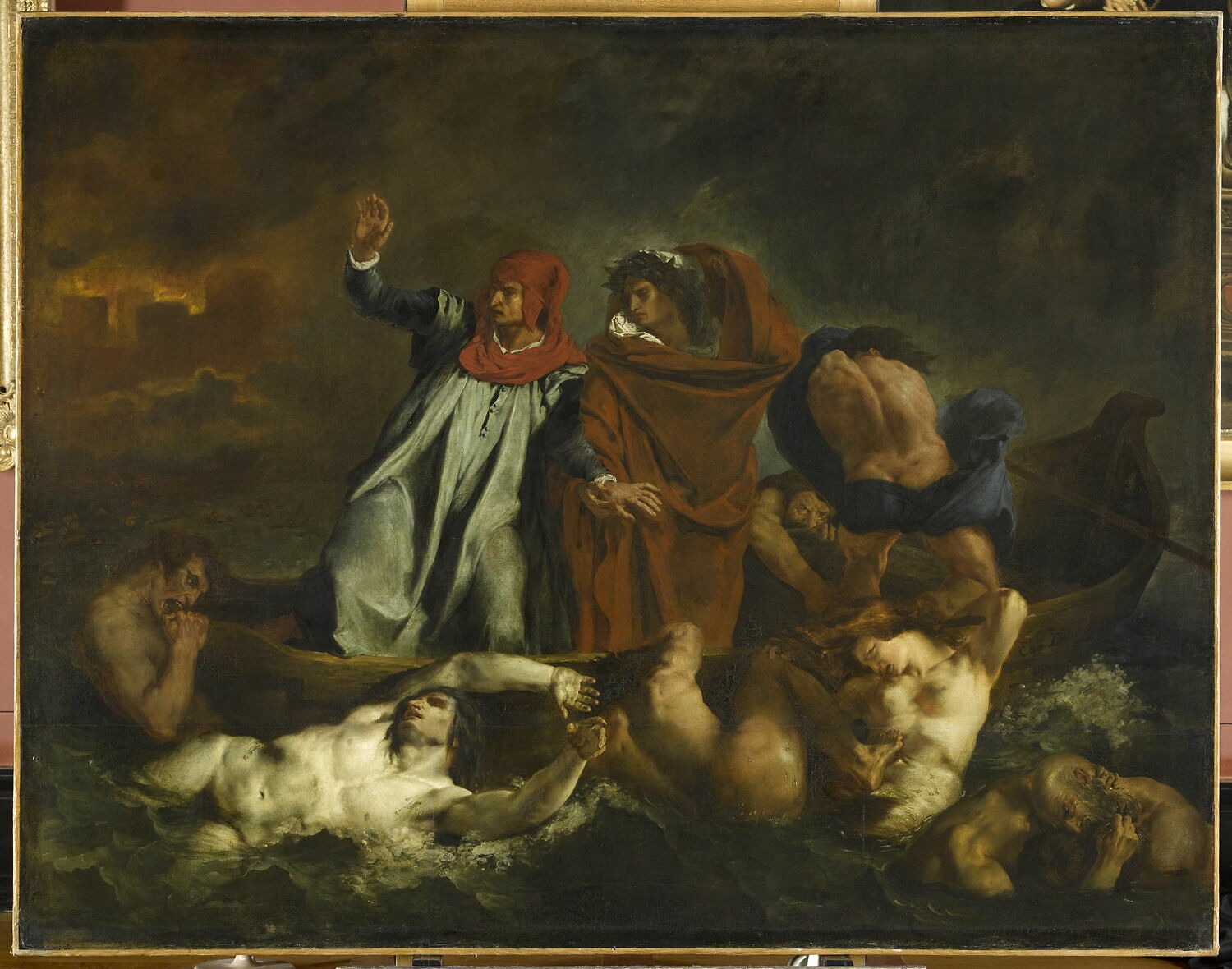
Dante et Virgile, dit aussi La barque de Dante, Delacroix, Eugène, 1e quart du XIXe siècle (1822)

Dantes boot

1e quart du XIXe siècle (1822) · Louvre

Buren in huis: Louvre

Museumpagina
Portrait of Marten Soolmans, Rembrandt van Rijn, 1634

Rembrandt van Rijn

Portrait of Marten Soolmans, 1634

Portrait of Oopjen Coppit, Rembrandt van Rijn, 1634

Rembrandt van Rijn

Portrait of Oopjen Coppit, 1634

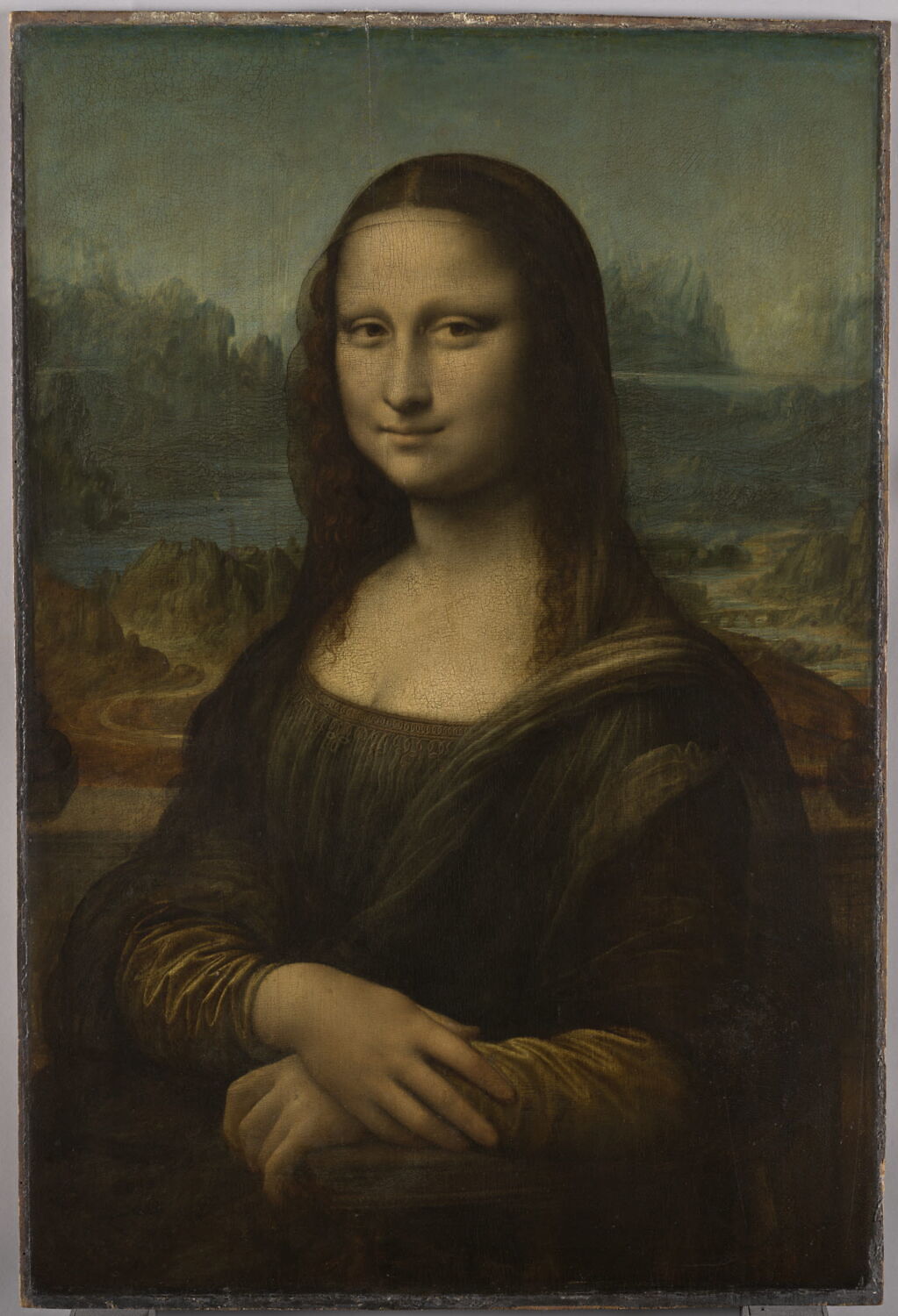
Portrait de Lisa Gherardini, épouse de Francesco del Giocondo, dit La Joconde ou Monna Lisa, Léonard de Vinci, 1e quart du XVIe siècle (1503 - 1519)

Leonardo da Vinci

Mona Lisa, 1e quart du XVIe siècle (1503 - 1519)

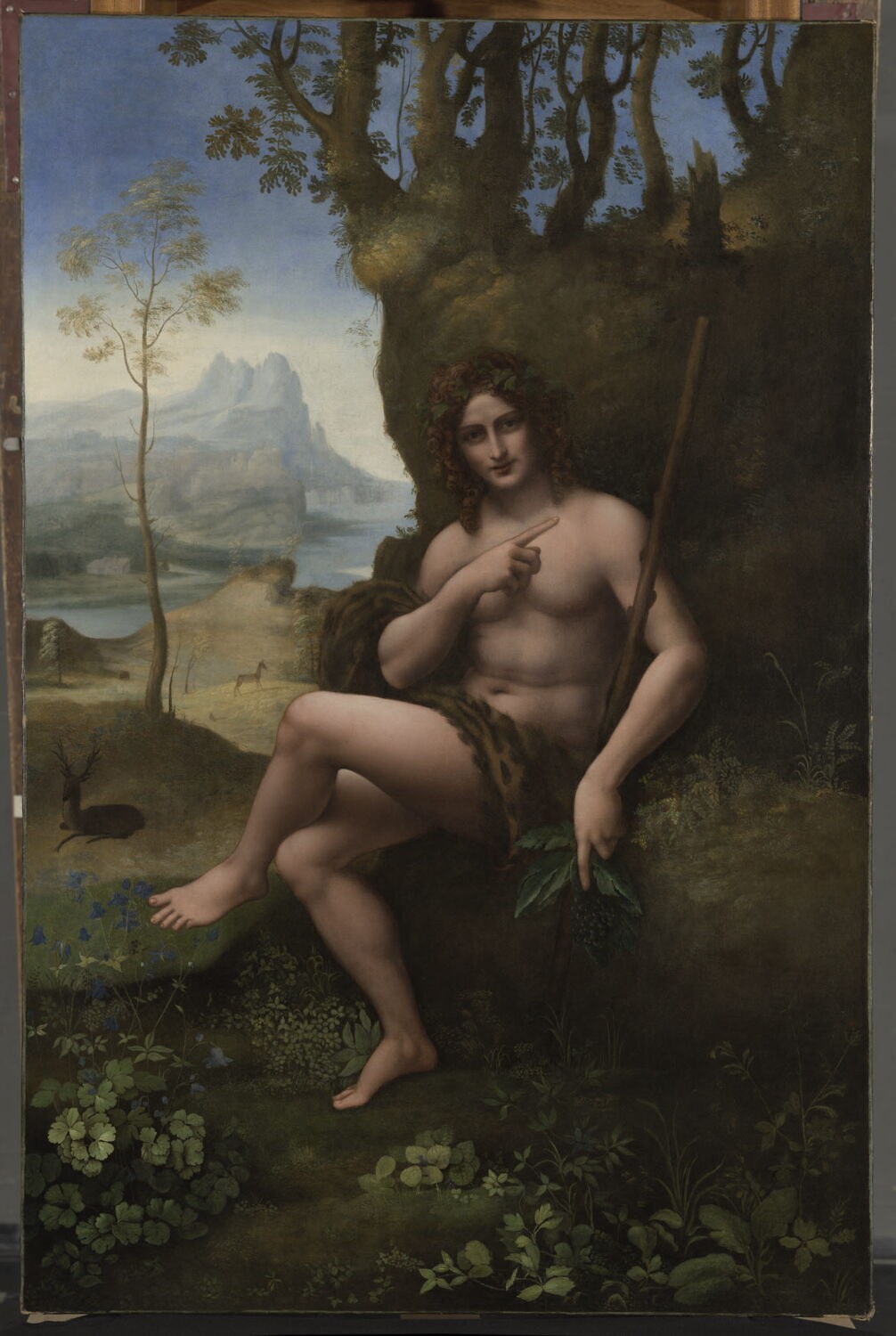
Saint Jean Baptiste, Léonard de Vinci, 1e quart du XVIe siècle (vers 1517 - 1520)

Leonardo da Vinci

Bacchus, 1e quart du XVIe siècle (vers 1517 - 1520)

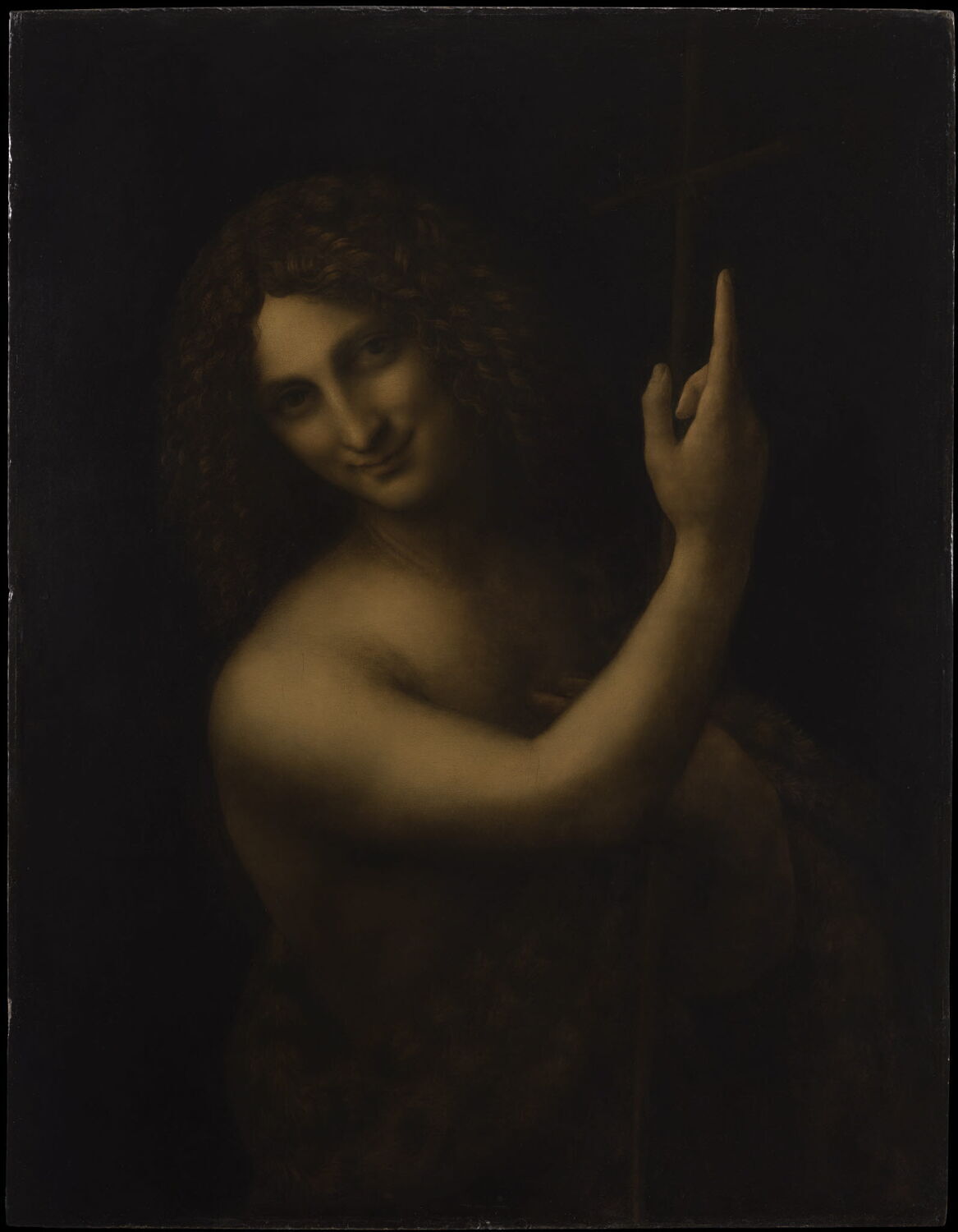
Saint Jean Baptiste, Léonard de Vinci, 1e quart du XVIe siècle (vers 1508 - 1519)

Leonardo da Vinci

Johannes de Doper, 1e quart du XVIe siècle (vers 1508 - 1519)

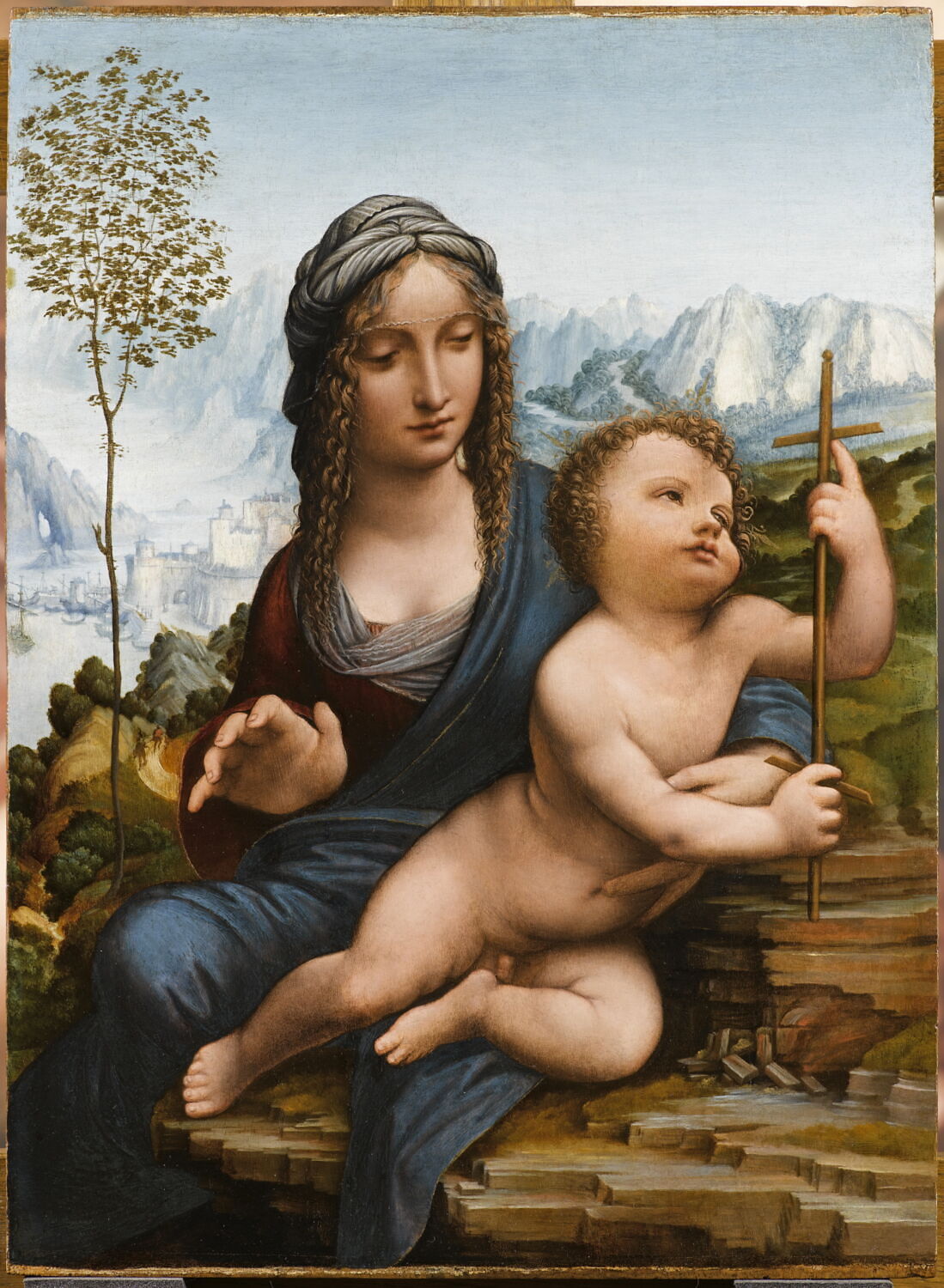
La Vierge et l'Enfant Jésus, dite Vierge au dévidoir ou Vierge aux fuseaux, Léonard de Vinci, XVIe siècle (vers 1505 - 1520)

Leonardo da Vinci

La Vierge et l'Enfant Jésus, dite Vierge au dévidoir ou Vierge aux fuseaux, XVIe siècle (vers 1505 - 1520)

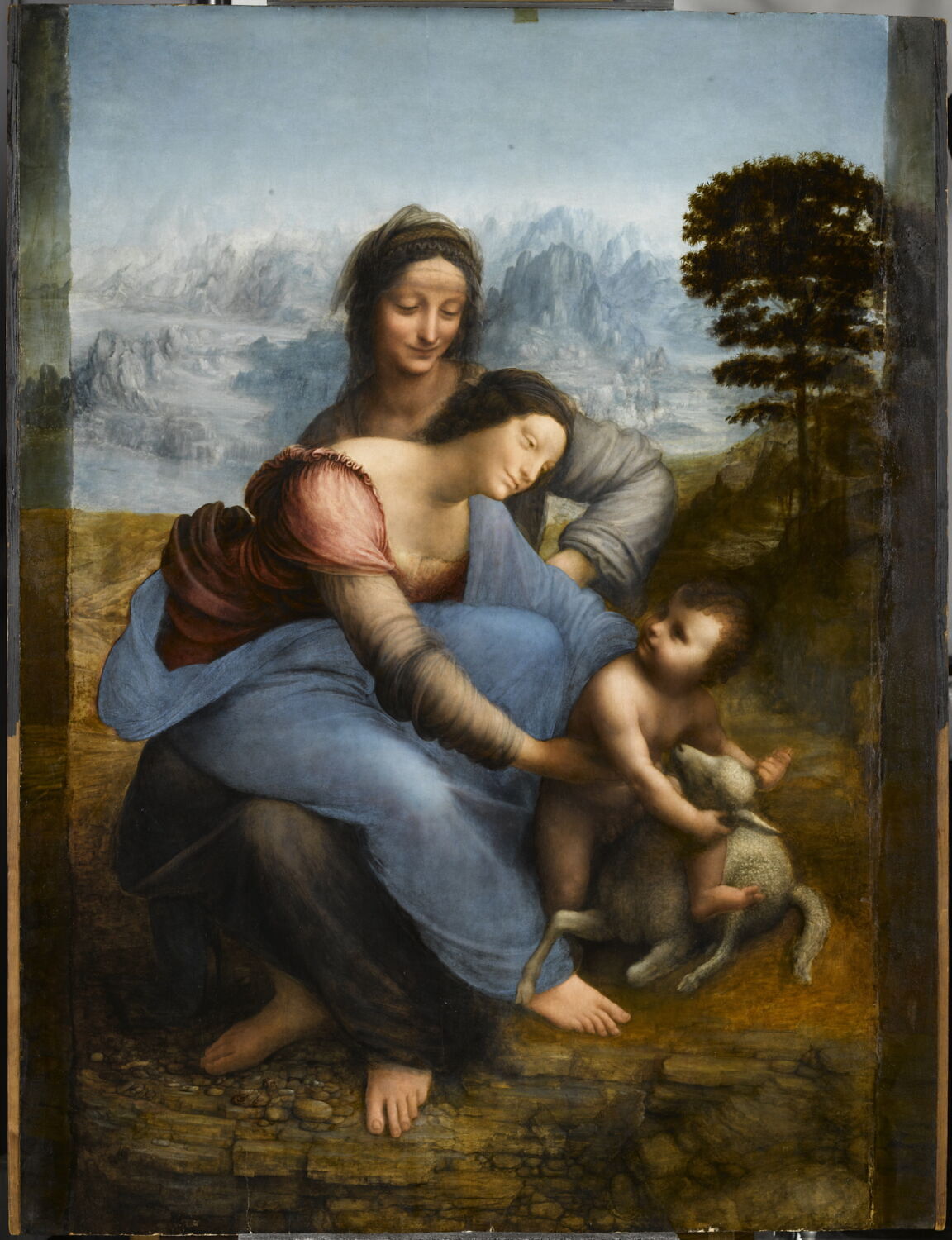
La Vierge, l'Enfant Jésus et sainte Anne, dit La Sainte Anne, Léonard de Vinci, 1e quart du XVIe siècle (vers 1503 - 1519)

Leonardo da Vinci

Maria met kind en Sint-Anna, 1e quart du XVIe siècle (vers 1503 - 1519)

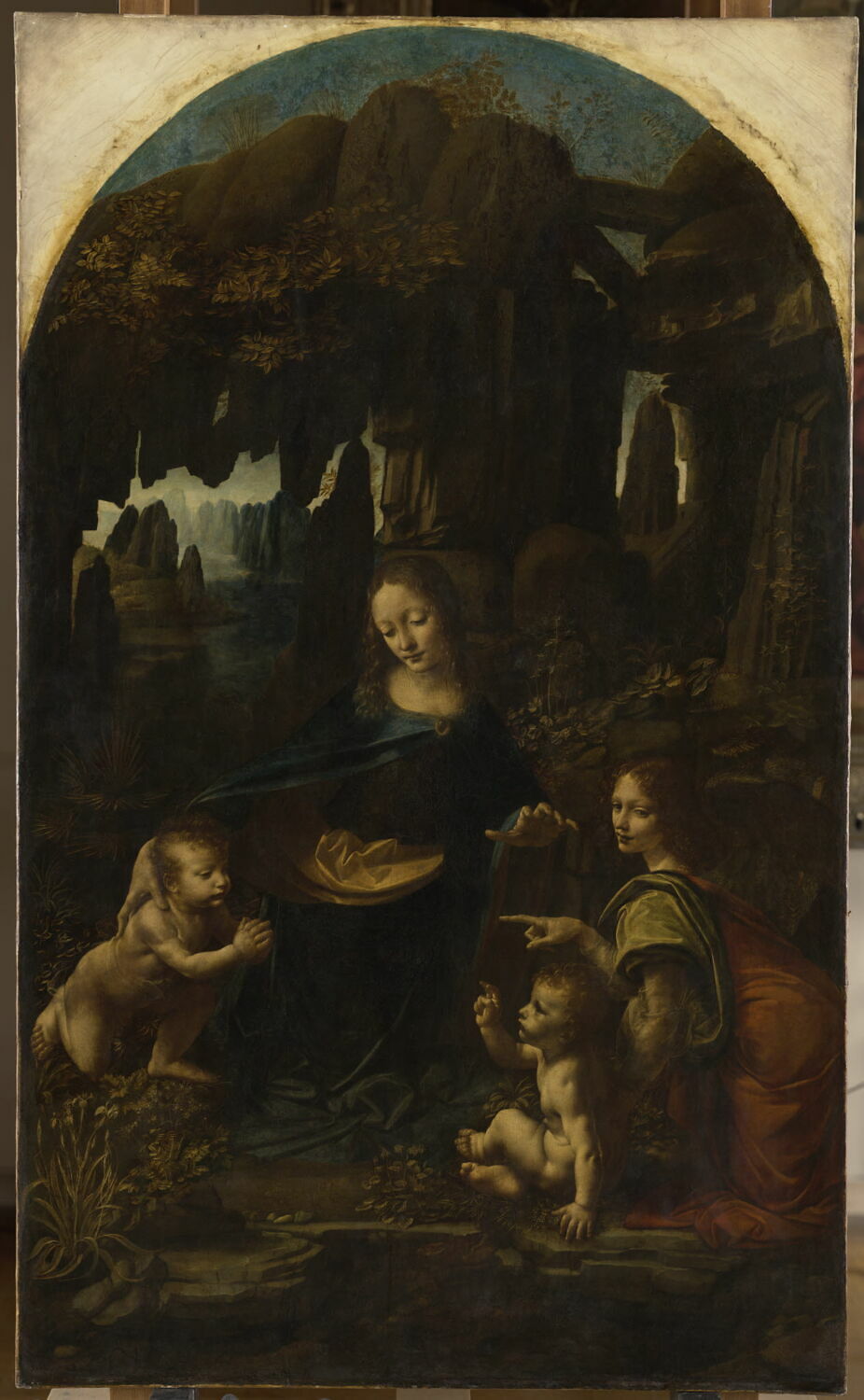
La Vierge, l'Enfant Jésus, saint Jean Baptiste et un ange, dit La Vierge aux rochers, Léonard de Vinci, 4e quart du XVe siècle (vers 1483 - 1494)

Leonardo da Vinci

La Vierge, l'Enfant Jésus, saint Jean Baptiste et un ange, dit La Vierge aux rochers, 4e quart du XVe siècle (vers 1483 - 1494)