Charles Le BrunFrankrijk, 1619–1690
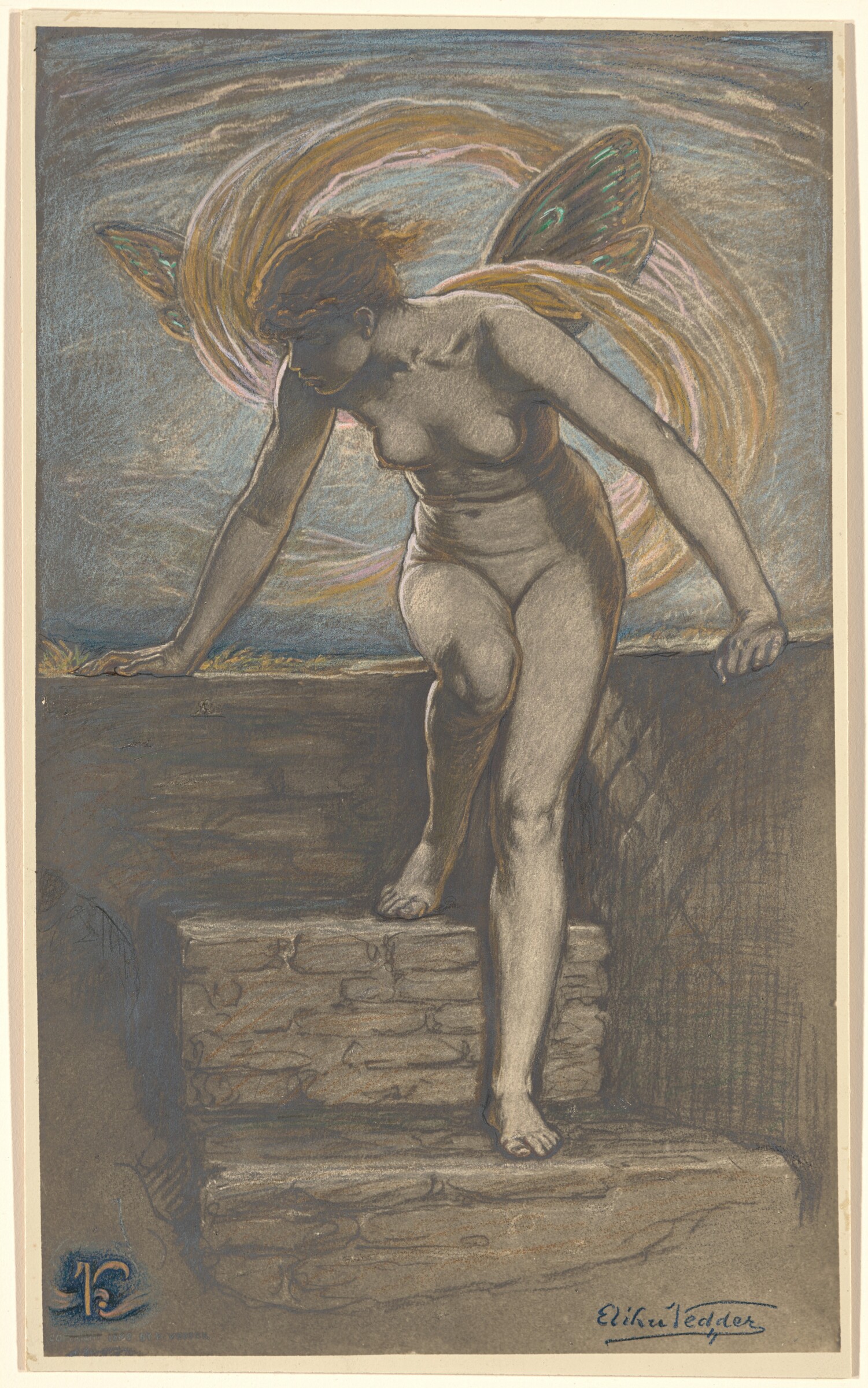
Allegorie van dageraad
Mag men het zien?
Onbekend

Amsterdam, Nederland
De eigenaar is bekend; of het werk nu te zien is, is onbekend.
- Bron
- Het museum
Gegevens
- Inventarisnummer
- RP-P-1967-253
Wat het toont
In de catalogus
Bronnen
- Rijksmuseum Amsterdam
- Afbeelding: Rijksmuseum Amsterdam — public domain
Intussen, in het leven van Charles Le Brun
Het hele levenc. 1630
At eleven he becomes a pupil of Simon Vouet
When the boy turned eleven, his uncle André Le Blé — tutor to the children of the future chancellor Pierre Séguier — recommended his nephew for training for the public service; Charles became an apprentice to the painter Simon Vouet. He also studied with François Perrier.
1642
He travels to Rome with Poussin
In 1642 he sets out for Rome with Poussin; thanks to a scholarship from Chancellor Séguier he works there for four years under Poussin, studies ancient Roman sculpture, copies Raphael and meets local artists.
1648
The Royal Academy of Painting and Sculpture is founded
Le Brun is the driving force behind the creation of the Royal Academy of Painting and Sculpture and is elected one of its original twelve elders in charge of its running.
1660
The Gobelins Manufactory is founded
With Colbert he founds the Gobelins manufactory — at first a great school producing not only tapestries but every kind of furniture required for the royal palaces; Le Brun becomes its director and through it commands the industrial arts.
1662
Louis XIV ennobles Le Brun
The king is so delighted with the first picture of the series, “Alexander and the Family of Darius”, that he at once ennobles the artist and grants him a pension of 12,000 livres, the same sum he had received yearly in Fouquet's service. From then on everything done in the royal palaces is directed by Le Brun.
12 februari 1690
Died