Mihály Munkácsy1844–1900
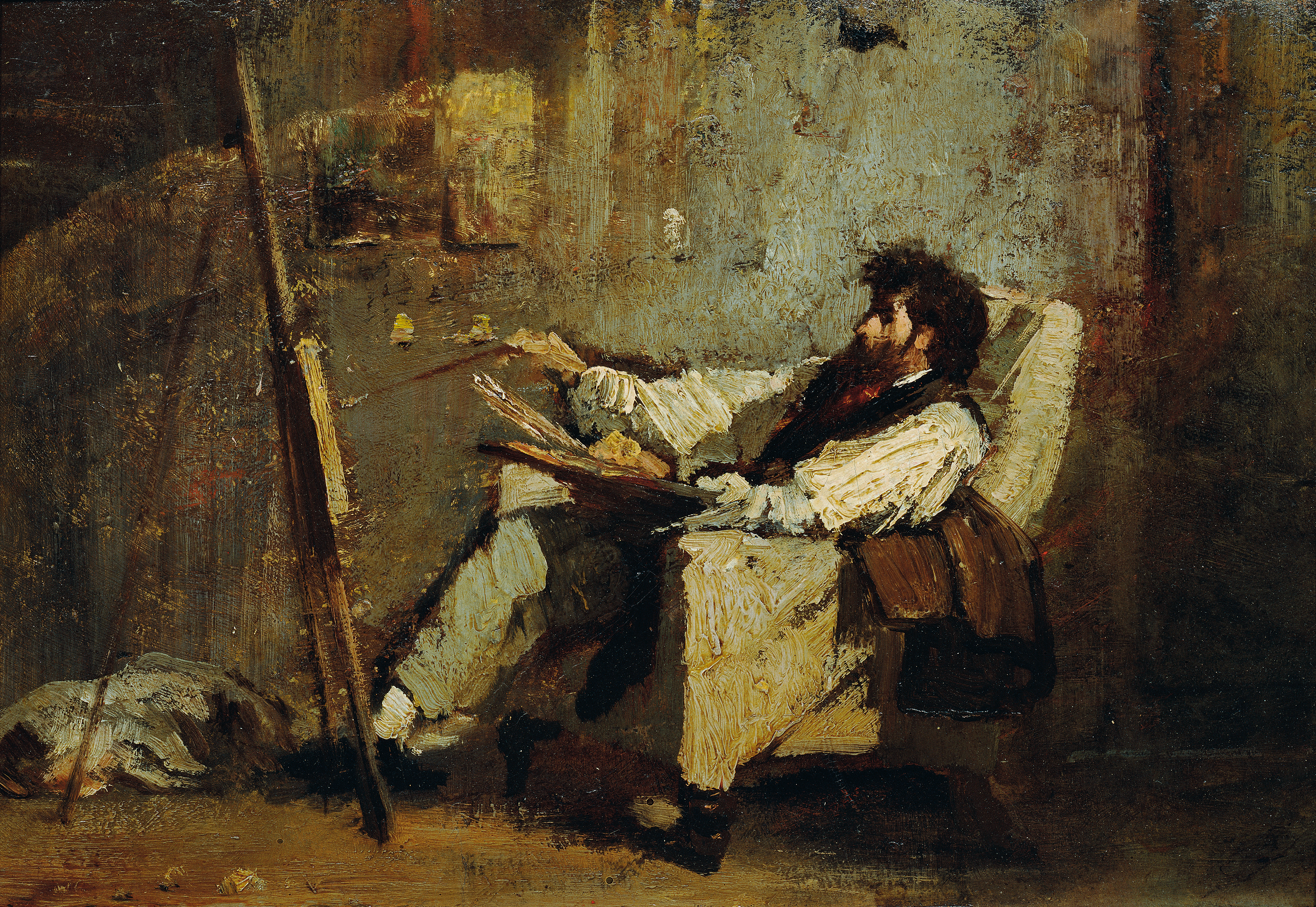
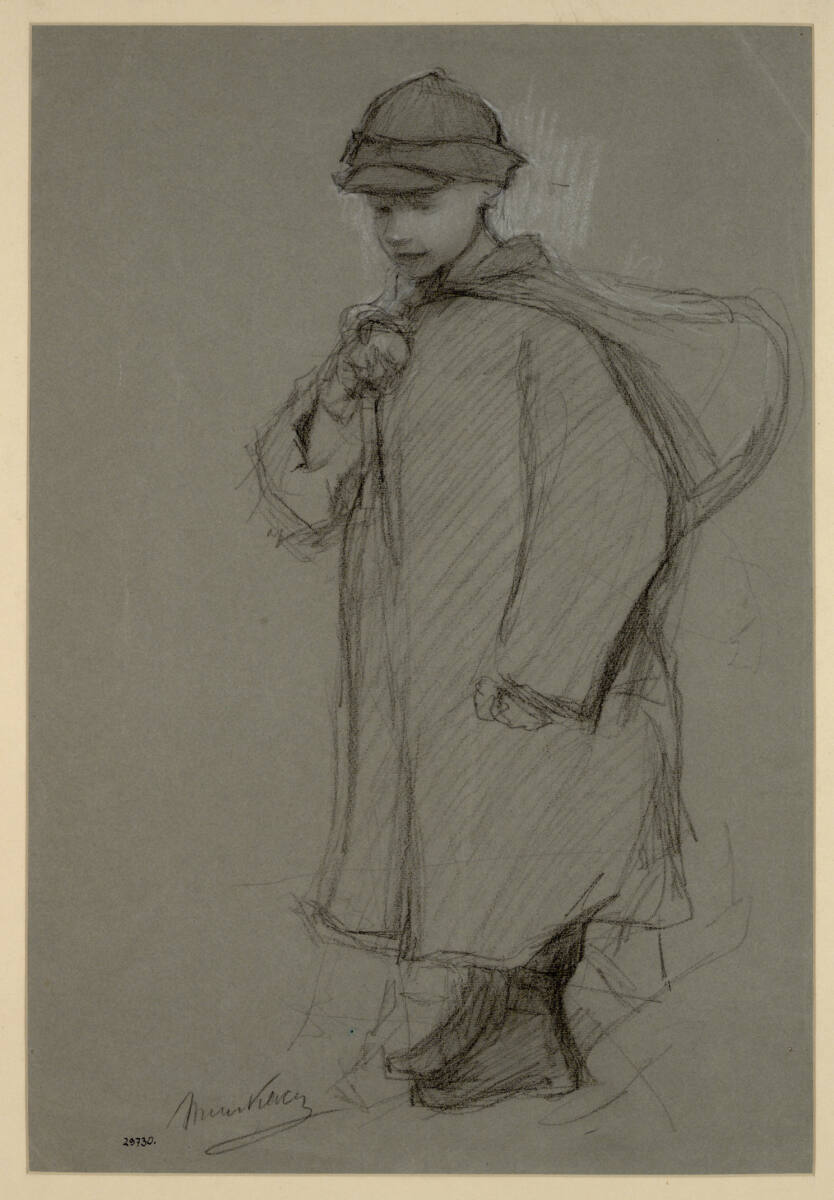
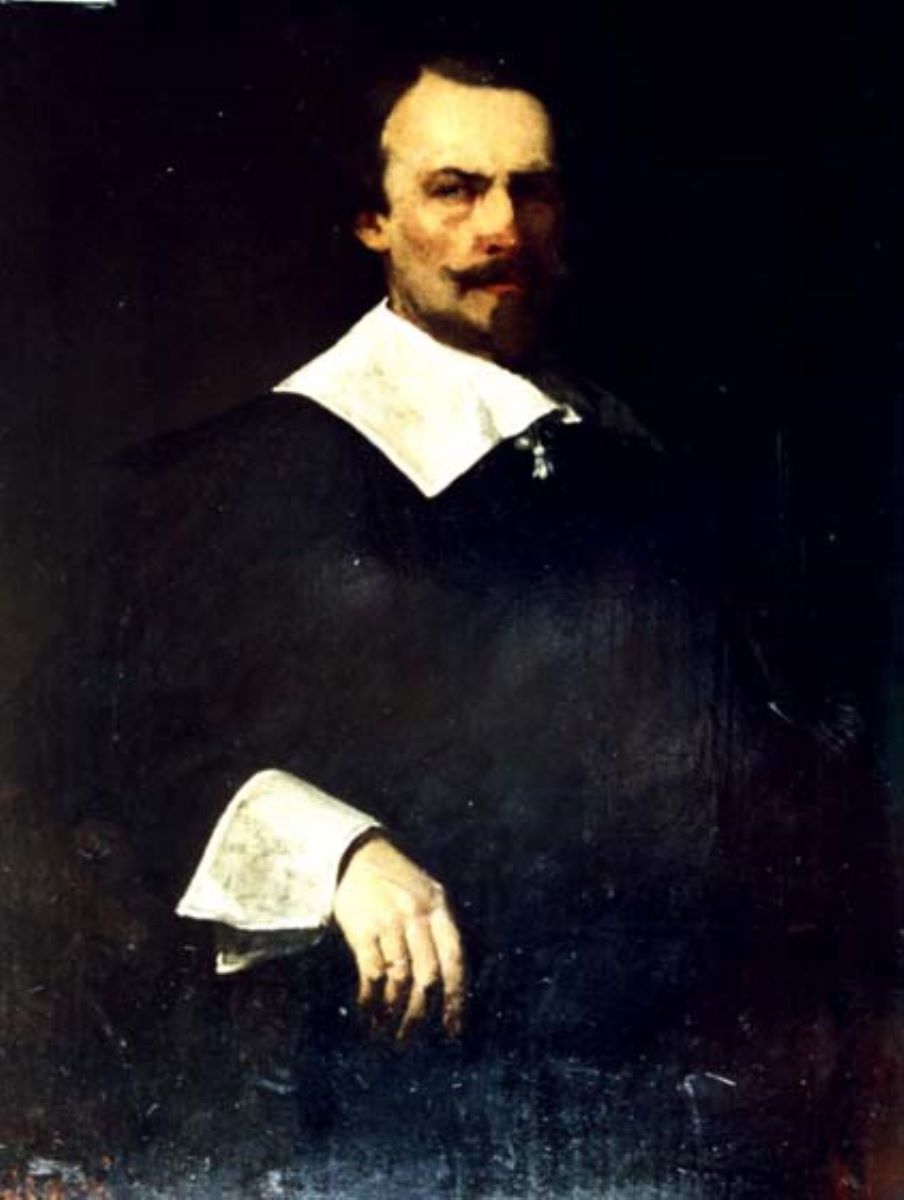
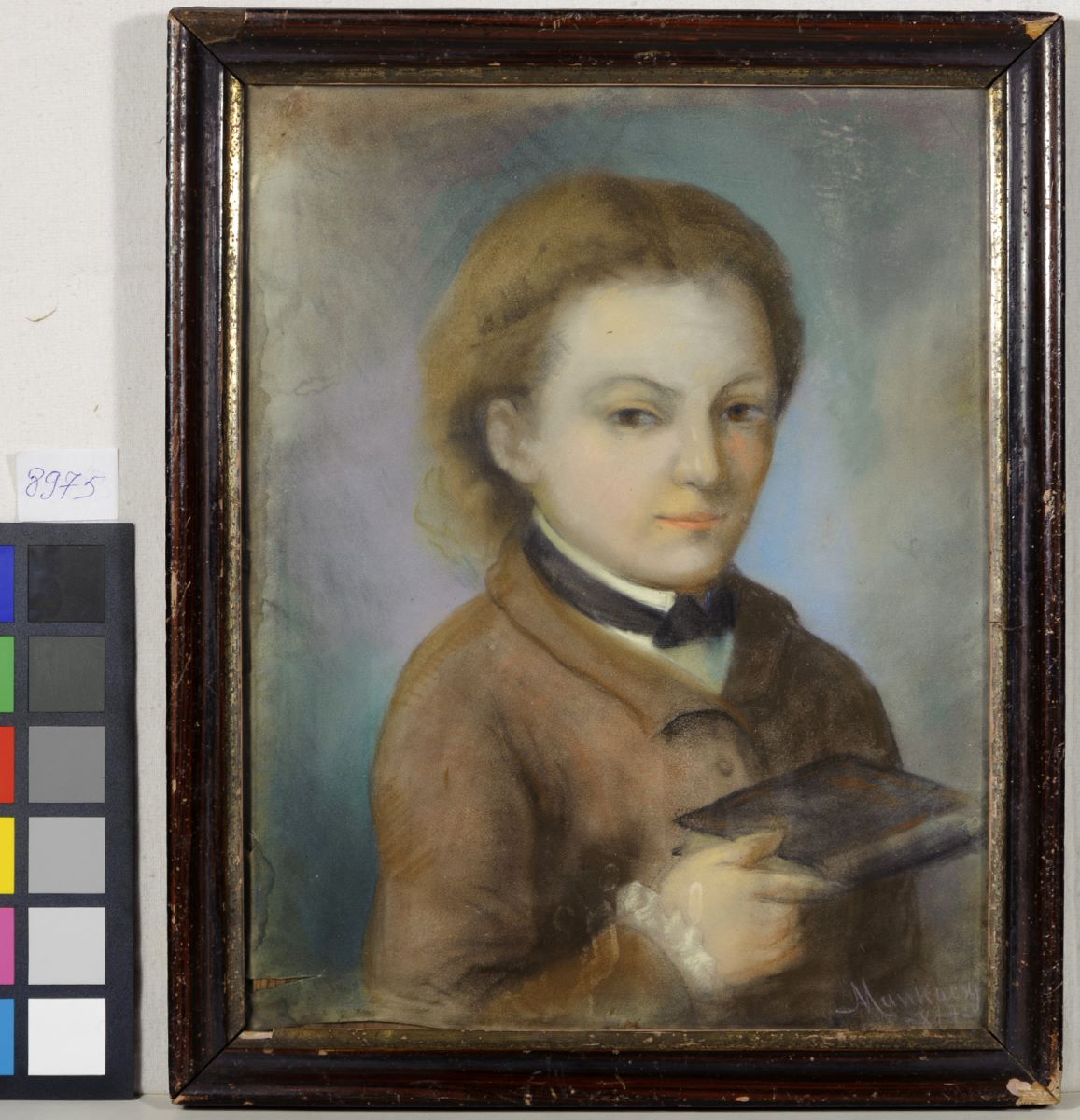
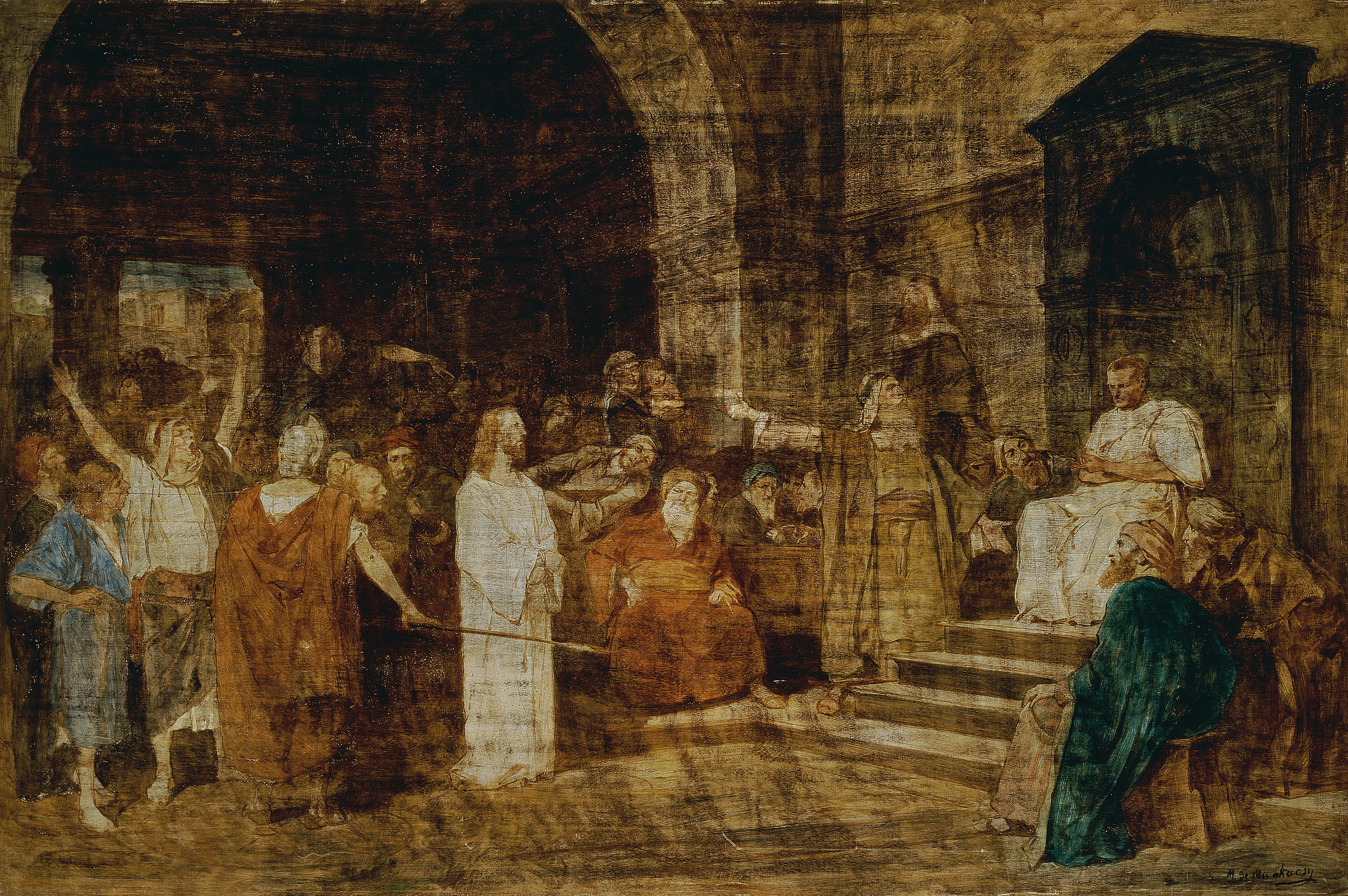
Alej v Düsseldorfe
Mag men het zien?
Onbekend

Slowaakse Nationale Galerie
Bratislava, Slowakije
De eigenaar is bekend; of het werk nu te zien is, is onbekend.
- Ongewijzigd sinds
- Bron
- Het museum
Gegevens
Wat het toont
In de catalogus
Bronnen
- Slowaakse Nationale Galerie
- Afbeelding: Slowaakse Nationale Galerie — Public Domain Mark 1.0
Intussen, in het leven van Mihály Munkácsy
Het hele leven1864–1867
First genre pictures of peasant and poor life
His early works of 1864–1867 are mainly scenes from the daily lives of peasants and poor people, in the colourful, theatrical manner of Hungarian genre painters such as Károly Lotz and János Jankó. Then, as in “Storm in the Puszta” (1867), he pays more attention to the landscape around his figures.
1865 · Opleiding
Academy of Fine Arts Vienna
c. 1865
State grant to study abroad
After an apprenticeship with the itinerant painter Elek Szamossy he goes to Pest to seek the patronage of established artists, and with the help of the landscape painter Antal Ligeti receives a state grant. In 1865 he studies at the Vienna Academy under Karl Rahl, and in 1866 at the Munich Academy.
1867
Trip to Paris for the Universal Exposition
He travels to Paris to see the Universal Exposition; afterwards his style grows lighter, with broader brushstrokes and tonal colour schemes, probably under the influence of the modern French painting he saw there.
1868
Moves to Düsseldorf to study with Ludwig Knaus
He moves to the Düsseldorf Academy to study with the popular genre painter Ludwig Knaus. From the Düsseldorf genre painters he learns to convey different emotions in his figures and to treat them as a group, and he is associated with the Düsseldorf school of painting.
1870
Gold Medal of the Paris Salon
The picture “The Last Day of a Condemned Man” is awarded the Gold Medal of the Salon and makes Munkácsy a popular painter in an instant. He then moves to Paris with his friend, the landscape painter László Paál, and lives there until the end of his life.