 Beatrix Potter1866–1943
Watercolour
볼 수 있나요?
확인되지 않았습니다
〈Watercolour〉는 지금 어디에 있나요? 소장처: 빅토리아 앨버트 박물관, 런던. 오늘 전시 중인지는 확인되지 않았습니다.

런던, 영국
소장자는 확인됐으나 오늘 전시 중인지는 알 수 없습니다.
- 이 상태가 시작된 날짜
- 출처
- 미술관
작품 소개
Beatrix Potter (1866-1943) is one of the world's best-loved children's authors and illustrators. She wrote the majority of the twenty-three Original Peter Rabbit Books between 1901 and 1913. The Tale of Peter Rabbit (Frederick Warne, 1902) is her most famous and best-loved tale.
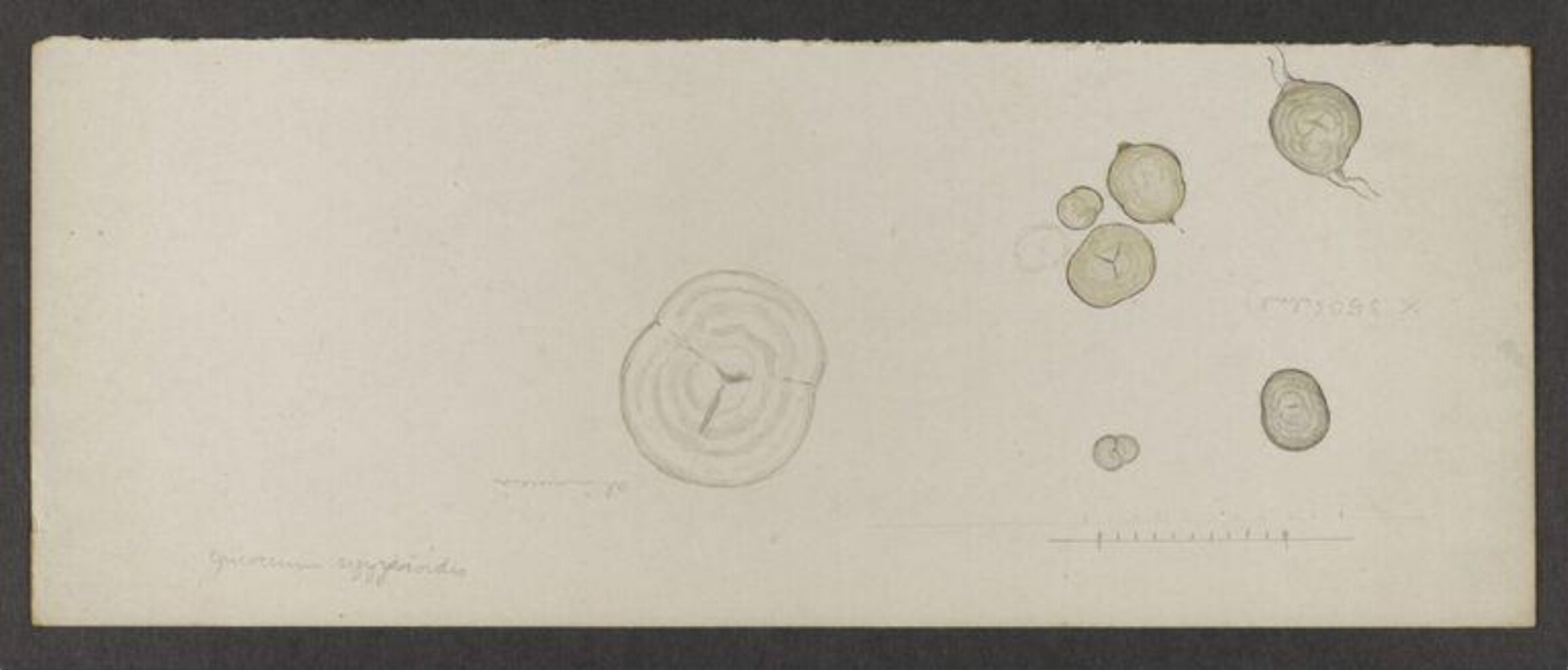
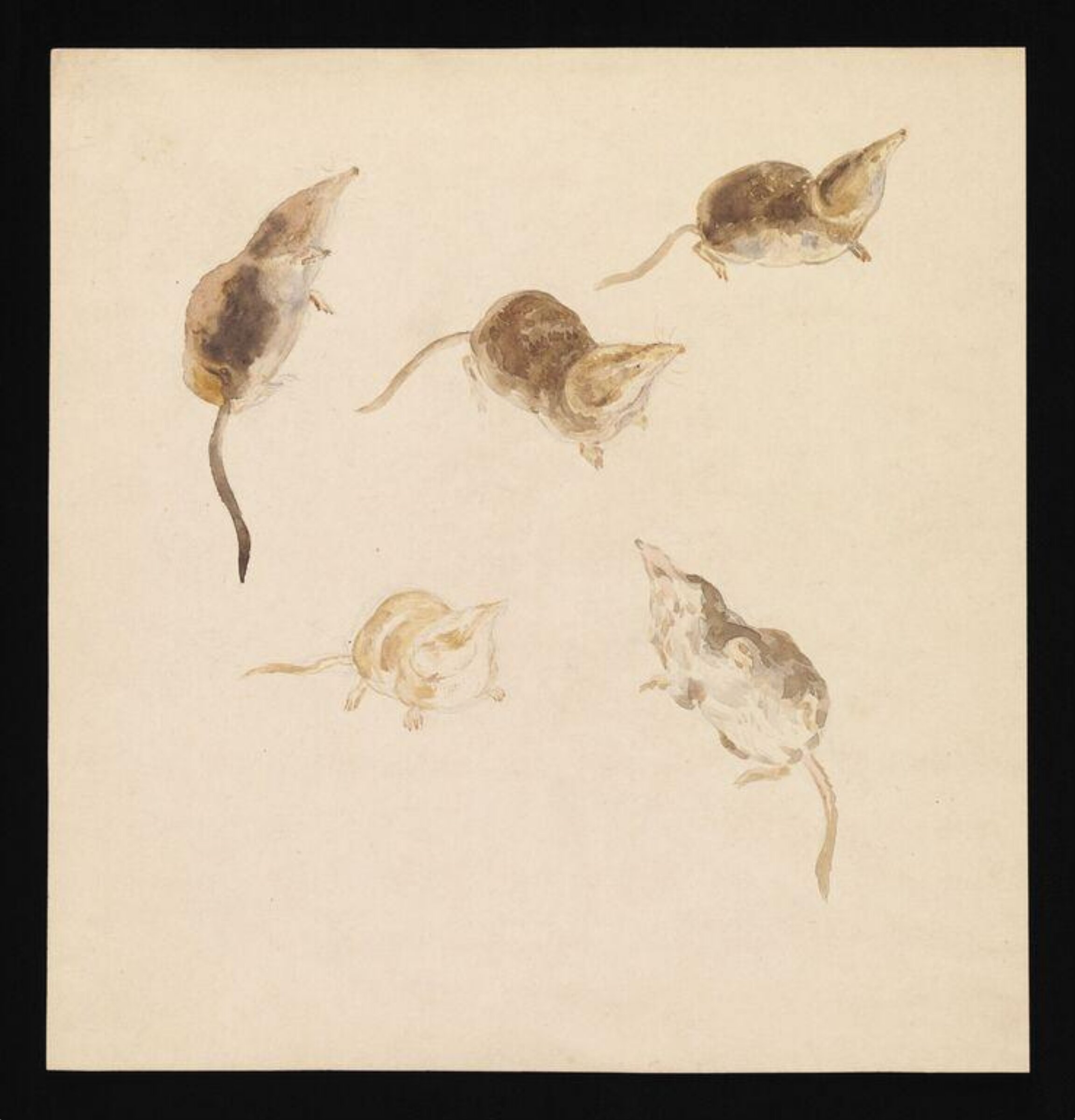
As a young woman Beatrix Potter studied natural history with some seriousness, exploring the collections of the Natural History Museum, including the insect cases and fungi specimens. She had a collector’s cabinet full of specimens, from shells to dead butterflies and moths, and used a magnifying glass and a microscope to examine them more closely. She made numerous carefully observed studies of animals and plants from life.
계속 읽기
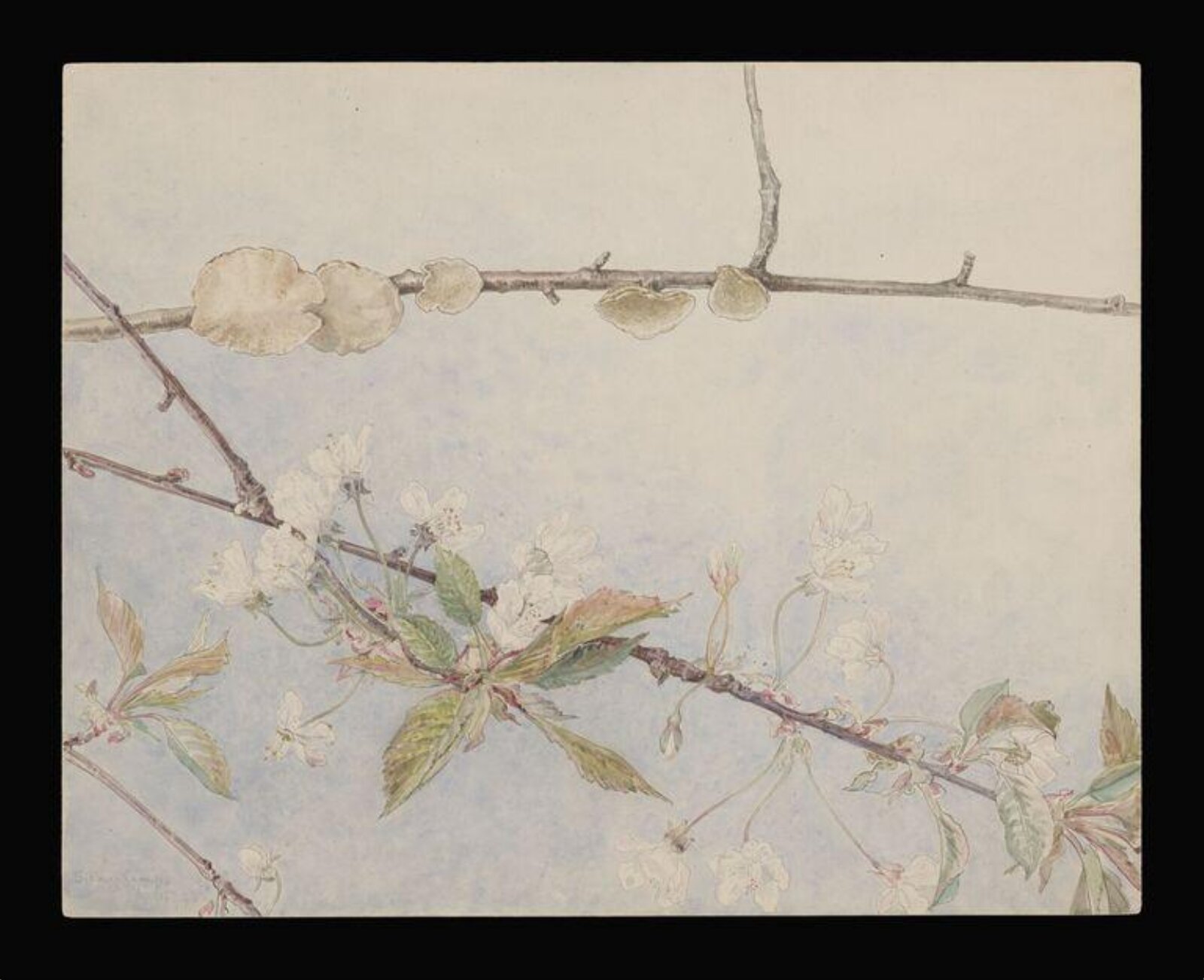
By her mid-twenties mycology, the study of fungi, had become a strong interest, and Potter made many exquisitely detailed watercolour drawings of fungi over the next few years. Her interest was also scientific, and a (now lost) paper she wrote on the subject was read at a meeting of the prestigious Linnean Society of London in 1897, when Potter was 30. Potter noted that the present study shows ‘polyporus versicolor’, a common polypore mushroom.
빅토리아 앨버트 박물관
상세 정보
- 소장품 번호
- BP.245
그림에 담긴 것
목록에 등록됨
출처
- 빅토리아 앨버트 박물관
- 이미지: 빅토리아 앨버트 박물관 — © Victoria and Albert Museum, London
Beatrix Potter의 생애 속 이 작품
생애 전체 보기1881–1897
A journal in a cipher of her own
From 1881 Beatrix kept a journal in a simple substitution cipher of her own devising — in tiny handwriting, serving as both sketchbook and literary experiment, in which she described society, her impressions of art and the life around her. The entries stop in 1897, when her energies were absorbed in scientific study and in efforts to publish her drawings.
1895–1897
A theory of spore germination, and Kew Gardens
In 1895, curious about how fungi reproduce, Beatrix began microscopic drawings of agaric spores and developed a theory of their germination. Through her uncle, the chemist Sir Henry Roscoe, she consulted botanists at Kew and convinced George Massee of her ability to germinate spores, but William Thiselton-Dyer, the director of Kew, rebuffed her because of her sex and amateur status.
1897
A paper for the Linnean Society
In 1897 Beatrix submitted a paper, “On the Germination of the Spores of the Agaricineae”, to the Linnean Society, but as a woman she could neither attend the meeting nor read it herself — George Massee introduced it. She later withdrew it on realising that some of her samples were contaminated, yet she continued her microscopic studies for several more years.
1900–1901
A dummy book of the rabbit tale, printed at her own expense
In 1900 Beatrix revised her tale of the four little rabbits and made a dummy book of it — it has been suggested, in imitation of Helen Bannerman’s 1899 bestseller; no one would buy it. So in December 1901 she had it printed at her own expense for family and friends — in black and white, with a coloured frontispiece.