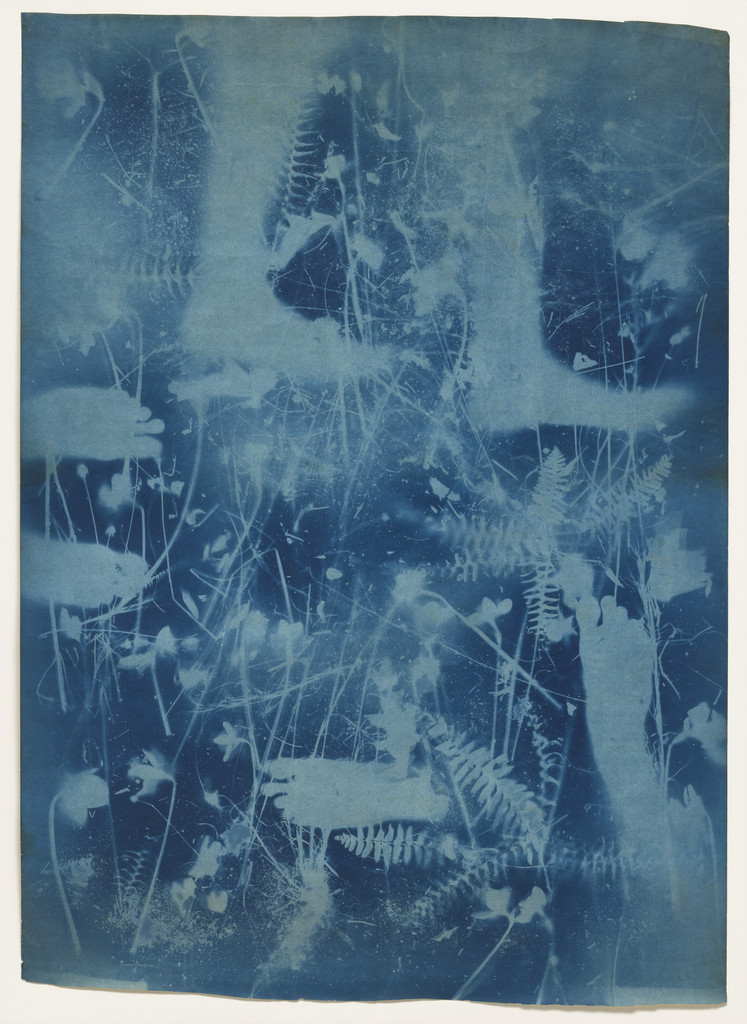
Robert Rauschenberg미국, 1925–2008
Visual Autobiography
볼 수 있나요?
현재 전시하지 않습니다
〈Visual Autobiography〉는 지금 어디에 있나요? 소장처: 예일 대학교 미술관, 뉴헤이번. 현재 전시하지 않습니다. 확인일 2026년 10월 19일.
뉴헤이번, 미국
소장품이지만 현재 전시하지 않습니다.
- 확인일
- 이 상태가 시작된 날짜
- 출처
- 미술관
상세 정보
- 소장품 번호
- 1992.69.1a-c
목록에 등록됨
출처
- 예일 대학교 미술관
- 이미지: 예일 대학교 미술관 — Image: Yale University Art Gallery · In Copyright
Robert Rauschenberg의 생애 속 이 작품
생애 전체 보기1966
Founds E.A.T. with Billy Klüver
For “9 Evenings: Theatre and Engineering” at New York's 69th Regiment Armory Rauschenberg created the performance Open Score. The series was instrumental in the formation of Experiments in Art and Technology (E.A.T.), a non-profit for collaborations between artists and engineers which he and the Bell Laboratories scientist Billy Klüver officially launched in 1966.
1968년 6월 27일 – 1968년 10월 6일
Exhibition: 4. documenta
26 July 1968
Buys a house on Captiva Island
On 26 July 1968 Rauschenberg bought the Beach House, his first property on Captiva Island off the Florida coast, though it did not become his permanent home until the autumn of 1970. Other accounts date the purchase to 1970.
1969
Watches the Apollo 11 launch at NASA's invitation
NASA invited Rauschenberg to witness the launch of Apollo 11. In response he created his “Stoned Moon” series of lithographs, combining diagrams and images from NASA's archives with his own drawings and handwritten text.
autumn 1970
Moves to Captiva for good
From the autumn of 1970 the Captiva house became Rauschenberg's permanent home and studio. The first works made there were the “Cardboards” (1971–72) and “Early Egyptians” (1973–74) series, from locally sourced cardboard and sand: instead of urban imagery he now favoured the natural fibres of fabric and paper.
1970
Sets up Change, Inc. to help artists
Rauschenberg created Change, Inc., a programme awarding one-time emergency grants of up to $1,000 to visual artists in financial need.