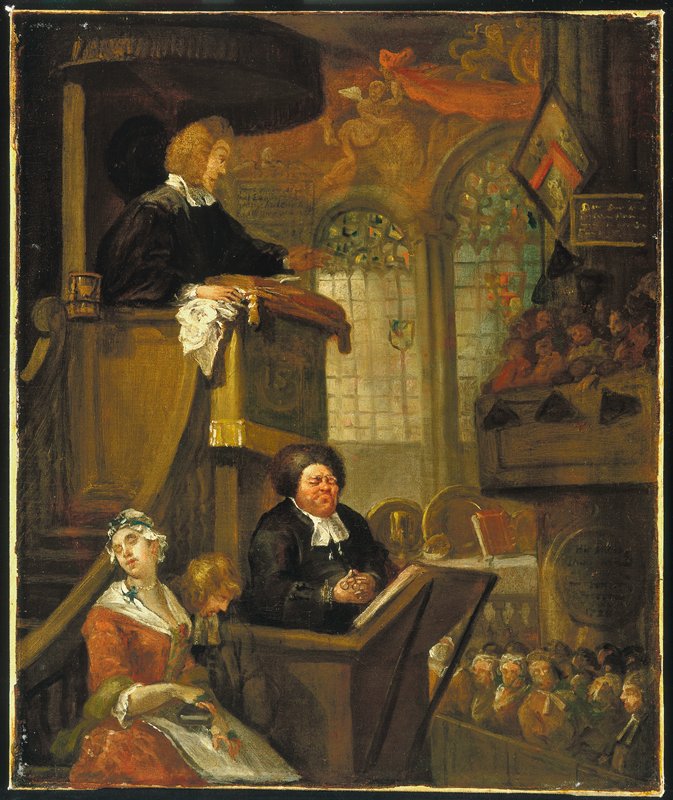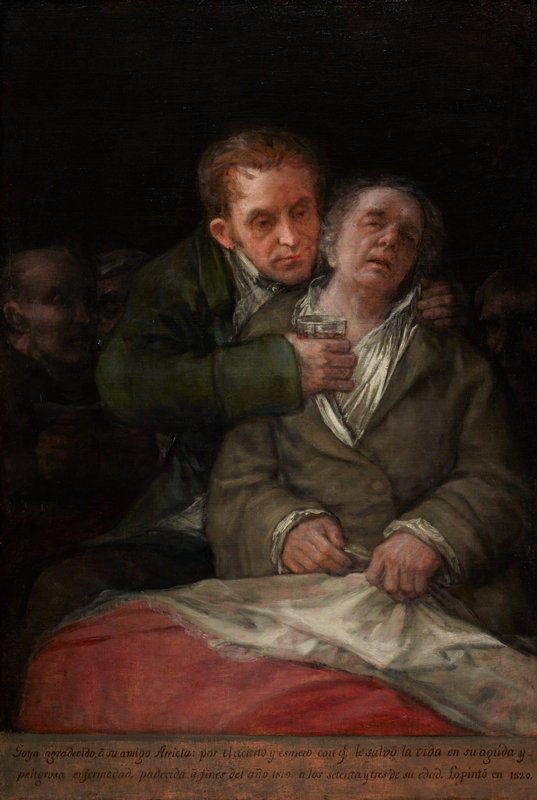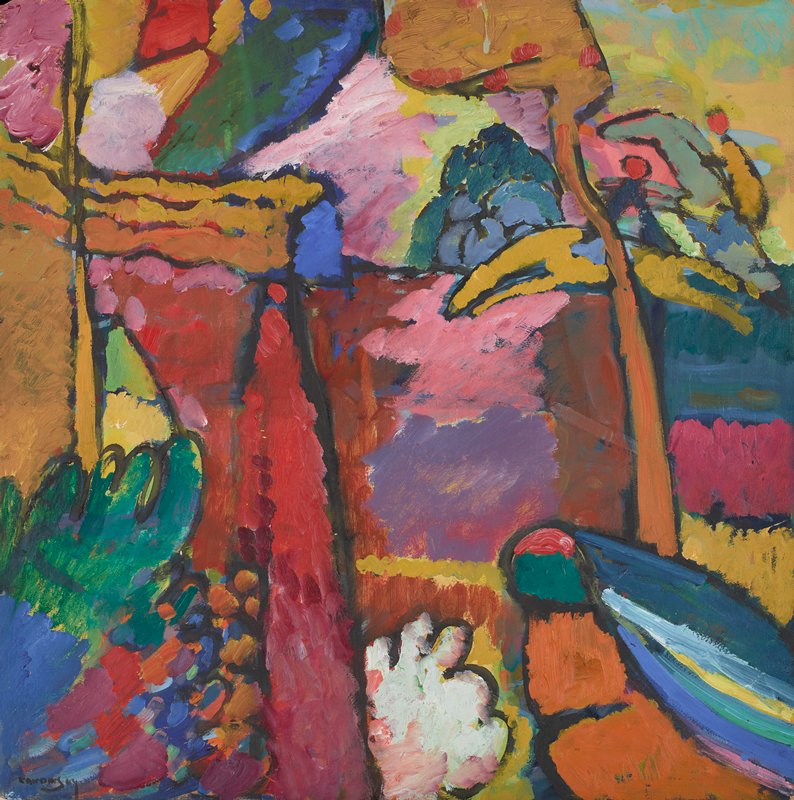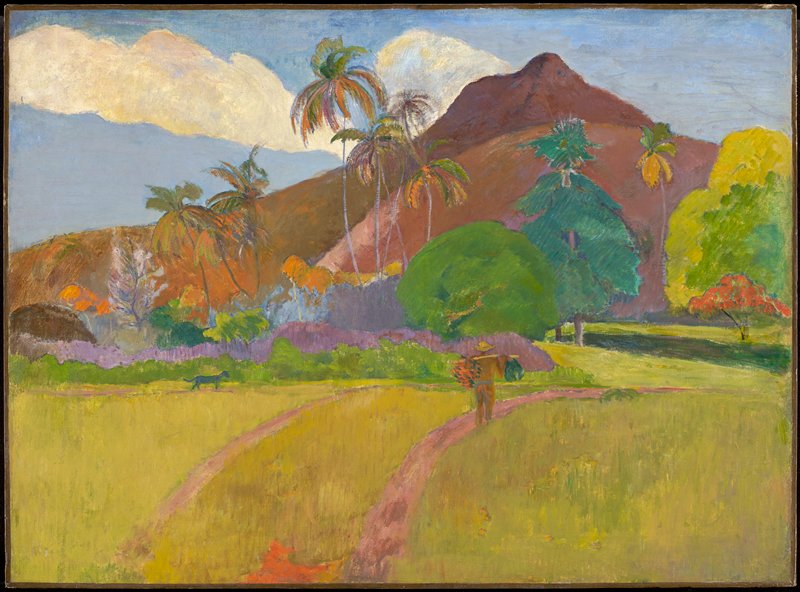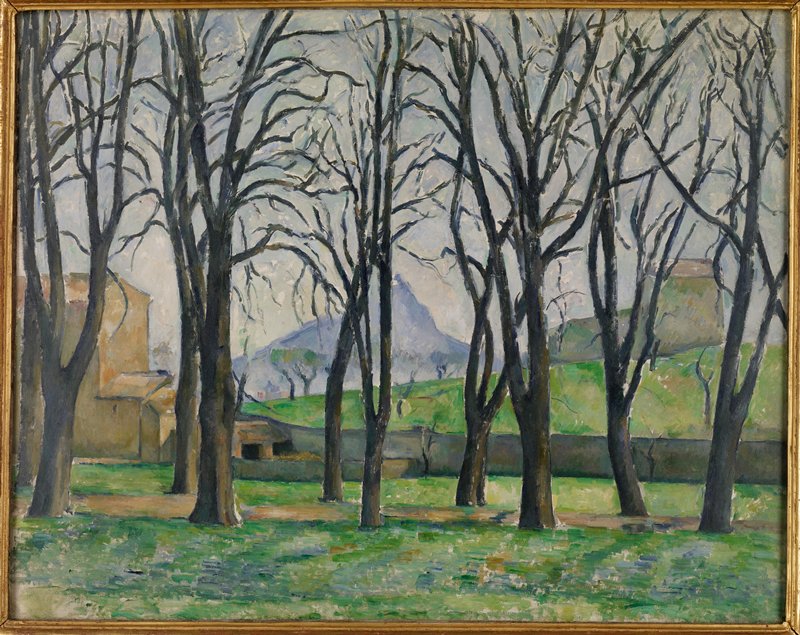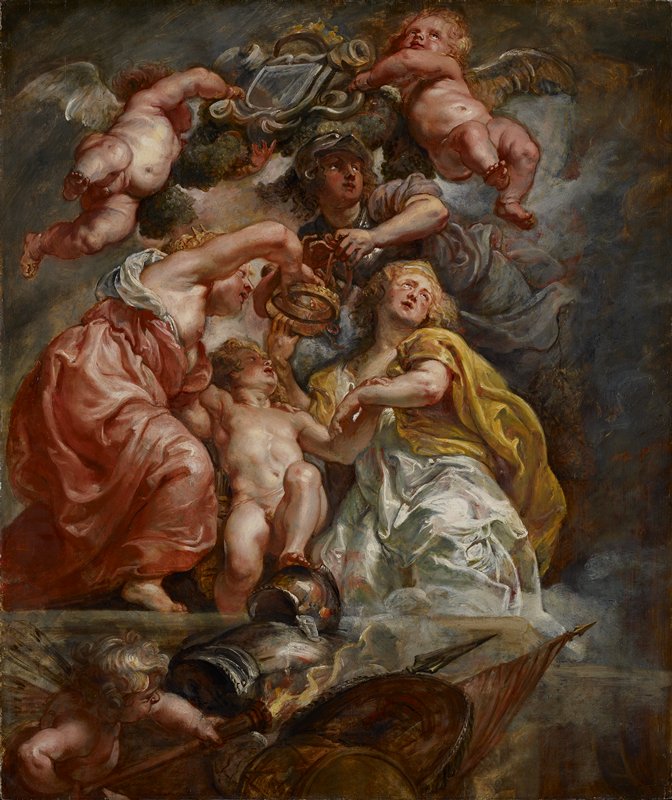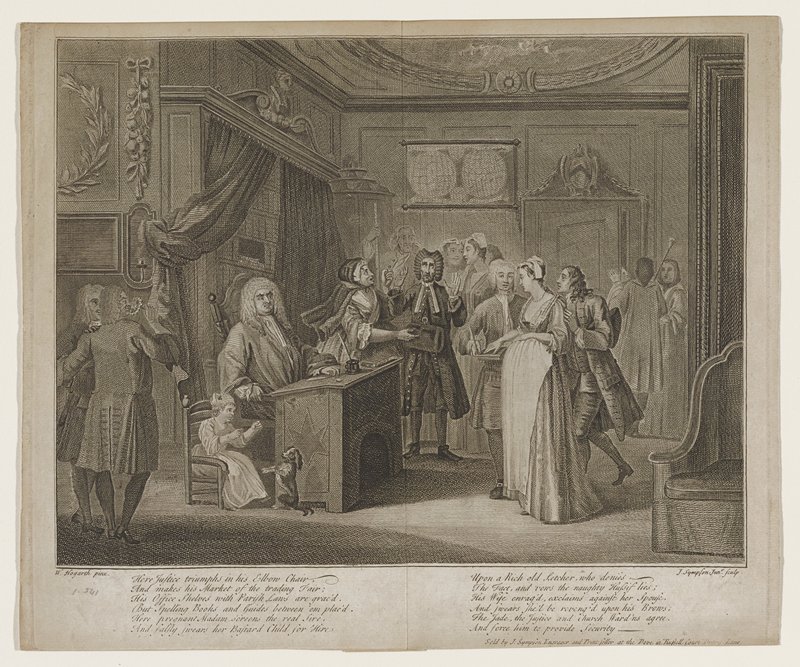
 William Hogarth잉글랜드, 1697–1764
Untitled
볼 수 있나요?
현재 전시하지 않습니다
〈Untitled〉는 지금 어디에 있나요? 소장처: 미니애폴리스 미술관, 미니애폴리스. 현재 전시하지 않습니다. 확인일 2026년 11월 2일.

미니애폴리스, 미국
소장품이지만 현재 전시하지 않습니다.
- 확인일
- 이 상태가 시작된 날짜
- 출처
- 미술관
상세 정보
- 소장품 번호
- X2013.8
목록에 등록됨
출처
- 미니애폴리스 미술관
- 이미지: 미니애폴리스 미술관 — public domain
William Hogarth의 생애 속 이 작품
생애 전체 보기1712–1764 · 작업 장소
London
1727 – 28 May 1728
A lawsuit against the weaver Morris: “an engraver, and no painter”
In 1727 the tapestry worker Joshua Morris commissioned from Hogarth a design for “The Element of Earth”, but on hearing that he was “an engraver, and no painter” refused the finished work. Hogarth sued him in the Westminster court and won: judgment was given in his favour on 28 May 1728.
until 1728
Initiated as a Freemason
Before 1728 Hogarth was initiated as a Freemason in the lodge at the Hand and Apple Tree Tavern in Little Queen Street, and later belonged to the Carrier Stone Lodge and the Grand Stewards’ Lodge; for the latter he designed the “Hogarth Jewel”, the badge of the Lodge’s Master (the original is now in storage and a replica is worn by the present Master). Freemasonry is also a theme of “Night”, the fourth print of the “Four Times of the Day”.
23 March 1729
A secret wedding to Jane Thornhill
Not hoping for Sir James’s consent — he saw the match as unequal, Hogarth being a rather obscure artist then — William and Jane married in secret at Paddington Church. Jane and her mother helped to reconcile him with his father-in-law: they hung the first paintings of “A Harlot’s Progress” in his house, and on learning the artist’s name Sir James admitted that a man who could produce such pictures could also keep a wife without a dowry.
1735
Founds the St Martin’s Lane Academy
In 1735 Hogarth founded the St Martin’s Lane Academy in London — in essence a drawing studio that grew out of a circle of painters, draughtsmen and engravers who met at Slaughter’s coffee house on St Martin’s Lane. It became a forerunner of the Royal Academy of Arts and spread new artistic ideas in England.
25 June 1735
“Hogarth’s Act”: copyright for engravings
When the success of the two series produced numerous pirated copies, Hogarth lobbied Parliament for a law protecting engravers: the Engravers’ Copyright Act, known as “Hogarth’s Act”, became law on 25 June 1735 — the first copyright law to cover visual works and to recognise the authorial rights of an individual artist.