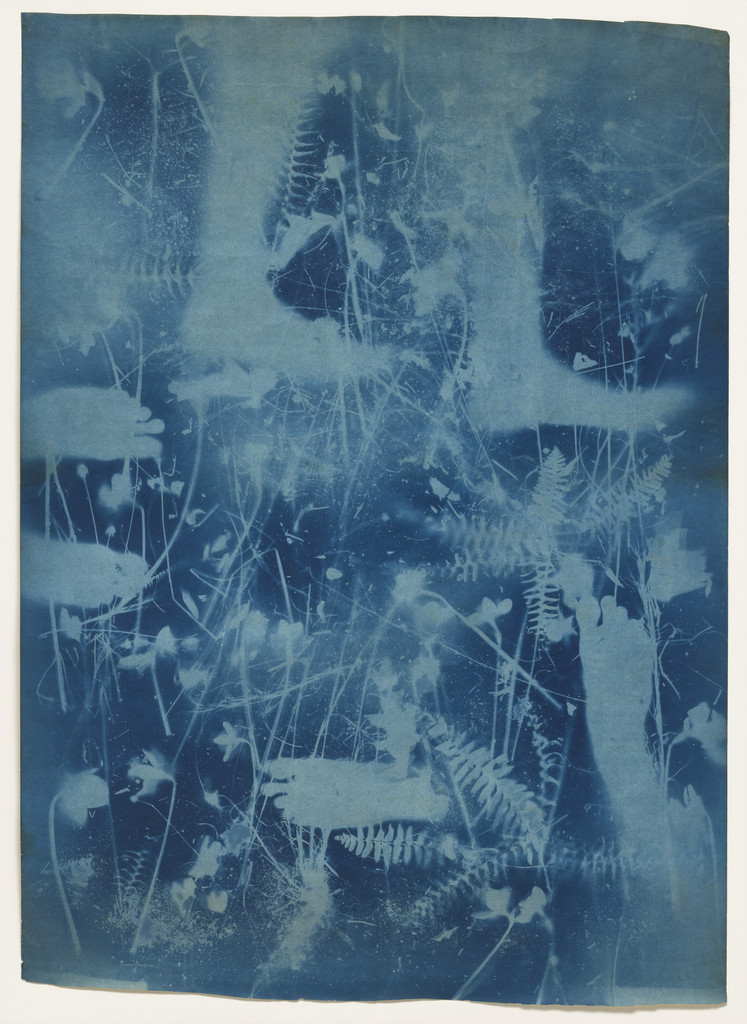
Robert Rauschenberg미국, 1925–2008
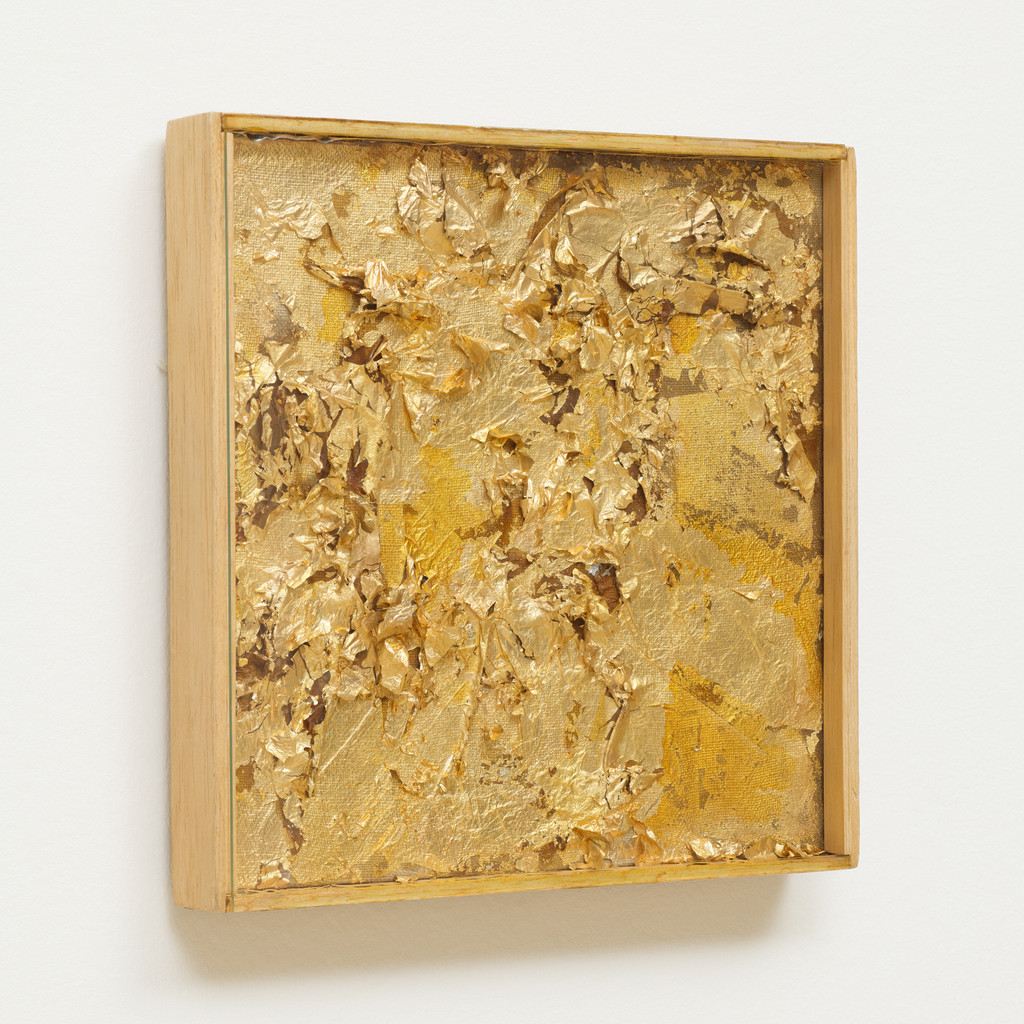
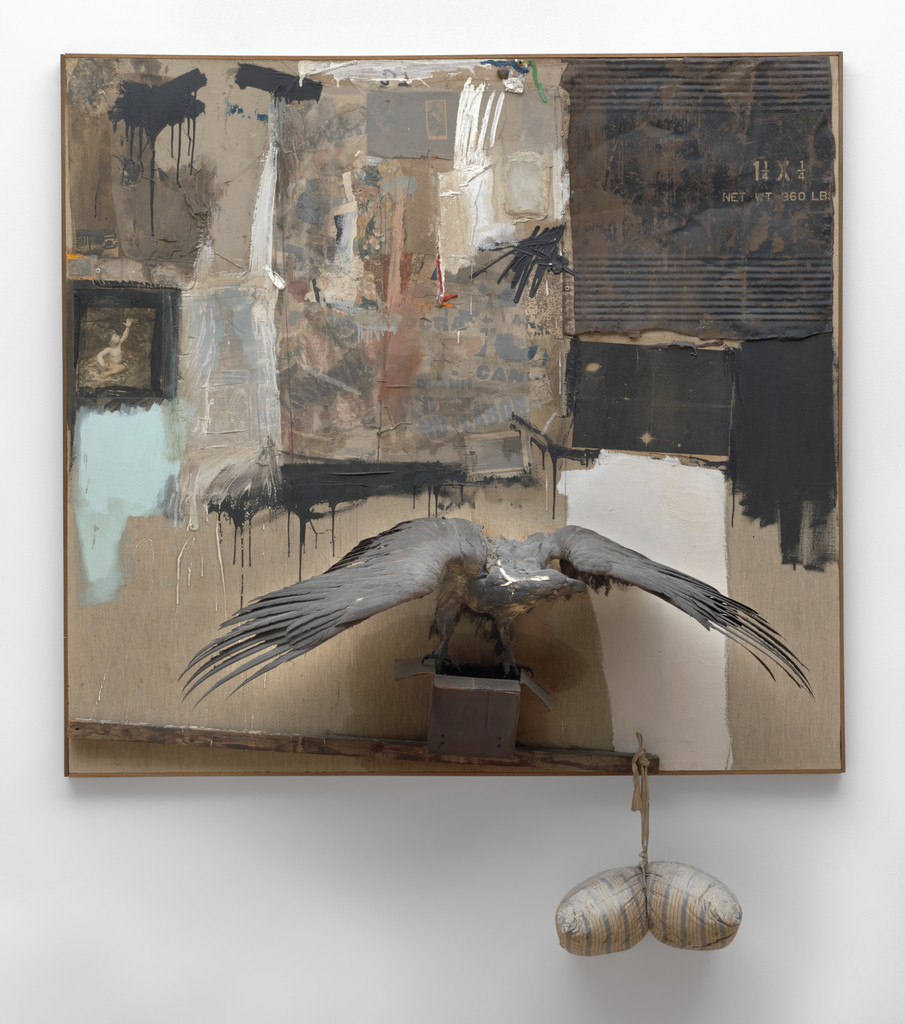
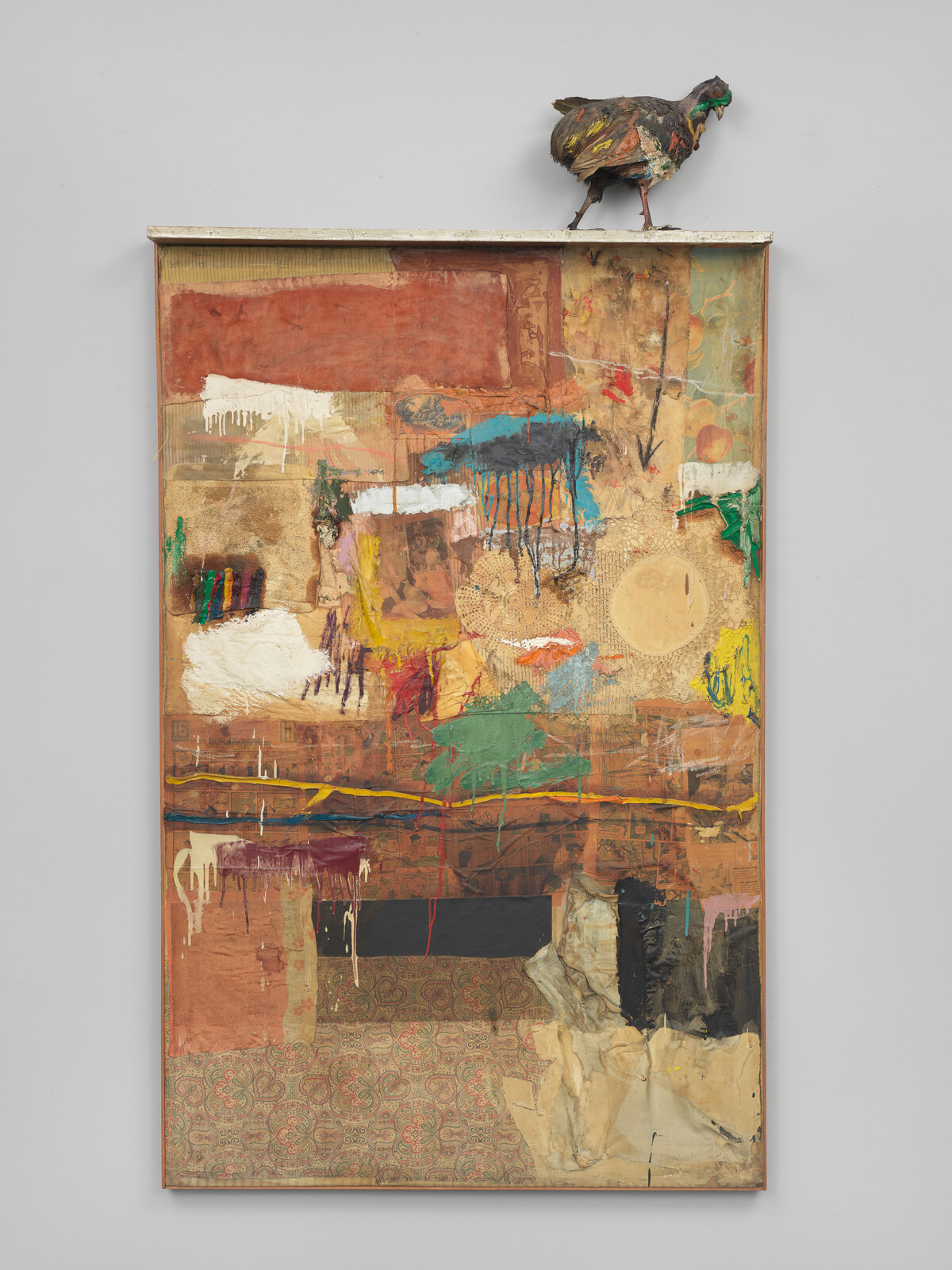
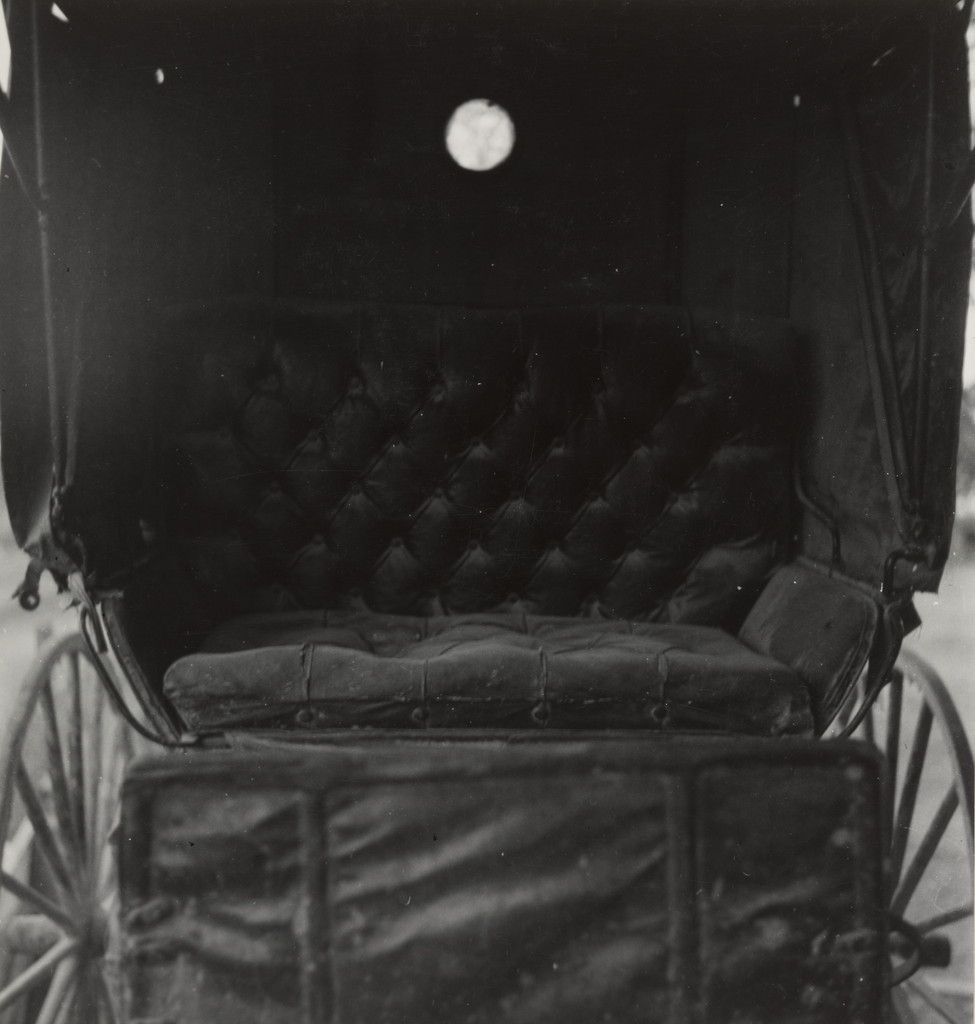
Untitled
볼 수 있나요?
현재 전시하지 않습니다
〈Untitled〉는 지금 어디에 있나요? 소장처: 내셔널 갤러리 오브 아트, 워싱턴 D.C. 현재 전시하지 않습니다. 확인일 2026년 11월 9일.

워싱턴 D.C., 미국
소장품이지만 현재 전시하지 않습니다.
- 확인일
- 이 상태가 시작된 날짜
- 출처
- 미술관
상세 정보
- 소장품 번호
- 1985.48.35
그림에 담긴 것
목록에 등록됨
출처
- 내셔널 갤러리 오브 아트
- 이미지: 내셔널 갤러리 오브 아트 — © the artist or rights holder
Robert Rauschenberg의 생애 속 이 작품
생애 전체 보기autumn 1970
Moves to Captiva for good
From the autumn of 1970 the Captiva house became Rauschenberg's permanent home and studio. The first works made there were the “Cardboards” (1971–72) and “Early Egyptians” (1973–74) series, from locally sourced cardboard and sand: instead of urban imagery he now favoured the natural fibres of fabric and paper.
1970
Sets up Change, Inc. to help artists
Rauschenberg created Change, Inc., a programme awarding one-time emergency grants of up to $1,000 to visual artists in financial need.
1970
Helps create the Pepsi Pavilion at Expo '70 in Osaka
Rauschenberg took part in creating the Pepsi Pavilion for the 1970 World Exposition in Osaka; the opening was directed by the choreographer and artist Remy Charlip.
1973
The Scull auction and the fight for artists' royalties
In 1973 the taxi baron Robert Scull sold Rauschenberg's paintings “Thaw” and “Double Feature”, bought for $900 and $2,500, for $85,000 and $90,000 at Sotheby Parke Bernet. The artist took up the fight for resale royalties for artists (droit de suite), lobbying the US Congress for a law.