Piet Mondrian네덜란드, 1872–1944
Study for a Composition
볼 수 있나요?
현재 전시하지 않습니다
〈Study for a Composition〉는 지금 어디에 있나요? 소장처: 시카고 미술관, 시카고. 현재 전시하지 않습니다. 확인일 2026년 11월 2일.

시카고, 미국
소장품이지만 현재 전시하지 않습니다.
- 확인일
- 이 상태가 시작된 날짜
- 출처
- 미술관
작품 소개
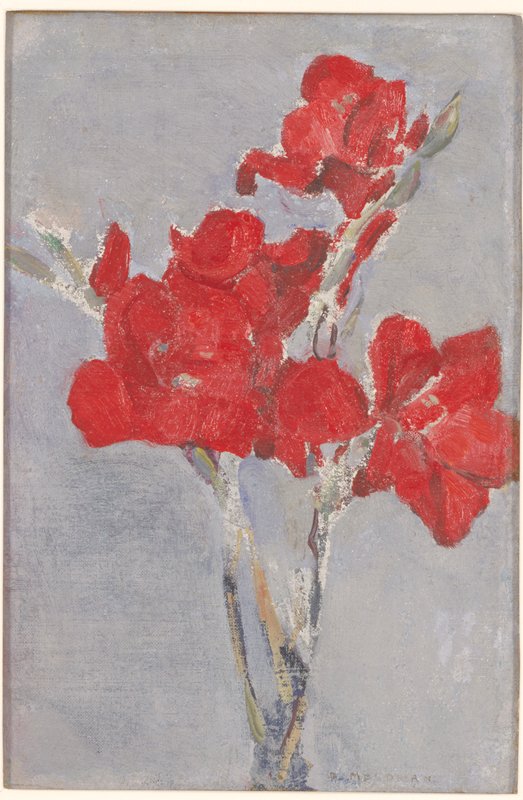
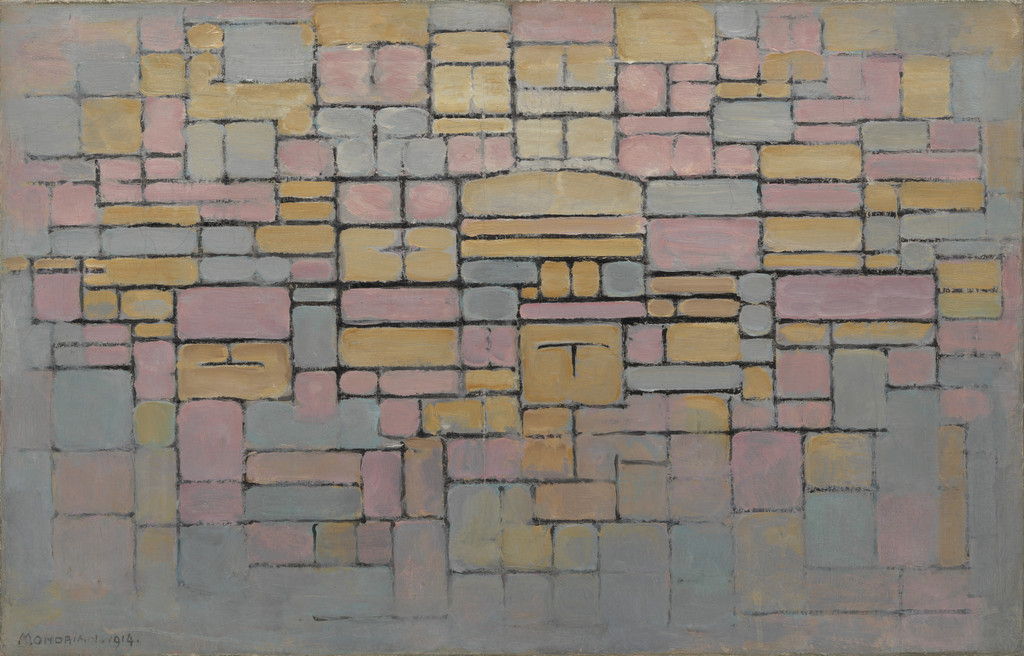
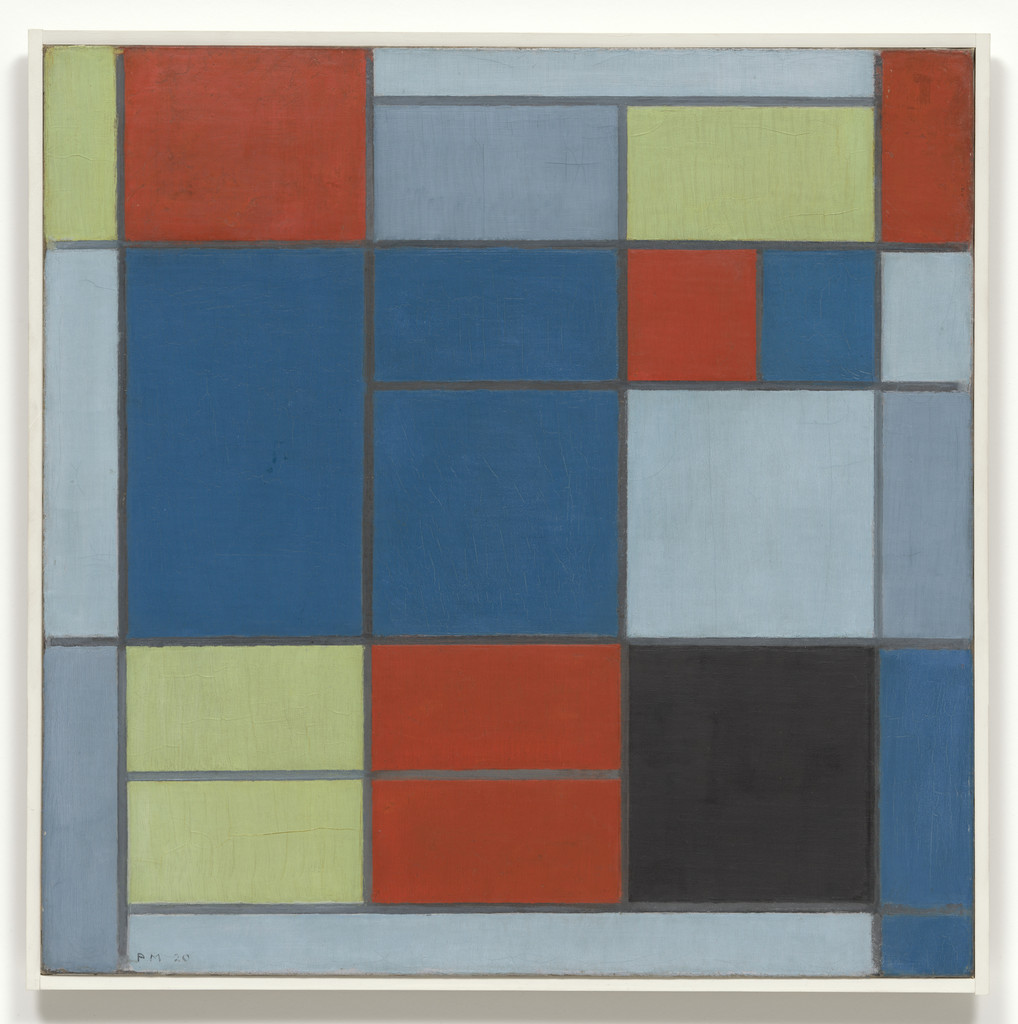
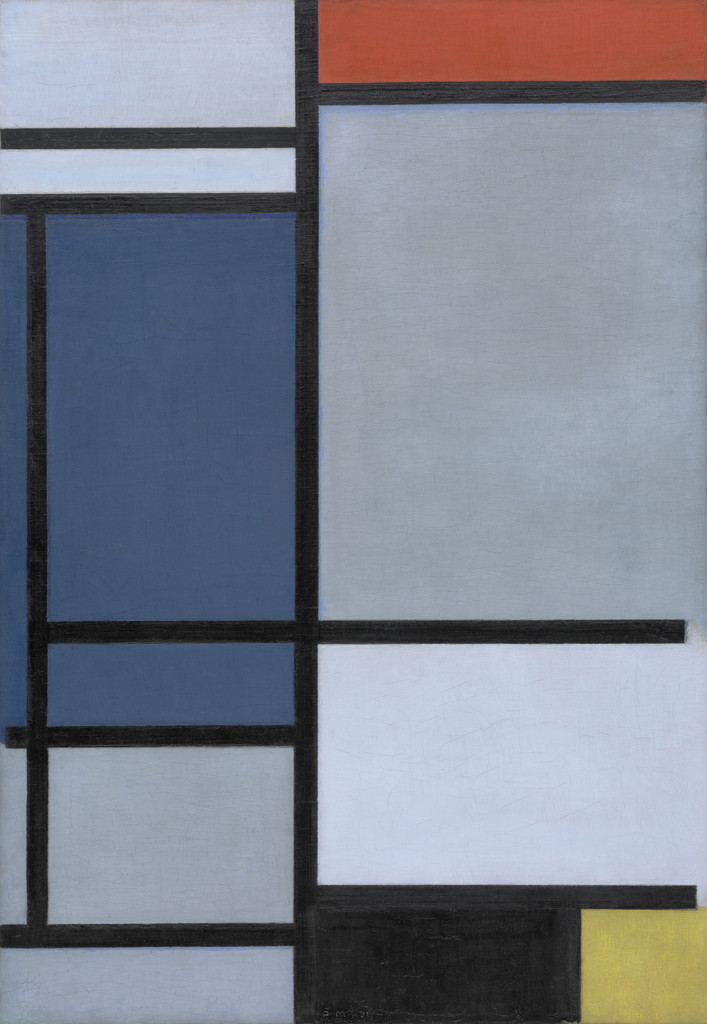
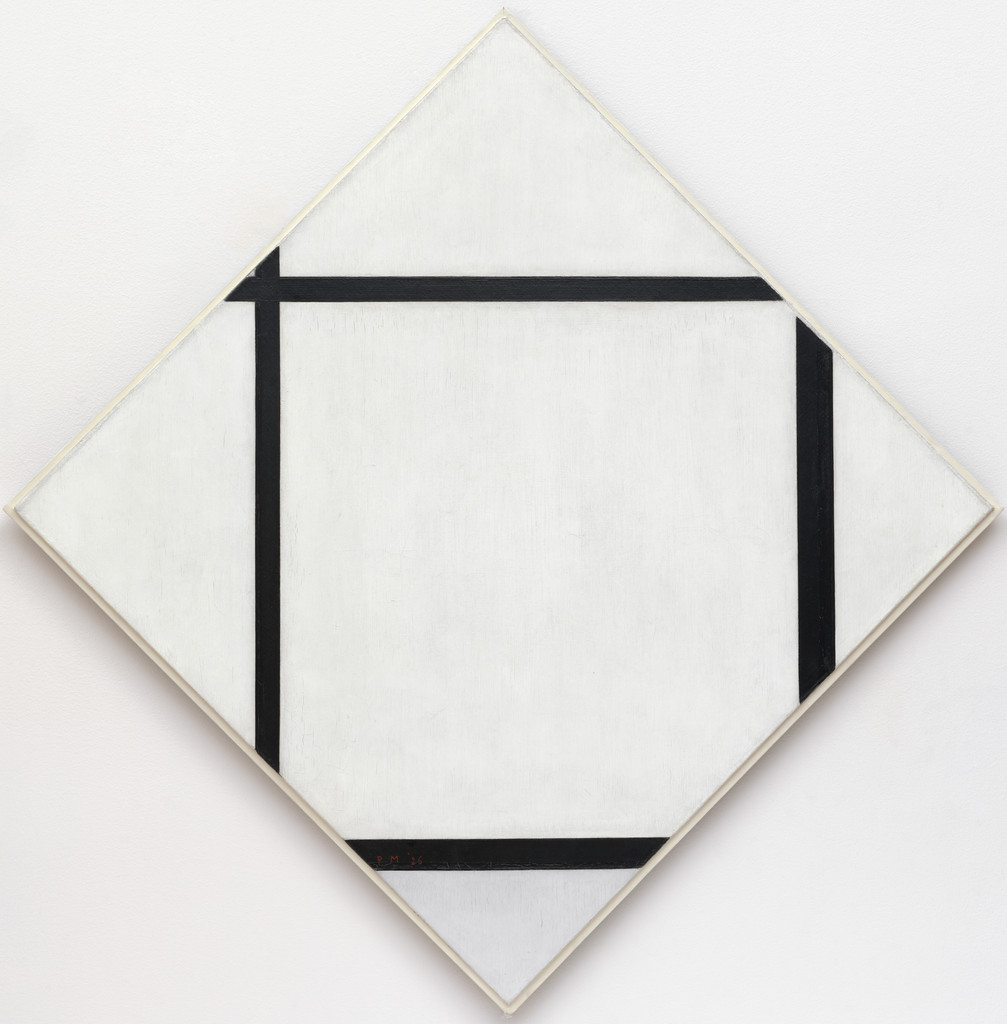
In 1916, after a long search for an entirely new visual vocabulary to represent the physical world, Piet Mondrian arrived at a fully abstract style. He reduced bridges, churches, rivers, trees, and more to a series of horizontal and vertical black lines enclosing fields of unmixed red, blue, and yellow as well as white, black, and gray. This artistic idiom, eventually called Neoplasticism, removed naturalism from painting to reveal the essence of visual forms and provide viewers with a transcendental experience.
계속 읽기
While Mondrian’s abstractions may seem simple, he worked hard to achieve the dynamic yet harmonious balance between line and color. He labored over the location, spacing, and thickness of every line, making numerous charcoal sketches both on paper and directly on the canvas. Although not immediately related to any finished painting, Study for a Composition shows the artist’s obsession with the density and placement of line and the number, size, and location of color fields. Here, he collaged red and blue papers to the sheet to examine their weight and position in relation to other elements. This work is the only known surviving study by Mondrian with colored collage elements.
시카고 미술관CC BY 4.0
상세 정보
- 소장품 번호
- 2013.984
목록에 등록됨
출처
- 시카고 미술관
- 이미지: 시카고 미술관 — CC0
Piet Mondrian의 생애 속 이 작품
생애 전체 보기1919–1938
Return to Paris
In 1919 Mondrian left the Netherlands for Paris for the second and last time and at once turned to his studio: to hide its flaws he tacked large single-colour placards to the walls, accented by compositions of smaller coloured paper rectangles. From then on, periods of painting alternated with experiments in regrouping the papers on the walls.
1930s
Double lines, influenced by Marlow Moss
In the 1930s Mondrian began to use thinner and double lines more often, punctuated by a few small coloured forms; the double line, in which he saw a new dynamism, was influenced by the work of his friend and contemporary Marlow Moss.
1938
Moves to London to escape advancing fascism
In September 1938 Mondrian left Paris in the face of advancing fascism and moved to London (Hampstead); many canvases begun in Paris or London were finished only months or years later in Manhattan.
1939
Dancing in Camden Town
Living in North London, Mondrian would stroll to Camden Town to dance at the Camden Palace or the Bedford; going out dancing had been his favourite evening pastime since his Amsterdam days, contrary to the myth of the recluse.
23 September 1940
Sailing from Liverpool to New York
After the Netherlands were invaded and Paris fell, Mondrian left London and on 23 September 1940 sailed from Liverpool aboard the Cunard White Star liner RMS Samaria for New York, where he remained until his death.
autumn 1943
His last studio on East 59th Street
In the autumn of 1943 Mondrian moved into his second and final Manhattan studio, painted the walls the same off-white as his easel and made furniture from orange and apple crates; he said that the eight large compositions of coloured paper on the walls made it the best space he had ever lived in.