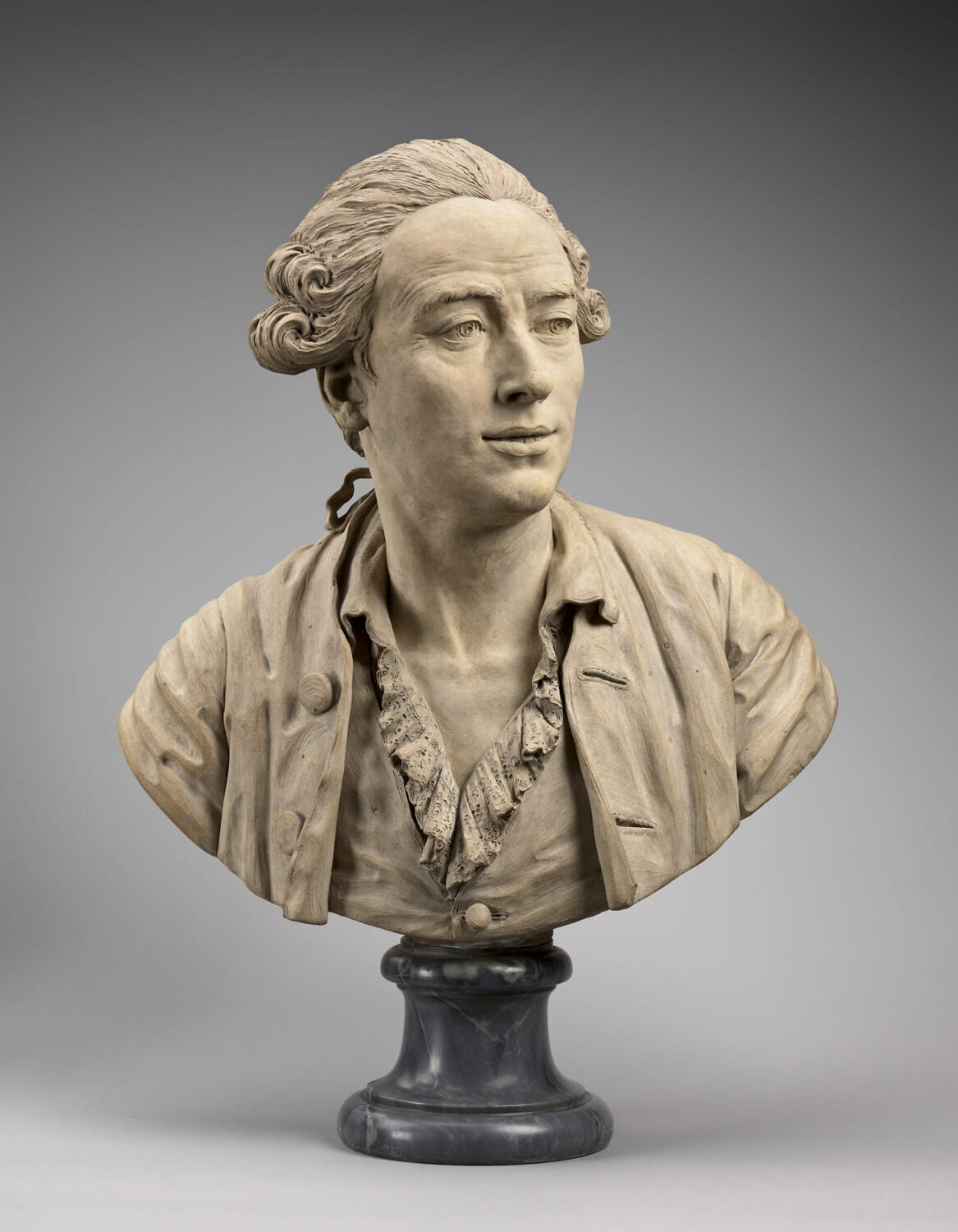
Augustin Pajou프랑스, 1730–1809
Minerva
볼 수 있나요?
네, 현재 전시 중입니다
〈Minerva〉는 지금 어디에 있나요? J. 폴 게티 미술관, Museum South Pavilion, Atrium, 로스앤젤레스. 네, 현재 전시 중입니다. 확인일 2026년 10월 5일.
운영 종료· 내일 AM 10:00 개관
관람객에게 공개되어 있습니다.
- 확인일
- 이 상태가 시작된 날짜
- 출처
- 미술관
조각 소개
Minerva advances to defend the arts and sciences in Augustin Pajou’s marble figure of about 1775–1785, in the J. Paul Getty Museum, Los Angeles. Emblems at her feet stand for medicine, music, painting, sculpture and justice. The Roman goddess of wisdom and warfare suited a collector with both artistic and political interests. Scholars think the statue first belonged to Duke Étienne-François de Choiseul, a diplomat and Louis XV’s secretary for war. He collected paintings, prints and small sculptures, including at least two other works by Pajou. On view in the South Pavilion atrium.
미술관의 설명
Minerva, the Roman goddess of wisdom and war, strides forward to protect Painting, Sculpture, Music, Justice, and Medicine, the attributes of which lie at her feet. Augustin Pajou's midsize marble statues were generally intended for wealthy collectors. Scholars believe this piece was originally owned by Duke Étienne-François de Choiseul, an important member of the French aristocracy and a collector of paintings and prints. Choiseul also had a predilection for refined cabinet sculptures, like Pajou's figure of Minerva, and owned at least two other works by the sculptor. Pajou's accomplished rendering of antiquity, very much consistent with Enlightenment taste in the late 1700s, undoubtedly appealed to Choiseul. The subject of the statuette aptly reflects Choiseul's love of art, his diplomatic skills, and his position as secretary of state for war under the French king Louis XV.
J. 폴 게티 미술관
상세 정보
- 소장품 번호
- 98.SA.157
목록에 등록됨
출처
- J. 폴 게티 미술관
- 이미지: J. 폴 게티 미술관 — Open Content