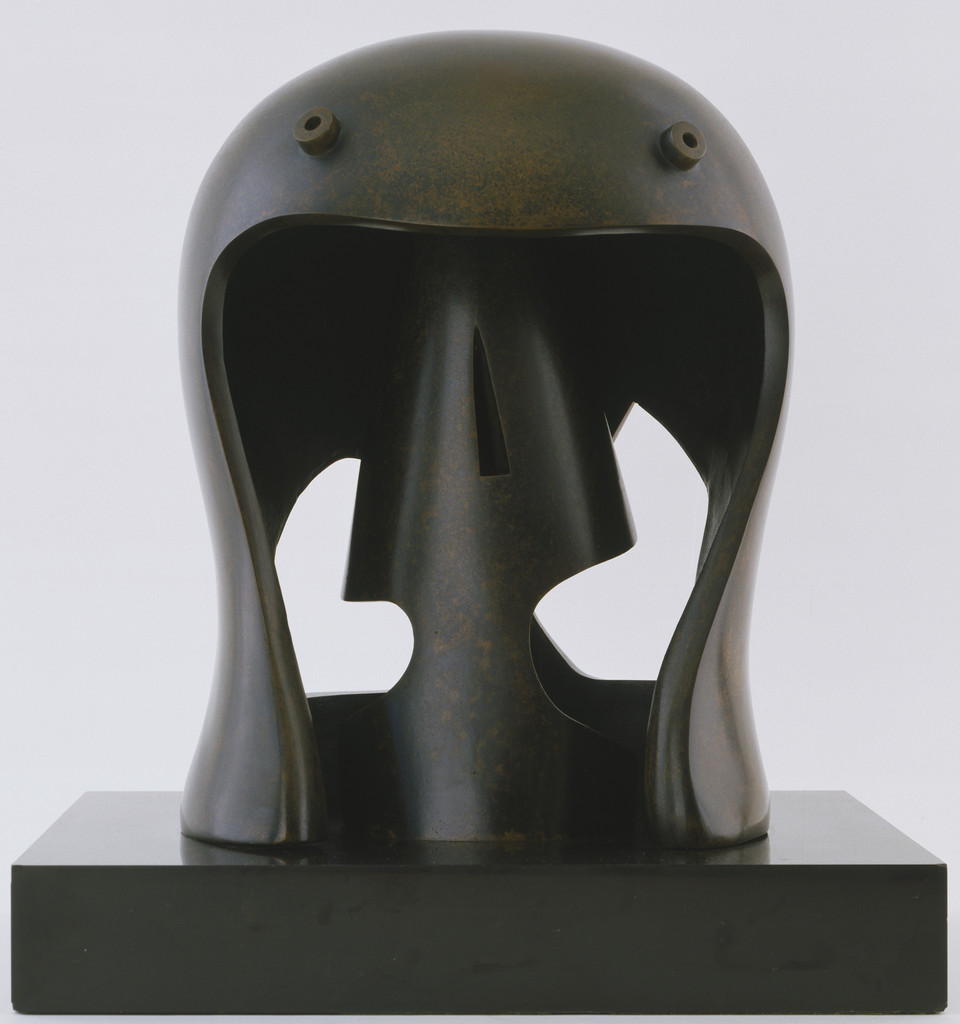
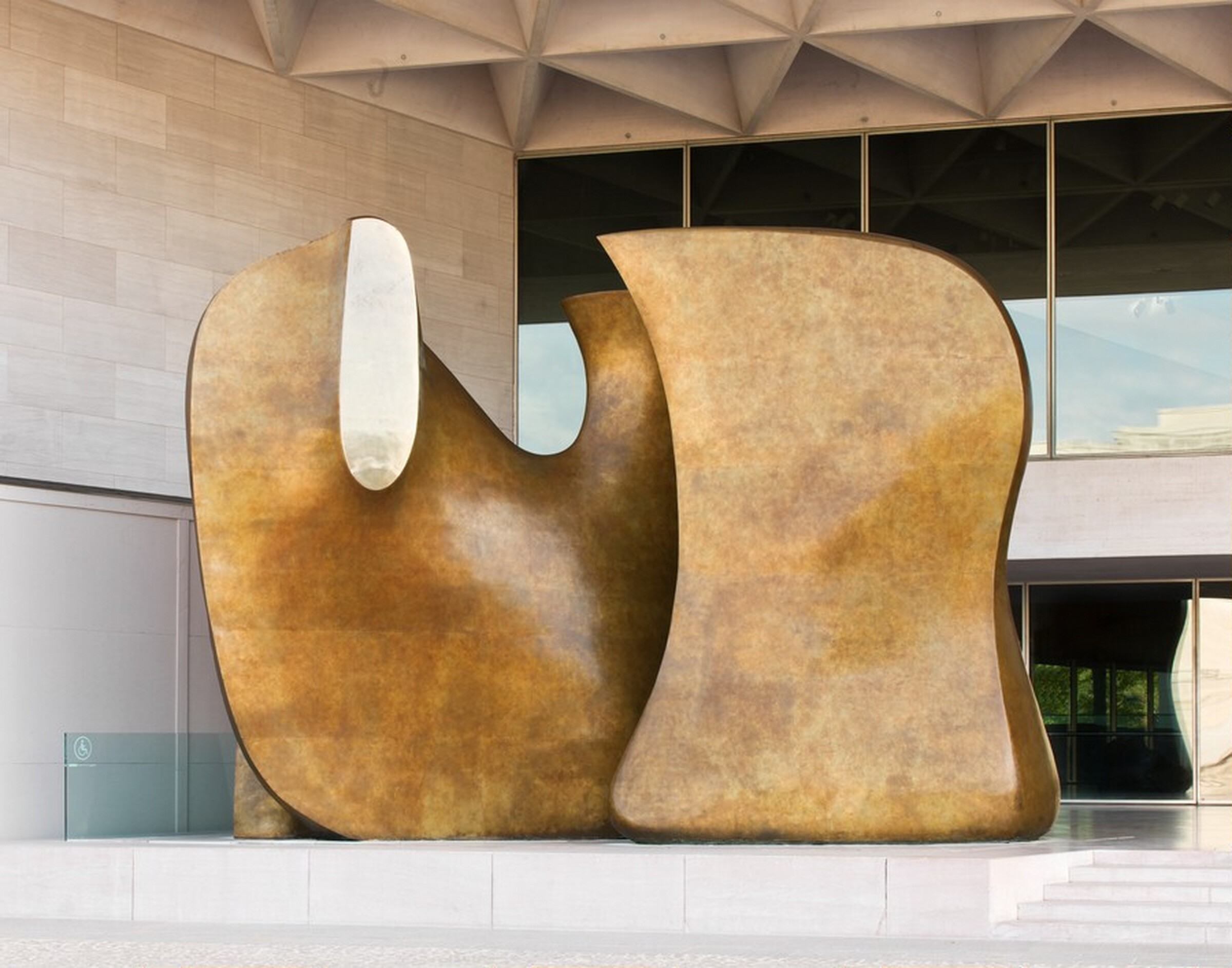
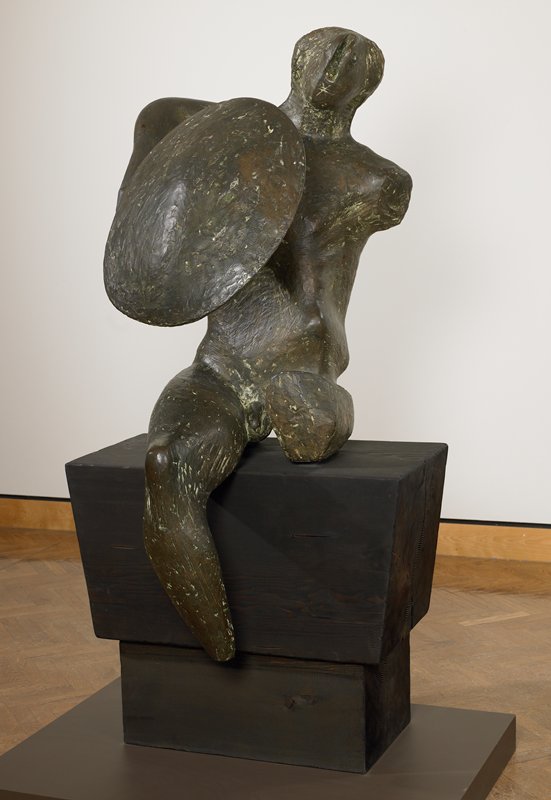
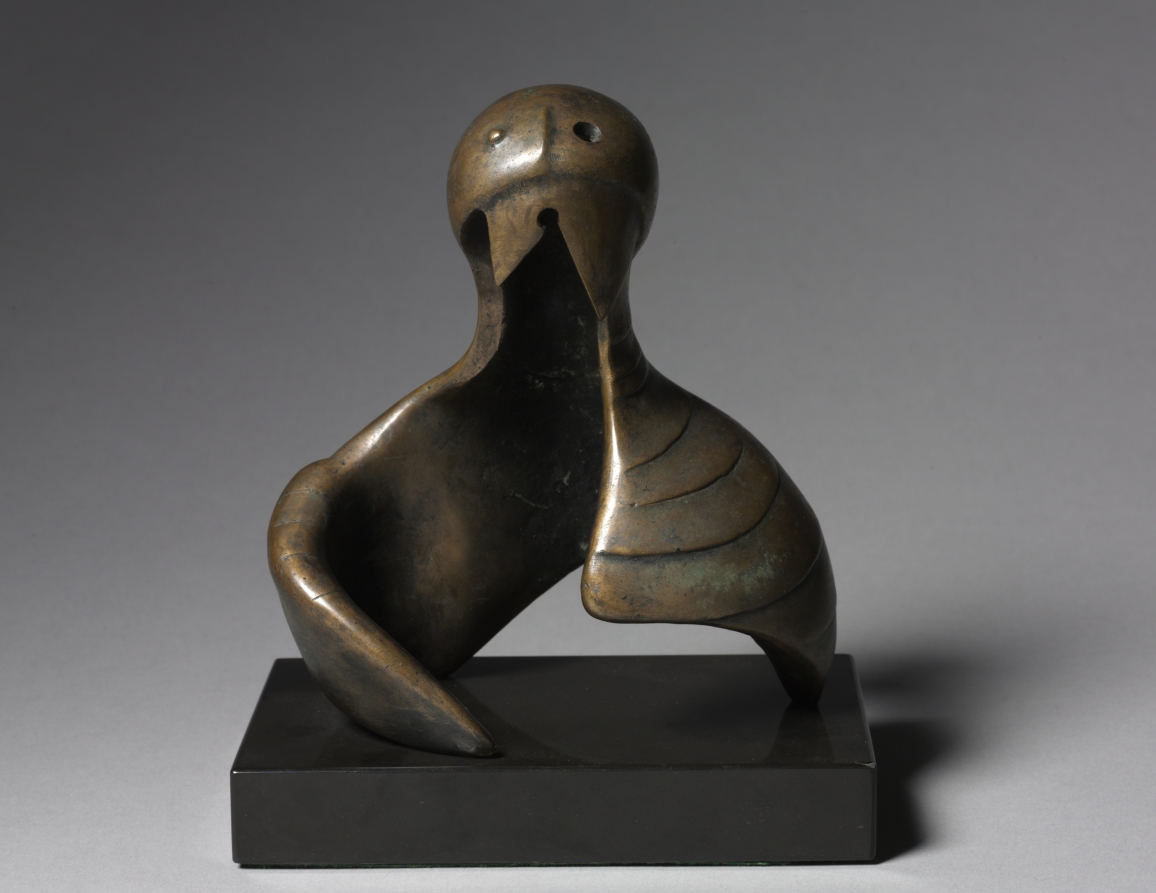
Henry Moore잉글랜드, 1898–1986
Figure
볼 수 있나요?
현재 전시하지 않습니다
〈Figure〉는 지금 어디에 있나요? 소장처: 시카고 미술관, 시카고. 현재 전시하지 않습니다. 확인일 2026년 11월 2일.

시카고, 미국
소장품이지만 현재 전시하지 않습니다.
- 확인일
- 이 상태가 시작된 날짜
- 출처
- 미술관
조각 소개
Henry Moore’s seven-decade artistic career began with his early interest in non-Western art. Initially inspired by the African, Oceanic, and especially Pre-Columbian art that he saw at the British Museum in London, Moore, like Constantin Brâncusi, became a passionate proponent of direct carving, a technique that allowed the inherent qualities of materials to dictate a sculpture’s final form. In the 1930s, Moore merged his interest in non-Western art with aspects of abstraction and Surrealism, which he encountered during his regular trips to Paris. Works like Figure reveal Moore’s engagement with the organic, biomorphic forms used by contemporary Surrealist artists such as Jean Arp, Alberto Giacometti, and Joan Miró.
시카고 미술관CC BY 4.0
상세 정보
- 소장품 번호
- 1950.1521
그림에 담긴 것
목록에 등록됨
출처
- 시카고 미술관
- 이미지: 시카고 미술관 — © the artist or rights holder
Henry Moore의 생애 속 이 작품
생애 전체 보기1929–1940
A studio in Hampstead, “a nest of gentle artists”
Soon after the wedding the couple moved to a studio at 11a Parkhill Road in Hampstead, joining a colony of avant-garde artists: Hepworth and her husband Ben Nicholson lived around the corner, along with Naum Gabo, Roland Penrose, Cecil Stephenson and the critic Herbert Read, who called the area “a nest of gentle artists”.
1930s
Paris: Picasso, Braque, Arp, Giacometti
Moore, Hepworth and other members of the Seven and Five Society moved steadily towards abstraction, partly through frequent trips to Paris and contact with Picasso, Braque, Jean Arp and Alberto Giacometti.
1936
The London International Surrealist Exhibition
In 1936 Moore joined the group of surrealist artists founded by Roland Penrose and served as honorary treasurer of the organising committee of the London International Surrealist Exhibition.
1937–1939
The row over “Mother and Child” in Penrose’s garden
In 1937 Roland Penrose bought an abstract stone Mother and Child from Moore and put it in the front garden of his Hampstead house. Neighbours objected and the local press campaigned against it for two years; at this time Moore was gradually moving from direct carving to bronze casting.
1938
Meeting Kenneth Clark
Moore met Kenneth Clark for the first time; Clark became an unlikely but influential champion of his work and, through his place on the Arts Council of Great Britain, secured exhibitions and commissions for him.
1939
Gives up teaching
When the Second World War broke out Chelsea School of Art was evacuated to Northampton and Moore resigned his teaching post.