ART WIKI37,788 点が展示中
地図コレクション作家美術館展覧会ジャーナル
ログイン

ART WIKI

作品の展示場所と開館時間。

所蔵館:J・ポール・ゲティ美術館、アムステルダム国立美術館、イェール・ブリティッシュ・アート・センター、イエール大学美術館、ヴィクトリア&アルバート博物館、エルミタージュ美術館、クーパー・ヒューイット国立デザイン博物館、クリーブランド美術館、ゲティ・ヴィラ、コペンハーゲン国立美術館、シカゴ美術館、スミソニアン・アメリカ美術館、スミソニアン国立アジア美術館、トレチャコフ美術館、ナショナル・ギャラリー、ニューヨーク近代美術館、ハーシュホーン博物館と彫刻の庭、ハーバード美術館群、プーシキン美術館、ホイットニー美術館、ミネアポリス美術館、メトロポリタン美術館、ルーヴル美術館、ロシア美術館、国立肖像画美術館、ロシア博物館資料国家目録(274館)、Europeana(19館)、ウィキデータ(44館)、Paris Musées(12館)、Joconde(フランス文化省の美術館データベース)(495館)、the Catalogo generale dei Beni Culturali of Italy's Ministry of Culture(25館)。画像の権利は各権利者に帰属します。

ご案内

  • 地図
  • 検索
  • コレクション
  • 名作
  • 盗難・所在不明の作品
  • 作品の展示状況を埋め込む
  • 現在展示中
  • 作家

その他

  • 美術館・ギャラリー
  • 展覧会
  • ジャーナル
  • データの出どころ
  • プライバシーとCookie
  • ART WIKIについて
  • 利用規約
ホーム地図カタログ

カタログ

版画

880,909点の作品 (254館の所蔵)現在展示中 639点解除

/
技法
  • すべて
  • エッチング130,252
  • リトグラフ89,179
  • エングレーヴィング63,364
  • 木版画56,703
  • ドライポイント9,308
  • シルクスクリーン8,459
  • アクアチント7,452
  • 写真製版6,933
  • メゾチント6,751
  • リノカット2,658
The Bullfight, plates 1-33 (La Tauromaquia); First edition, 1816, Goya, 1816Francisco de GoyaThe Bullfight, plates 1-33 (La Tauromaquia); First edition, 18161816メトロポリタン美術館
The garroted man (El agarrotado), Goya, ca. 1775–78 (published 1868)Francisco de GoyaThe garroted man (El agarrotado)ca. 1775–78 (published 1868)メトロポリタン美術館
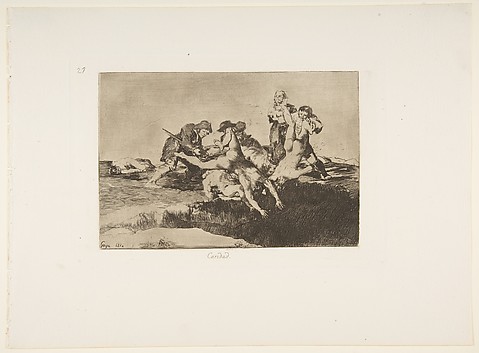
Plate 27 from "The Disasters of War" (Los Desastres de la Guerra): 'Charity' (Caridad), Goya, 1810 (published 1863)Francisco de GoyaPlate 27 from "The Disasters of War" (Los Desastres de la Guerra): 'Charity' (Caridad)1810 (published 1863)メトロポリタン美術館
Plate 9 from "La Tauromaquia": A Spanish knight kills the bull after having lost his horse, Goya, 1816Francisco de GoyaPlate 9 from "La Tauromaquia": A Spanish knight kills the bull after having lost his horse1816メトロポリタン美術館
Plate 50 from "Los Caprichos": The Chinchillas (Los Chinchillas), Goya, 1799Francisco de GoyaPlate 50 from "Los Caprichos": The Chinchillas (Los Chinchillas)1799メトロポリタン美術館
Plate 15 from "The Disasters of War" (Los Desastres de la Guerra): And there is nothing to be done (Y no hai remedio), Goya, 1810 (published 1863)Francisco de GoyaPlate 15 from "The Disasters of War" (Los Desastres de la Guerra): And there is nothing to be done (Y no hai remedio)1810 (published 1863)メトロポリタン美術館
Isabel de Bourbon on horseback, after Velázquez, Goya, 1778Francisco de GoyaIsabel de Bourbon on horseback, after Velázquez1778メトロポリタン美術館
Plate 1 from "Los Caprichos": Self-portrait, Goya, 1799Francisco de GoyaPlate 1 from "Los Caprichos": Self-portrait1799メトロポリタン美術館
Plate 8 from "The Disasters of War" (Los Desastres de la Guerra): 'It always happens' (Siempre sucede), Goya, 1810 (published 1863)Francisco de GoyaPlate 8 from "The Disasters of War" (Los Desastres de la Guerra): 'It always happens' (Siempre sucede)1810 (published 1863)メトロポリタン美術館
Plate 53  from "The Disasters of War" (Los Desastres de la Guerra): 'There was nothing to be done and he died' (Espiró sin remedio), Goya, 1811–12 (published 1863)Francisco de GoyaPlate 53 from "The Disasters of War" (Los Desastres de la Guerra): 'There was nothing to be done and he died' (Espiró sin remedio)1811–12 (published 1863)メトロポリタン美術館
Plate 56 from "The Disasters of War" (Los Desastres de la Guerra): 'To the cemetery' (Al cementerio), Goya, 1811–12 (published 1863)Francisco de GoyaPlate 56 from "The Disasters of War" (Los Desastres de la Guerra): 'To the cemetery' (Al cementerio)1811–12 (published 1863)メトロポリタン美術館
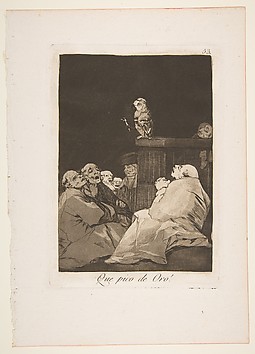
Plate 53 from "Los Caprichos": What a golden beak! (Que pico de Oro!), Goya, 1799Francisco de GoyaPlate 53 from "Los Caprichos": What a golden beak! (Que pico de Oro!)1799メトロポリタン美術館
Plate 57 from "Los Caprichos": The filiation (La filiacion), Goya, 1799Francisco de GoyaPlate 57 from "Los Caprichos": The filiation (La filiacion)1799メトロポリタン美術館
Plate 17 of "La Tauromaquia": The Moors use donkeys as a barrier to defend themselves against the bull whose horns have been tipped with balls, Goya, 1816Francisco de GoyaPlate 17 of "La Tauromaquia": The Moors use donkeys as a barrier to defend themselves against the bull whose horns have been tipped with balls1816メトロポリタン美術館
Plate 65  from "The Disasters of War" (Los Desastres de la Guerra): 'What is this hubbub?' (Qué alboroto es este?), Goya, 1814–15  (published 1863)Francisco de GoyaPlate 65 from "The Disasters of War" (Los Desastres de la Guerra): 'What is this hubbub?' (Qué alboroto es este?)1814–15 (published 1863)メトロポリタン美術館
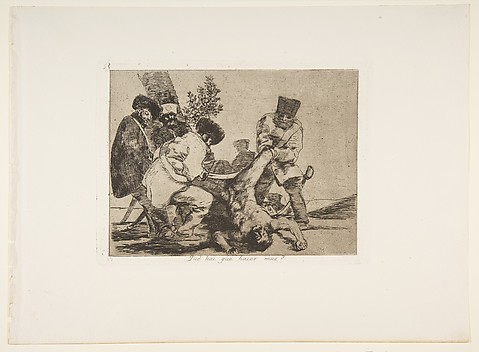
Plate 33 from "The Disasters of War" (Los Desastres de La Guerra): 'What more can be done?' (Qué hai que hacer mas?), Goya, 1810 (published 1863)Francisco de GoyaPlate 33 from "The Disasters of War" (Los Desastres de La Guerra): 'What more can be done?' (Qué hai que hacer mas?)1810 (published 1863)メトロポリタン美術館
Plate 36 from "Los Caprichos": A bad night (Mala noche), Goya, 1881–86Francisco de GoyaPlate 36 from "Los Caprichos": A bad night (Mala noche)1881–86メトロポリタン美術館
Plate 9 from "The Disasters of War" (Los Desastres de la Guerra): 'They don't like to' (No quieren), Goya, 1810 (published 1863)Francisco de GoyaPlate 9 from "The Disasters of War" (Los Desastres de la Guerra): 'They don't like to' (No quieren)1810 (published 1863)メトロポリタン美術館
Plate 27 from "The Disasters of War" (Los Desastres de la Guerra): 'Charity' (Caridad), Goya, 1810Francisco de GoyaPlate 27 from "The Disasters of War" (Los Desastres de la Guerra): 'Charity' (Caridad)1810メトロポリタン美術館
Gaspar de Guzmán, Count Duke of Olivares on horseback, after Velázquez, Goya, 1778Francisco de GoyaGaspar de Guzmán, Count Duke of Olivares on horseback, after Velázquez1778メトロポリタン美術館
Plate 46 from "The Disasters of War" (Los Desastres de la Guerra): 'This is bad' (Esto es malo), Goya, 1810 (published 1863)Francisco de GoyaPlate 46 from "The Disasters of War" (Los Desastres de la Guerra): 'This is bad' (Esto es malo)1810 (published 1863)メトロポリタン美術館
Plate 50 from "The Disasters of War" (Los Desastres de la Guerra): 'Unhappy mother!' (Madre Infeliz!), Goya, 1811–12 (published 1863)Francisco de GoyaPlate 50 from "The Disasters of War" (Los Desastres de la Guerra): 'Unhappy mother!' (Madre Infeliz!)1811–12 (published 1863)メトロポリタン美術館
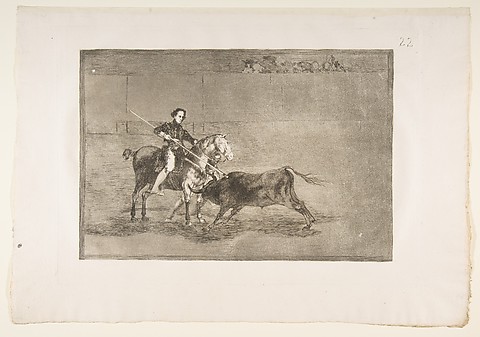
Plate 22 from "La Tauromaquia": Manly courage of the celebrated Pajuelera in [the ring] at Zaragoza, Goya, 1816Francisco de GoyaPlate 22 from "La Tauromaquia": Manly courage of the celebrated Pajuelera in [the ring] at Zaragoza1816メトロポリタン美術館
Plate 52 from "The Disasters of War" (Los Desastres de la Guerra): 'They do not arrive in time' (No llegan á tiempo), Goya, 1811–12 (published 1863)Francisco de GoyaPlate 52 from "The Disasters of War" (Los Desastres de la Guerra): 'They do not arrive in time' (No llegan á tiempo)1811–12 (published 1863)メトロポリタン美術館
Plate 55 from "The Disasters of War" (Los Desastres de la Guerra): 'The worst is to beg' (Lo peor es pedir), Goya, 1811–12 (published 1863)Francisco de GoyaPlate 55 from "The Disasters of War" (Los Desastres de la Guerra): 'The worst is to beg' (Lo peor es pedir)1811–12 (published 1863)メトロポリタン美術館
Plate 37 from "The Disasters of War" (Los Desastres de La Guerra): 'This is worse' (Esto es peor), Goya, 1810 (published 1863)Francisco de GoyaPlate 37 from "The Disasters of War" (Los Desastres de La Guerra): 'This is worse' (Esto es peor)1810 (published 1863)メトロポリタン美術館
Philip IV on horseback, after Velázquez, Goya, 1778Francisco de GoyaPhilip IV on horseback, after Velázquez1778メトロポリタン美術館
Plate 25 from "The Disasters of War" (Los Desastres de la Guerra): 'These too' (Tambien estos), Goya, 1810 (published 1863)Francisco de GoyaPlate 25 from "The Disasters of War" (Los Desastres de la Guerra): 'These too' (Tambien estos)1810 (published 1863)メトロポリタン美術館
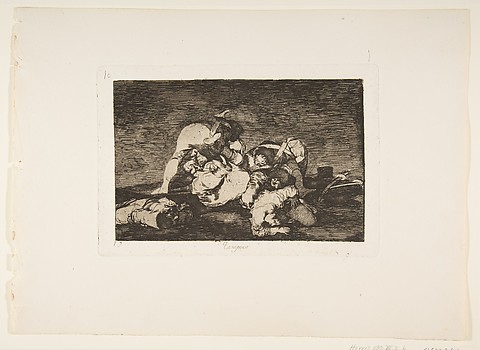
Plate10 from "The Disasters of War" (Los Desastres de la Guerra): Nor [do these] either (Tampoco), Goya, 1810 (published 1863)Francisco de GoyaPlate10 from "The Disasters of War" (Los Desastres de la Guerra): Nor [do these] either (Tampoco)1810 (published 1863)メトロポリタン美術館
Plate 35 from "The Disasters of War" (Los Desastres de La Guerra): 'One Can't Tell Why' (No se puede saber por qué), Goya, ca. 1810 (published 1863)Francisco de GoyaPlate 35 from "The Disasters of War" (Los Desastres de La Guerra): 'One Can't Tell Why' (No se puede saber por qué)ca. 1810 (published 1863)メトロポリタン美術館
Plate 56 from "Los Caprichos": To rise and to fall (Subir y bajar), Goya, 1799Francisco de GoyaPlate 56 from "Los Caprichos": To rise and to fall (Subir y bajar)1799メトロポリタン美術館
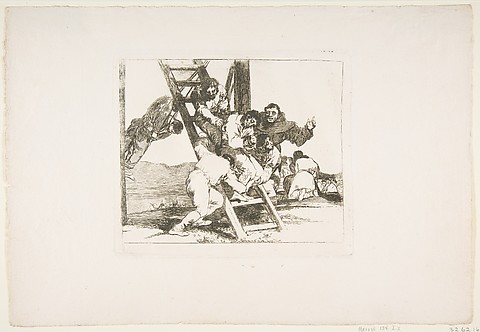
Plate 14 from "The Disasters of War" (Los Desastres de la Guerra): 'It's a Hard Step!' (Duro es el paso!), Goya, ca. 1810Francisco de GoyaPlate 14 from "The Disasters of War" (Los Desastres de la Guerra): 'It's a Hard Step!' (Duro es el paso!)ca. 1810メトロポリタン美術館
Plate 20 from "The Disasters of War" (Los Desastres de la Guerra): 'Get them well, and on to the next' (Curarlos y á otra), Goya, 1810Francisco de GoyaPlate 20 from "The Disasters of War" (Los Desastres de la Guerra): 'Get them well, and on to the next' (Curarlos y á otra)1810メトロポリタン美術館
'Animal Folly' from the 'Disparates' (Follies / Irrationalities), Goya, ca. 1815–19 (published before 1877)Francisco de Goya'Animal Folly' from the 'Disparates' (Follies / Irrationalities)ca. 1815–19 (published before 1877)メトロポリタン美術館
Plate 72 from "The Disasters of War" (Los Desastres de la Guerra): 'The Consequences' (Las resultas), Goya, 1814–15 (published 1863)Francisco de GoyaPlate 72 from "The Disasters of War" (Los Desastres de la Guerra): 'The Consequences' (Las resultas)1814–15 (published 1863)メトロポリタン美術館
The horse abductor, from "The Disparates" (Follies / Irrationalities), Goya, ca. 1815–19 (published 1864)Francisco de GoyaThe horse abductor, from "The Disparates" (Follies / Irrationalities)ca. 1815–19 (published 1864)メトロポリタン美術館
Blind Singer, Goya, Ca. 1824–28 (published second half of the 19th century)Francisco de GoyaBlind SingerCa. 1824–28 (published second half of the 19th century)メトロポリタン美術館
Plate 38 from "The Disasters of War" (Los Desastres de La Guerra): Barbarians! (Bárbaros!), Goya, 1810 (published 1863)Francisco de GoyaPlate 38 from "The Disasters of War" (Los Desastres de La Guerra): Barbarians! (Bárbaros!)1810 (published 1863)メトロポリタン美術館
Plate 30 from "The Disasters of War" (Los Desastres de la Guerra): 'Ravages of War' (Estragos de la guerra), Goya, 1810Francisco de GoyaPlate 30 from "The Disasters of War" (Los Desastres de la Guerra): 'Ravages of War' (Estragos de la guerra)1810メトロポリタン美術館
Plate 10 from "Los Caprichos": Love and death (El amor y la muerte), Goya, 1799Francisco de GoyaPlate 10 from "Los Caprichos": Love and death (El amor y la muerte)1799メトロポリタン美術館
Plate 7 from "La Tauromaquia": Origin of the harpoon or banderillas, Goya, 1816Francisco de GoyaPlate 7 from "La Tauromaquia": Origin of the harpoon or banderillas1816メトロポリタン美術館
'Merry Folly' from the 'Disparates' (Follies / Irrationalities), Goya, ca. 1815–19 (published 1864)Francisco de Goya'Merry Folly' from the 'Disparates' (Follies / Irrationalities)ca. 1815–19 (published 1864)メトロポリタン美術館
Philip III, King of Spain on horseback, after Velázquez, Goya, 1778Francisco de GoyaPhilip III, King of Spain on horseback, after Velázquez1778メトロポリタン美術館
Plate 55 from "Los Caprichos": Until death (Hasta la muerte), Goya, 1799Francisco de GoyaPlate 55 from "Los Caprichos": Until death (Hasta la muerte)1799メトロポリタン美術館
'Flying Folly' from the 'Disparates' (Follies / Irrationalities), Goya, ca. 1815–19 (published 1864)Francisco de Goya'Flying Folly' from the 'Disparates' (Follies / Irrationalities)ca. 1815–19 (published 1864)メトロポリタン美術館
Plate 61 from "The Disasters of War" (Los Desastres de la Guerra): 'Perhaps they are of another breed' (Si son de otro linage), Goya, 1811–12 (published 1863)Francisco de GoyaPlate 61 from "The Disasters of War" (Los Desastres de la Guerra): 'Perhaps they are of another breed' (Si son de otro linage)1811–12 (published 1863)メトロポリタン美術館
Plate 30 from "Los Caprichos": Why hide them? (Porque esconderlos?), Goya, 1799Francisco de GoyaPlate 30 from "Los Caprichos": Why hide them? (Porque esconderlos?)1799メトロポリタン美術館
'Poor Folly' from the 'Disparates' (Follies / Irrationalities), Goya, ca. 1815–19 (published 1864)Francisco de Goya'Poor Folly' from the 'Disparates' (Follies / Irrationalities)ca. 1815–19 (published 1864)メトロポリタン美術館
137