その頃、Le Corbusierの人生では
生涯をすべて見る1911
Journey to the East with August Klipstein
For five months Jeanneret and his friend August Klipstein travelled through Serbia, Bulgaria, Turkey and Greece, also visiting Pompeii and Rome, and filled nearly 80 sketchbooks — many of them with drawings of the Parthenon. The trip became the subject of his last book, Le Voyage d'Orient.
December 1914 – 1915
Devises the Dom-Ino system
Teaching at his old school during the war, Jeanneret and the engineer Max Dubois began a serious study of reinforced concrete, and he patented the Dom-Ino scheme: three slabs on six slender columns, with a stair. Separating structure from walls, with free plans and façades, it became the basis of his architecture for the next decade.
early 1917
Leaves Switzerland for Paris
In early 1917 Charles-Édouard Jeanneret left La Chaux-de-Fonds and Switzerland to settle in Paris for good. Until January 1919 he worked as consulting architect to Max Dubois's Society for the Application of Reinforced Concrete and ran a building-materials factory at Alfortville.
1918
Meets Amédée Ozenfant
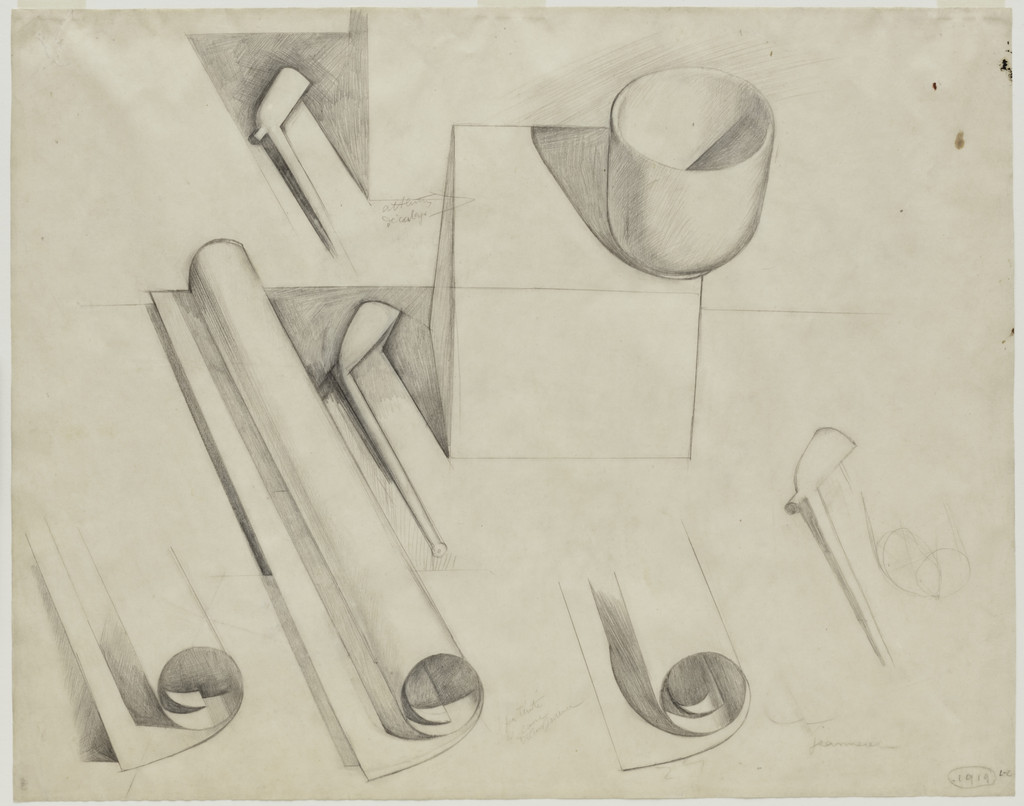
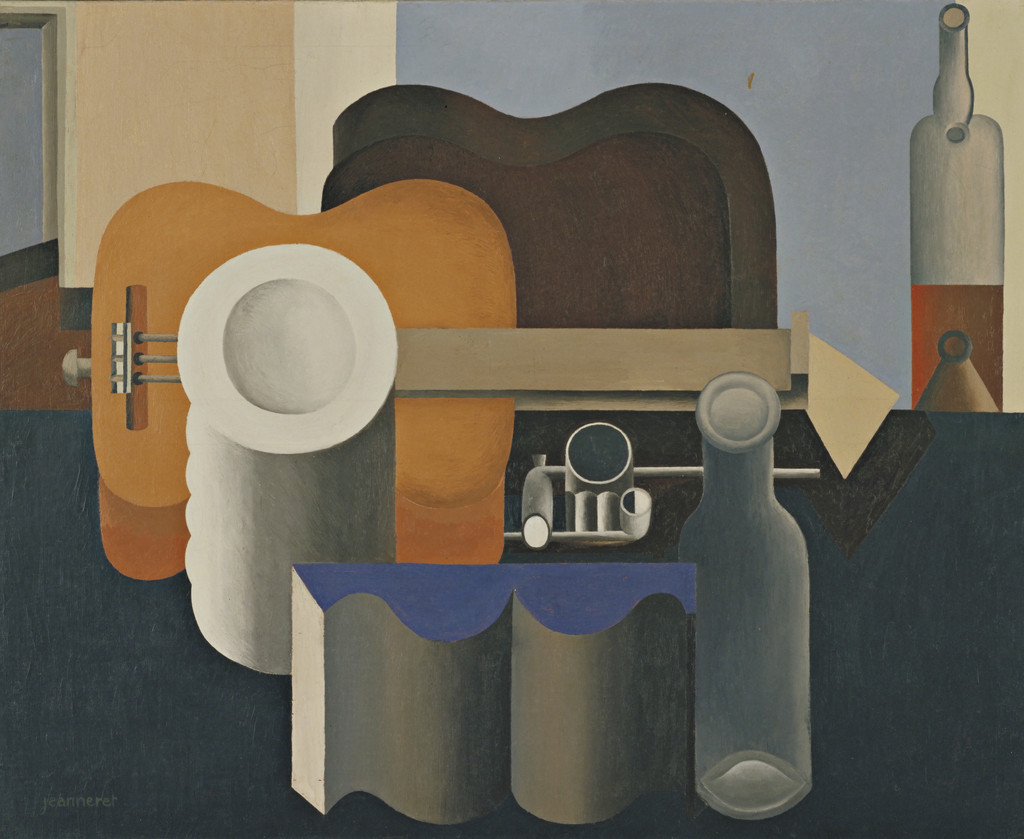
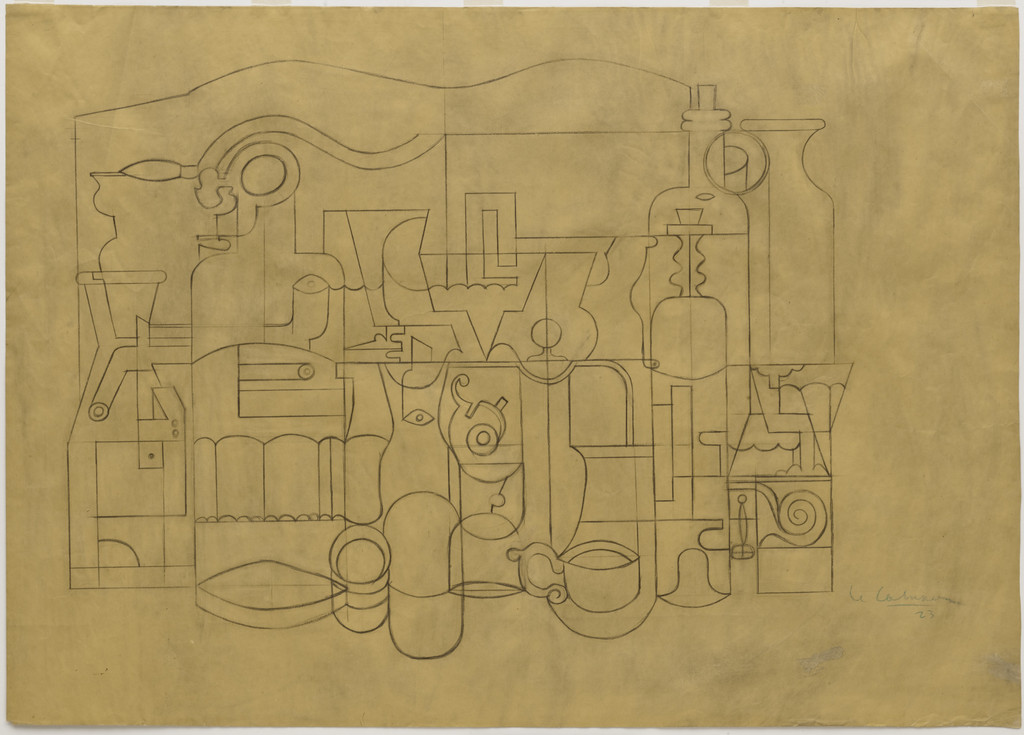
Jeanneret met the Cubist painter Amédée Ozenfant, in whom he recognised a kindred spirit. Ozenfant encouraged him to paint, and the two began a period of collaboration.
1918
The manifesto After Cubism: the birth of Purism
Ozenfant introduced Jeanneret to Georges Braque, Pablo Picasso, Juan Gris and Jacques Lipchitz, and painting became his second profession. Together they issued the manifesto After Cubism, calling for reality to be “purified” of the accidental in favour of ideal, pure forms, and staged joint “Purist” exhibitions.
1920
Adopts the name Le Corbusier
In the first issue of L'Esprit Nouveau, Charles-Édouard Jeanneret signed himself Le Corbusier, an altered form of his maternal grandfather's name, Lecorbésier. The pseudonym reflected his belief that anyone could reinvent themselves.