 William Morrisイギリス, 1834–1896
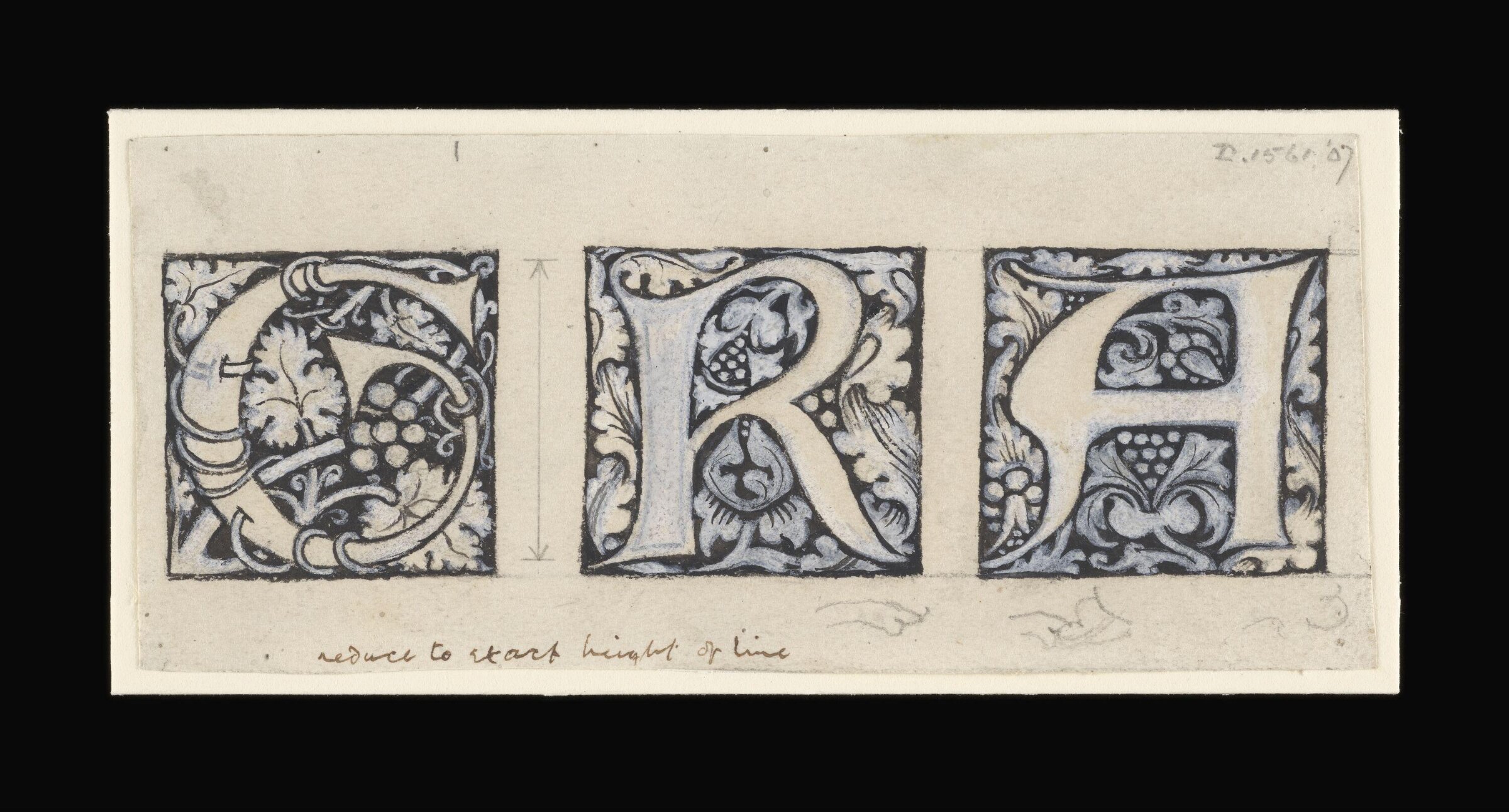
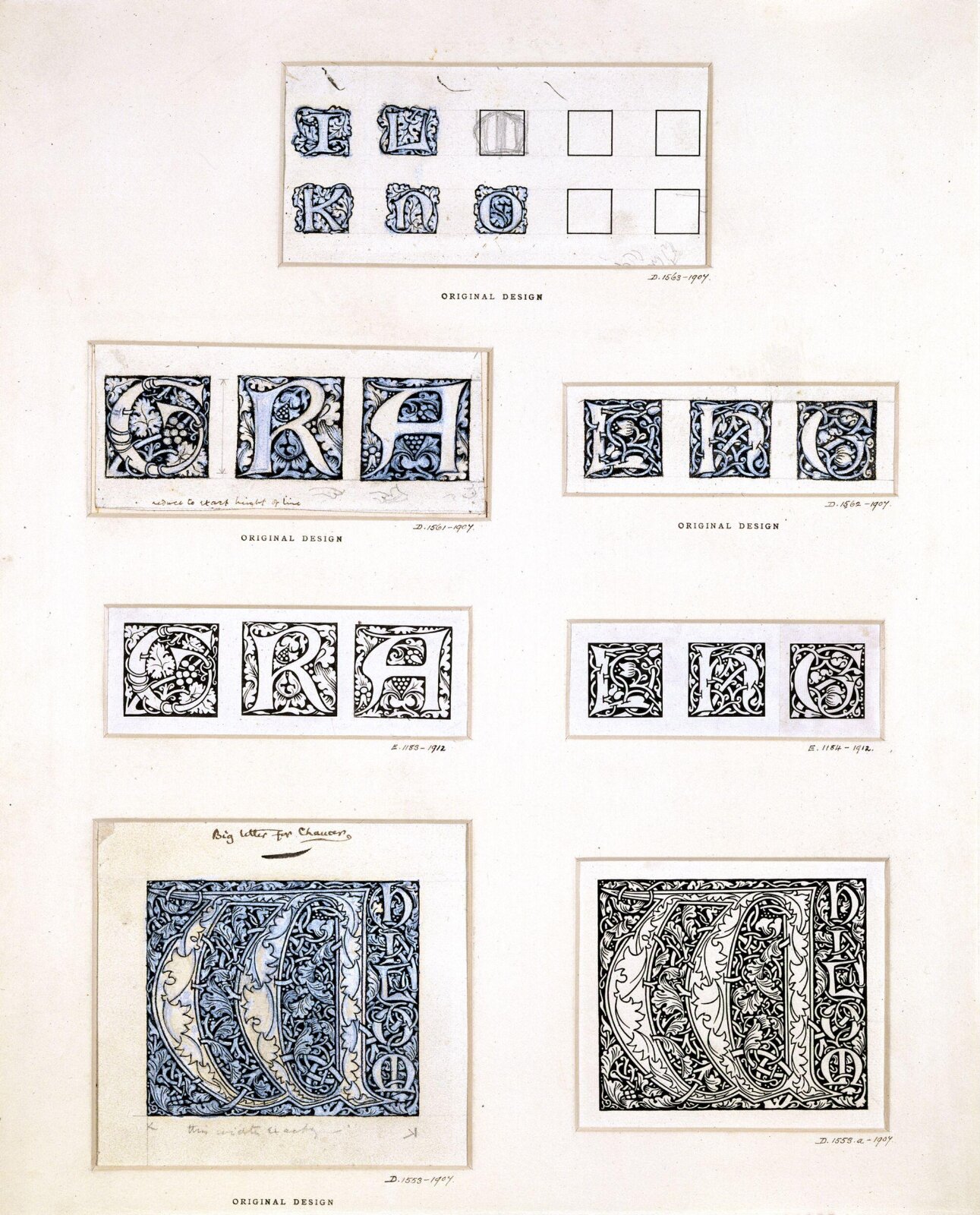
Whilom
見られますか?
現在は展示されていません
『Whilom』は今どこに? 所蔵: ヴィクトリア&アルバート博物館, ロンドン. 現在は展示されていません. 確認 2026年9月25日.

ロンドン, イギリス
コレクションに属していますが、現在は展示されていません。
- 確認
- この状態になった日
- 出典
- 美術館
作品データ
- 収蔵番号
- D.1553-1907
カタログ収録
出典
- ヴィクトリア&アルバート博物館
- 画像: ヴィクトリア&アルバート博物館 — © Victoria and Albert Museum, London
その頃、William Morrisの人生では
生涯をすべて見るautumn 1865
He sells Red House and moves to Bloomsbury
Tired of country life — the daily commute to his London workplace took three to four hours — he sold Red House and in autumn 1865 moved with his family to 26 Queen Square, a flat above the Firm’s shop; the plan for a second house at Upton for the Burne-Joneses had been abandoned after the death of their son Christopher.
1865–1870
“The Earthly Paradise”: the poem that made him a poet of note
From 1865 to 1870 he worked on the epic poem “The Earthly Paradise”, a homage to Chaucer: 24 stories drawn from many cultures, each told by a different narrator; published in four parts by F. S. Ellis, it soon gained a following and established Morris as a major poet.
January 1883
He joins the Democratic Federation
In January 1883 he joined Henry Hyndman’s Democratic Federation, Britain’s first socialist party; he read voraciously — Henry George, Wallace, Marx’s “Das Kapital” (admitting that Marx’s economic analysis gave him “agonies of confusion on the brain”) — and in May was appointed to its executive committee and soon elected treasurer.
December 1884 – January 1885
He leaves the SDF and founds the Socialist League
In late 1884, over disagreements with Hyndman about the parliamentary road to socialism and about imperialism, Morris, with Ernest Belfort Bax and Edward Aveling, left the Social Democratic Federation — the first major schism of the British socialist movement — and founded the Socialist League, whose manifesto he wrote with Bax; Eleanor Marx was also among its founders.
1891
He founds the Kelmscott Press
In 1891 he founded the Kelmscott Press to revive medieval traditions of bookmaking: small print runs and hand work from papermaking to printing (vellum for some books); he laid out every book himself, drew initials and miniatures and designed typefaces, and Burne-Jones and Walter Crane collaborated with him.
1896年10月3日
Died