 Mikhail Vrubel1856–1910
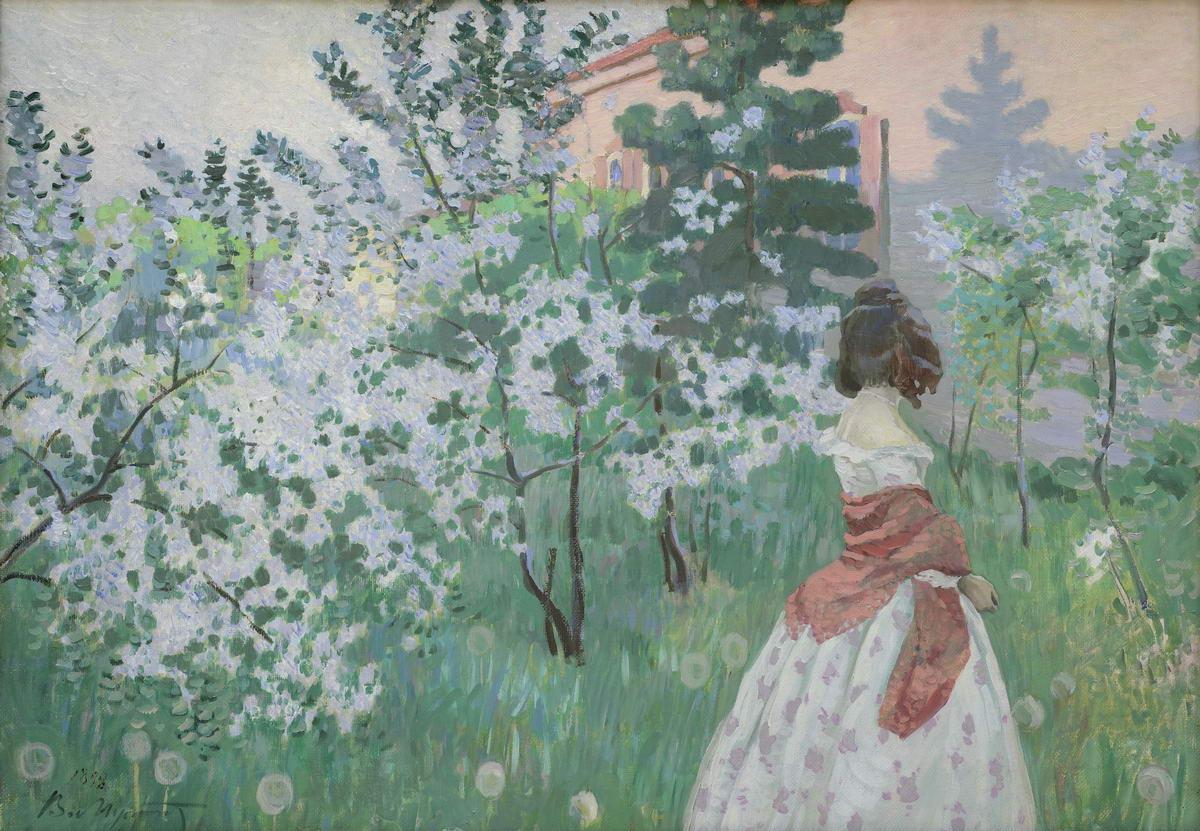
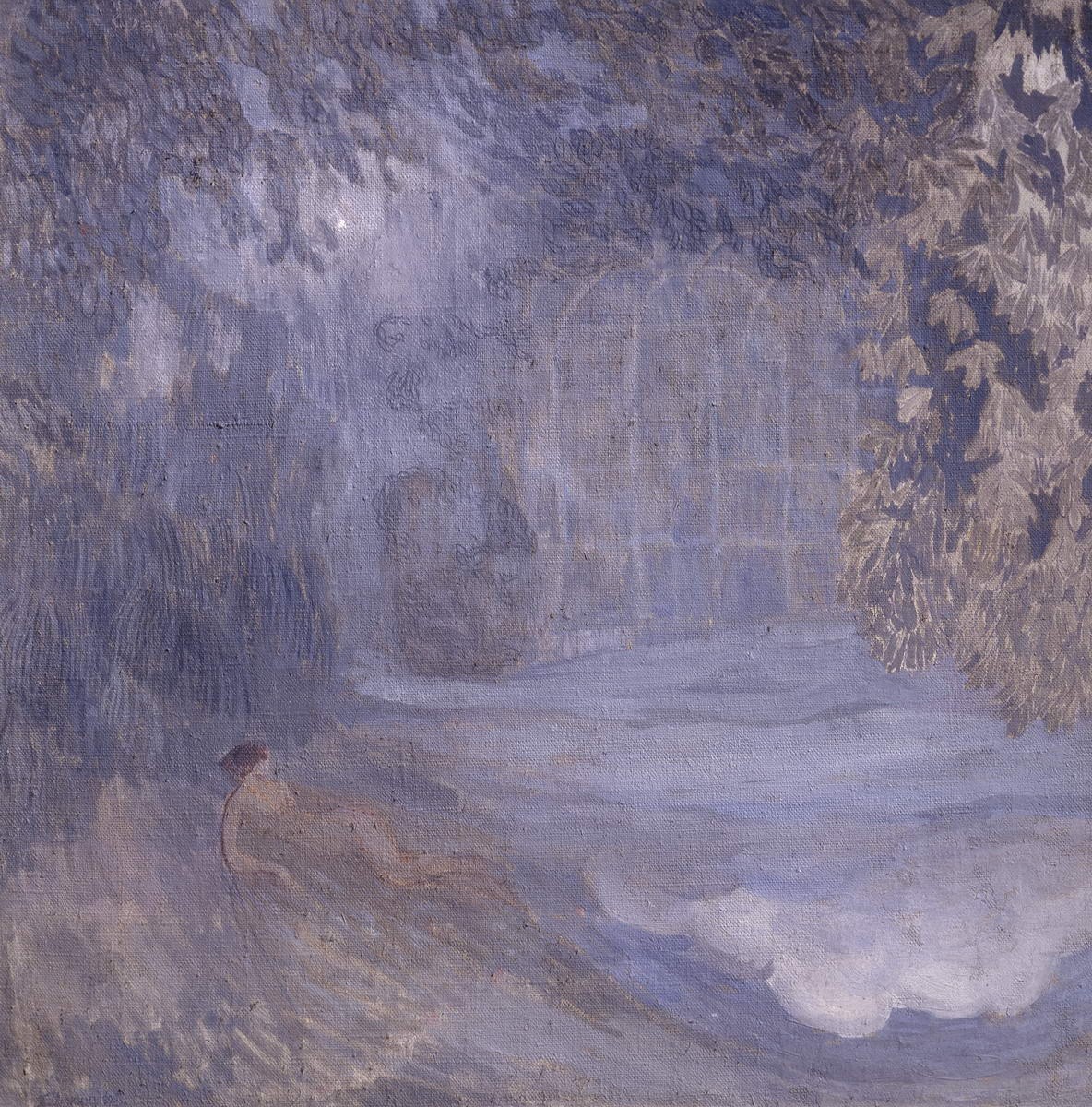
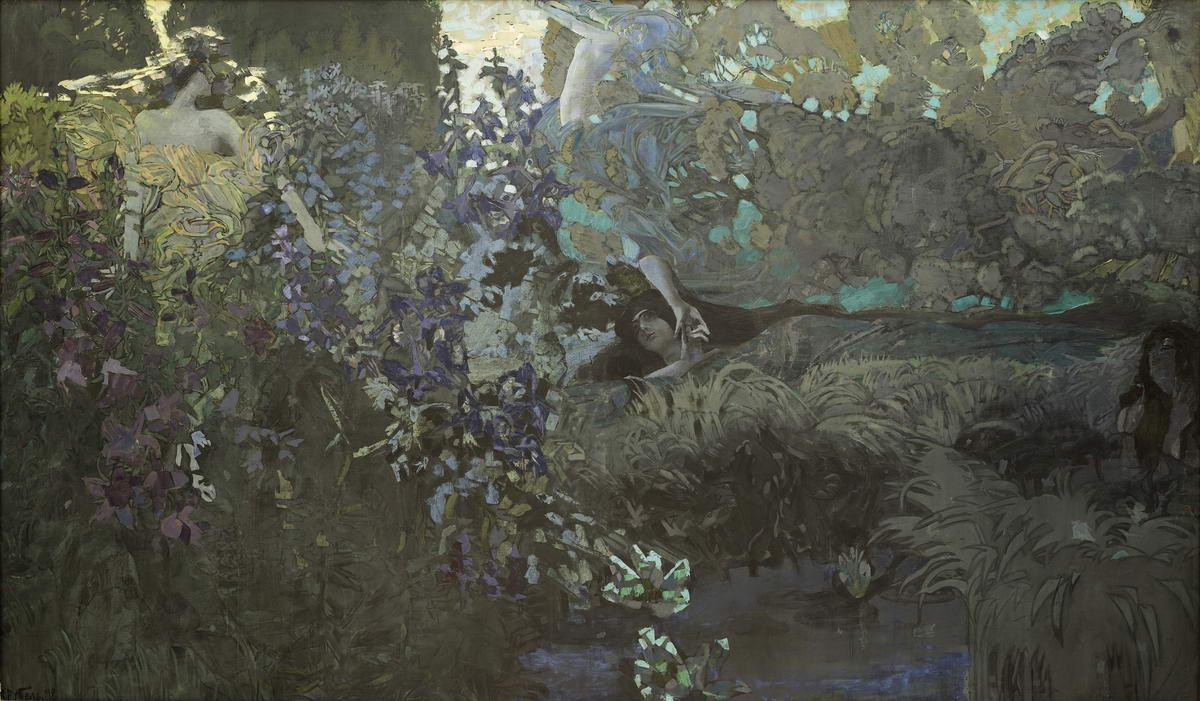
Утро
見られますか?
はい、現在展示中
『Утро』は今どこに? ロシア美術館, Korpus Benua, Zal 66, サンクトペテルブルク. はい、現在展示中. 確認 2026年9月28日.

閉館· 10:00に開館
一般公開されています。
- 確認
- この状態になった日
- 出典
- 美術館
この絵画について
美術館の言葉で — ロシア語
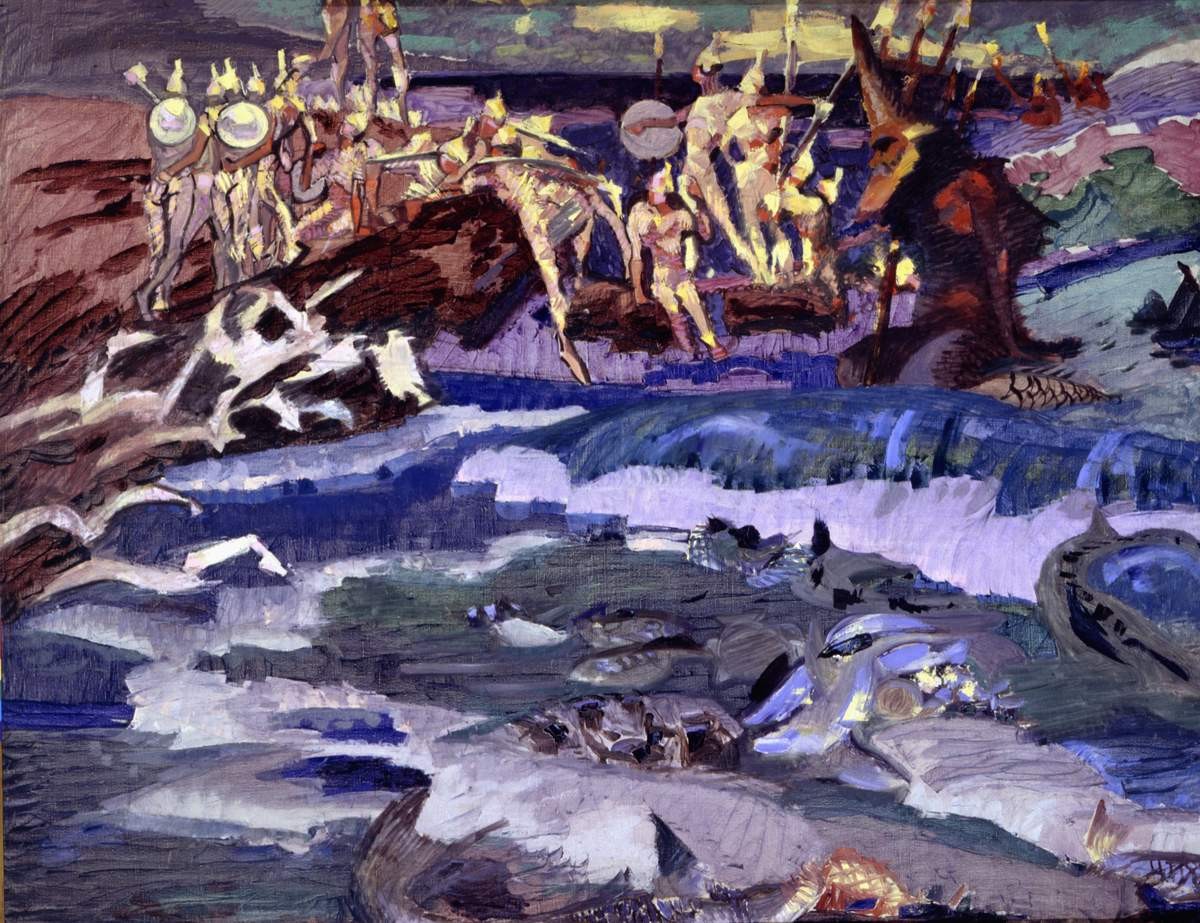
В литературе бытует с названиями «Русалки», «На рассвете» и «Рассвет». Написано в серии панно «Времена дня» для дома С. Т. Морозова , построенного Ф. О. Шехтелем на Спиридоновке в Москве, но было отклонено заказчиком. Художник хотел уничтожить полотно, но И. Е. Репин уговорил автора экспонировать работу на выставке русских и финляндских художников в Петербурге. Созданная летом 1897 года на хуторе П. Н. Ге в Черниговской губернии, она датирована в начале 1898 года, перед отправкой на выставку, где в первый же день была кулена княгиней М. К. Тенишевой. В начале 1902 года по просьбе владелицы художник переписал ряд мест в картине. Владимир Круглов // Михаил Врубель из собрания Русского музея. СПб, 2006. С. 280.
続きを読む
В 1890-х Врубель был самой крупной фигурой среди русских символистов в изобразительном искусстве. Он — классический символист, создатель характерных образцов этого направления. характерные образцы символизма: серия картин, акварелей, майолик с пантеистским мироощущением — « Утро », « Богатырь » (1898, ГРМ, Ж-1837), « Пан » (1899, ГТГ, инв. 1461), « Сирень » (1900, ГТГ, инв. 11054), « Царевна-Лебедь » (1900, ГТГ, инв. Ж-42), — навеянных фольклором, классической литературой и музыкальным театром. Разные по жанрам и темам, они являют спектр возможностей художника-визионера, свободно «пересекающего» время и пространство, в соответствии со своим пророческим даром творящего возвышенные мифы. Владимир Круглов. Гениальный мастер Михаил Врубель // Михаил Врубель. К 165-летию со дня рождения. СПб, 2022. С. 10.
Врубель не мыслил пейзаж вне человека, населяя свои полотна изображениями не то людей, не то мифологических существ. Многозначны и сложны по природе построенные на тонкой ассоциативной связи его картины « Утро », «Сирень», «Пан», «К ночи» (1900, ГТГ, инв. 1462), где литературные и музыкальные реминисценции переплелись с ярко эмоциональным восприятием реальности, с претворением ставших элементом национальной памяти древних фольклорных образов. Свойственные работам мастера экспрессивное переживание состояний природы, ноты трагического одиночества, «тоска духа» делали их актуальными в атмосфере конца века. Там же. С. 12.
Подобно западным коллегам, мастер пытался воплотить в зримых формах «бесплотные» субстанции, например, «тайну»... Та же задача волновала его в холсте «Утро», где, как в работе Анны Голубкиной ( ваза «Туман» , ГРМ), появились антропоморфные изображения солнечного луча и тумана. Там же. С. 13.
ロシア美術館
作品データ
- 収蔵番号
- Ж-1834
描かれているもの
カタログ収録
出典
- ロシア美術館
- 画像: ロシア美術館 — © State Russian Museum
その頃、Mikhail Vrubelの人生では
生涯をすべて見るearly 1896
Meeting Nadezhda Zabela
In St Petersburg Vrubel stepped in for the ailing Korovin as designer of Humperdinck’s opera “Hansel and Gretel”, which Mamontov was financing, and at a rehearsal he first heard, then saw, the singer of Gretel — Nadezhda Zabela. Rushing up to her in the interval with the cry “What a lovely voice!”, he proposed almost on the day they met, and later told his sister that had she refused, he would have killed himself on the spot.
22 May 1896
The Academy rejects his Nizhny Novgorod panels
Mamontov secured Vrubel a commission for two huge panels for the art section of the All-Russian Exhibition — “Mikula Selyaninovich” and “The Princess of the Dream”, a hundred square metres in three months. But the academician Albert Benois, in charge of the pavilion, demanded sketches, a telegram went to St Petersburg — “Vrubel’s panels are monstrous, they must be removed” — the Academy’s commission ruled them unfit to show, and on 22 May the works were carried out of the pavilion.
1896
Mamontov’s pavilion for the “rejected” panels
Mamontov bought both panels for 5,000 roubles: Polenov and Korovin finished “Mikula”, Vrubel completed “The Princess of the Dream” in a shed at the Abramtsevo pottery, and in time for the imperial couple’s visit on 15–17 July the canvases were shown in a specially built pavilion signposted “Exhibition of decorative panels by the artist M. A. Vrubel, rejected by the jury of the Imperial Academy of Arts” — the words naming the Academy’s jury soon had to be painted over. A newspaper battle followed: Nikolai Garin-Mikhailovsky offered the first balanced analysis of Vrubel’s art, while Maxim Gorky mocked his panels in five articles.
28 July 1896
Marries Nadezhda Zabela in Geneva
Meeting Zabela’s family went badly — the age gap troubled them (he was 40, she 28), and the bride herself knew that Vrubel drank and squandered money — but on 28 July the couple were married in the Cathedral of the Exaltation of the Holy Cross in Geneva. They spent their honeymoon in a guesthouse in Lucerne, where Vrubel went on working on panels for A. V. Morozov’s Gothic study: by the wedding he was literally penniless and had walked from the station to his bride’s.
summer 1898
First symptoms of illness
During a summer stay in Ukraine the first symptoms of his future illness appeared: his migraines grew so severe that he took phenacetin in huge quantities — up to 25 grains or more, according to his sister-in-law. A previously unknown irritability set in too, especially when someone disagreed with his opinion of a work of art.
1898
“Morning” at Diaghilev’s exhibition
In St Petersburg Ilya Repin advised Vrubel not to destroy his panel “Morning”, which a client had turned down, but to show it at an exhibition. So the canvas went into Sergei Diaghilev’s exhibition of Russian and Finnish artists at the museum of the Stieglitz School.