 Dorothea Langeアメリカ合衆国, 1895–1965
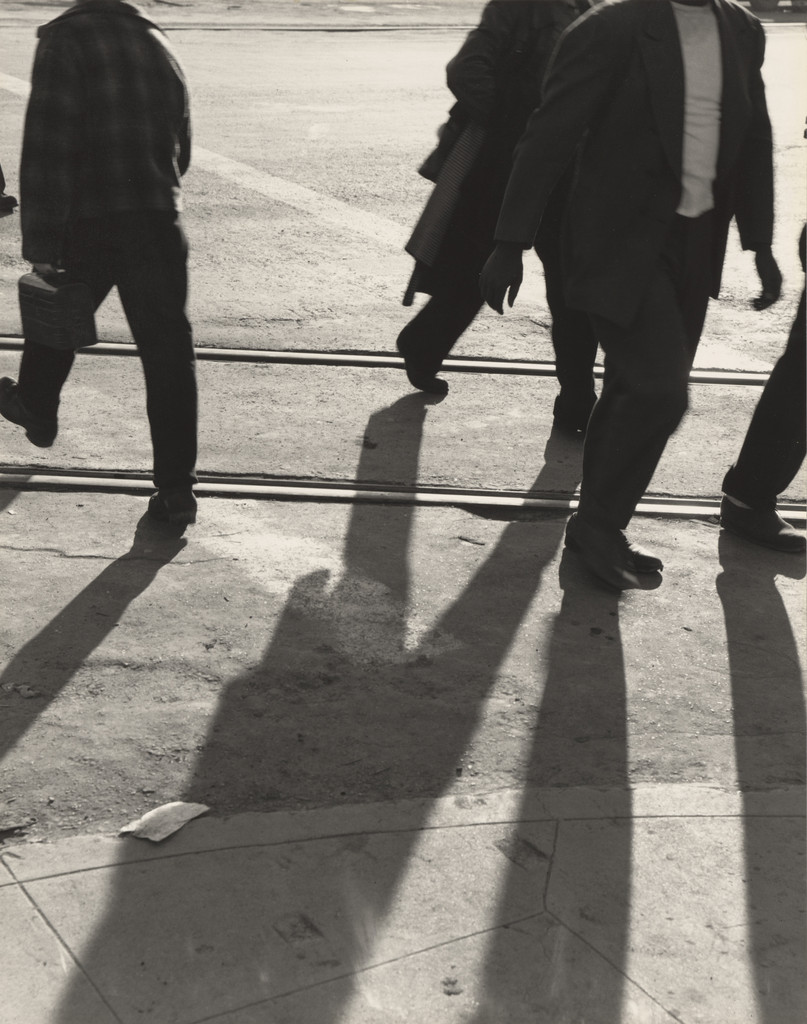
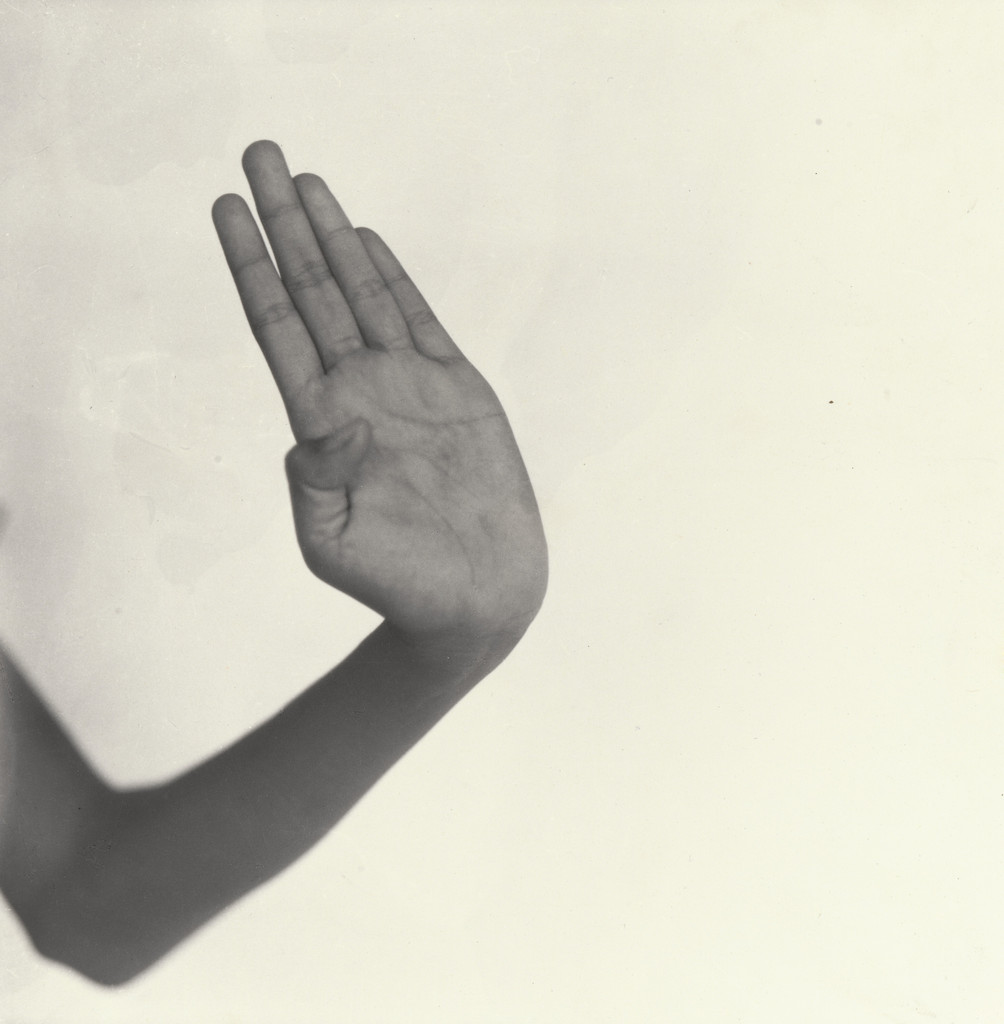
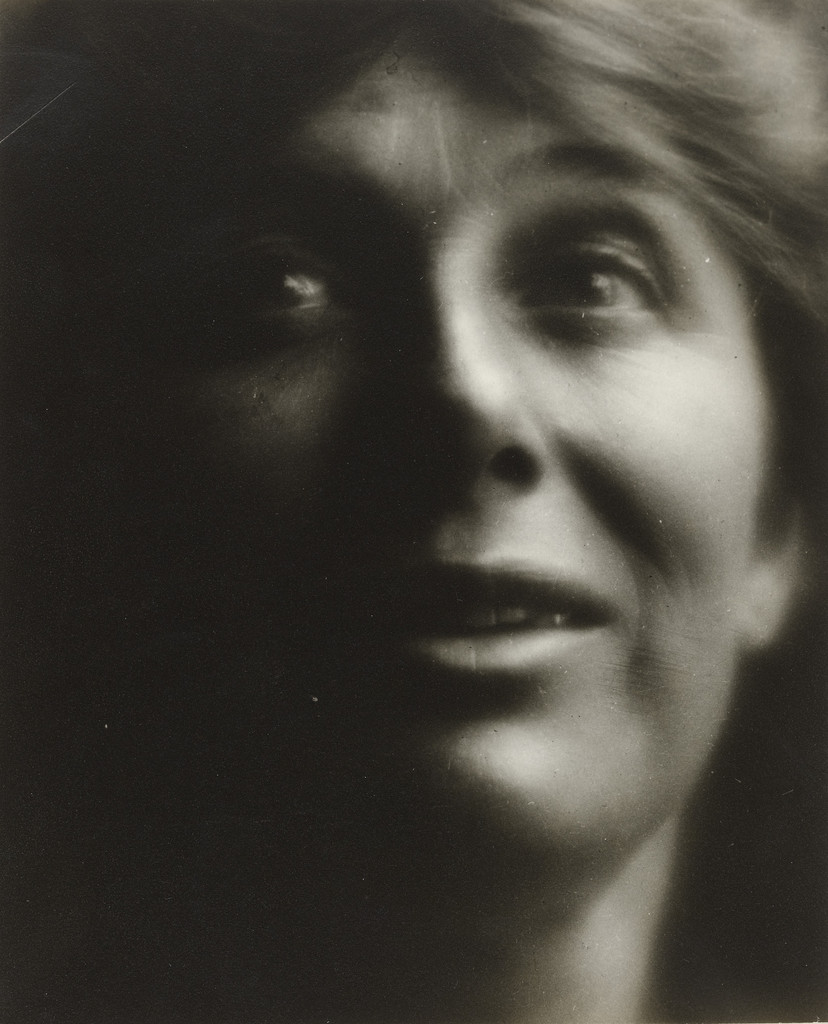
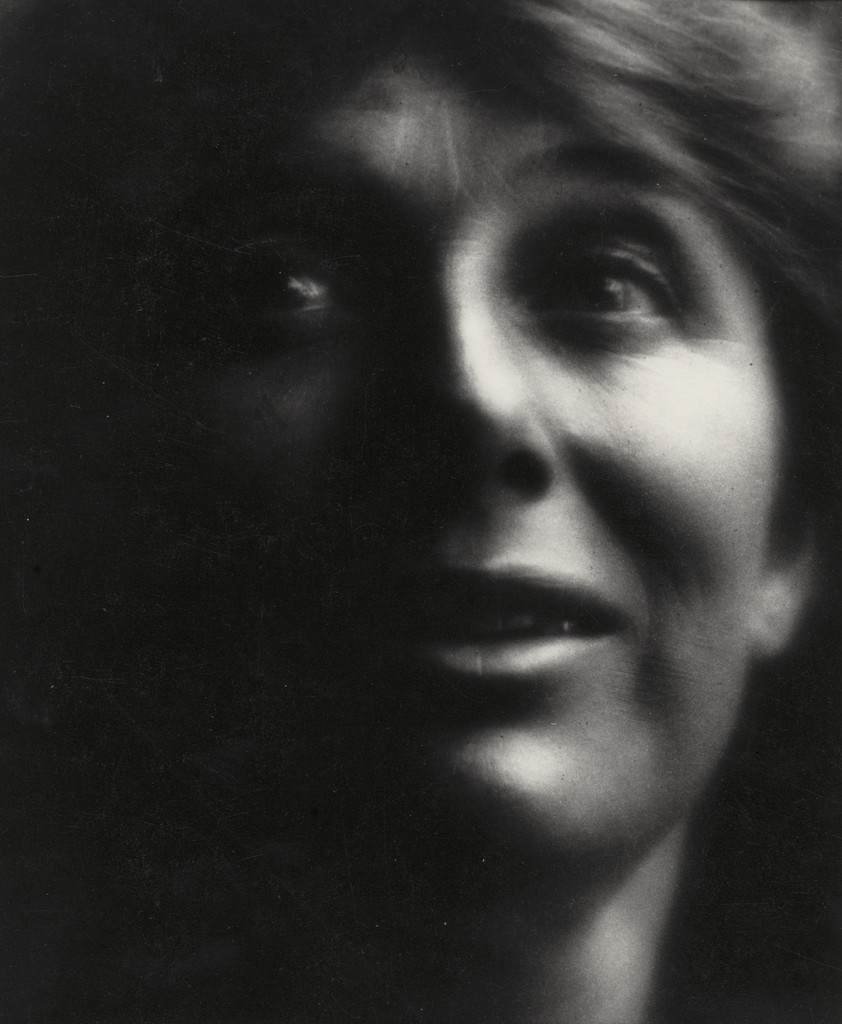
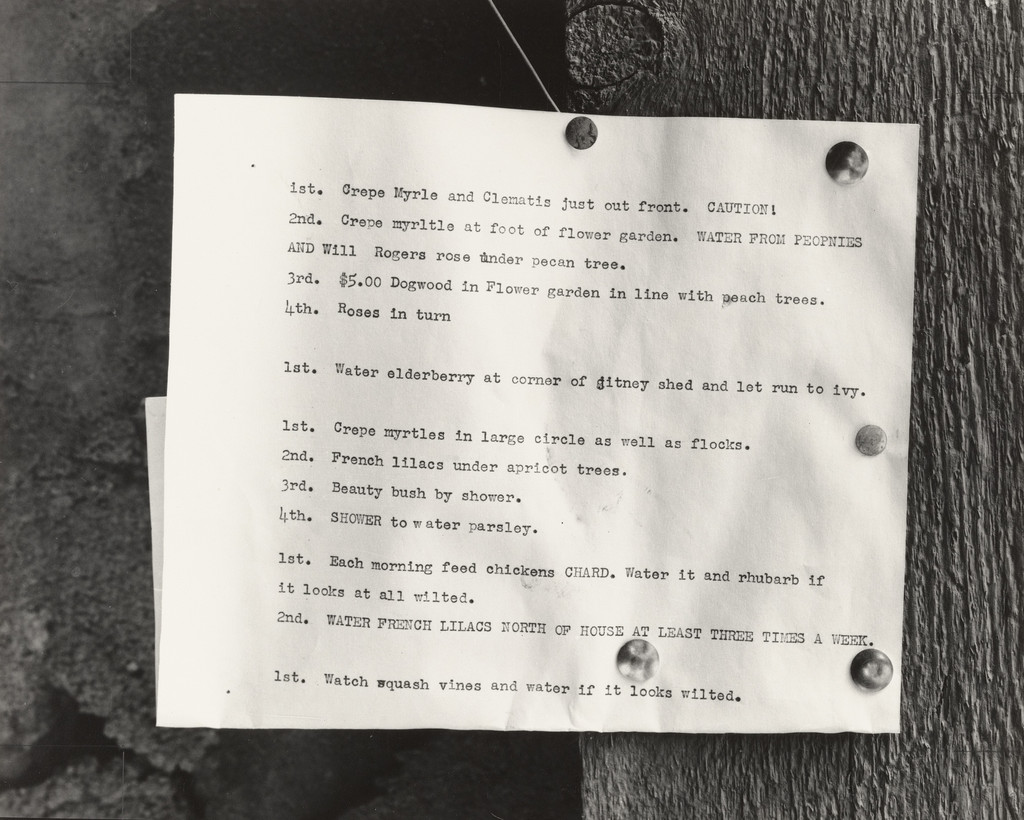
Untitled (Thumbtacked sign)
見られますか?
現在は展示されていません
『Untitled (Thumbtacked sign)』は今どこに? 所蔵: ニューヨーク近代美術館, ニューヨーク. 現在は展示されていません. 確認 2026年9月22日.

ニューヨーク, アメリカ合衆国
コレクションに属していますが、現在は展示されていません。
- 確認
- 出典
- 美術館
作品データ
- 収蔵番号
- 620.1995
カタログ収録
出典
- ニューヨーク近代美術館
- 画像: ニューヨーク近代美術館 — © the artist or rights holder
その頃、Dorothea Langeの人生では
生涯をすべて見る1935
Married: Paul Schuster Taylor
28 October 1935
Divorce from Maynard Dixon
Lange and Dixon divorced on 28 October 1935, and on 6 December she married Paul Schuster Taylor, a professor of economics at the University of California, Berkeley.
1935–1940
Five years on the road with Paul Taylor
For the next five years the couple travelled the California coast and the Midwest, documenting rural poverty, above all the exploitation of sharecroppers and migrant labourers: Taylor interviewed people and gathered economic data while Lange made photographs and the accompanying records. They lived and worked from Berkeley for the rest of her life.
1936
Nipomo: aid is sent to the camp after her photographs
On her way home from weeks of shooting, Lange drove past a camp of pea-pickers at Nipomo, turned back and made five exposures of a woman with her children, Florence Owens Thompson. She showed the pictures to a San Francisco newspaper editor, who informed the federal authorities and published an article, and the government rushed aid to the camp to prevent starvation.
1936
Her photographs in Steinbeck’s “The Harvest Gypsies”
Twenty-two photographs Lange had made for the FSA were included in John Steinbeck’s “The Harvest Gypsies” when it was first published in The San Francisco News in 1936.