
 Umberto Boccioniイタリア, 1882–1916
Untitled (Schnelligkeit) (Speed)
見られますか?
不明
『Untitled (Schnelligkeit) (Speed)』は今どこに? 所蔵: アムステルダム国立美術館, アムステルダム. 不明.

アムステルダム, オランダ
所蔵者は判明していますが、現在展示中かどうかは不明です。
- 出典
- 美術館
作品について
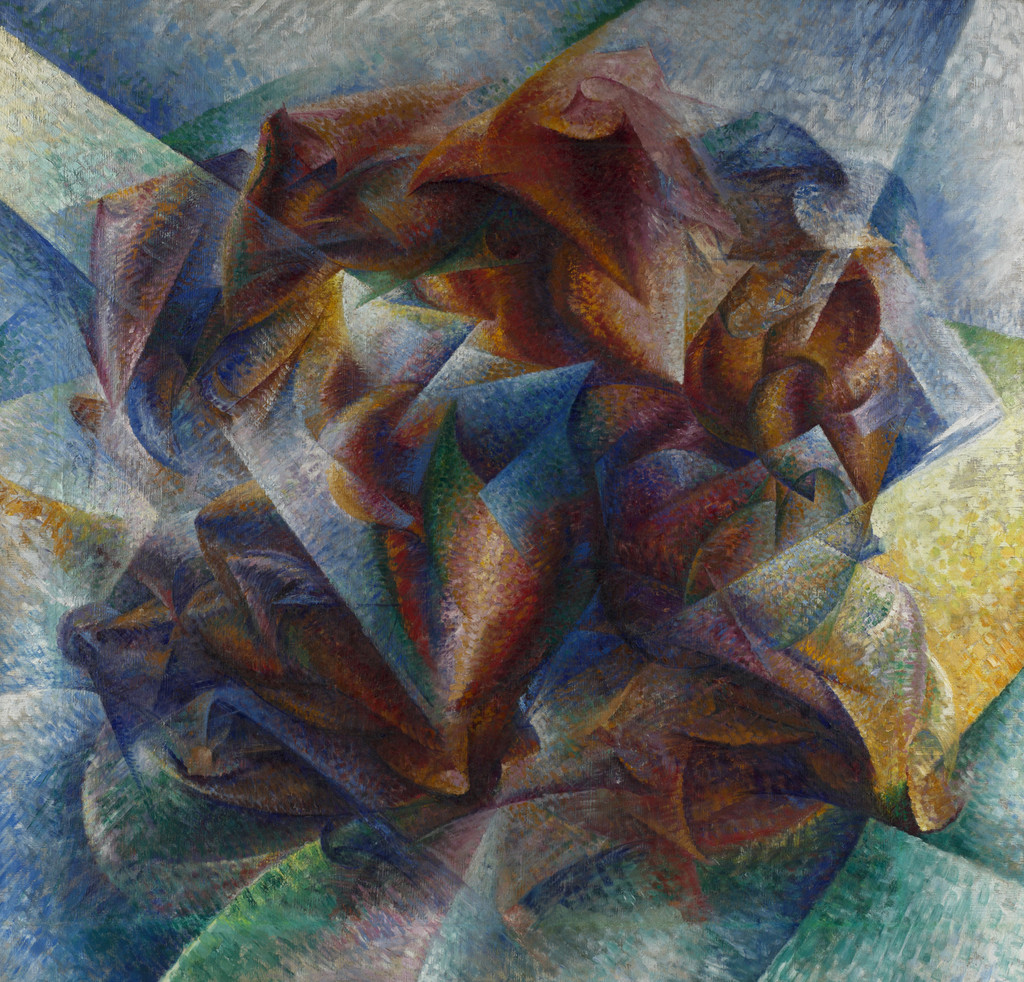
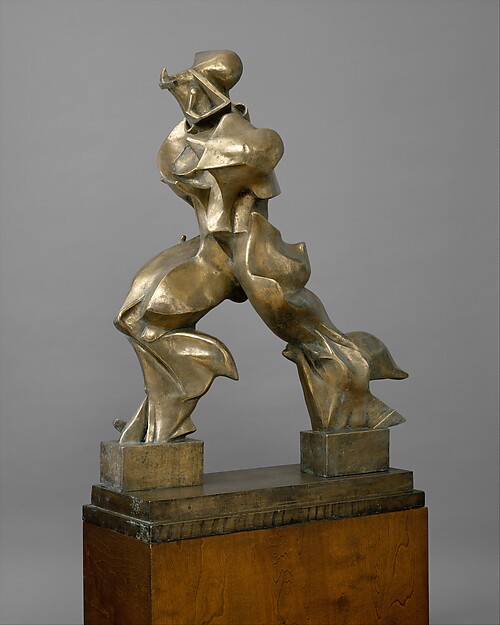
With his art the Italian Futurist Umberto Boccioni above all wanted to express movement. He tried to capture the transmission of light and sound as well as the power and motion of machines and the speed of all modern life. His motorcyclist is first and foremost about dynamism: not only of the vehicle, but also of the environment which is constantly in motion.
アムステルダム国立美術館
作品データ
- 収蔵番号
- RP-P-1948-403
描かれているもの
カタログ収録
出典
- アムステルダム国立美術館
- 画像: アムステルダム国立美術館 — public domain
その頃、Umberto Boccioniの人生では
生涯をすべて見る1912
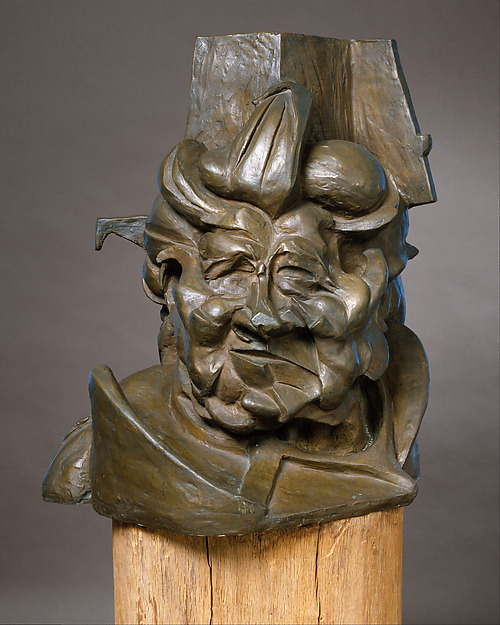
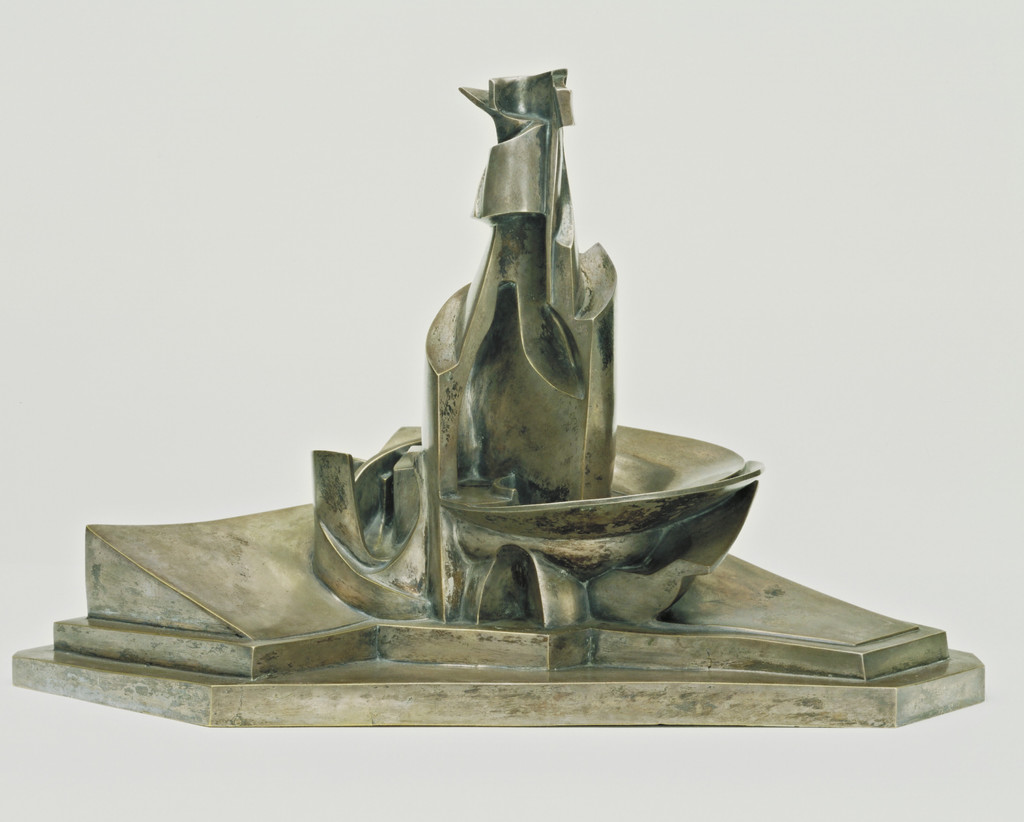
Decides to take up sculpture
After visiting the Paris studios of Georges Braque, Alexander Archipenko, Constantin Brâncuși, Raymond Duchamp-Villon and, probably, Medardo Rosso, Boccioni decided to take up sculpture.
1912
Futurist exhibition at Galerie Bernheim-Jeune
In 1912 Boccioni exhibited some paintings together with other Italian Futurists at the Galerie Bernheim-Jeune.
1912
Futurist exhibition at the Sackville Gallery
In 1912 the Futurists, Boccioni among them, exhibited their work at the Sackville Gallery in London.
11 April 1912
Publishes the “Technical Manifesto of Futurist Sculpture”
The “Technical Manifesto of Futurist Sculpture” was published on 11 April 1912; for Boccioni it was the intellectual and physical launch into sculpture.
16 August 1916
Fatal injury at cavalry training
On 16 August 1916, during a cavalry training exercise, Boccioni was thrown from his horse and trampled. He died the following day in the military hospital in Verona.
1916年8月17日
Died
![Mia madre che lavora [My Mother Working], Umberto Boccioni, 1907](https://api.nga.gov/iiif/f802e827-c068-4e70-abc2-f10b1fd4e78c/full/!2400,2400/0/default.jpg)

![Periphery [Periferia], Umberto Boccioni, 1908](https://api.nga.gov/iiif/bc6e609b-939b-4d64-a87b-2a0ae311d52b/full/!2400,2400/0/default.jpg)


