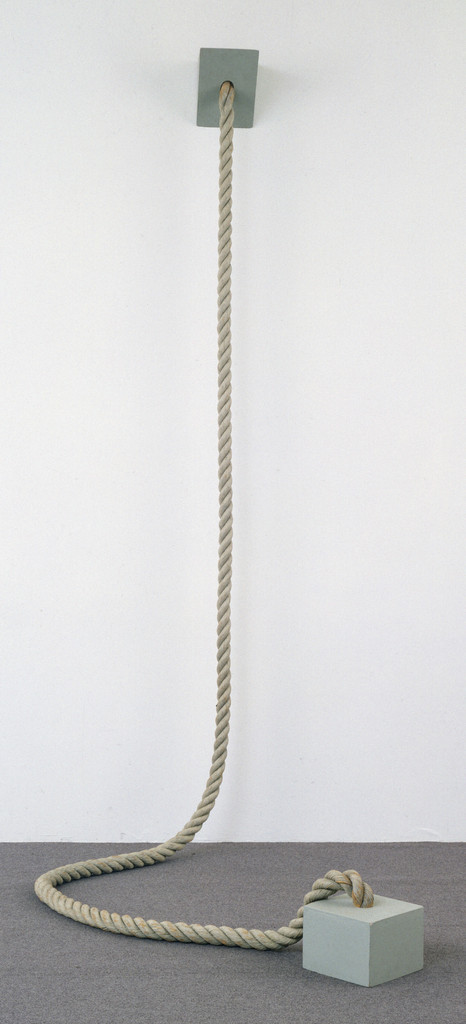
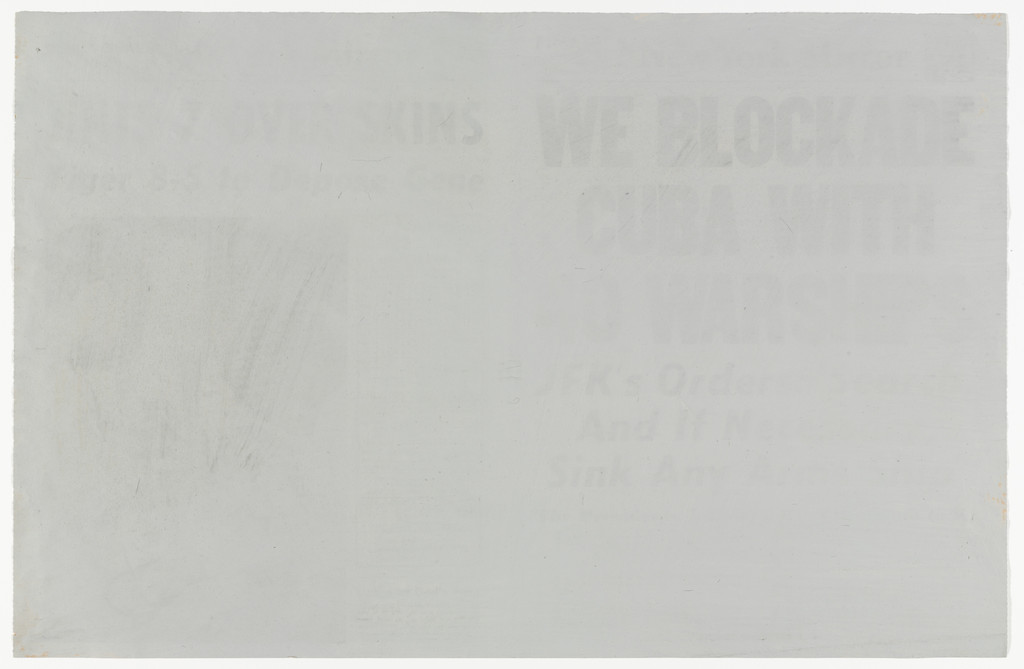
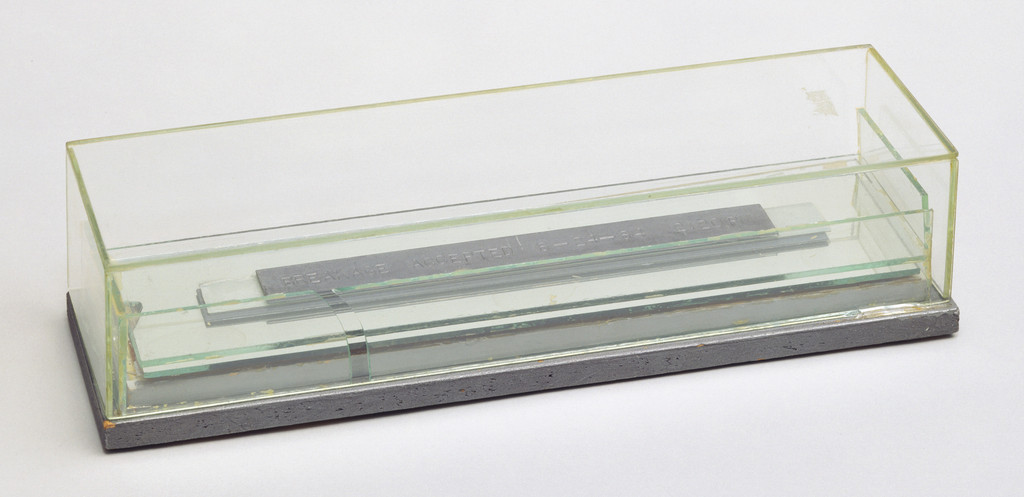
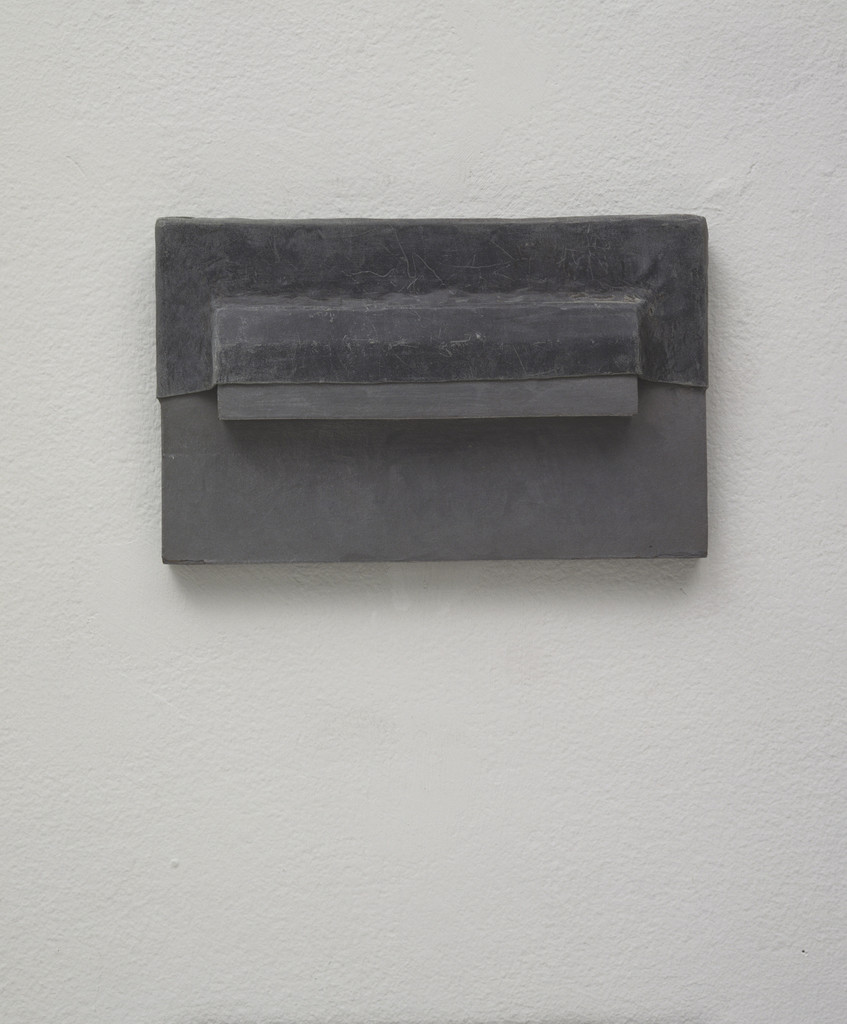
Untitled
見られますか?
不明
『Untitled』は今どこに? 所蔵: イエール大学美術館, ニュー・ヘイヴン. 現在展示中かどうかは不明.
ニュー・ヘイヴン, アメリカ合衆国
所蔵者は判明していますが、現在展示中かどうかは不明です。
- この状態になった日
- 出典
- 美術館
この彫刻について
Robert Morris began to make felt sculptures in the late 1960s as a departure from the rigid materials and strict geometry of Minimalism. This work returned in part to the artist’s early concerns with the body as it manifested in his engagement with contemporary dance in the 1950s and early 1960s. The heavy curves and folds of the thick, industrial felt emphasize the action of gravity while also possessing anthropomorphic, skin-like qualities. This return to bodily formations is explained in an essay Morris published in Artforum in April 1968. Here the artist argues that, despite seeking to reduce artworks to a unitary, self-evident form, the Minimalists could not escape the compartmentalization and aesthetic choice implicit in ordering and installing of their often serial works. Using the term "Anti-Form", Morris calls for a renewed emphasis on the process of making: as can be seen in this work, he advocated "random piling, loose stacking" and "hanging" as a means of letting material determine its own contingent—rather than enduring and determinate—form.
イエール大学美術館
作品データ
- 収蔵番号
- 2002.76.2a-q
カタログ収録
出典
- イエール大学美術館
- 画像: イエール大学美術館 — Image: Yale University Art Gallery · In Copyright
その頃、Robert Morrisの人生では
生涯をすべて見る1966
Notes on Sculpture
Morris publishes Notes on Sculpture in Artforum.
1968年6月27日–1968年10月6日
Exhibition: 4. documenta
1971
Ramps and cubes at the Tate
Morris designs an exhibition for the Tate Gallery, filling the space with ramps and cubes.
1977年6月24日–1977年10月2日
Exhibition: Documenta 6
1987年6月12日–1987年9月20日
Exhibition: documenta 8
1995 · 受賞
Migel Medal