 Robert Rauschenbergアメリカ合衆国, 1925–2008
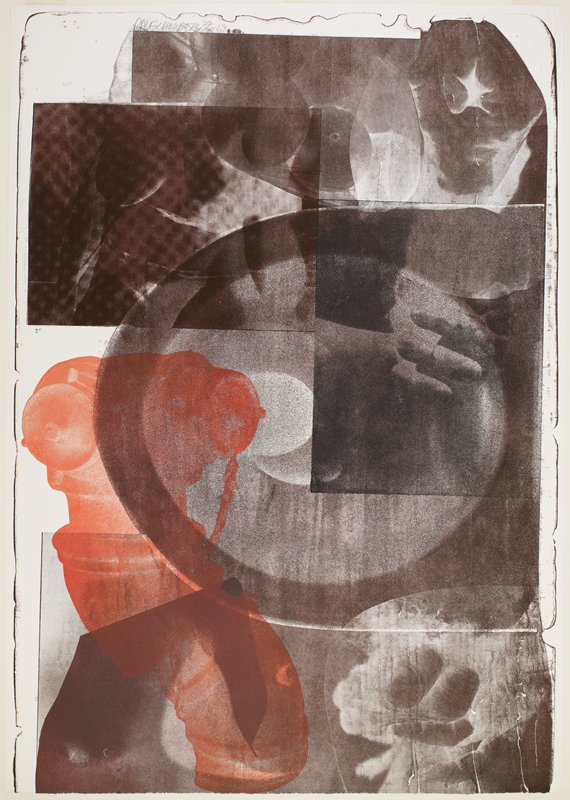
Tides
お目にかかれますか?
ただいまはお迎えしていません

ミネアポリス美術館
ミネアポリス, アメリカ合衆国
コレクションに属していますが、現在は展示されていません。
- 確認
- 昨日
- この状態になった日
- 2026年9月25日
- 出典
- 美術館自身の所蔵データ
作品について
Along with the prints Drifts and Gulf, this lithograph was produced in the summer of 1969 using photosensitive printing matrices, one of four methods Rauschenberg and the U.L.A.E. printing staff devised for transferring existing photographic images onto a limestone surface. Photosensitive emulsion was applied to the lithographic stones, which in turn were exposed to projected photographic images (negatives). The light sensitive surface of the limestone accepted the images in the exact proportions and in the same orientation as the original photographs (although the original negatives could be reversed, if desired, during projection). The varying tones and the distinctive moiré pattern seen in these prints was achieved by preparing negatives of overlapping transparent sheets of Ben-day dots, a commercial printing process, and projecting them onto the light sensitive limestone matrix. These moiré patterns reminded Rauschenberg of reflections on the surface of water and chose titles that evoke this association.
ミネアポリス美術館
作品データ
- 収蔵番号
- P.69.200
カタログ収録
出典
- ミネアポリス美術館: the museum's own open data · 5 日前に取得
- 画像: ミネアポリス美術館 — Robert Rauschenberg, Tides, 1969 © Robert Rauschenberg Foundation
その頃、Robert Rauschenbergの人生では
生涯をすべて見る1968年6月27日–1968年10月6日
Exhibition: 4. documenta
26 July 1968
Buys a house on Captiva Island
On 26 July 1968 Rauschenberg bought the Beach House, his first property on Captiva Island off the Florida coast, though it did not become his permanent home until the autumn of 1970. Other accounts date the purchase to 1970.
1969
Watches the Apollo 11 launch at NASA's invitation
NASA invited Rauschenberg to witness the launch of Apollo 11. In response he created his “Stoned Moon” series of lithographs, combining diagrams and images from NASA's archives with his own drawings and handwritten text.
autumn 1970
Moves to Captiva for good
From the autumn of 1970 the Captiva house became Rauschenberg's permanent home and studio. The first works made there were the “Cardboards” (1971–72) and “Early Egyptians” (1973–74) series, from locally sourced cardboard and sand: instead of urban imagery he now favoured the natural fibres of fabric and paper.
1970
Sets up Change, Inc. to help artists
Rauschenberg created Change, Inc., a programme awarding one-time emergency grants of up to $1,000 to visual artists in financial need.
1970
Helps create the Pepsi Pavilion at Expo '70 in Osaka
Rauschenberg took part in creating the Pepsi Pavilion for the 1970 World Exposition in Osaka; the opening was directed by the choreographer and artist Remy Charlip.