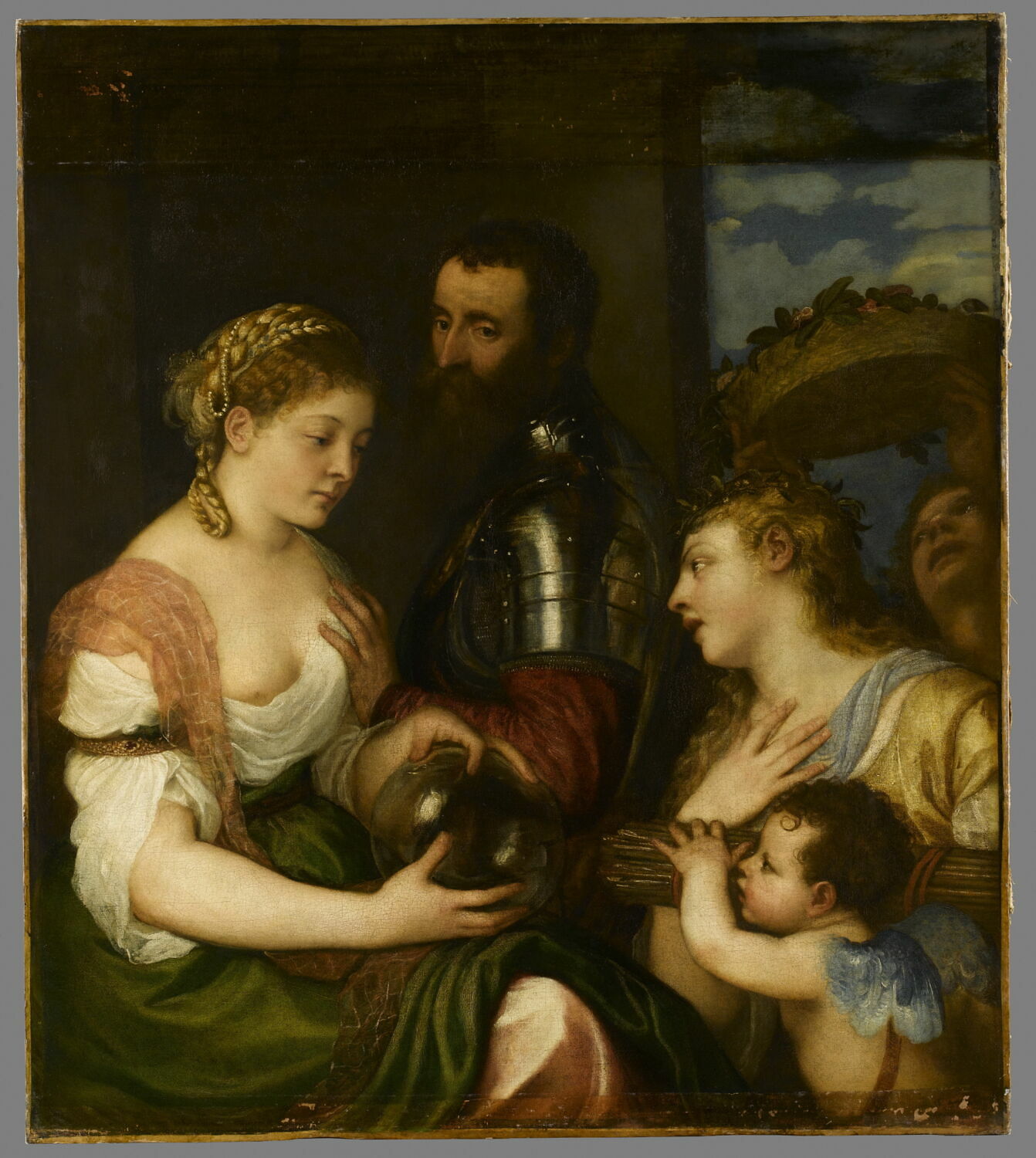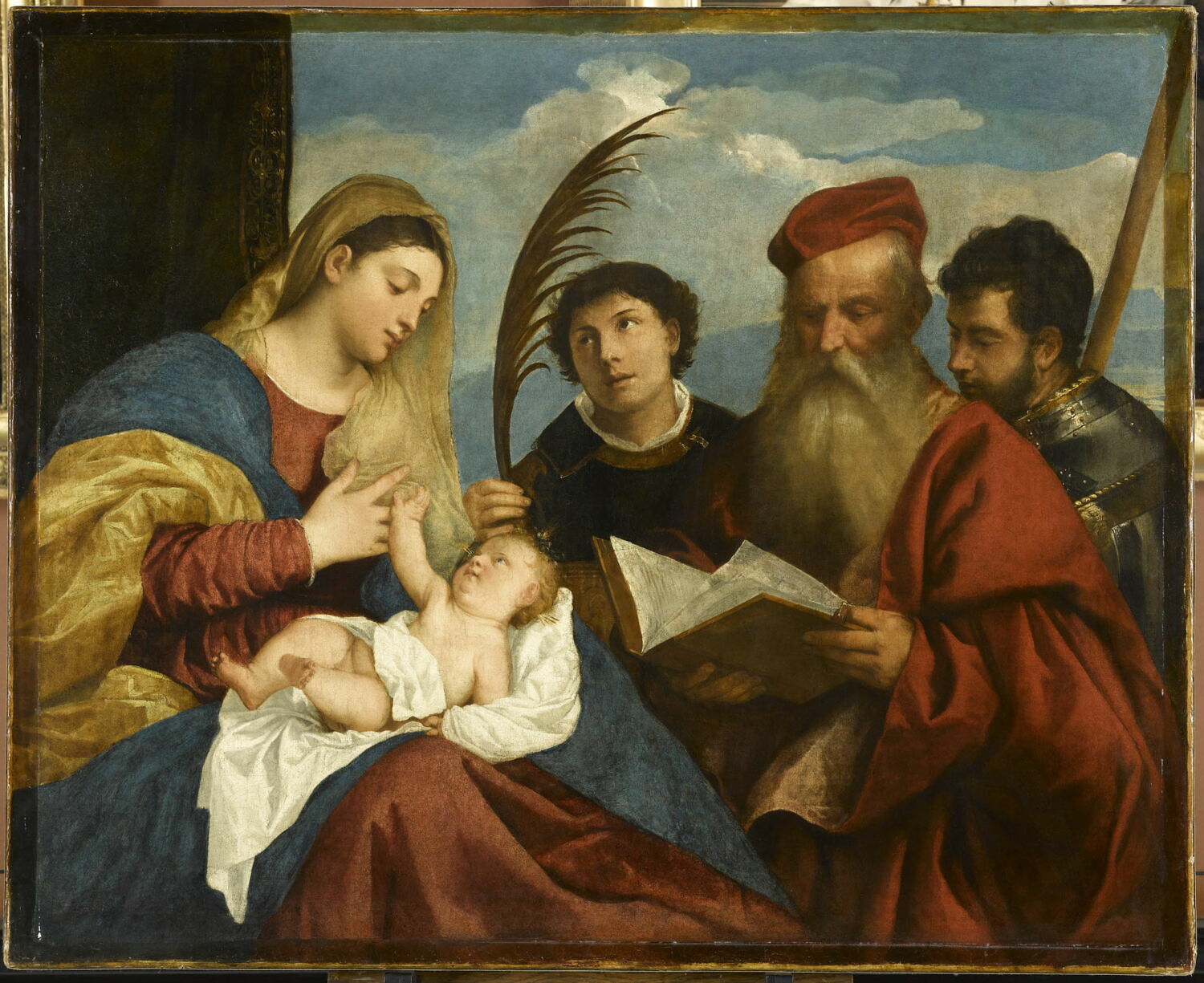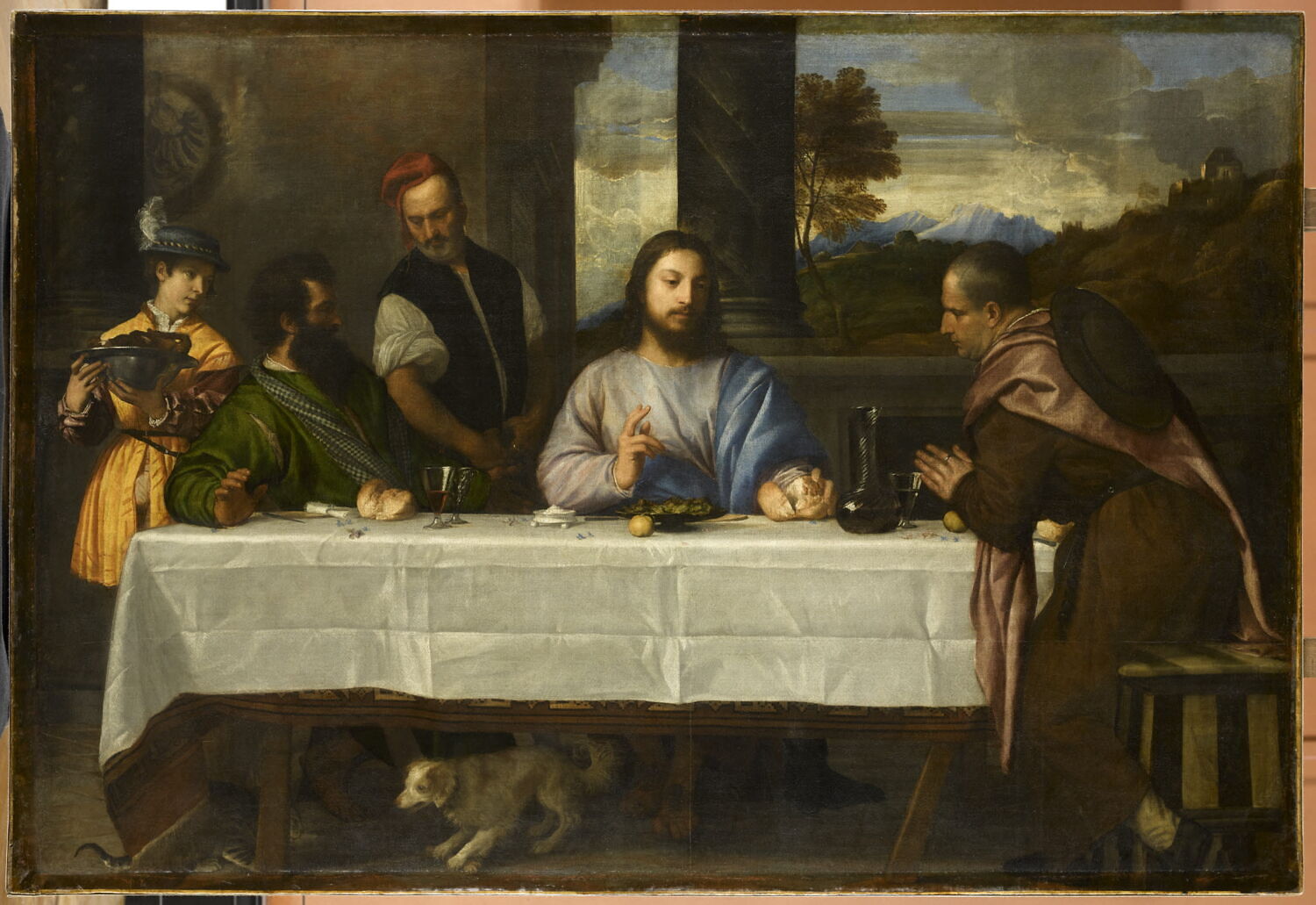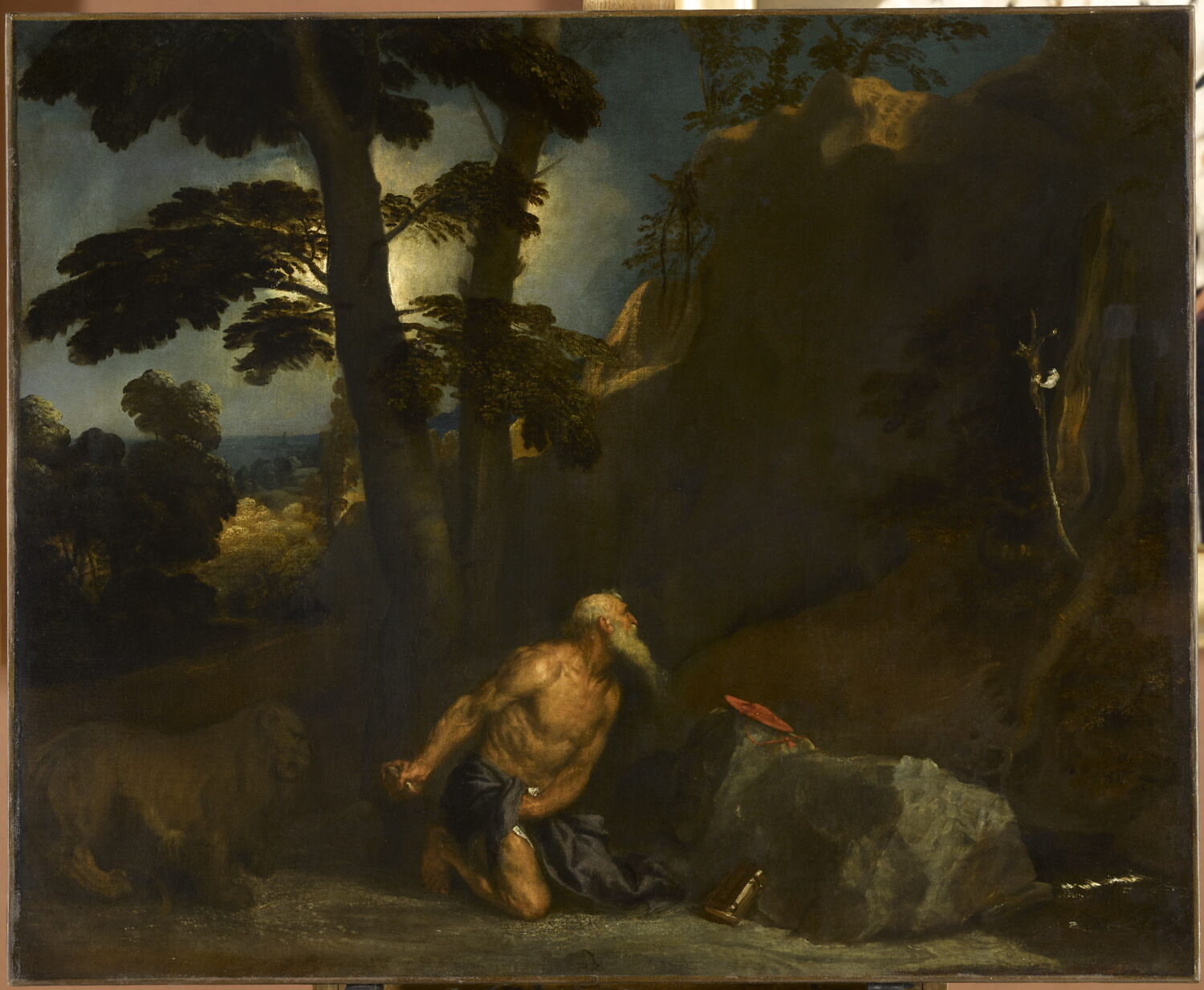
 Titianイタリア, 1490–1576
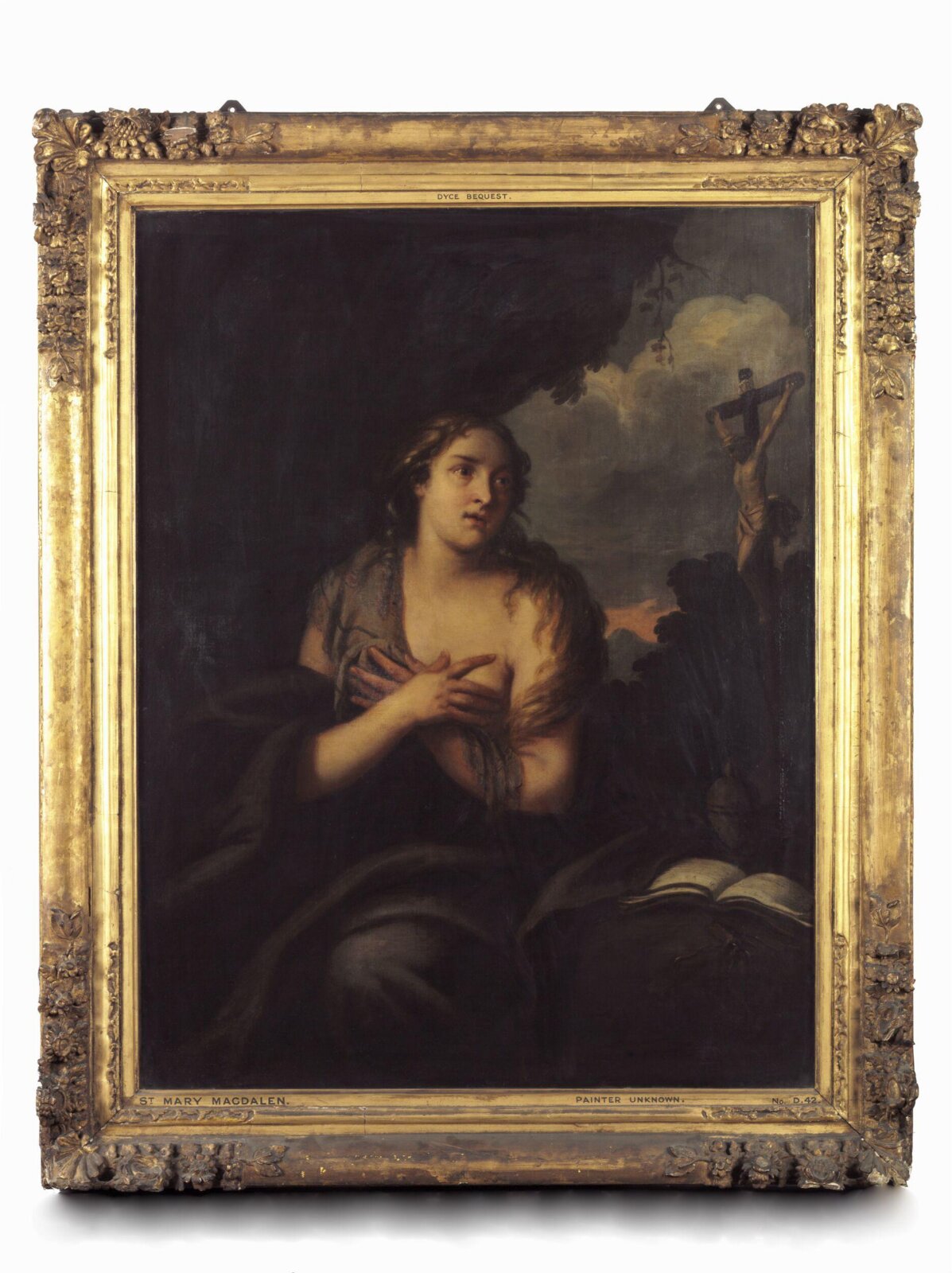
The Penitent Magdalen
お目にかかれますか?
ただいまはお迎えしていません

ヴィクトリア&アルバート博物館
ロンドン, イギリス
コレクションに属していますが、現在は展示されていません。
- 確認
- この状態になった日
- 出典
- 美術館
この絵画について
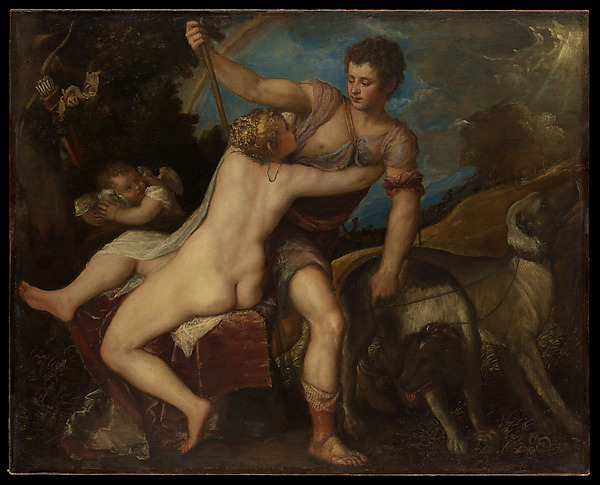
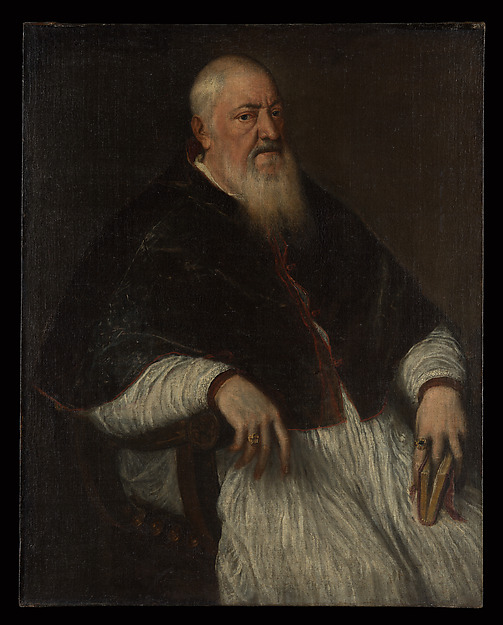
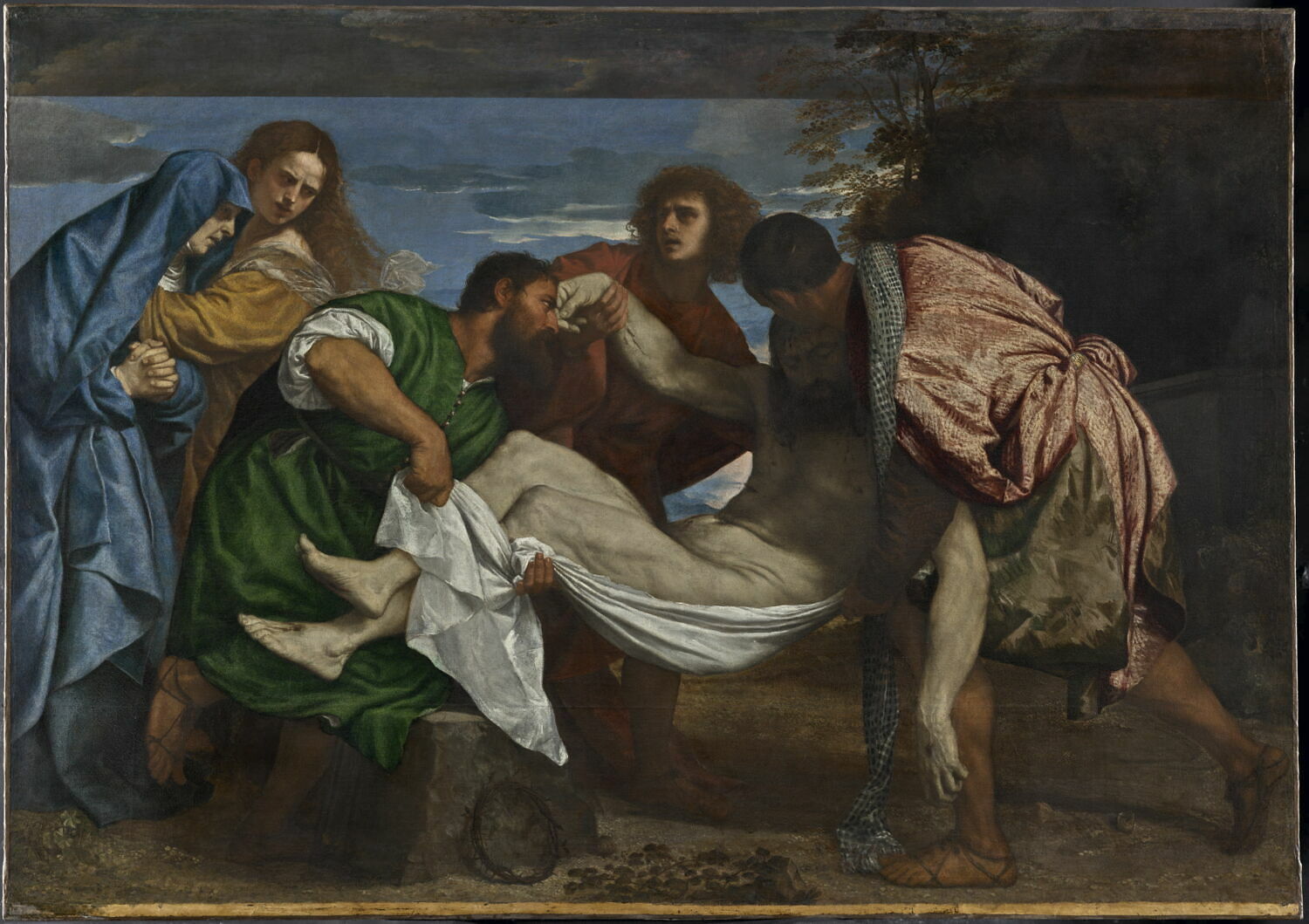
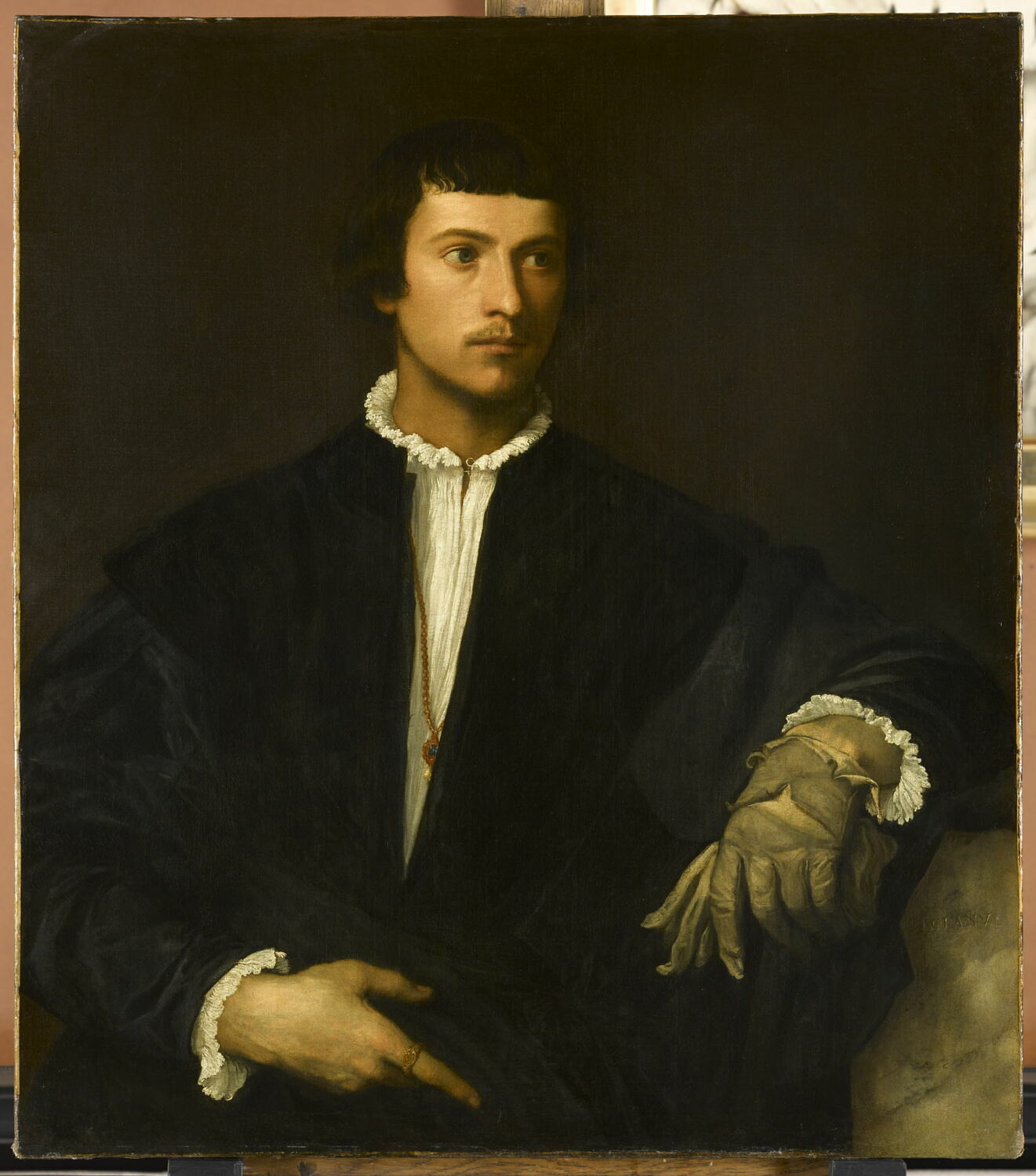
Titian (ca.1485/90-1576) was a Venetian painter, draughtsman and printmaker who excelled in all genres of painting including religious subjects, portraits, allegories and scenes from Classical mythology and history. A shift is visible from his early to his later works which move from the 15th-century tradition of meticulous finish and the use of bright local colours to the 16th century adoption of a broader technique, with less defined outlines and mutually related colours. Although based in Venice throughout his professional life, his many commissions for royal and noble patrons, notably for Philip II of Spain, contributed considerably to the spread of his fame. Titian's work had a formative influence on the major European painters of the 17th century, including Rubens and Velázquez.
続きを読む
Titian and his workshop represented the penitent Magdalen in the desert, with her long auburn hair scarcely hiding her nakedness, on many occasions throughout his career from about 1535 onwards. The Magdalen is generally identified with the penitent harlot described in Luke (7:36 ff) who wept tears and wetted Christ's feet which she then wiped with her hair, kissed and anointed. One legend describes her as retreating into a grotto at Sainte-Baume in France as suggested by the cave in Dyce.42.
Titian's Magdalens became widely known early on through engravings by Domenico Tibaldi (ca. 1560-75) and Cornelis Cort (1566), good impressions of which are in the British Museum. The Magdalen in Dyce.42 is depicted with the same physiognomy and executed in a similar style to Titian's works but with differences in the pose, attributes and landscape. It is worth noting that none of Titian's versions depict a scourge whose inclusion in Dyce.42 underlines the Saint's repentant nature, suggesting that the patron for, or original location of, this work may have been a penitent community.
ヴィクトリア&アルバート博物館
作品データ
- 収蔵番号
- DYCE.42
描かれているもの
カタログ収録
出典
- ヴィクトリア&アルバート博物館
- 画像: ヴィクトリア&アルバート博物館 — © Victoria and Albert Museum, London