Paul Cézanneフランス, 1839–1906
首吊りの家
The Hanged Man's House
見られますか?
不明
『首吊りの家』は今どこに? 所蔵: オルセー美術館, パリ. 不明.

パリ, フランス
所蔵者は判明していますが、現在展示中かどうかは不明です。
- この状態になった日
- 出典
- 美術館
この絵画について
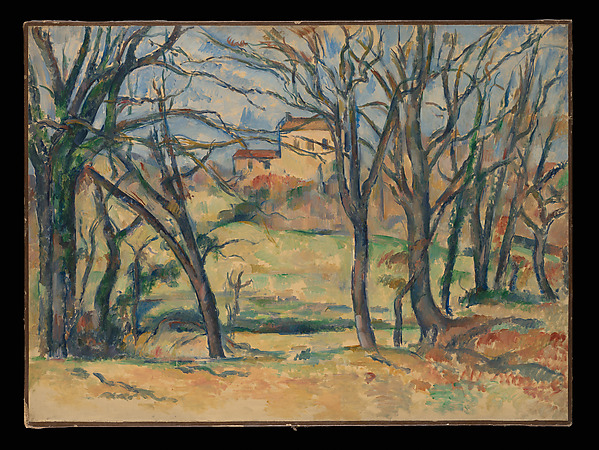
The Hanged Man's House (in French: La Maison du pendu, Auvers-sur-Oise) is an 1873 oil-on-canvas painting by the French Post-Impressionist artist Paul Cézanne. The painting is exhibited at the Musée d'Orsay in Paris.
作品データ
- 収蔵番号
- RF 1970
カタログ収録
出典
- ウィキデータ
- 画像: オルセー美術館 — Paul Cézanne · Public domain · Wikimedia Commons
その頃、Paul Cézanneの人生では
生涯をすべて見る1872
Working with Pissarro in Pontoise
At Pissarro's invitation he worked in Pontoise; his mentor persuaded him to abandon dark tones and paint with the three primary colors, which lightened Cézanne's palette.
1872
Son born: Paul Cézanne
4 January 1872
Birth of His Son Paul
Cézanne and Hortense Fiquet had a son, Paul. The relationship and the child were concealed from the artist's father for fear of losing his allowance.
late 1872 – 1874
Auvers-sur-Oise: Meeting Dr. Gachet
He lived with Hortense and their son in Auvers-sur-Oise, where he met the physician and art lover Paul Gachet (later Van Gogh's doctor), who made his studio available to him.
15 April – 15 May 1874
First Impressionist Exhibition
He took part in the first group exhibition of the future Impressionists in the studio of the photographer Nadar; his "A Modern Olympia" provoked critical outrage. "The House of the Hanged Man" was bought by Count Doria for 300 francs — one of the few paintings sold.
1875
Meeting the Collector Victor Chocquet
Through Renoir he met Victor Chocquet, a customs inspector and collector, who bought three of his works and became the artist's most devoted collector.