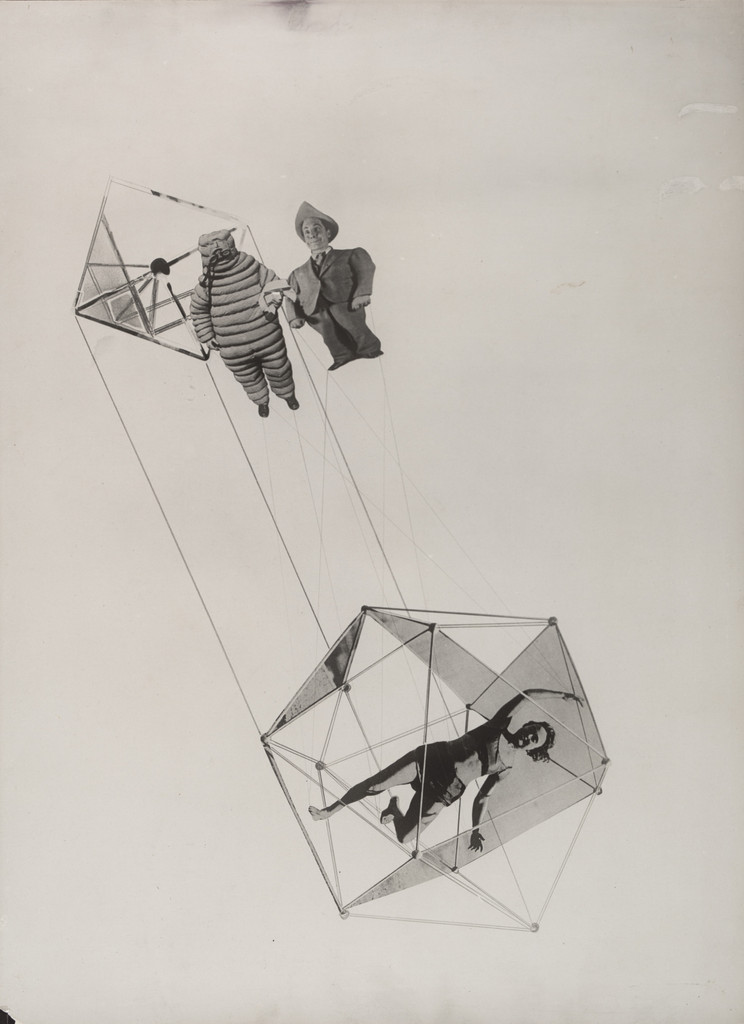
 László Moholy-Nagyアメリカ合衆国, 1895–1946
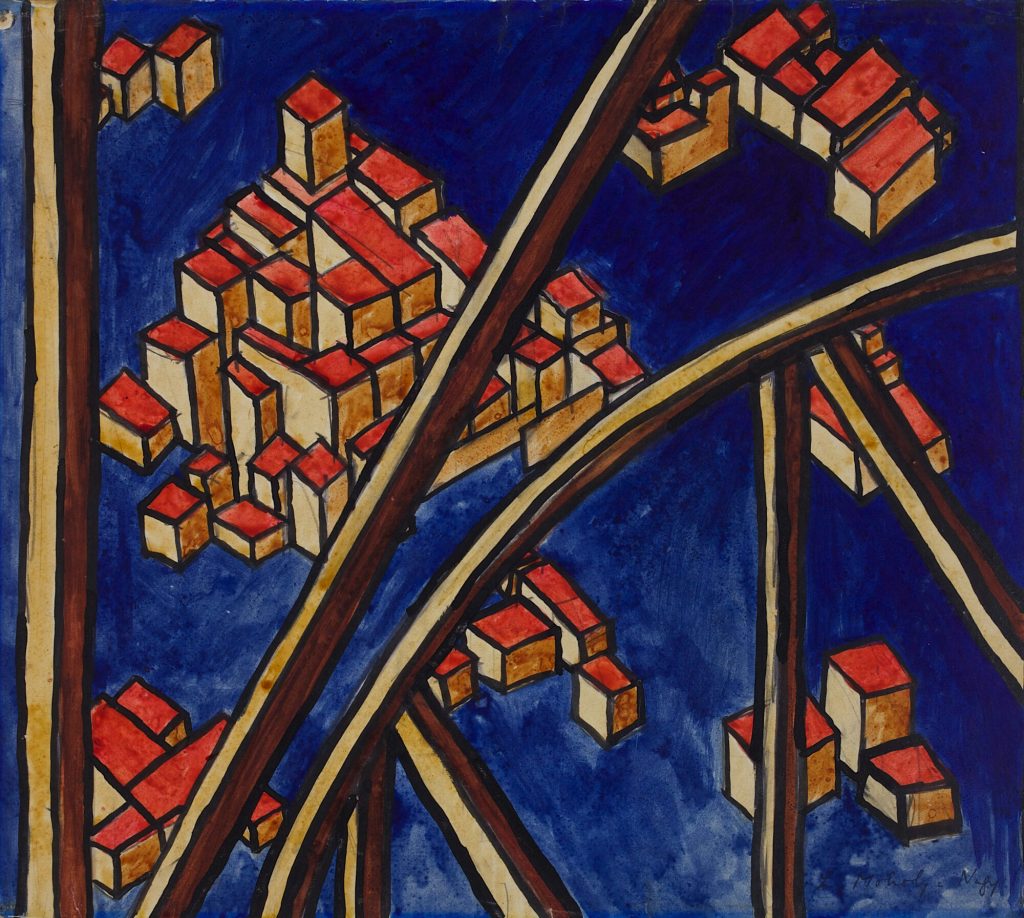
The Eternal Feminine
見られますか?
現在は展示されていません
『The Eternal Feminine』は今どこに? 所蔵: ニューヨーク近代美術館, ニューヨーク. 現在は展示されていません. 確認 2026年9月22日.

ニューヨーク, アメリカ合衆国
コレクションに属していますが、現在は展示されていません。
- 確認
- 出典
- 美術館
作品データ
- 収蔵番号
- 496.1939
カタログ収録
出典
- ニューヨーク近代美術館
- 画像: ニューヨーク近代美術館 — © the artist or rights holder
その頃、László Moholy-Nagyの人生では
生涯をすべて見る1920–1933 · 居住
Berlin
1925
The book “Painting, Photography, Film”
Published in the Bauhaus Books series, it is where Moholy-Nagy chose the word “photosculpture” for his photomontages and advanced the idea of “New Vision” — that the camera could show the world as the eye cannot. He was the first interwar artist to suggest using the telescope, microscope and radiography in art; in 1929 the book appeared in Moscow as “Painting or Photography”.
1927–1929
Photography editor of “i 10”
From 1927 to 1929 Moholy-Nagy was photography editor of the Dutch avant-garde magazine International Revue i 10.
1928
Leaves the Bauhaus for his own Berlin studio
In 1928 Moholy-Nagy left the Bauhaus (Marianne Brandt took over the metal workshop) and set up his own design studio in Berlin, employing István Seboek, György Kepes and Andor Weininger. He designed sets for operatic and theatrical productions (including Erwin Piscator's political theatre) as well as exhibitions and books, ad campaigns and films.
1929
Helps organise “Film und Foto” in Stuttgart
Moholy-Nagy was brought in to help organise the famous “Film und Foto” exhibition in Stuttgart.
1929
Separates from Lucia
In 1929 Moholy-Nagy separated from his first wife Lucia, photographer and collaborator in his photogram experiments.