Diego Riveraメキシコ, 1886–1957
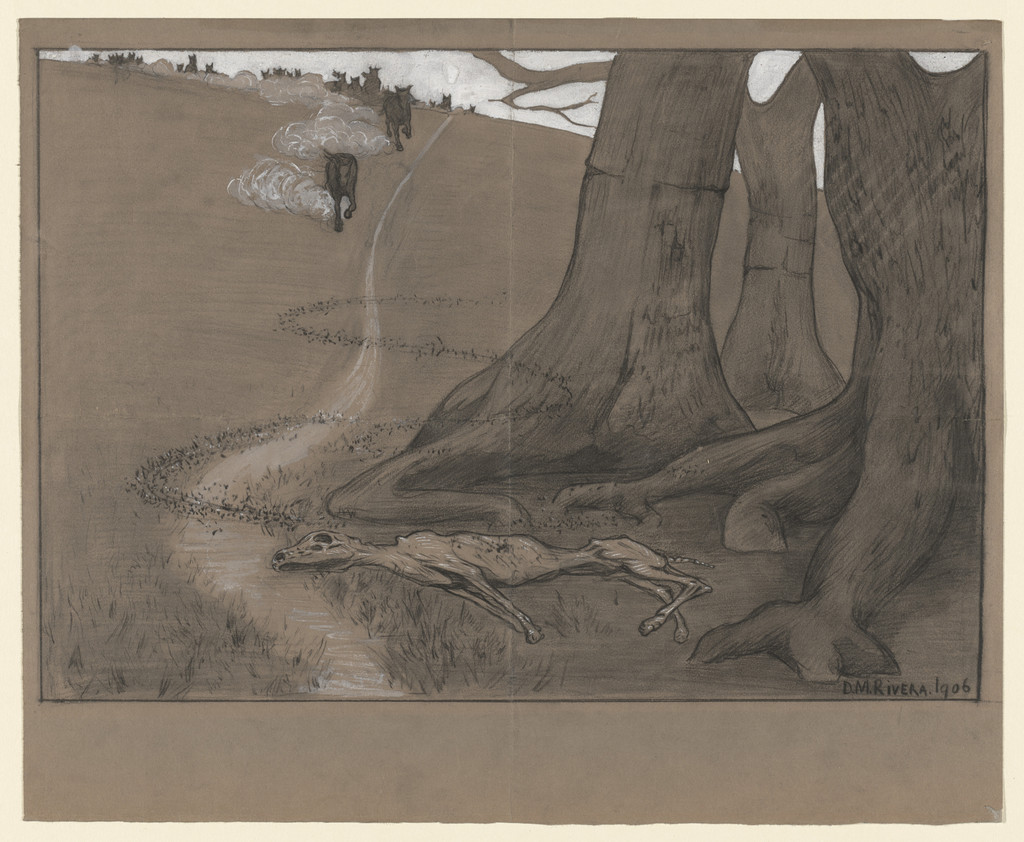
The Café Terrace
お目にかかれますか?
はい、お客様をお迎えしています

ニューヨーク, アメリカ合衆国
一般公開されています。
- 確認
- この状態になった日
- 出典
- 美術館
作品データ
- 収蔵番号
- 49.70.51
カタログ収録
出典
- メトロポリタン美術館
- 画像: Wikimedia Commons — Public domain
その頃、Diego Riveraの人生では
生涯をすべて見る1909–1920
Move to Paris
After studying in Madrid, Rivera settled in Paris, where he lived and worked from 1909 to 1920; he was closely acquainted with the Parisian artistic elite, including Pablo Picasso and Alfonso Reyes.
1910s
An affair with Marevna
For about half a year Rivera's lover was Marevna (Maria Vorobieff-Stebelska), a Russian artist and memoirist of Polish origin; in 1919 she gave birth to a daughter, Marika, whom Rivera did not acknowledge.
1913–1917
Immersion in Cubism
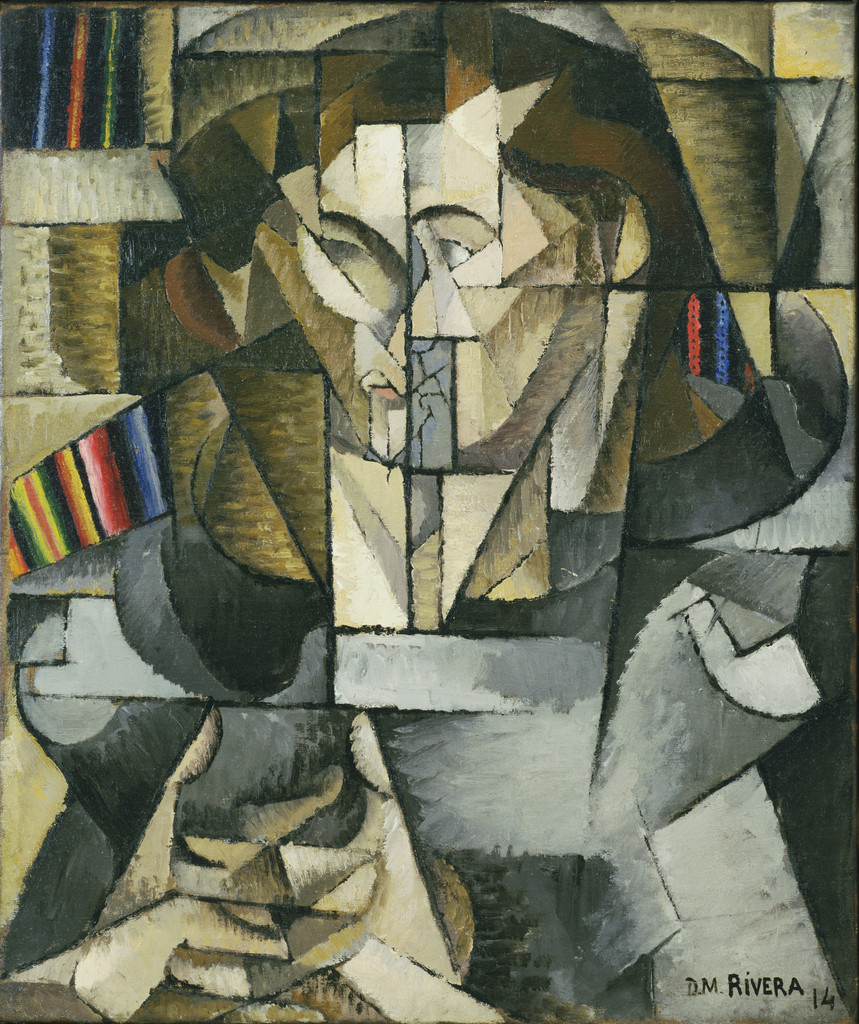
From 1913 to 1917 Rivera enthusiastically embraced Cubism, the movement then led by Pablo Picasso and Georges Braque.
1914
Modigliani paints Rivera's portrait
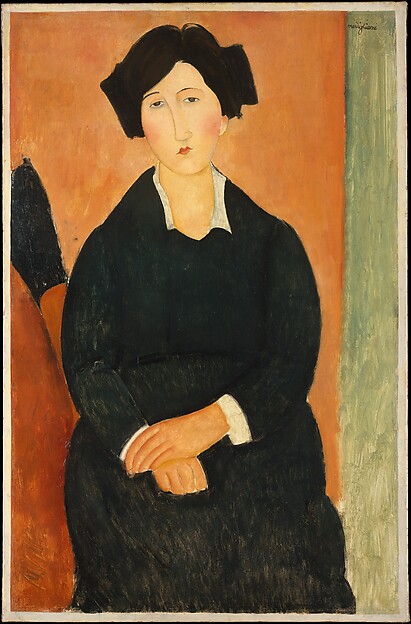
At La Ruche, where Rivera's circle gathered, his Italian friend Amedeo Modigliani painted his portrait; the close circle also included Ilya Ehrenburg, Chaïm Soutine, Max Jacob, Léopold Zborowski, Moise Kisling and Modigliani's wife Jeanne Hébuterne.
1916–1918
The birth and death of his son Diego
Rivera and Angelina Beloff had a son, Diego (1916–1918), the artist's first child and only son, who died at the age of two.
c. 1917
A turn to Post-Impressionism
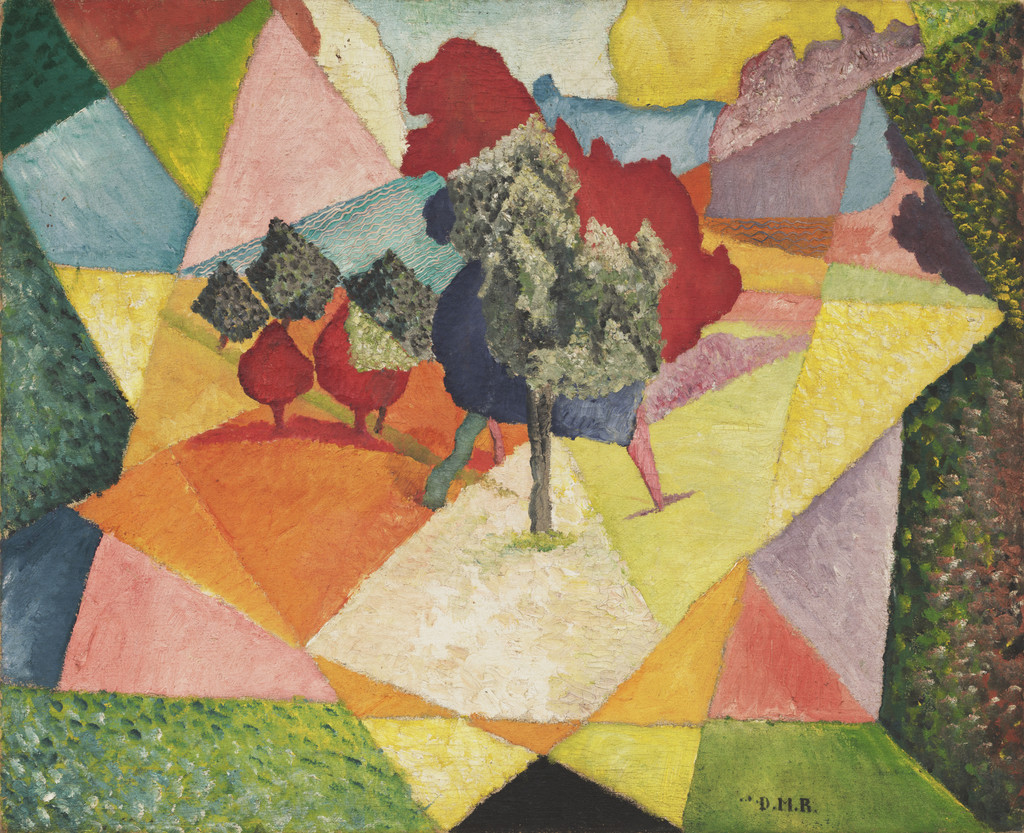
Around 1917, inspired by the paintings of Paul Cézanne, Rivera turned to Post-Impressionism, with simple forms and large patches of vivid colour; his paintings began to attract attention and were shown at several exhibitions.




_MET_DP236124.jpg?width=1280)