Walker Evansアメリカ合衆国, 1903–1975
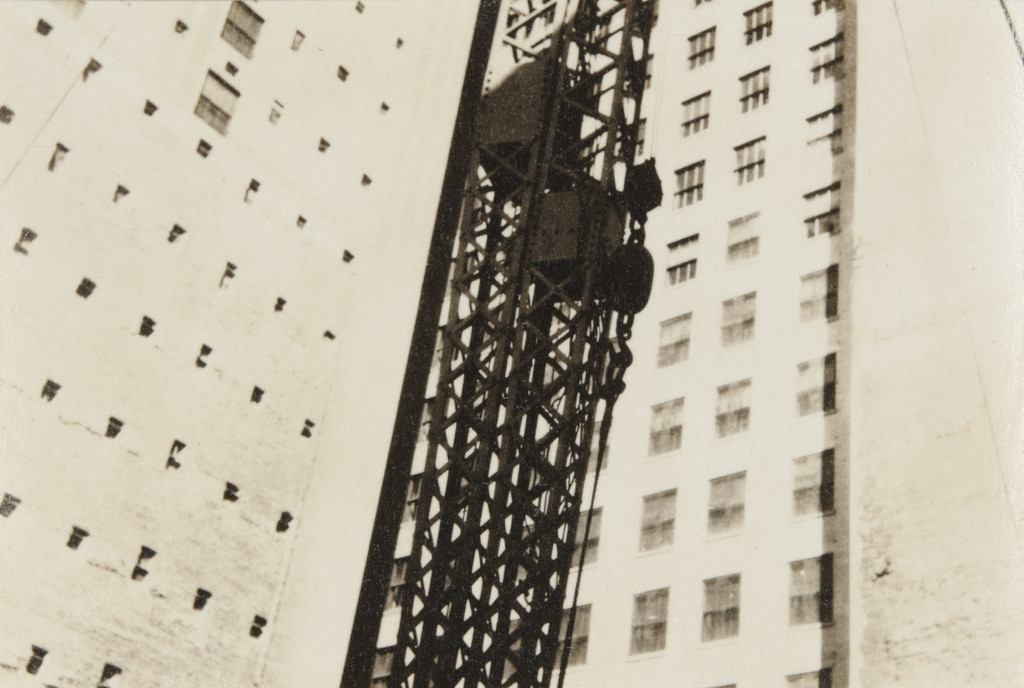
The Brooklyn Bridge
見られますか?
不明
『The Brooklyn Bridge』は今どこに? 所蔵: イエール大学美術館, ニュー・ヘイヴン. 現在展示中かどうかは不明.
ニュー・ヘイヴン, アメリカ合衆国
所蔵者は判明していますが、現在展示中かどうかは不明です。
- この状態になった日
- 出典
- 美術館
作品データ
- 収蔵番号
- 1998.73.1.1
カタログ収録
出典
- イエール大学美術館
- 画像: イエール大学美術館 — Image: Yale University Art Gallery · In Copyright
その頃、Walker Evansの人生では
生涯をすべて見る1928
Taking up photography
In 1928, around the time he is living in Ossining, New York, Evans takes up photography; his influences include Eugène Atget and August Sander.
May – June 1933
An assignment in Cuba
In May and June 1933 Evans takes photographs in Cuba on assignment for Lippincott, the publisher of Carleton Beals' “The Crime of Cuba”, a “strident account” of the dictatorship of Gerardo Machado. He documents street life, the presence of police, beggars and dockworkers in rags, and other waterfront scenes; 31 of his photographs will appear in Beals' book.
1935
A miners' settlement and a staff post at the RA
In 1935 Evans spends two months on a fixed-term photographic campaign in West Virginia and Pennsylvania; in June he accepts a job from the U.S. Department of the Interior to photograph a government-built resettlement community of unemployed coal miners in West Virginia. He quickly parlays this temporary employment into a full-time position as an “information specialist” in the Resettlement Administration (later the Farm Security Administration) and from October 1935 on does photographic work for it, primarily in the Southern United States.
1938
“Walker Evans: American Photographs” at MoMA
The Museum of Modern Art in New York holds “Walker Evans: American Photographs”, the museum's first exhibition devoted to the work of a single photographer; the catalogue includes an essay by Lincoln Kirstein, whom Evans befriended in his early days in New York.
1941
“Let Us Now Praise Famous Men” is published
Evans's photographs and Agee's text detailing the duo's stay with three white tenant families in southern Alabama during the Great Depression are published as the groundbreaking book “Let Us Now Praise Famous Men”. Its detailed account of three farming families paints a deeply moving portrait of rural poverty.
1975年4月10日
Died