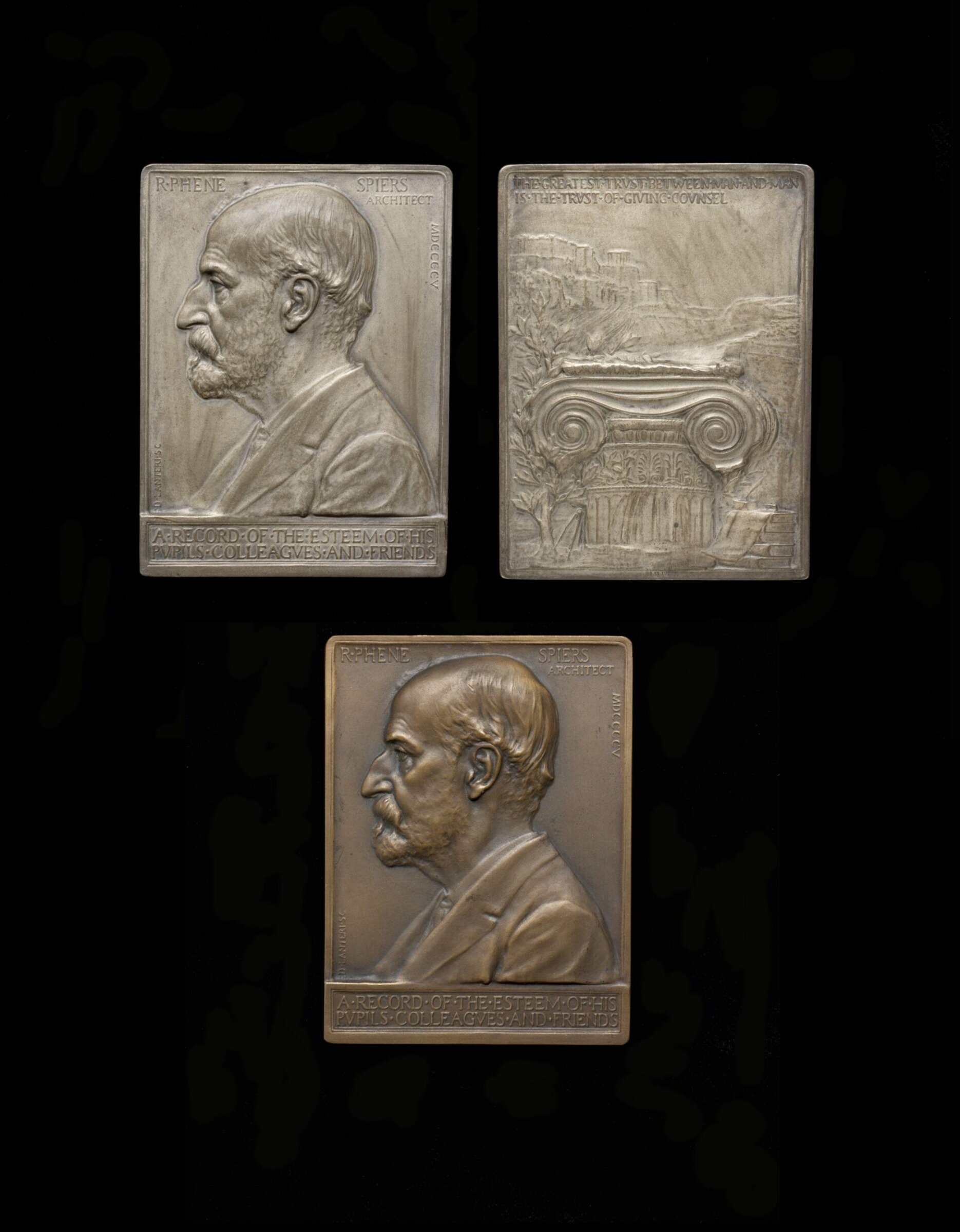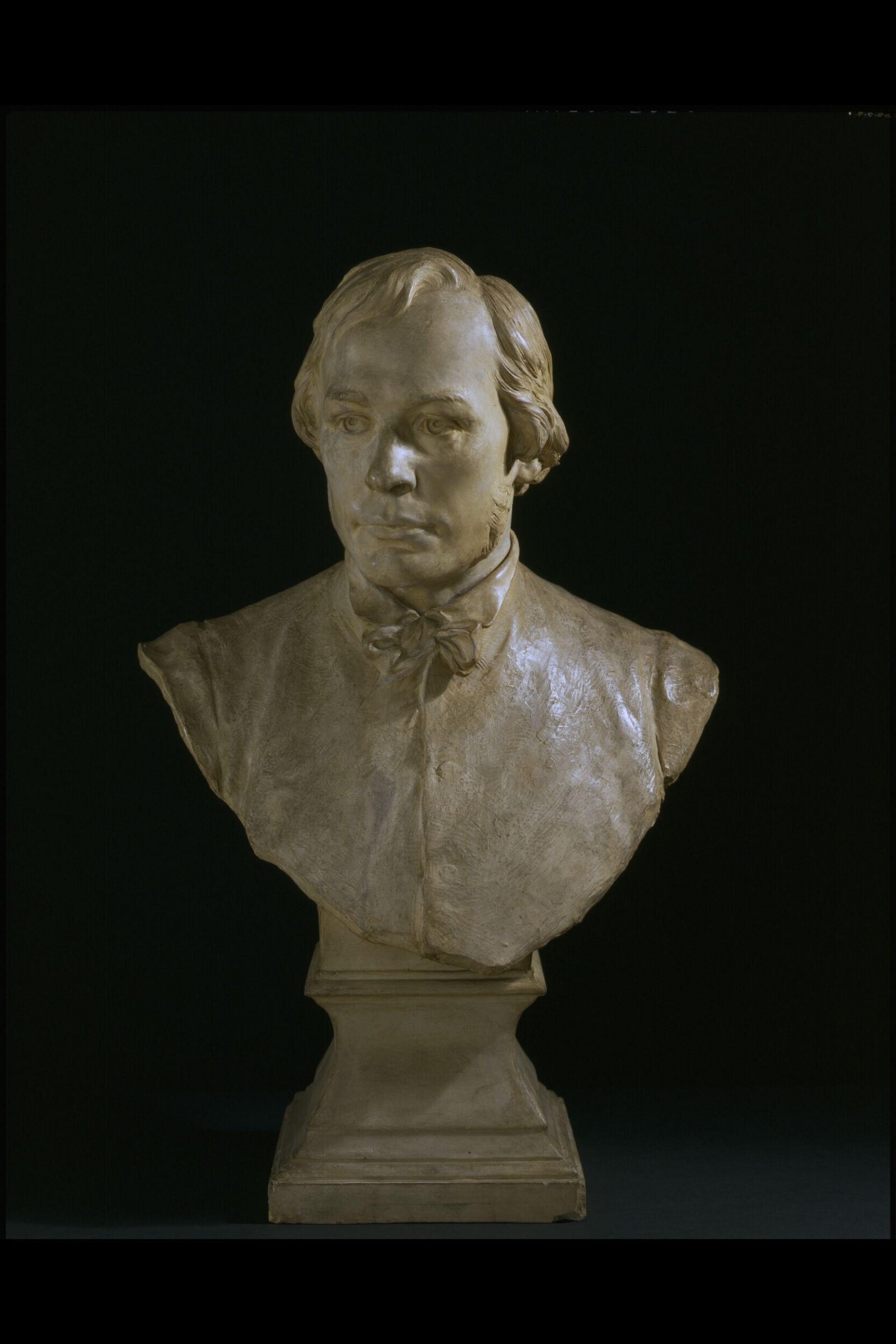
 Edouard Lanteri1848–1917
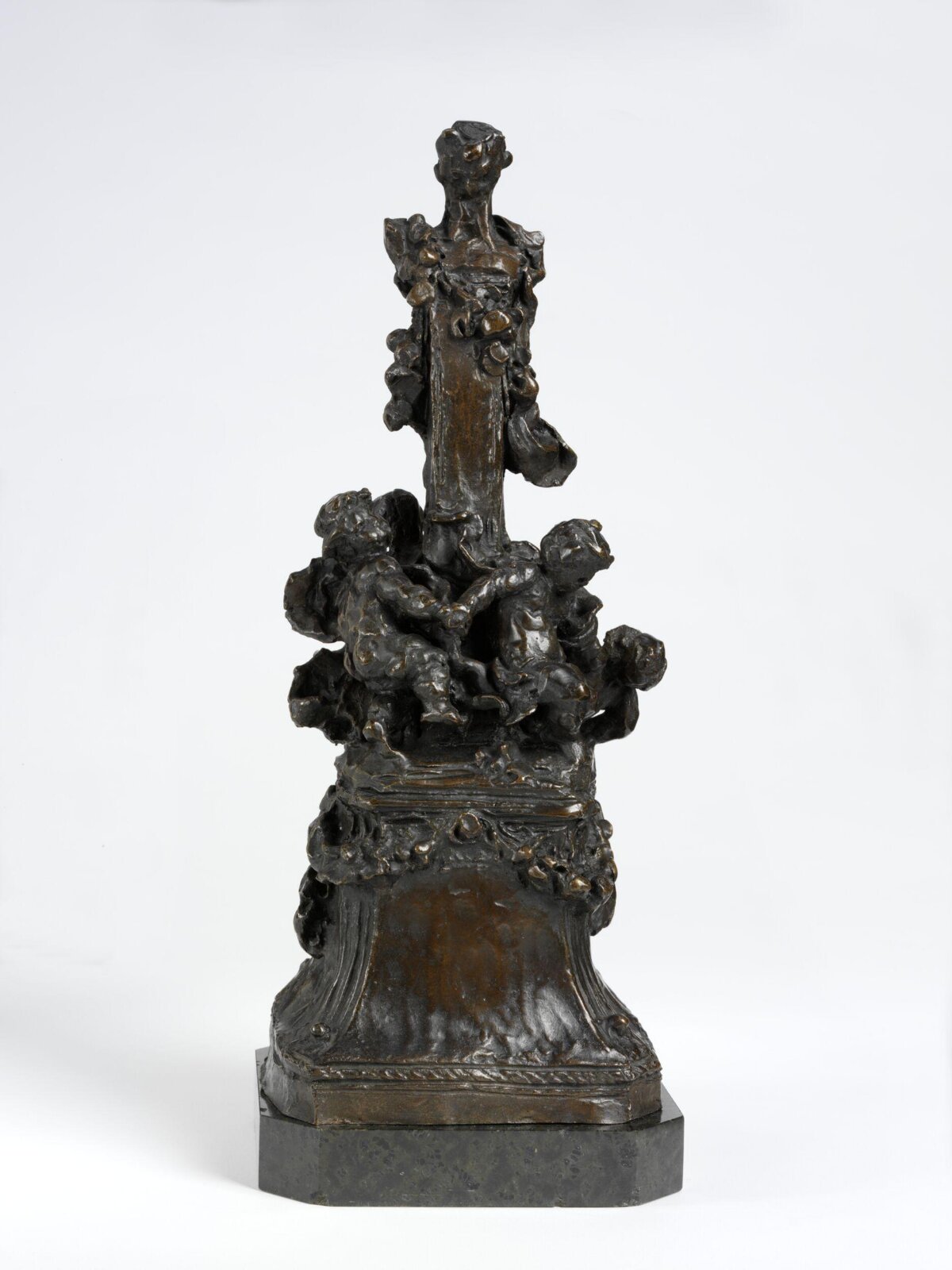
Term with Putti
お目にかかれますか?
はい、お客様をお迎えしています

一般公開されています。裏付けとなる出典は下に記しています。
- 確認
- この状態になった日
- 出典
- 美術館自身の所蔵データ
About the sculpture
This bronze showing a term with four dancing putti, was made by Edouard Lanteri around 1900 in England. It was cast from a terracotta 'sketch for a garden decoration', which does not seem to have been carried out; its liveliness of handling and composition reveal the sculptor's French origins.
Read on
Lanteri’s fully committed practice as a studio assistant, and then as a teacher meant that his personal output was relatively scant. According to William Kineton Parkes, ‘he designed many decorative objects for gardens and similar purposes’. Of this object (which he most likely saw as a terracotta) the art critic M.H. Spielmann wrote in 1901: ‘The lighter side [of Lanteri’s art] could not be better displayed than in the “Sketch for a garden Decoration” in which the best French tradition is allied to the solidity of Grinling Gibbons, let us say. Richness, joyousness, fine sensuousness, and movement are in this work, which ought not to be allowed to remain in this state [of a sketch] but carried out’.
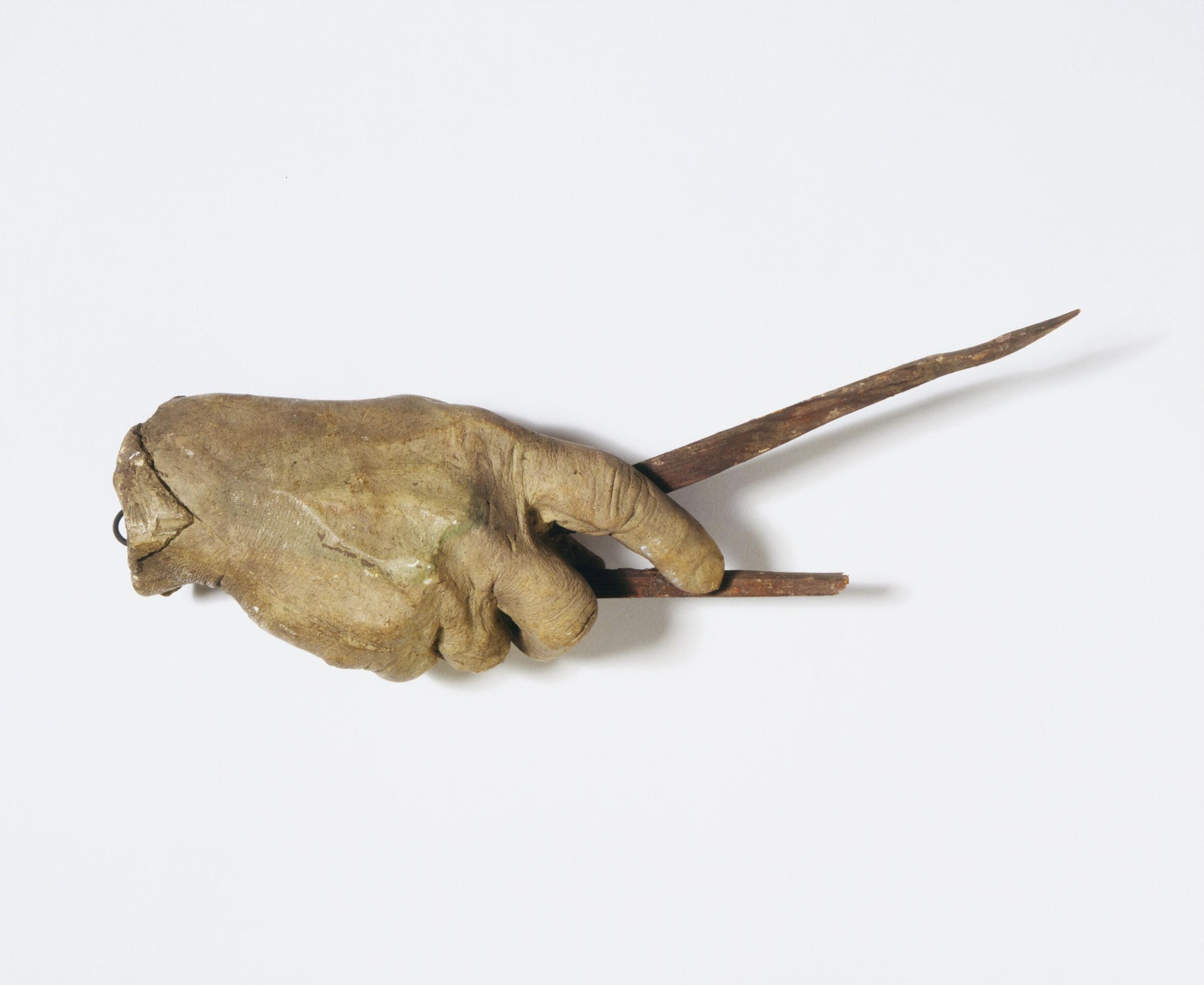
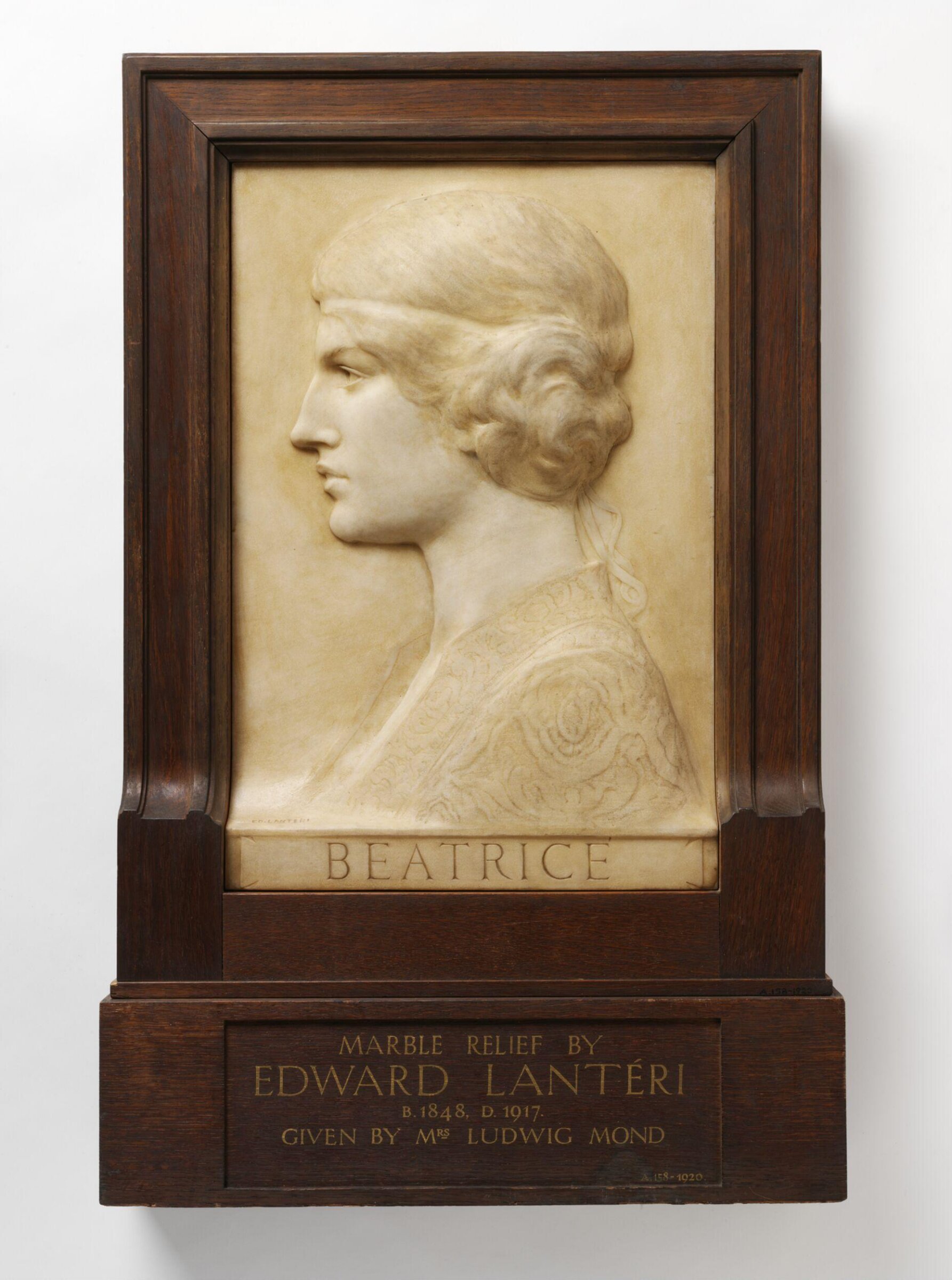
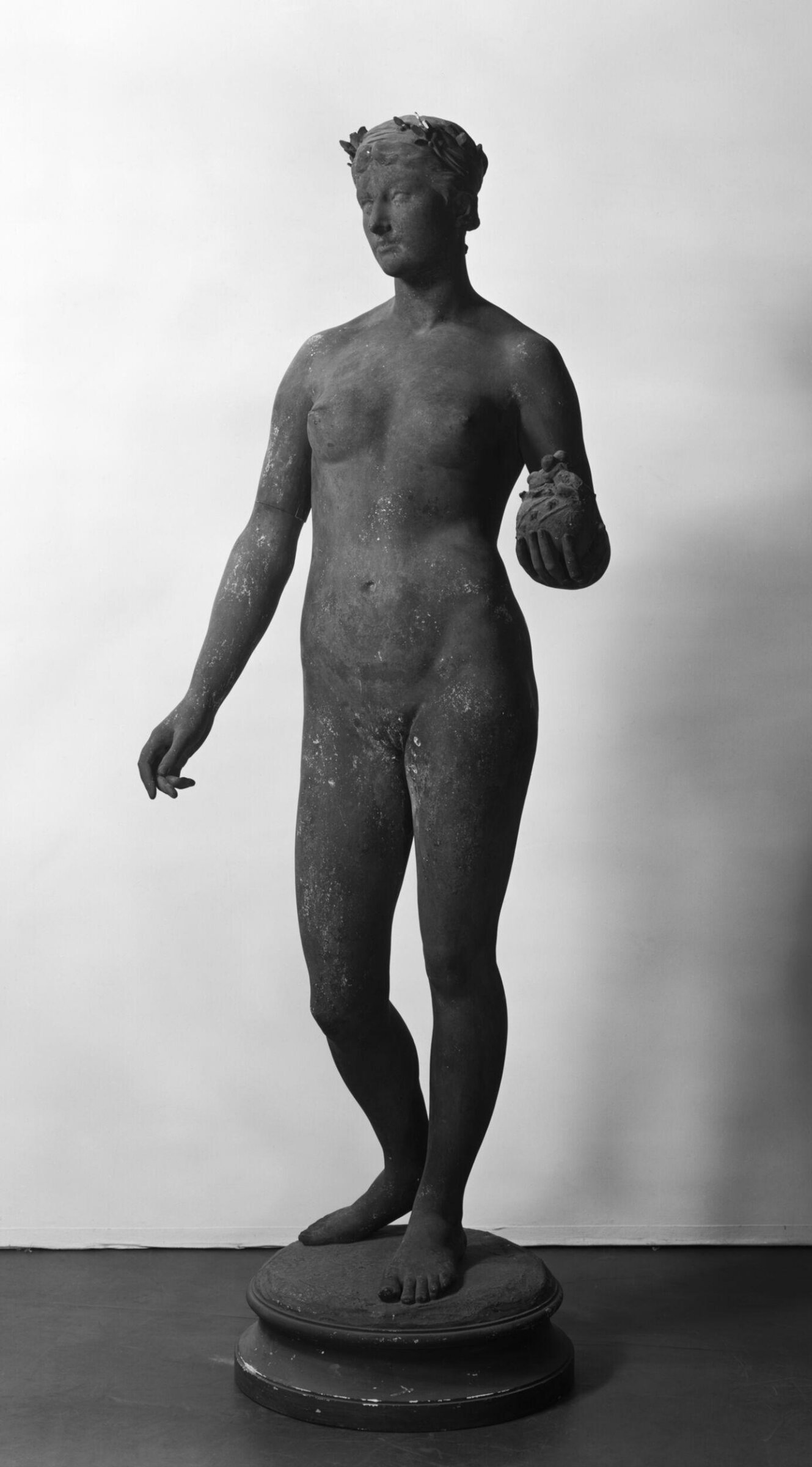
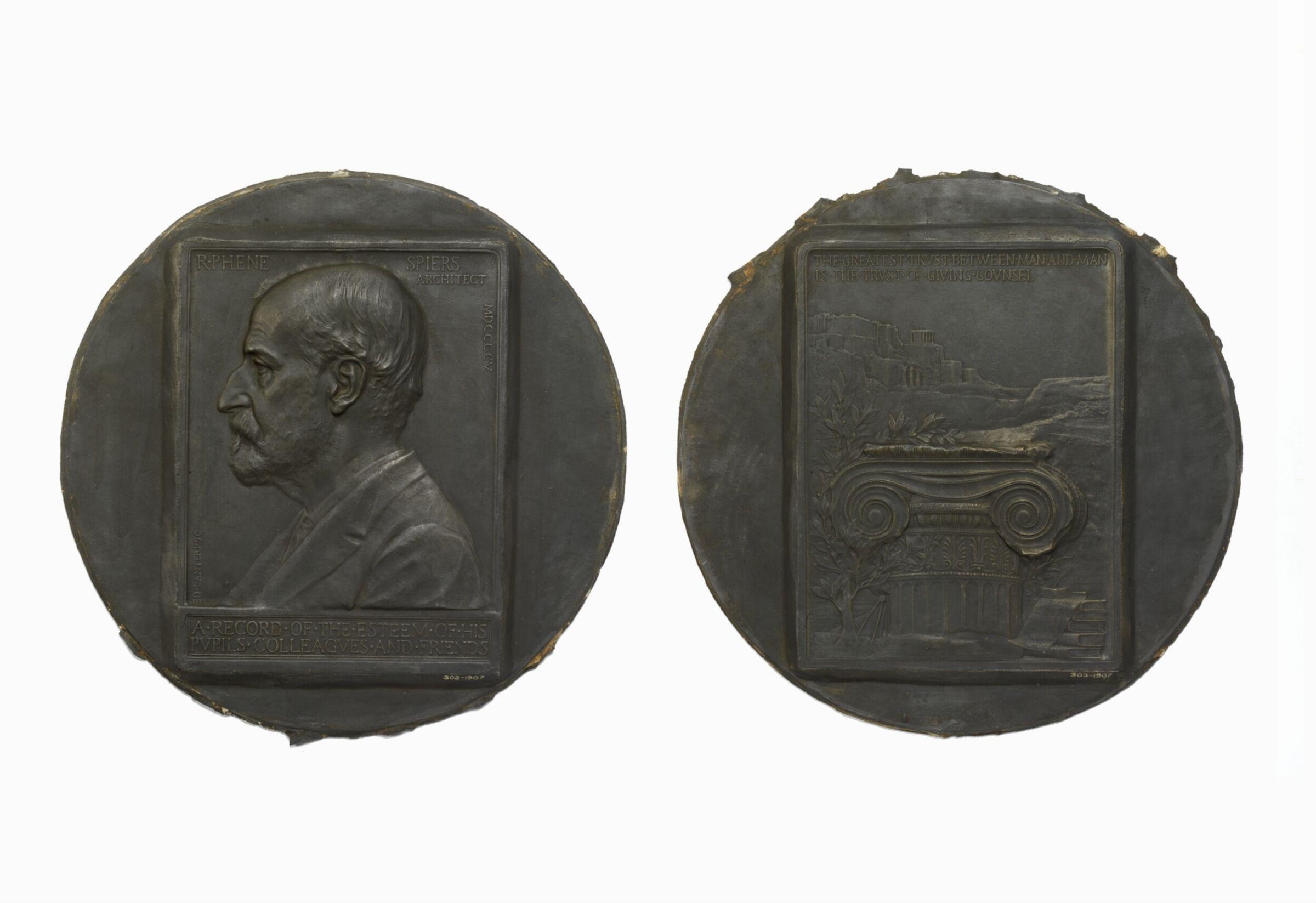
Lanteri (1848-1917), a sculptor and medallist, was a native of Burgundy, and initially trained under Aimé Millet (1819-1891) and Horace Lecoc de Boisbaudran (1802-1897) at La Petite Ecole, and later at the École des Beaux-Arts under Eugène Guillaume (1822-1905) and Pierre-Jules Cavalier. On Dalou's recommendation, Lanteri settled in England from 1872, and was naturalised in 1901. At the age of 23 he became chief assistant to Sir Joseph Edgar Boehm a position he held until Boehm's death in 1890. In 1880 Lanteri succeeded Dalou as Master of Modelling at the National Art Training School (now Royal College of Art), and in 1900 became the first Professor of Modelling. During 1905/6 he supervised students working on the figures of Fame, Sculpture and Architecture for the Exhibition Road façade of the Museum. Using his teaching notes as the basis Lanteri wrote a three-volume text 'Modelling: a Guide for Teachers and Students' (published in 1902, 1904 and 1911) which soon became the standard work in the field.
ヴィクトリア&アルバート博物館
作品データ
- 収蔵番号
- A.21-1971
What it shows
カタログ収録
出典
- ヴィクトリア&アルバート博物館: the museum's own open data · 10 日前に取得
- 画像: ヴィクトリア&アルバート博物館 — © Victoria and Albert Museum, London