 Jacopo Tintorettoイタリア, 1518–1594
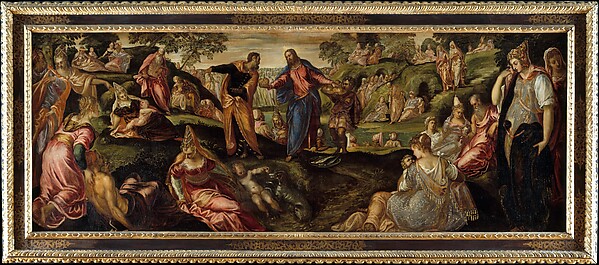
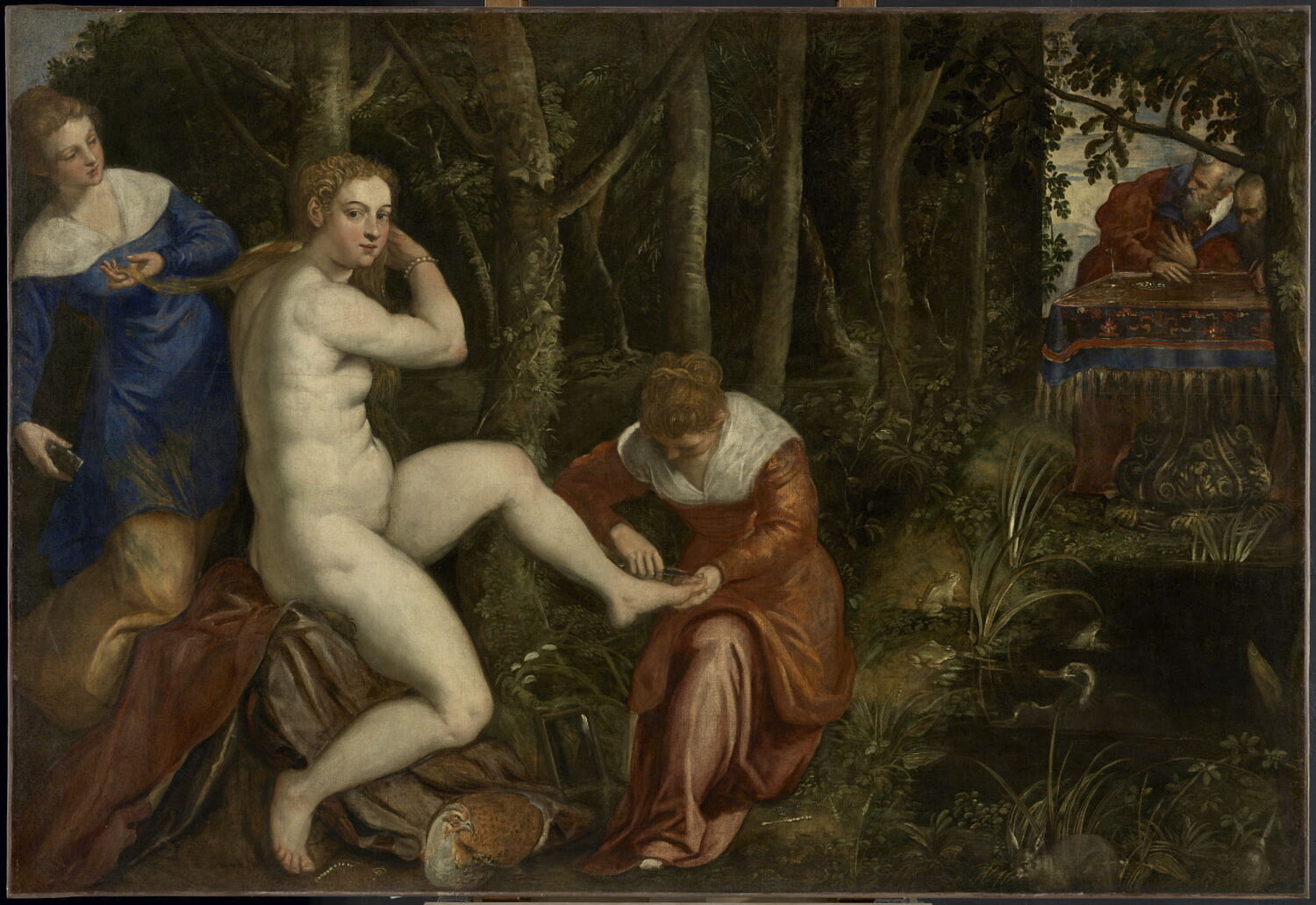
Suzanne au bain
お目にかかれますか?
はい、お客様をお迎えしています

一般公開されています。裏付けとなる出典は下に記しています。
- 確認
- 9 日前
- この状態になった日
- 2026年9月26日
- 出典
- 美術館自身の所蔵データ
About the painting
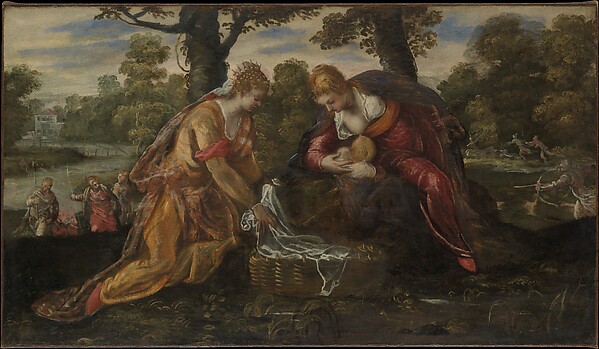
『水浴のスザンナ』(すいよくのスザンナ、仏: Suzanne au bain、英: Susanna in the Bath)は、イタリア・ルネサンスのヴェネツィア派の巨匠ティントレットが1555年にキャンバス上に油彩で制作した絵画である。『旧約聖書』の「ダニエル書」にあるスザンナの水浴の物語を主題としており、ティントレットが同主題で描いた何点かの絵画のうちの1点である。作品は本来、イングランド王チャールズ1世のコレクションにあったが、1684年にルイ14世に取得され、フランスの王室コレクションの所有となった。現在、パリのルーヴル美術館に所蔵されている。
作品データ
- 収蔵番号
- INV 568
出典
- ルーヴル美術館: the museum's own open data · 9 日前に取得
- 画像: ルーヴル美術館 — © 2025 GrandPalaisRmn (musée du Louvre) / Mathieu Rabeau
その頃、Jacopo Tintorettoの人生では
生涯をすべて見るc. 1540s
Models of Michelangelo’s sculptures and the studio motto
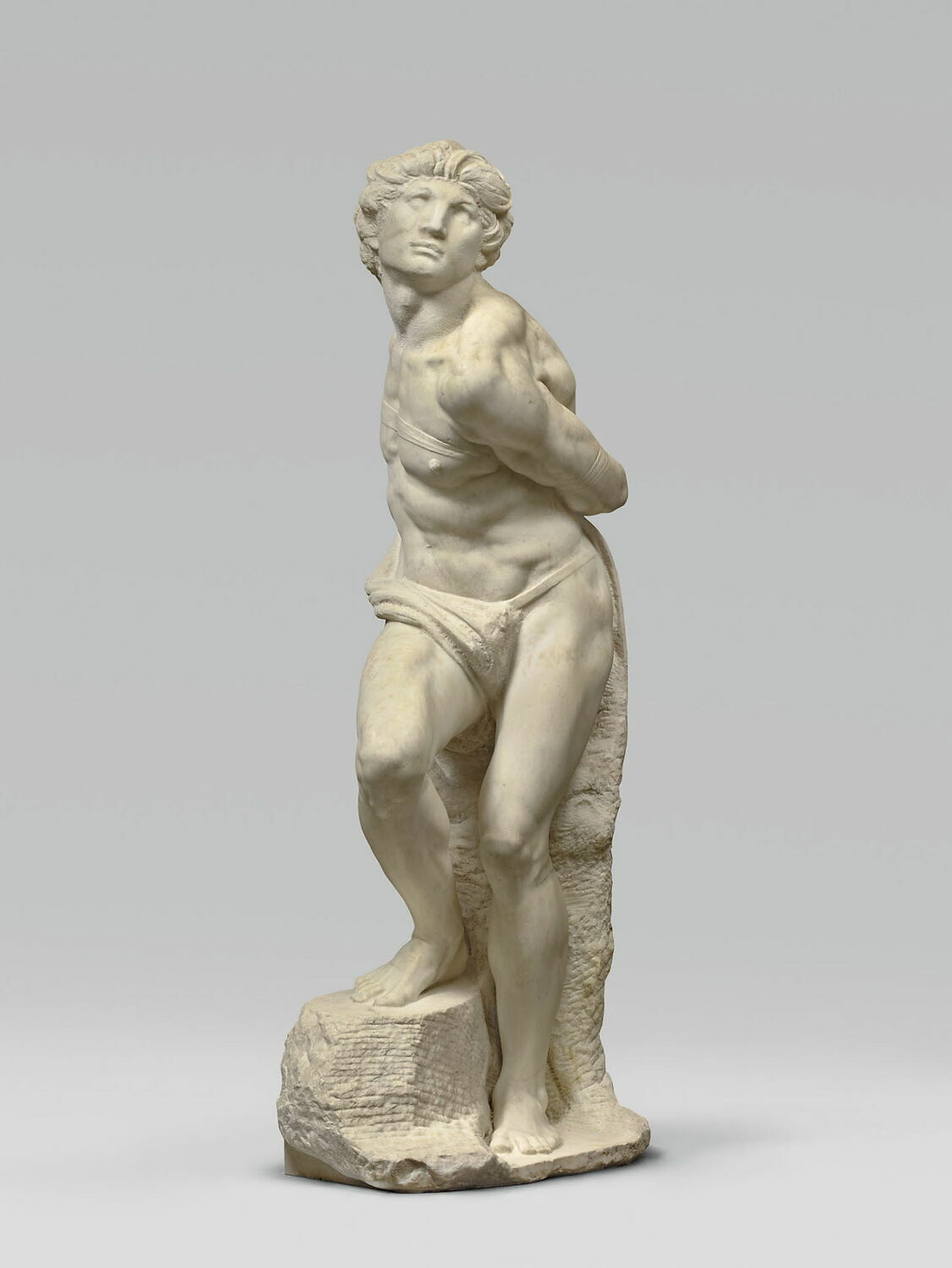
Possibly in the 1540s he acquired models of Michelangelo’s Dawn, Day, Dusk and Night, which he and his workshop studied in numerous drawings made from all angles on blue paper. He placed an inscription over his studio: “Michelangelo’s drawing and Titian’s colour”.
c. 1560
Begins work in the Doge’s Palace
It was probably then that he began his numerous paintings for the Doge’s Palace; the first there was a portrait of the Doge Girolamo Priuli.
c. 1560
Marriage to Faustina de Vescovi
His second wife, the daughter of a Venetian nobleman who was guardian grande of the Scuola Grande di San Marco, proved a careful housekeeper able to mollify her husband: she made him wear the robe of a Venetian citizen outdoors and wrapped money in a handkerchief for him, expecting a strict accounting, and he would reply that he had spent it on alms for the poor or for prisoners. Three sons and four daughters survived to adulthood.
1564
The San Rocco competition: a finished ceiling instead of a sketch
Of the four finalists (Tintoretto, Federico Zuccaro, Giuseppe Salviati and Paolo Veronese) invited to submit models for a ceiling painting of Saint Roch in Glory for the Sala dell’Albergo, Tintoretto produced no sketch: he secretly installed a full-sized finished painting on the ceiling and on the day of the competition offered it as a gift — perhaps aware that a bylaw prohibited rejecting any gift. The ruse has been called “the most notorious incident” of his career.
1577
A fire in the Doge’s Palace destroys his paintings
A fire destroyed his works in the palace — the “Excommunication of Frederick Barbarossa by Pope Alexander III” and the “Victory of Lepanto”; after the fire he started afresh, with Paolo Veronese as colleague.
November 1577
The contract: the whole Scuola for 100 ducats a year
In November 1577 he offered to execute the works for the whole scuola and the church of San Rocco at 100 ducats a year, with three pictures due each year; the proposal was accepted and punctually fulfilled, only the painter’s death preventing some ceiling subjects from being executed. The whole sum paid for the scuola was 2,447 ducats; the scuola and the church contain fifty-two memorable paintings.