 Joan Miróスペイン王国, 1893–1983
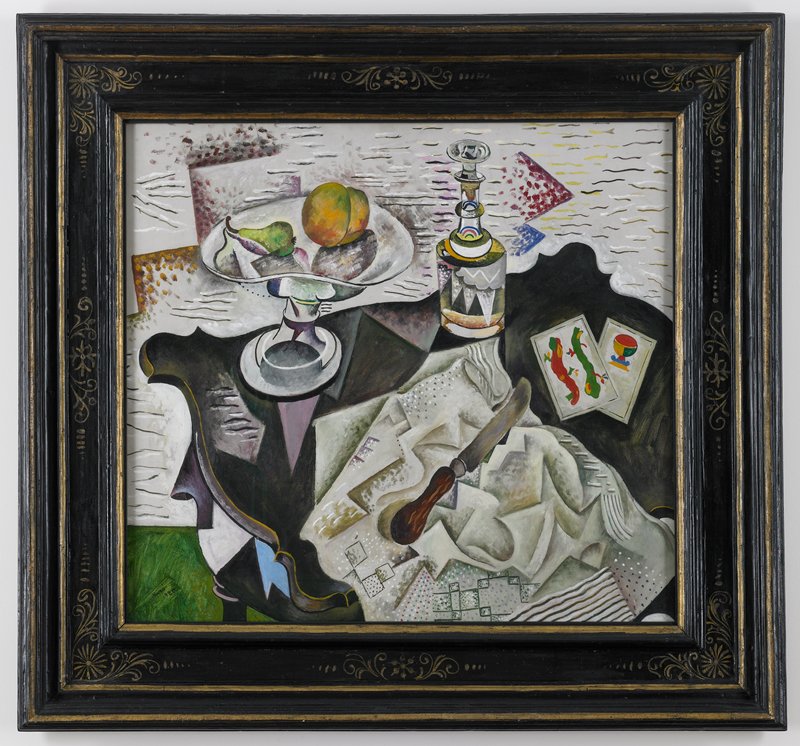
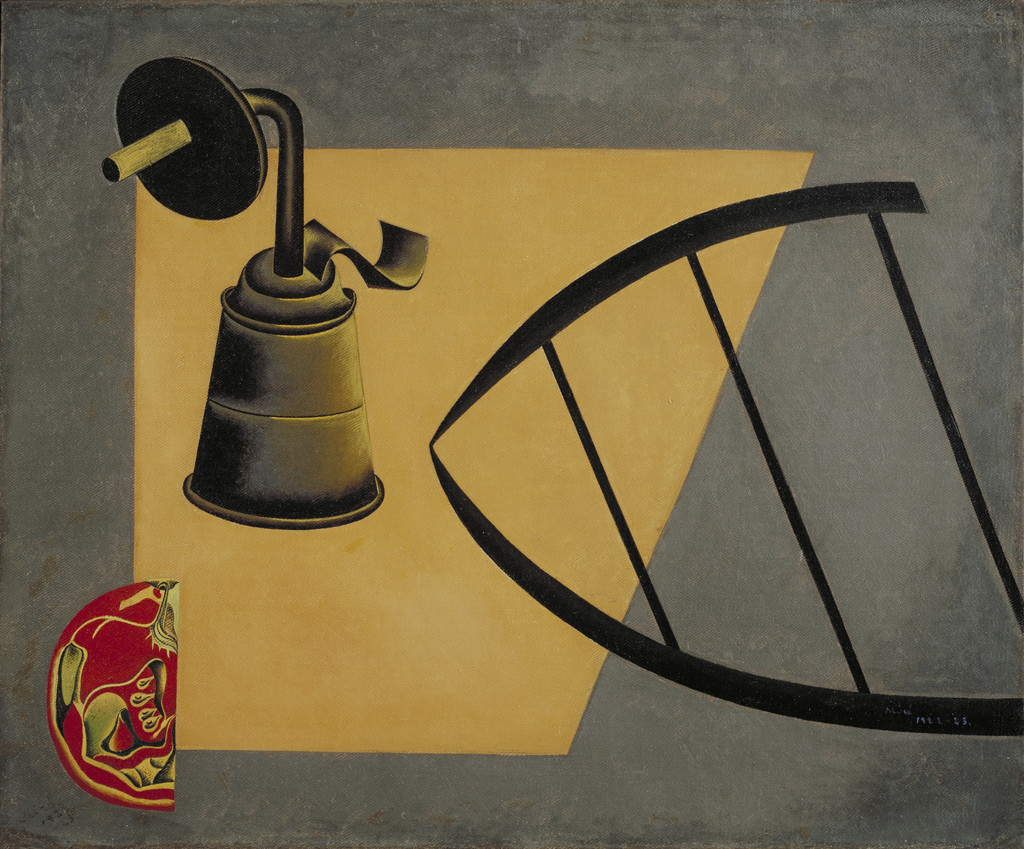
Still Life II
見られますか?
現在は展示されていません
『Still Life II』は今どこに? 所蔵: ニューヨーク近代美術館, ニューヨーク. 現在は展示されていません. 確認 2026年9月22日.

ニューヨーク, アメリカ合衆国
コレクションに属していますが、現在は展示されていません。
- 確認
- 出典
- 美術館
作品データ
- 収蔵番号
- 12.1939
カタログ収録
出典
- ニューヨーク近代美術館
- 画像: ニューヨーク近代美術館 — © the artist or rights holder
その頃、Joan Miróの人生では
生涯をすべて見る1920
Moves to Paris
Inspired by Fauve and Cubist exhibitions, Miró was drawn to the artistic community gathering in Montparnasse and moved to Paris, though he continued to spend his summers in Catalonia.
1920
Meets Picasso
In Paris Miró met Picasso and other artists.
1921
His first solo show in Paris
Josep Dalmau arranged Miró's first Parisian solo exhibition at the Galerie la Licorne.
1924
Joins the Surrealist circle
Miró joined the Surrealist circle, whose dream-like automatism suited his symbolic and poetic art, but chose not to become an official member so as to experiment freely; Breton called him “the most Surrealist of us all”.
1925
Friendship with Robert Desnos
Miró became friends with the poet Robert Desnos; they soon planned a livre d'artiste together, but the Spanish Civil War and World War II put the plans on hold. Desnos died in 1945, shortly after his release from the concentration camps.
second half of the 1920s
A language of signs and ideograms
In “Person Throwing a Stone at a Bird” and “Dog Barking at the Moon” (both 1926) a set of recurrent ideograms took shape: symbols of space — horizon, waves, heavenly bodies — and “mediating symbols” — birds, a ladder to the sky, an eye, an ear, a figure with giant feet.