 Alessandro Algardiイタリア, 1595–1654
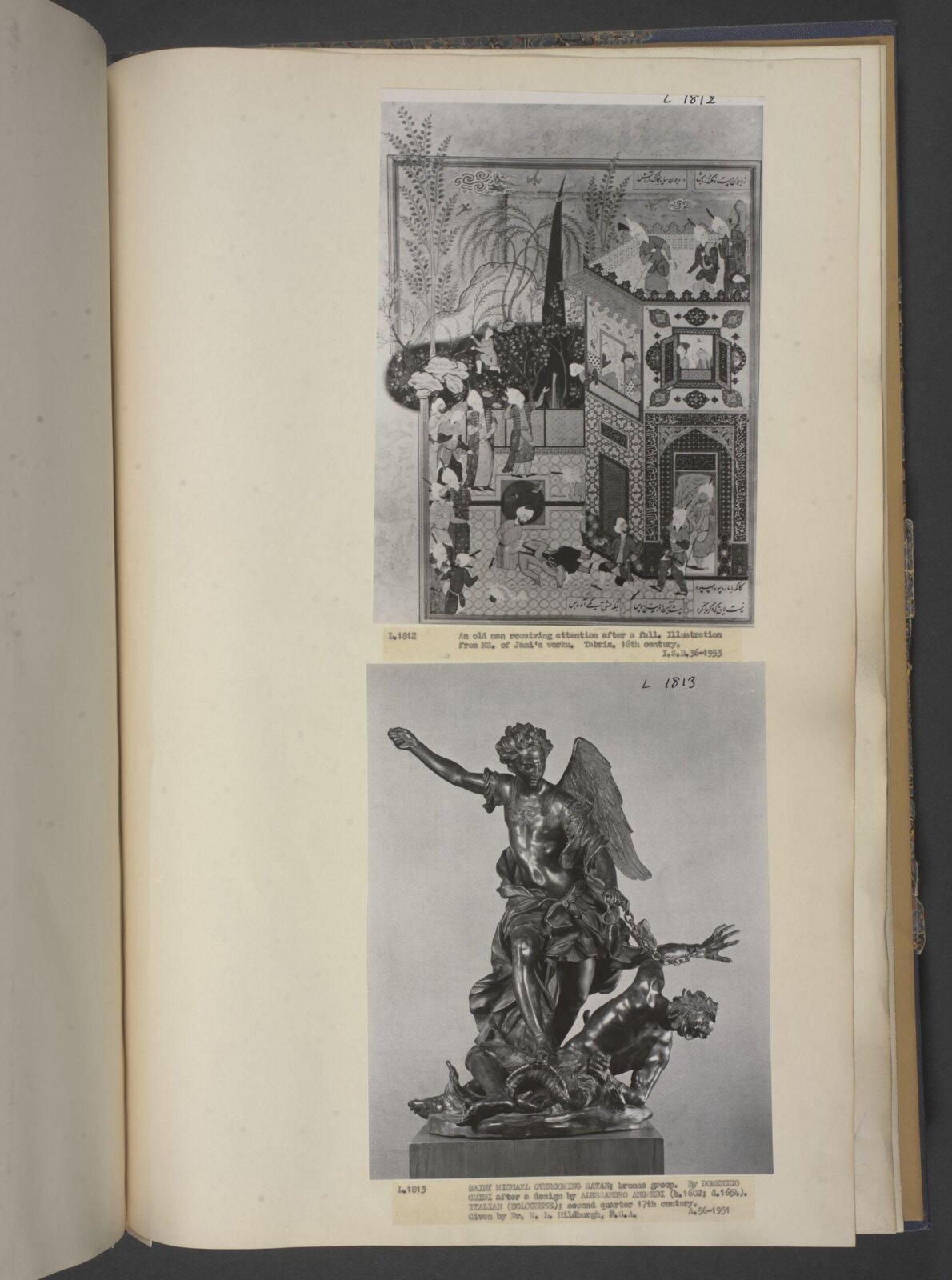
St Michael Overcoming Satan
お目にかかれますか?
ただいまはお迎えしていません

ヴィクトリア&アルバート博物館
ロンドン, イギリス
コレクションに属していますが、現在は展示されていません。
- 確認
- この状態になった日
- 出典
- 美術館
この彫刻について
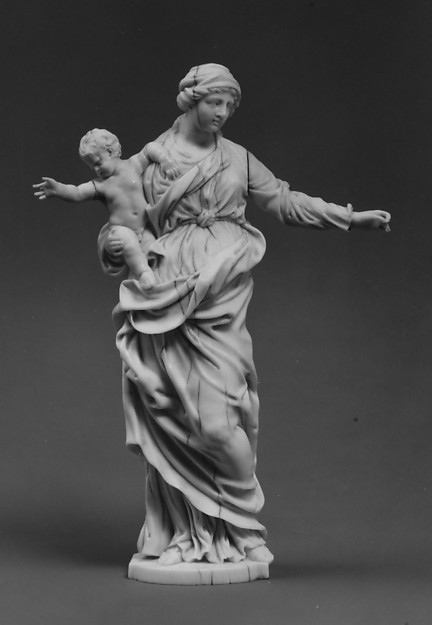
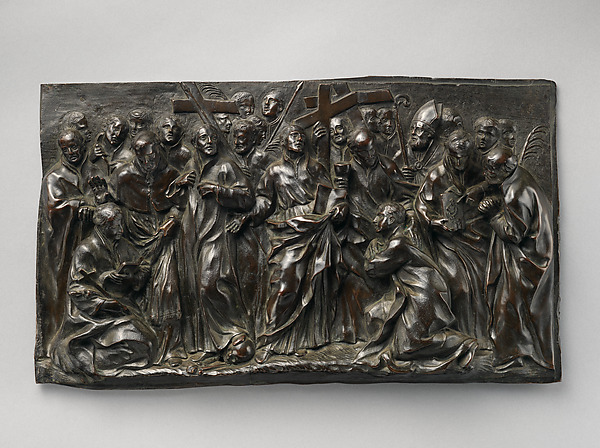
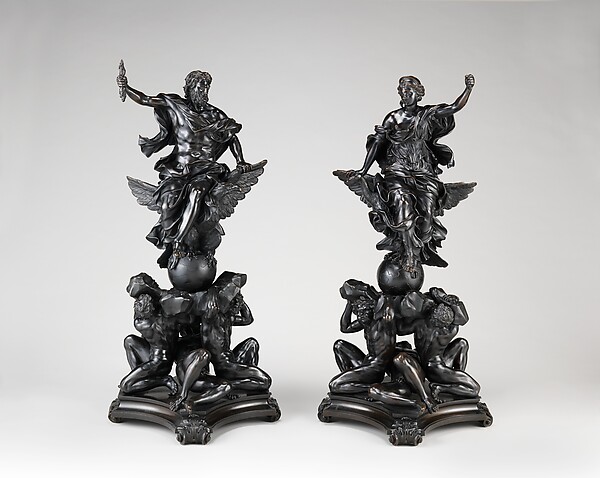
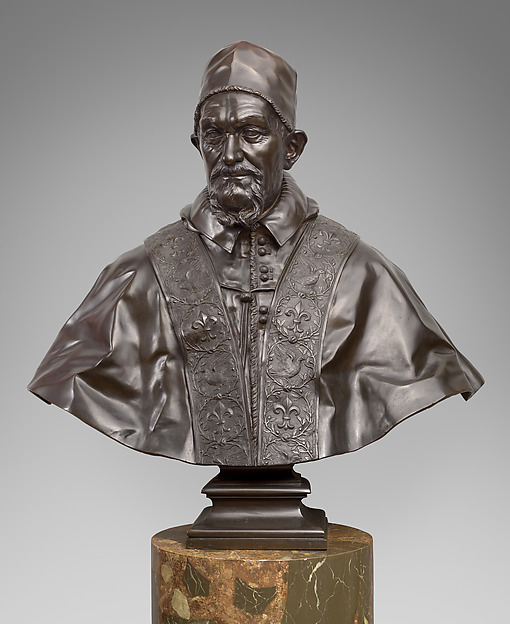
This is a bronze group designed by Alessandro Algardi (1595-1654), in the first quarter of the 17th century.
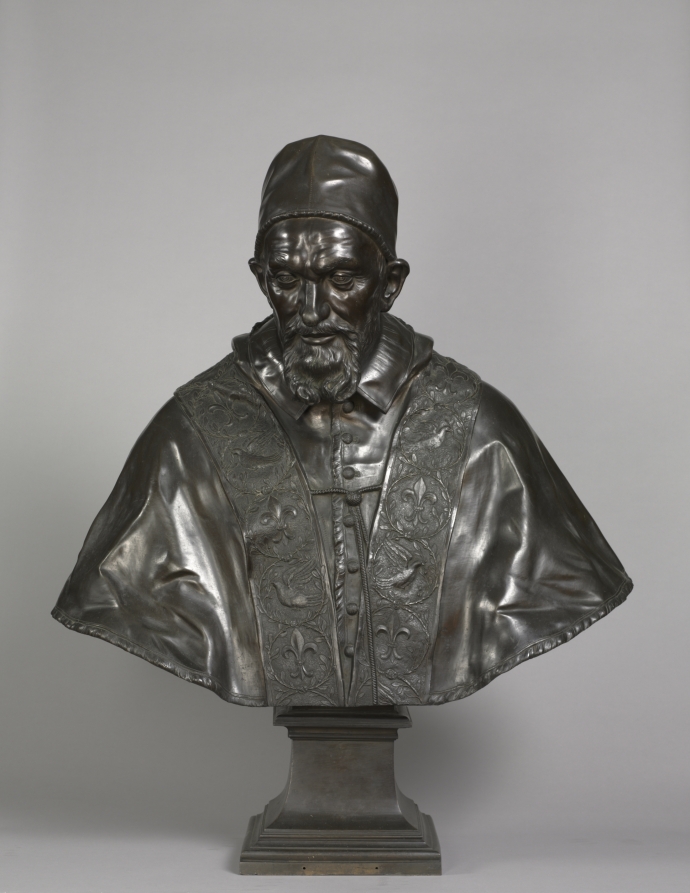
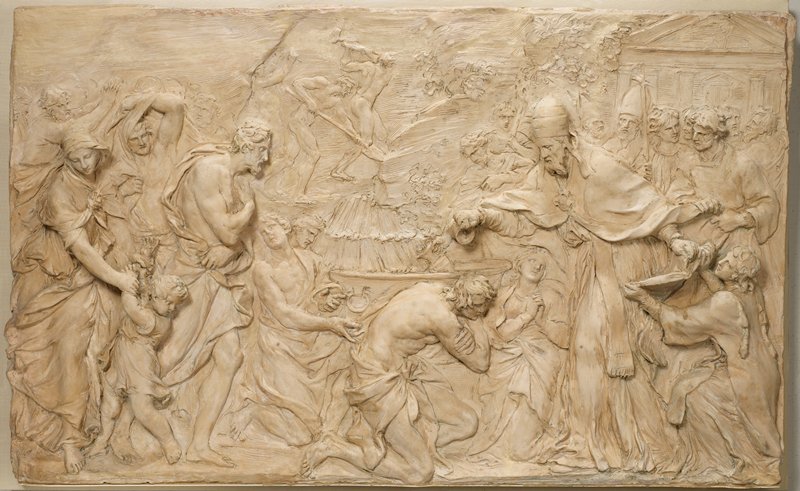
Alessandro Algardi (1595-1654) was an Italian sculptor, architect and draughtsman. Alongside Bernini he was the most important sculptor in Rome active around the middle of the 17th century. He produced the classizing antithesis to Bernini's High Baroque sculpture. They were seen and experienced at the time as rivals and equals.
The subject of St Michael overcoming Satan was quite popular in the Counter-Reformation time in Italy, allowing the Catholic Church to associate the theme with their 'battle' over the Protestants.
続きを読む
The archangel Michael is the first of the angels. He is often represented in armour with a sword and standing over or fighting with a dragon or he is shown with scales. God sent him to overcome Lucifer and he is also regarded as the angel of the Resurrection. He would receive the souls of the dead weighing them in his balance.
ヴィクトリア&アルバート博物館
作品データ
- 収蔵番号
- A.56-1951
その頃、Alessandro Algardiの人生では
生涯をすべて見るc. 1615
The Duke of Mantua and the jewelers: first patrons
By the age of twenty, Ferdinando Gonzaga, Duke of Mantua, is already commissioning works from him, and local jewelers employ him for figurative designs; other accounts say he entered the duke's service as early as 1608. From his early years in Bologna come his two earliest known works, statues of saints made of chalk in the Oratory of Santa Maria della Vita.
1622 · 活動地
Mantua
1625
Moves to Rome with the Duke of Mantua's introduction
After a short stay in Venice he goes to Rome with an introduction from the Duke of Mantua to Cardinal Ludovico Ludovisi, nephew of the late pope, who employs him for a time to restore ancient statues from his famous collection.
1625–1634
Years of struggling for recognition in Rome
Bernini and his studio, backed by Borghese and Barberini patronage, win most of the major Roman commissions, while Algardi struggles for recognition for nearly a decade: he takes small commissions — terracotta and a few marble portrait busts — and supports himself with small works like crucifixes. He is aided by friends, among them Pietro da Cortona and his fellow Bolognese Domenichino; he was also a friend of François Duquesnoy, Andrea Sacchi and Nicolas Poussin.
1625–1654 · 活動地
Rome