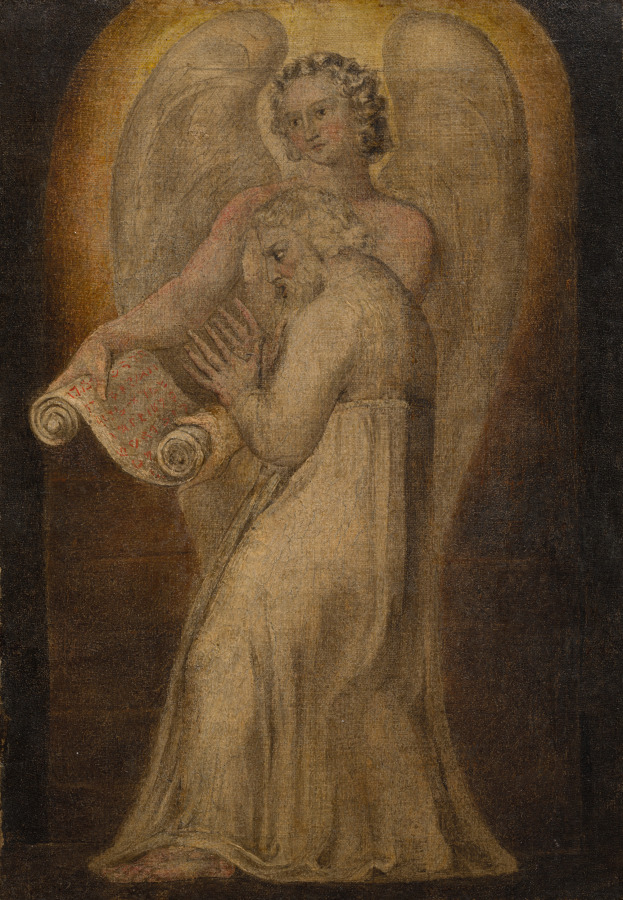
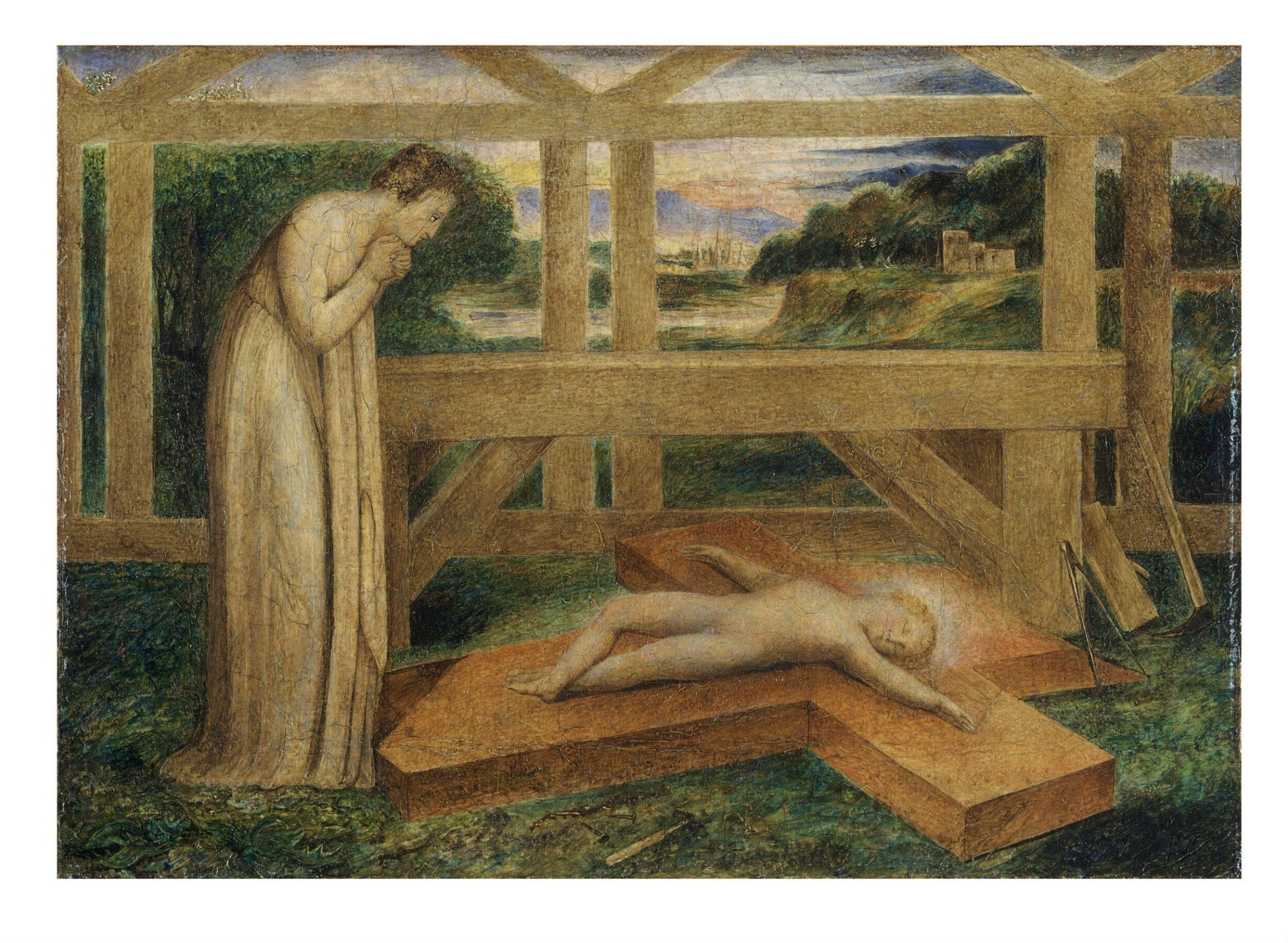
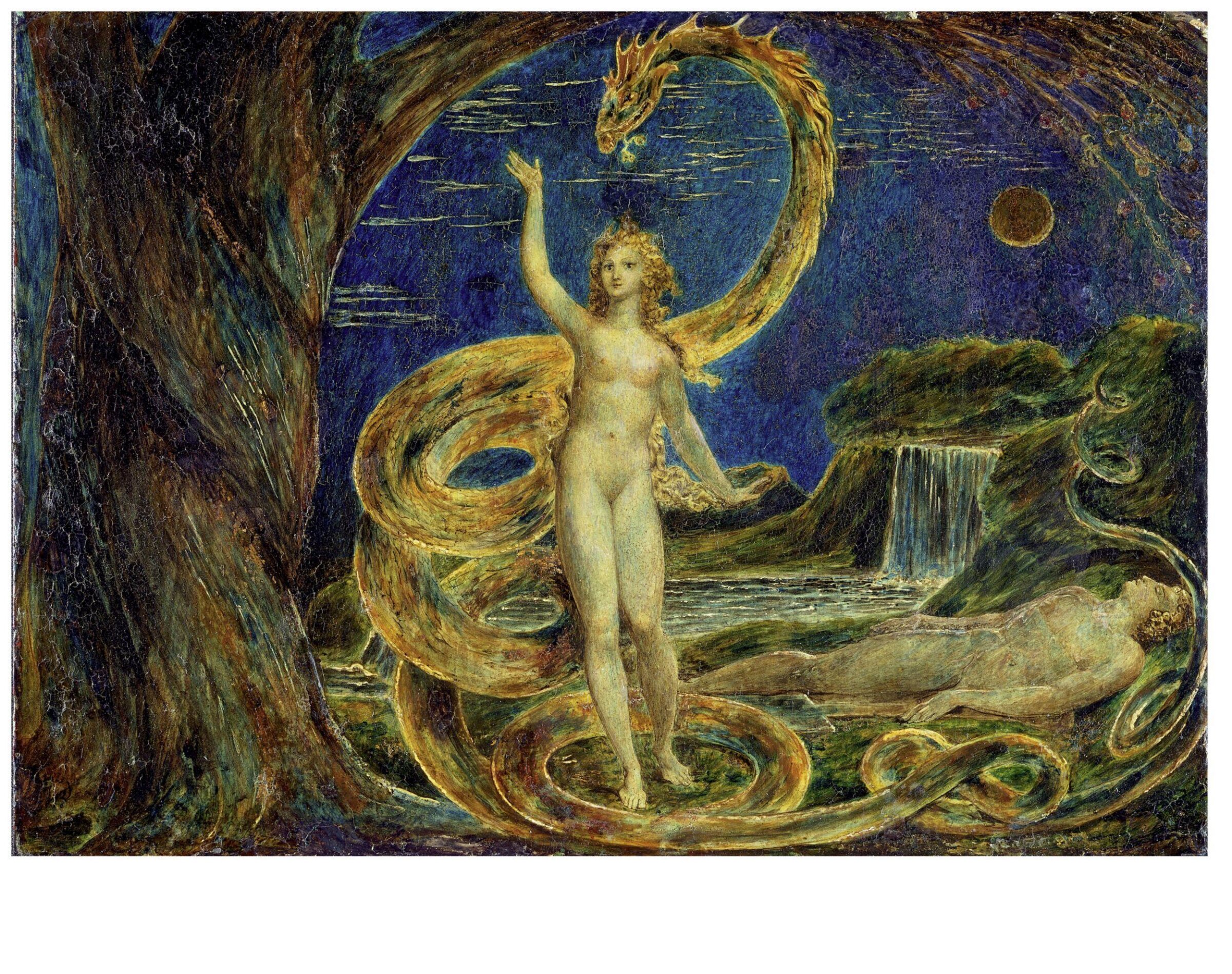
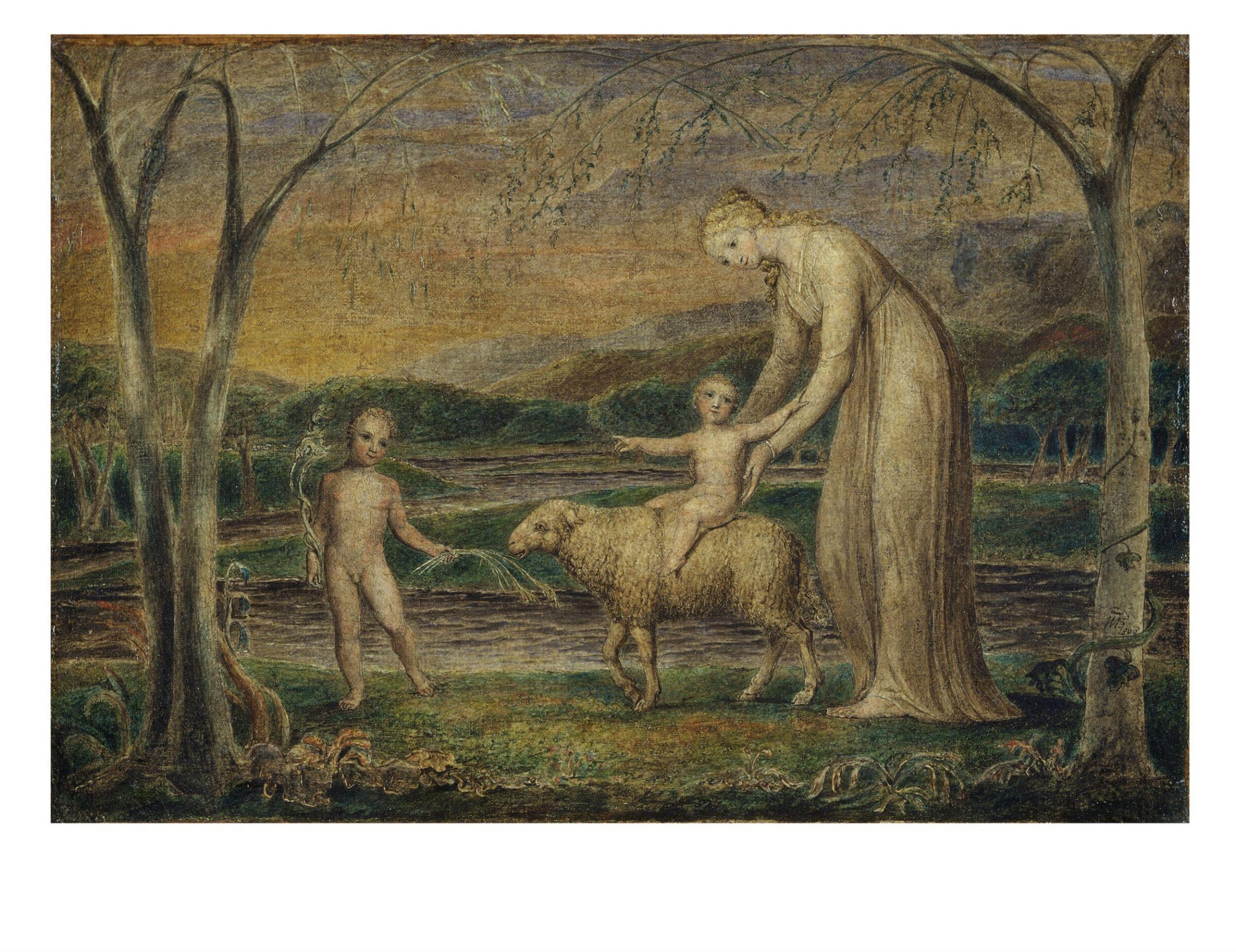
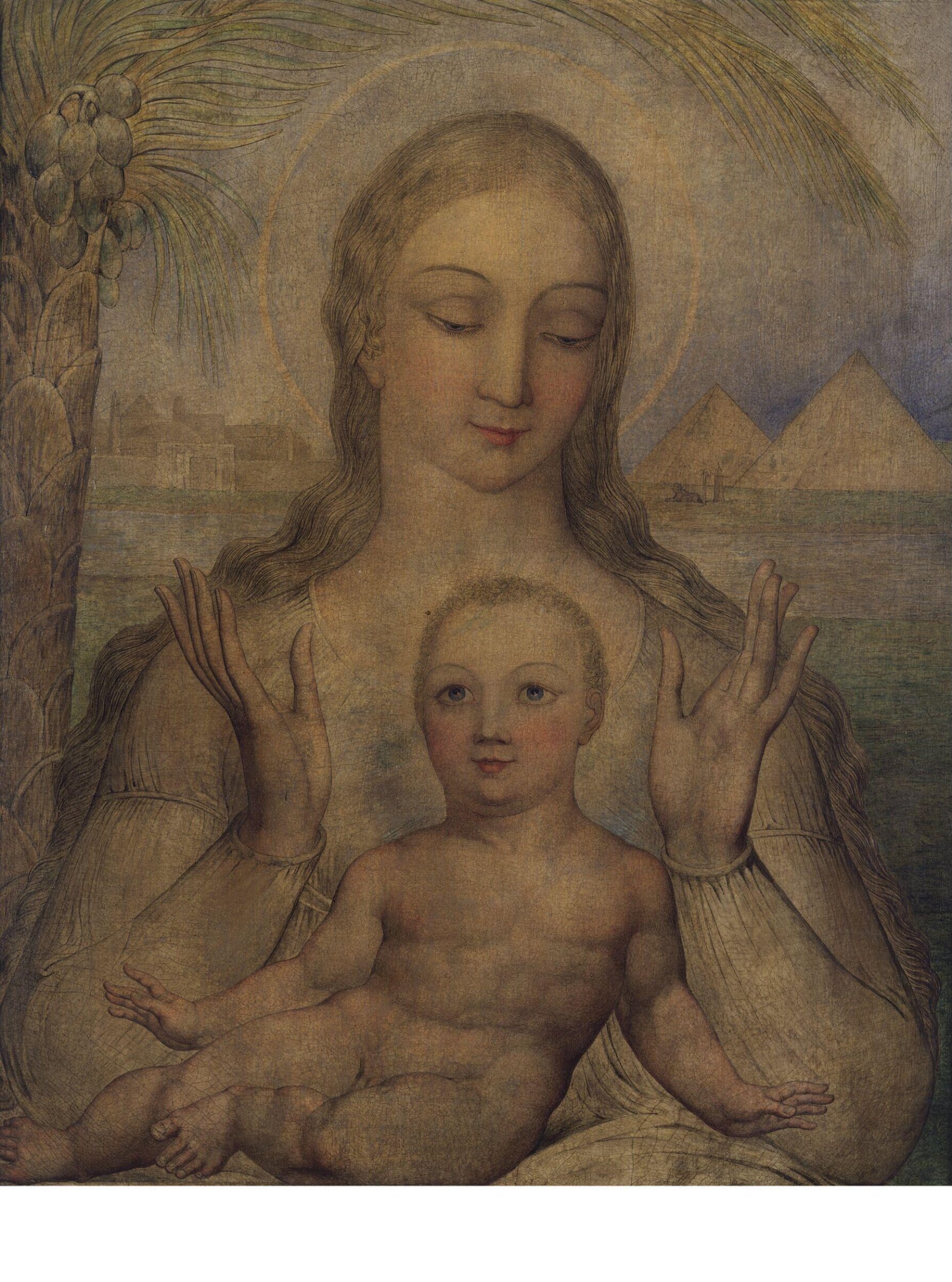
William Blakeイギリス, 1757–1827
Spring (Plate 26)
見られますか?
不明
『Spring (Plate 26)』は今どこに? 所蔵: イェール・ブリティッシュ・アート・センター, ニュー・ヘイヴン. 現在展示中かどうかは不明.
ニュー・ヘイヴン, アメリカ合衆国
所蔵者は判明していますが、現在展示中かどうかは不明です。
- この状態になった日
- 出典
- 美術館
作品データ
- 収蔵番号
- B1992.8.12(15)
カタログ収録
出典
- イェール・ブリティッシュ・アート・センター
- 画像: イェール・ブリティッシュ・アート・センター — Digital Image: Yale Center for British Art
その頃、William Blakeの人生では
生涯をすべて見る1780–1808
Exhibits six times at the Royal Academy
Despite his antagonism towards Reynolds, Blake submitted works to the Royal Academy on six occasions between 1780 and 1808.
1785–1791 · 居住
Poland Street
1788
Invents relief etching
In 1788, aged 31, Blake invented relief etching, or “illuminated printing”: text and designs are drawn on a copper plate in acid-resistant ink and etched so that the protected areas stand in relief, and the printed pages are coloured by hand in watercolours. He used it for most of his well-known works, including “Songs of Innocence and of Experience”, “The Book of Thel”, “The Marriage of Heaven and Hell” and “Jerusalem”.
1791 · 居住
Hercules Buildings
1791
Illustrates Mary Wollstonecraft's “Original Stories from Real Life”
Blake illustrated Mary Wollstonecraft's “Original Stories from Real Life” (2nd edition, 1791). They seem to have shared some views on sexual equality and the institution of marriage, but no evidence is known that they ever met.